If Porsche really is killing the Taycan, it is not because the EV failed
A report says Porsche will kill the Taycan by 2030. The obvious conclusion is the wrong one.
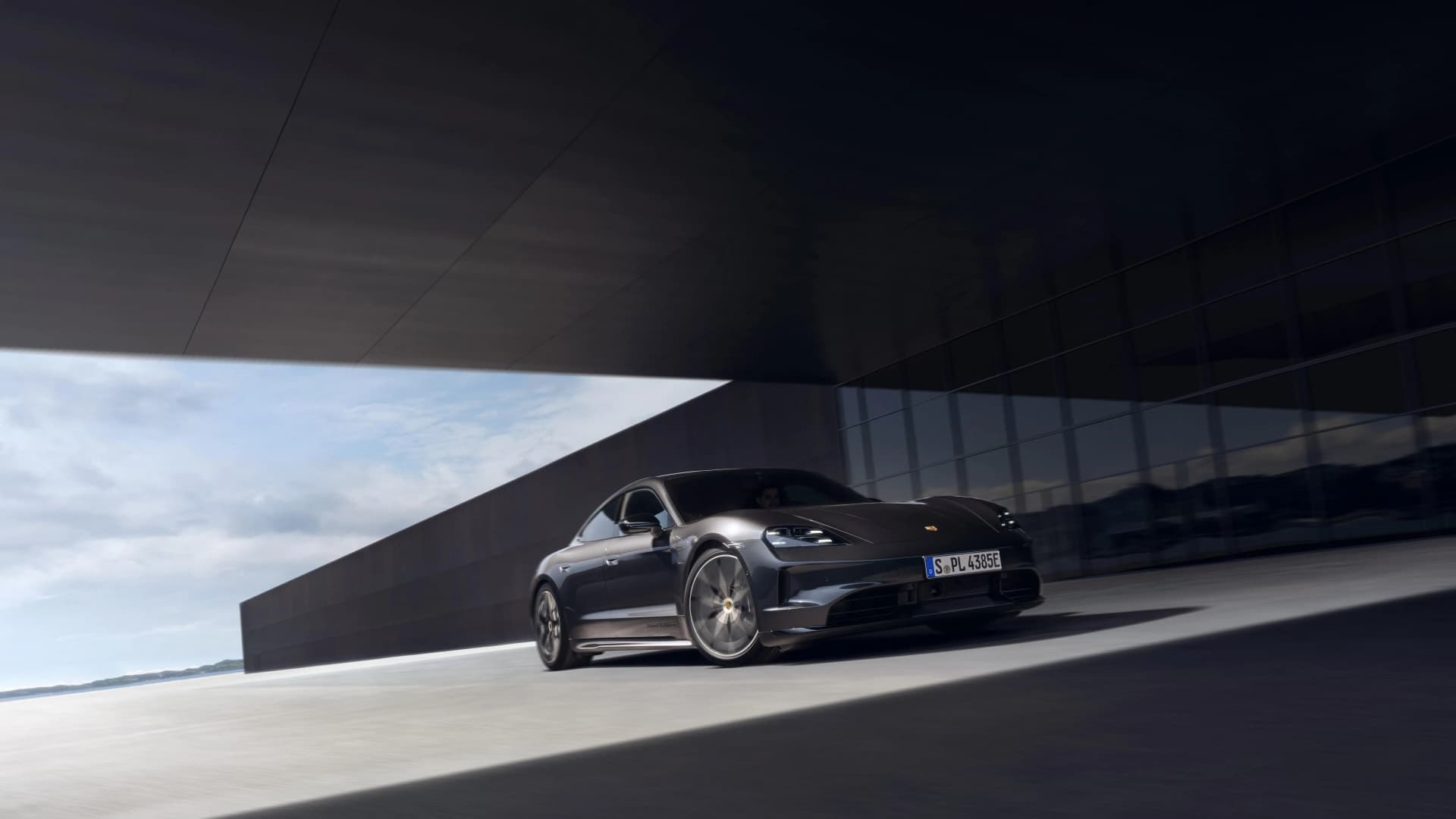
According to German business weekly WirtschaftsWoche, Porsche plans to wind down its electric flagship, the Taycan, by the end of the decade, having quietly shelved a plan to move its production to Leipzig and settled instead on letting the car die. Porsche has not confirmed it, and only last month its chief executive said there were no short-term plans to drop the model. But if the report is right, expect a wave of headlines declaring that even Porsche's electric halo has failed, and that the EV boom is over. That reading is tempting, tidy, and almost entirely wrong. The Taycan is not being killed by electricity. It is being killed by a shape.
What the report actually says
The numbers behind the story are brutal. The Taycan sold close to 41,000 cars in 2023, its high point. Last year that fell to around 16,000, and in the first half of 2026 Porsche is said to have delivered only about 6,000. Faced with that collapse, the report claims management weighed moving Taycan assembly from Stuttgart to Leipzig before concluding there was no point, and that the works council has agreed in principle, though not yet in writing, to phase the model out by roughly 2030. Porsche declined to comment and pointed back to its CEO's July remark that the Taycan was not for the chop any time soon. So treat this as a credible report rather than a done deal. The direction of travel, though, is hard to argue with.
The proof it is not about EVs is parked in the next showroom
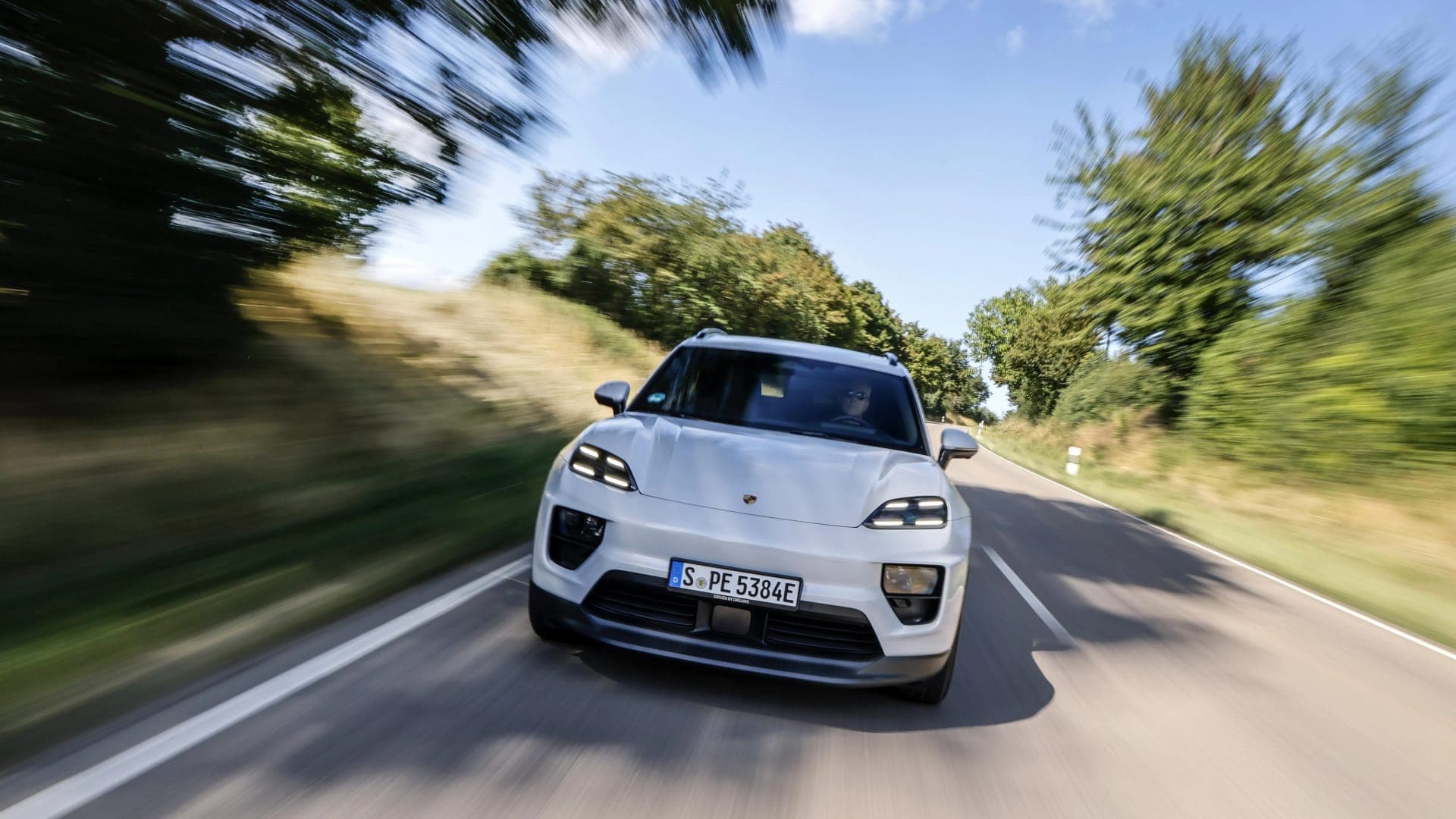
Here is the detail that breaks the easy narrative. In the same period the Taycan collapsed, Porsche's other electric car, the Macan, has been doing the opposite. Buyers who want an electric Porsche are still there in numbers; they are simply choosing the SUV over the sports sedan. If demand for electric Porsches had truly evaporated, both cars would be falling together. They are not. One is being eaten by the other, and the eater is electric too. So this is not a story about people rejecting batteries. It is a story about people rejecting a body style, and the Taycan happens to wear the one the market has spent fifteen years walking away from.
The electric sedan is dying the same death as the petrol sedan
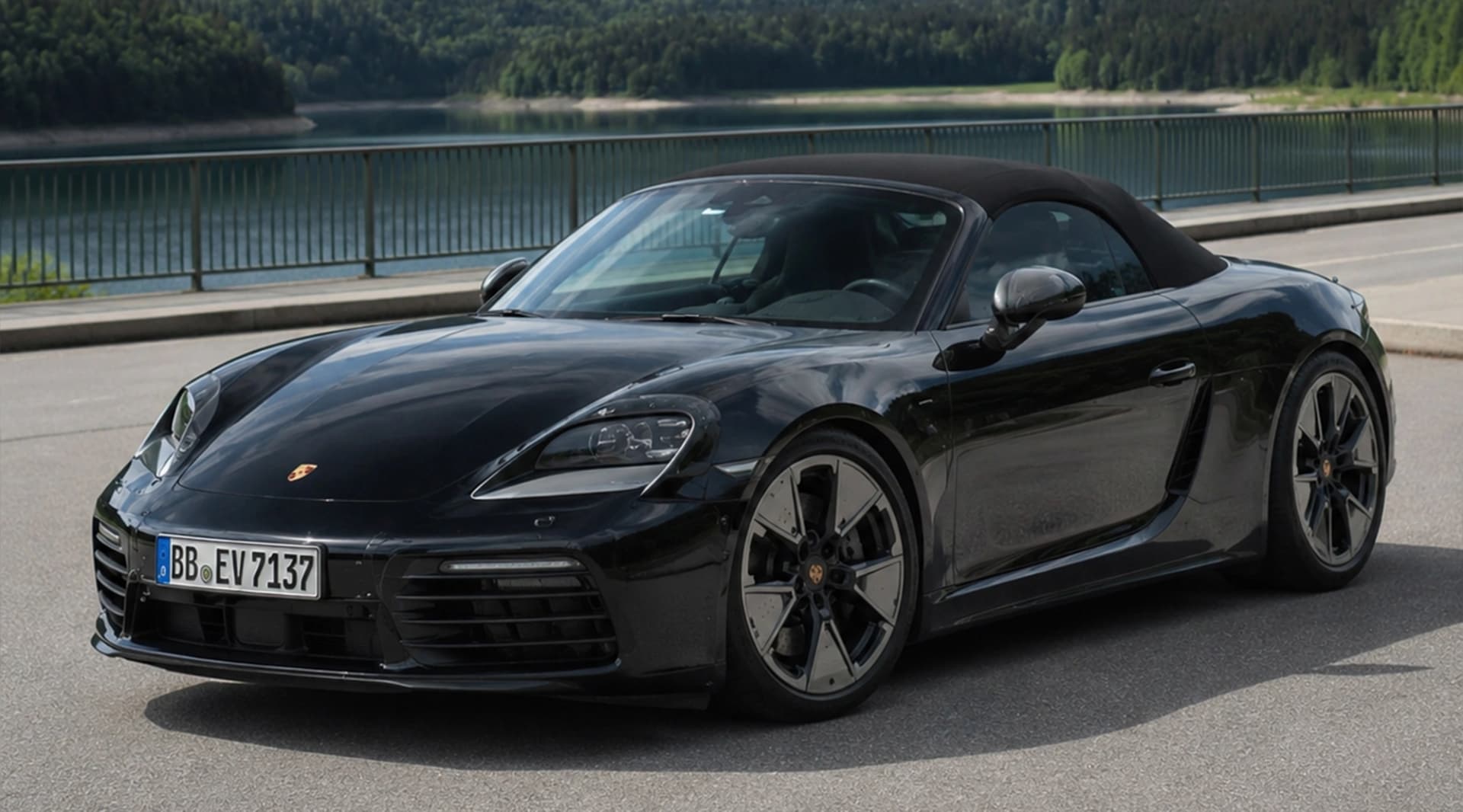
Think about which four-door saloons have quietly disappeared this decade, petrol and electric alike, and the pattern is obvious. The saloon is a dwindling shape, squeezed out by SUVs at every price point, and being electric never granted the Taycan an exemption. It is a superb car, arguably the best-driving electric machine Porsche has ever built, but it was launched into a segment that was already shrinking. Meanwhile Porsche has not lost faith in the technology at all: it is still pushing ahead with an electric 718 sports car and quietly discounting a well-equipped electric Macan to keep it moving. A company abandoning EVs does not do those things. A company reshaping its EV range to fit what people actually buy does exactly that.
What Porsche loses when the halo goes out
None of this means killing the Taycan is painless. It was the car that legitimised Porsche's electric era, the one that proved a 911 maker could out-engineer Tesla and make an EV feel like a Porsche. Retiring it looks like retreat even when it is really a correction, and it hands rivals an easy line about Stuttgart losing its nerve. There is also the awkward timing: as the industry argues over whether premium EV demand is really there, losing your electric flagship is a headline you cannot spin. But a halo car has one job, to prove the thing is possible, and the Taycan did that years ago. The volume then walks to the shape people want, which in Porsche's case is a badge on the tailgate of an SUV.
AutoNext Take
The Taycan deserves better than being remembered as the EV that failed, because it did not. Read the numbers honestly and the villain is not the battery; it is the three-box saloon, a body style that has been dying across every fuel type for years and was never going to spare a Porsche just because it was quick and quiet. The Taycan's real misfortune was timing: a brilliant answer to a question, four doors and a low roof, that fewer and fewer buyers are still asking.
So watch how this gets reported, because it is a small test of whether the industry can tell the difference between a powertrain problem and a packaging one. Porsche is not backing away from electric; it is following its own customers from the sedan to the SUV, exactly as the rest of the market has. If the Taycan really does bow out in 2030, the lesson is not that the electric Porsche was a mistake. It is that Porsche built the right car in the wrong shape, and the right shape was electric too.