Range Rover Sport Electric matches the V8 and goes 609 km
Range Rover's sportiest SUV now runs on a bigger battery than most rivals carry
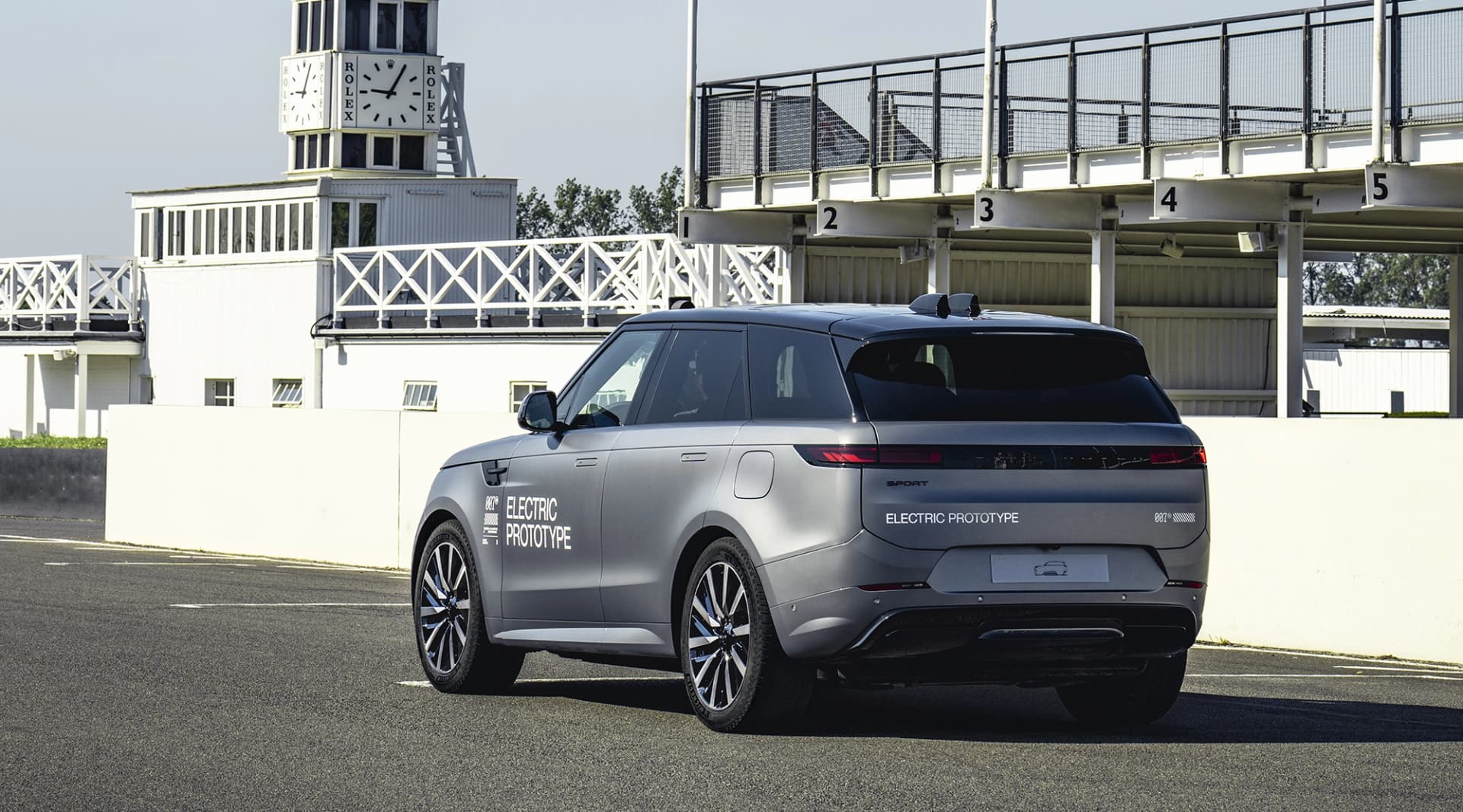
Range Rover opened order books for the Sport Electric this week, less than a month after the larger Range Rover Electric was revealed. It shares that car's 118.5 kWh usable battery and 800-volt system, but adds active roll control and a sharper chassis tune. Two outputs are listed, 450 and 550 hp, and the first customer cars arrive early in 2027.
Range Rover Sport Electric EV550 reaches 100 km/h in 4.5 seconds
The 550 hp EV550 reaches 100 km/h in 4.5 seconds, the same time as the petrol V8 P530 it sits beside in the range. One motor drives each axle, peak torque is 850 Nm, 100 Nm more than the V8 SV musters, and top speed is limited to 200 km/h. Torque also builds 50% faster than in the Range Rover Electric, whose launch slipped after a front motor overheated in Dubai. A 450 hp version is listed in continental Europe but not in Britain. The cost is mass: the EV weighs 285 kg more than the V8 SV, which stays 0.7 seconds quicker.
609 km WLTP and 535 km real-world from 118.5 kWh
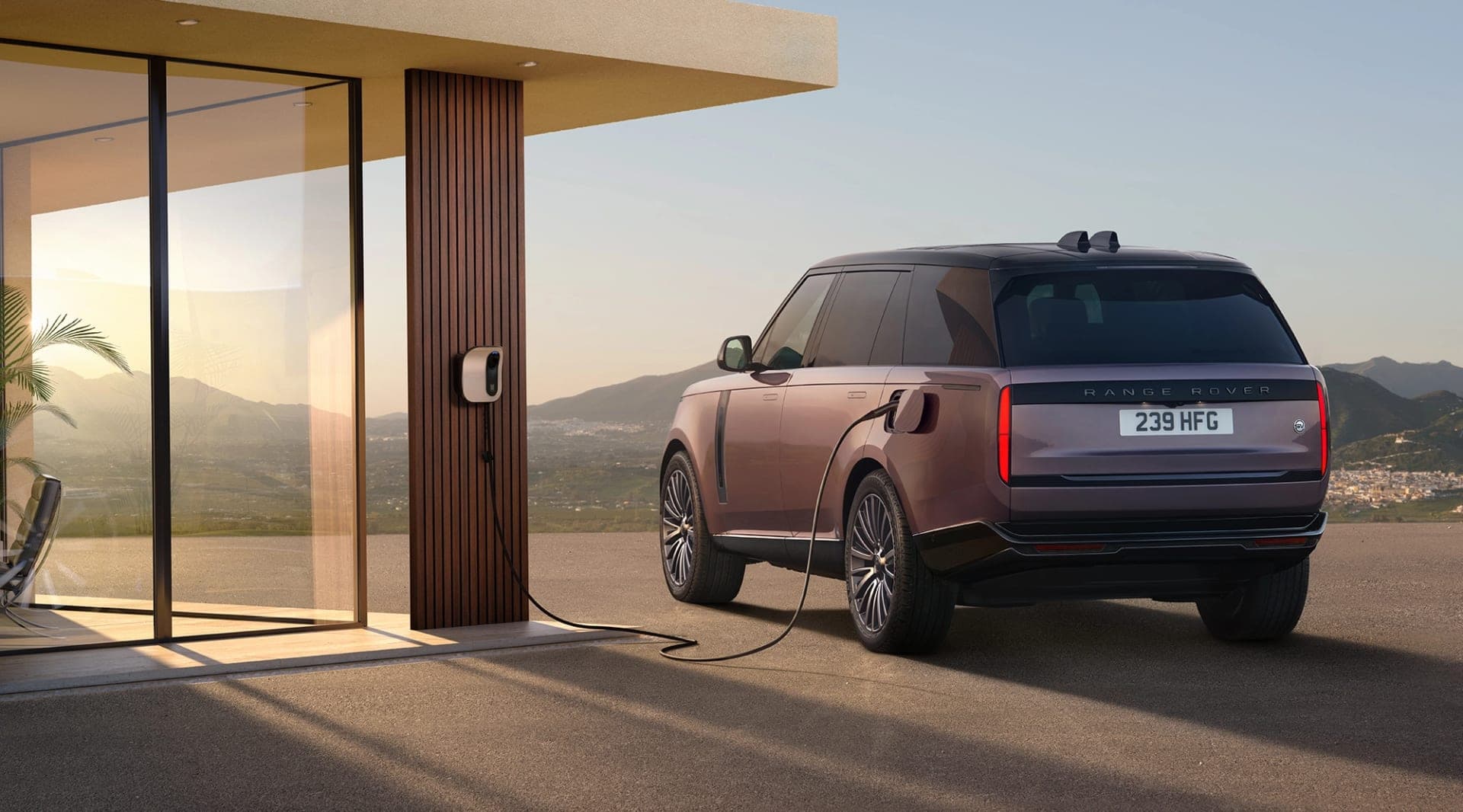
The official range is up to 609 km WLTP, and British figures for the 550 hp car quote 374 miles, about 602 km. JLR also publishes its own real-world estimate of about 535 km. That matters for anyone who read our July report, which called a 480 to 530 km target the catch. The real-world figure now lands just above that band, so the concern compared a real-world estimate with rivals' laboratory numbers. Charging runs from 10 to 80% in 22 minutes, adding 220 km in the first 10, and the aero wheels and grille shutters are worth 16 km.
A 61% stiffer body and 73 mm lower centre of gravity
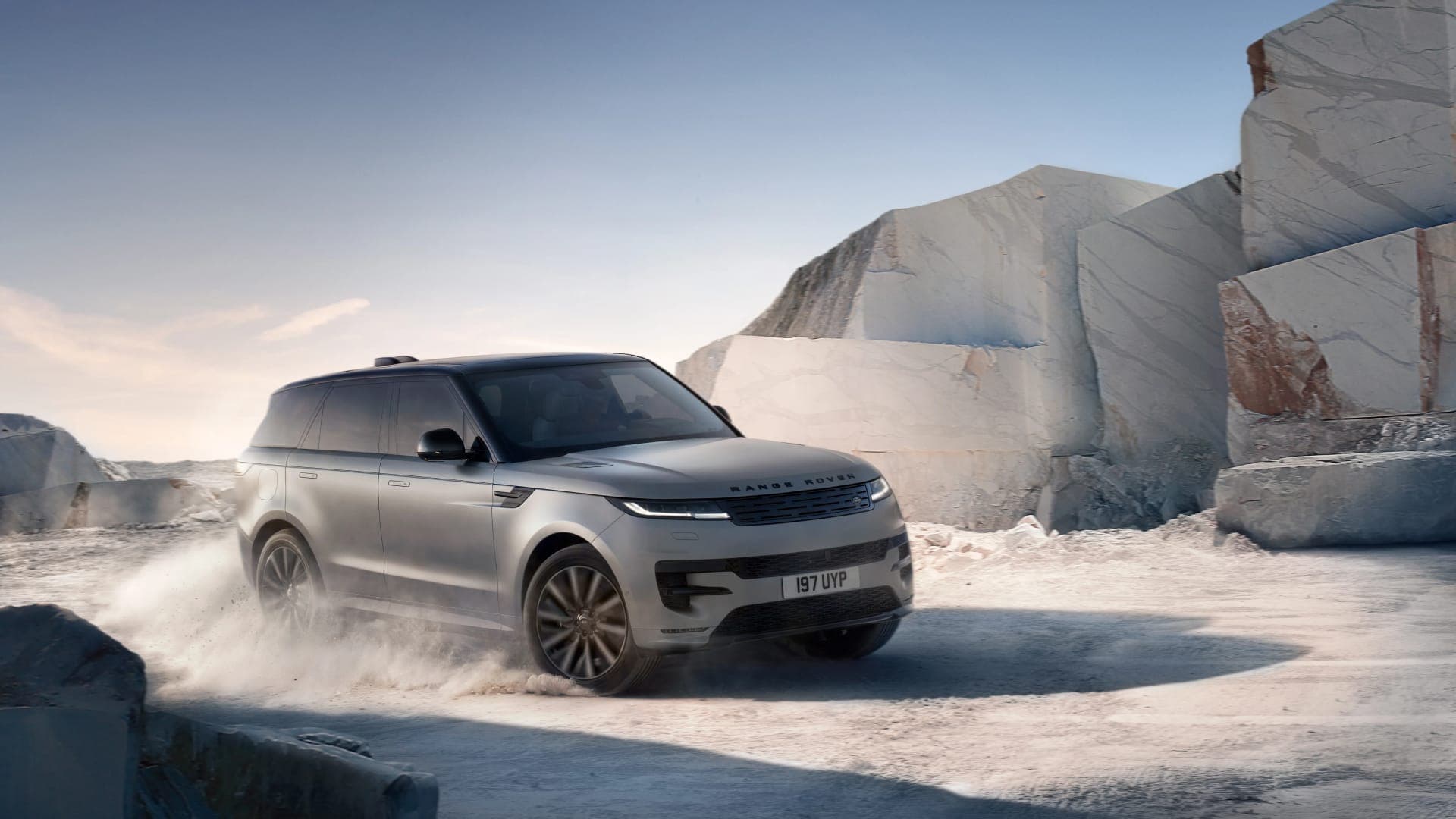
Range Rover says the body is 61% stiffer than before, and the battery drops the centre of gravity by 73 mm compared with the plug-in hybrid. The Sport keeps electro-hydraulic active roll control, able to apply 1,400 Nm per axle, a system the bigger Range Rover Electric does without. Rear-wheel steering turns the back wheels by up to 7.3 degrees. Because regeneration does most of the stopping, the friction brakes are smaller than the V8's, with nitrogen-treated discs to stop them rusting. Off-road it still wades through 900 mm of water and tows 2.5 tonnes.
Range Rover Sport Electric prices start at €120,400 in Germany
The Sport Electric starts at €120,400 in Germany, €16,000 more than the cheapest plug-in hybrid Sport and roughly €40,000 less than the Range Rover Electric. Ireland lists the 450 hp Dynamic SE at €123,830 and the 550 hp car from €145,750, with a First Edition at €159,570. Britain gets only the 550 hp version, from £109,810, about £45,000 below the bigger electric Range Rover. Autobiography trim and Range Rover's bespoke commissioning service are available from launch.
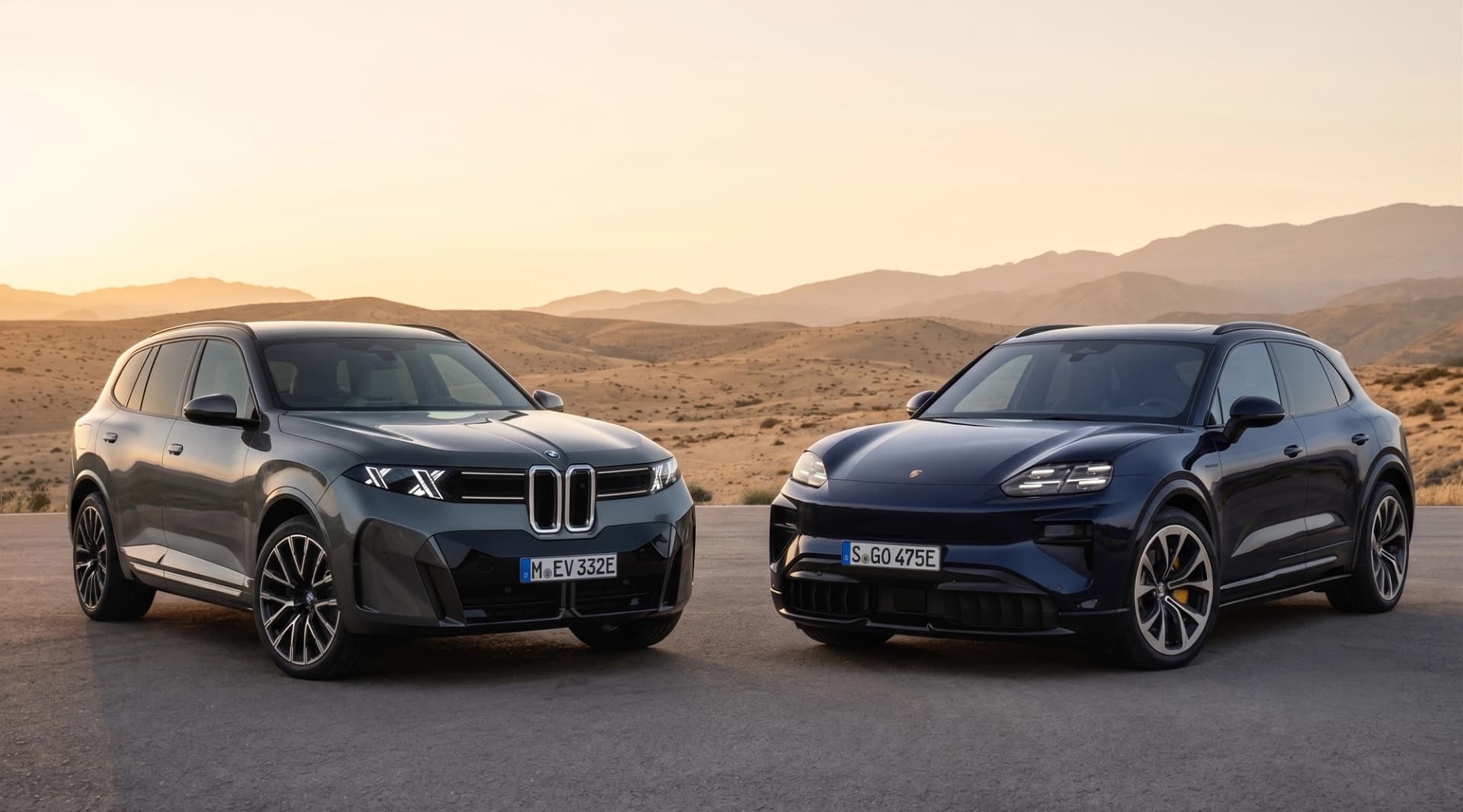
Porsche Cayenne Electric and BMW iX5 still go further
The Porsche Cayenne Electric is rated at 653 km WLTP from a smaller battery of about 108 kWh net, and BMW quotes up to 845 km for the iX5 with its 141 kWh pack. Those are the two cars the electric super-SUV class is measured against, and the Range Rover sits behind both on paper. What it offers instead is the widest spread of ability in the group: V8 acceleration, 900 mm of wading and a body that looks exactly like the combustion Sport, apart from the grille and wheels.
AutoNext Take
Range was never the Sport Electric's weak point, and our July headline had it the wrong way round. JLR's own real-world estimate of 535 km sits just above the band we worried about, and the 609 km WLTP figure is 44 km short of a Cayenne Electric. The real compromise is the 285 kg it carries over a V8 SV, and Range Rover has answered that with hardware its bigger electric sibling does not even get.
Price is what should make this the default electric Range Rover. For roughly €40,000 less than the Range Rover Electric, with the same battery, the same motors and slightly more range, the Sport Electric should outsell its bigger sibling in Europe across 2027, its first full year of deliveries. On the evidence so far, it is the electric Range Rover that makes the most sense.