Renault builds Geely's EX5 hybrid in Brazil to beat a 35% tax
Renault's São José dos Pinhais plant builds its first Geely as Brazil's EV tax hits 35%
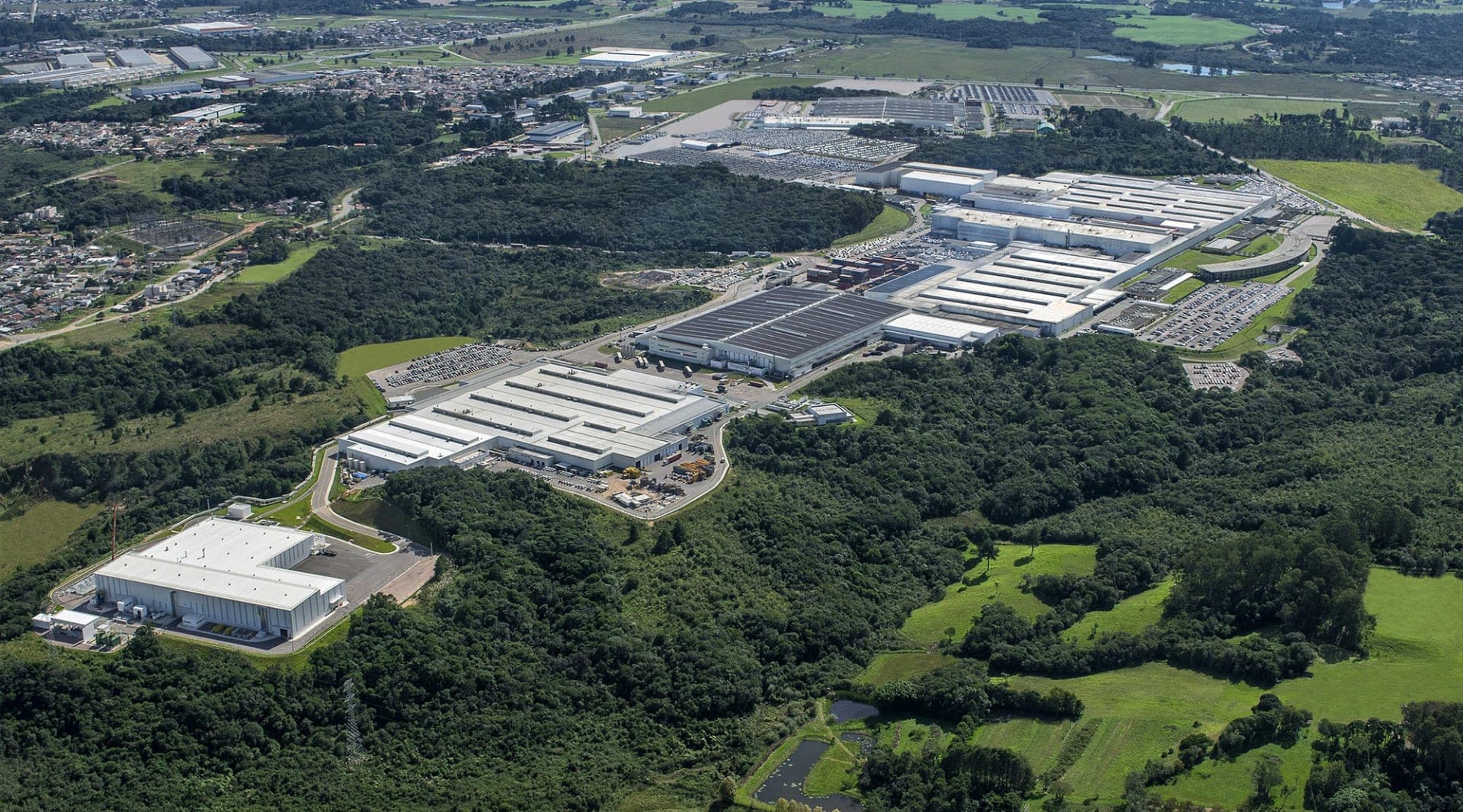
The first Geely EX5 EM-i built in Brazil came off the line at the Ayrton Senna complex in São José dos Pinhais on 15 September, a plant Renault has run since 1998. Renault Geely do Brasil, the joint company in which Geely holds 26.4 percent, paired the milestone with a further R$2 billion of investment, about 340 million euros, and gave the EX2 hatchback a production date: December.
The EX5 EM-i is the first car on Geely's GEA platform to leave São José dos Pinhais
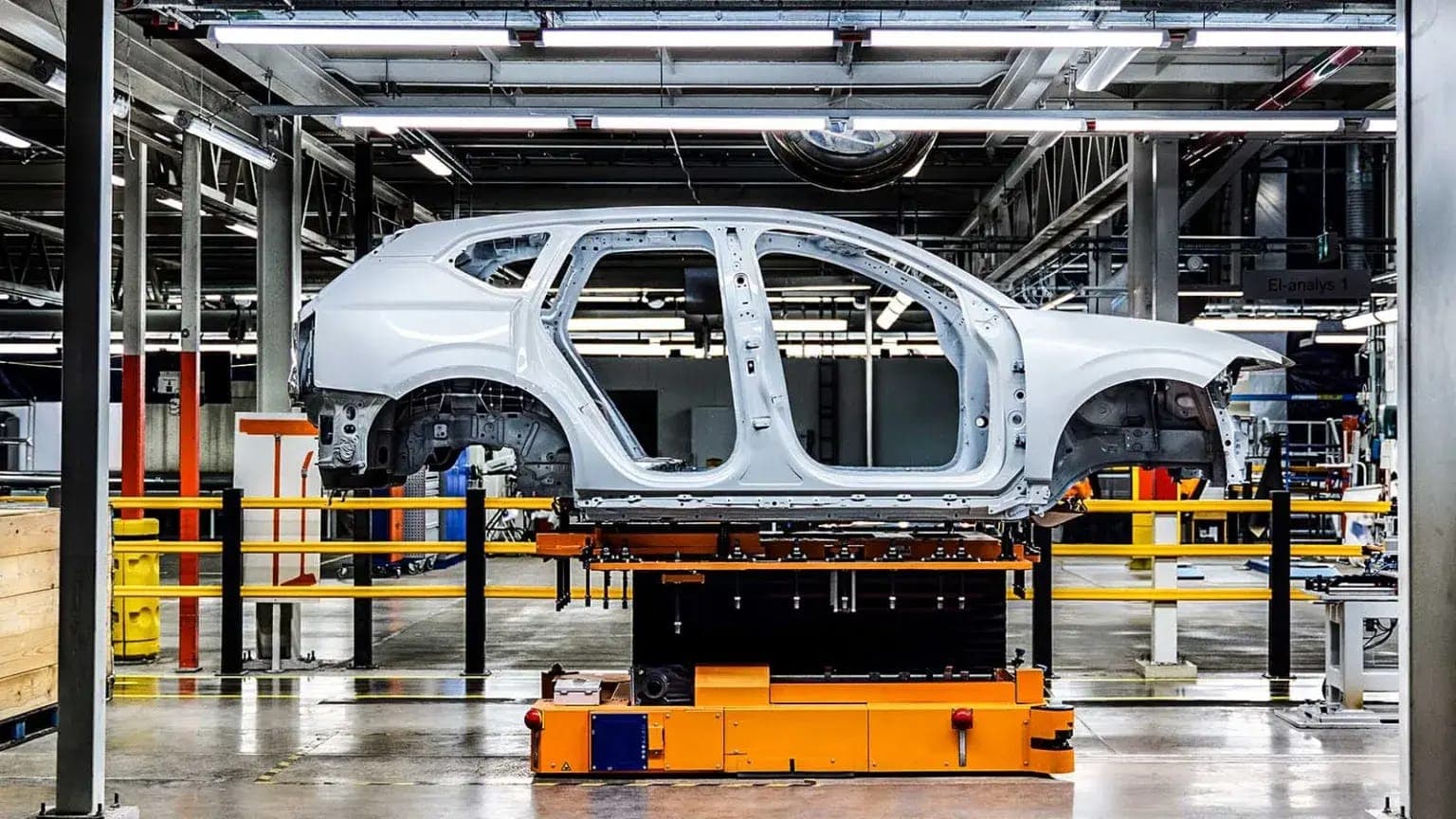
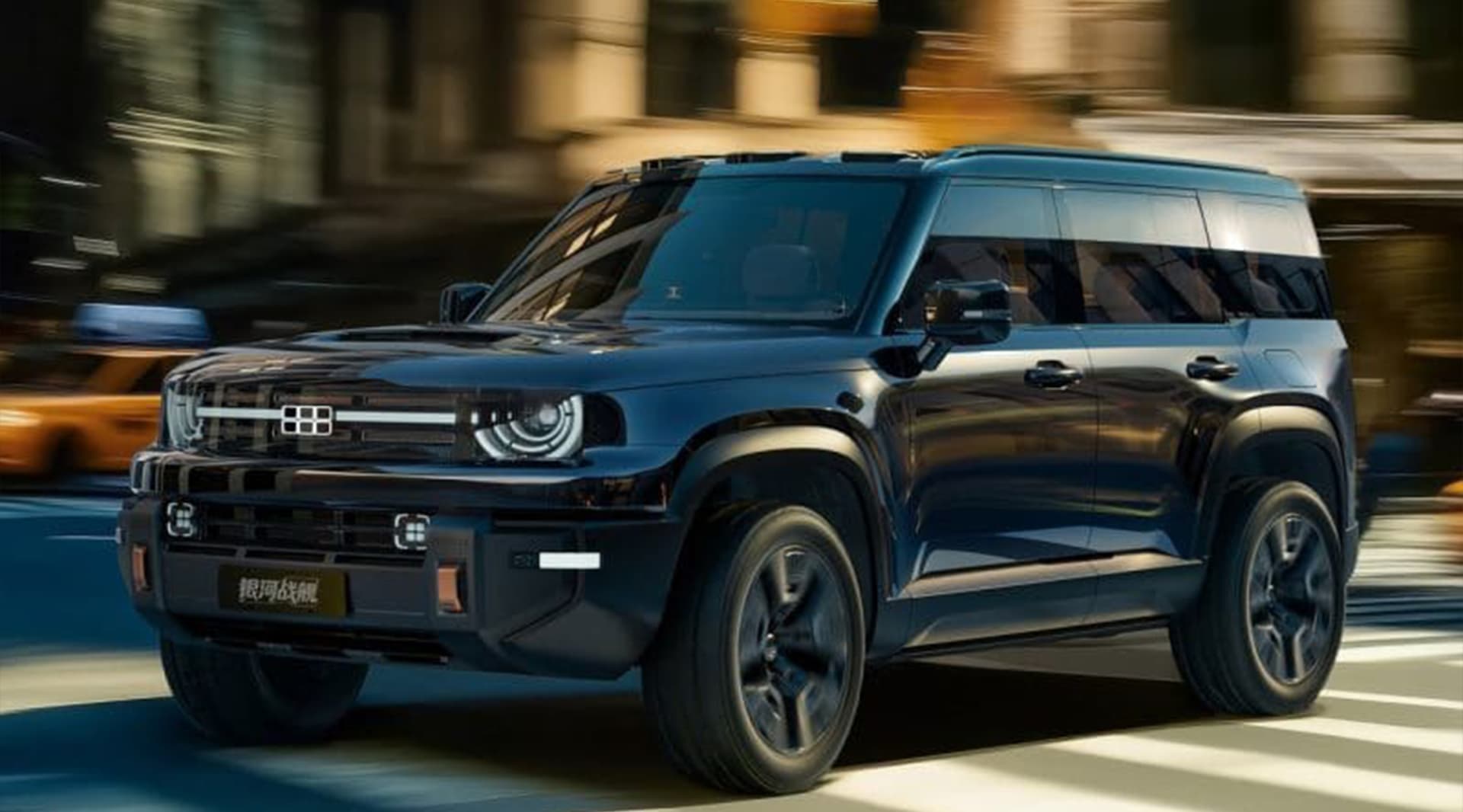
The plug-in hybrid SUV, which Geely's European sites list as the Starray EM-i, went on sale in Brazil as an import in April. Local build starts with paint and final assembly, with welding to follow, according to chief executive Ariel Montenegro, which already puts it a stage beyond the kit assembly BYD runs in Camaçari. The Brazilian-built car reaches dealers before the end of the year, and the new money lifts Renault Geely's committed investment for 2025 to 2027 to R$5.8 billion, close to a billion euros. Conversion of the plant to Geely's Global Intelligent Electric Architecture began early this year, so the same lines can build petrol, flex-fuel hybrid, plug-in and battery-electric cars.
262 hp, 112 km electric and 1,300 km combined from a 1.5-litre petrol engine
The EX5 EM-i pairs a naturally aspirated 1.5-litre four-cylinder of 100 hp, tuned to work mainly as a generator, with a 218 hp electric motor on the front axle. Combined output is 262 hp and 380 Nm, enough for 0-100 km/h in 7.8 seconds in a 1,844 kg car. The Pro and Max versions carry an 18.4 kWh LFP battery good for 65 km on Brazil's Inmetro cycle; the Ultra gets 29.8 kWh, 112 km electric and 60 kW DC charging, and Geely rates its combined range at up to 1,300 km. Prices do not move with the switch to local production: R$189,990 for the Pro, about 32,000 euros, rising to R$234,990 for the Ultra.
Brazil's import duty on EVs and hybrids reached a flat 35 percent in July 2026
Brazil's import duty on electrified cars has stood at 35 percent since July 2026, and that rate is the reason the Paraná line exists. Brazil began restoring import duties on electrified cars in January 2024 and has stepped them up every July since: from July 2025 a fully built electric car paid 25 percent, a plug-in hybrid 28 and a conventional hybrid 30, and since July 2026 the rate is 35 percent on all three. Geely saw the step coming. In May a single ship unloaded 5,101 EX5 EM-i at the port of Paranaguá, a record for the port, to land stock before the increase. For comparison, the EU charges Geely's Chinese-built electric cars an 18.8 percent countervailing duty on top of the standard 10 percent, and Leapmotor's B03X shows what that adds to a European price. Brazil's flat rate is steeper than either.
The EX2 hatch joins the line in December after outselling Geely's own plan
The EX2 was not in the original production plan, which covered the dearer models only, but it has become Geely's best-selling car in Brazil. From December it will be built in the complex's light commercial hall, which today assembles the Renault Master van and the Oroch pick-up, the latter about to be retired by the Niagara. The imported EX2 costs R$123,800 to R$136,800, roughly 21,000 to 23,000 euros, with a 116 hp rear motor and 289 km of Inmetro range, and its target is BYD's Dolphin Mini, the small EV BYD already assembles in Camaçari.
Renault's first Brazilian-built electrified car comes in 2027 on Geely's GEA platform
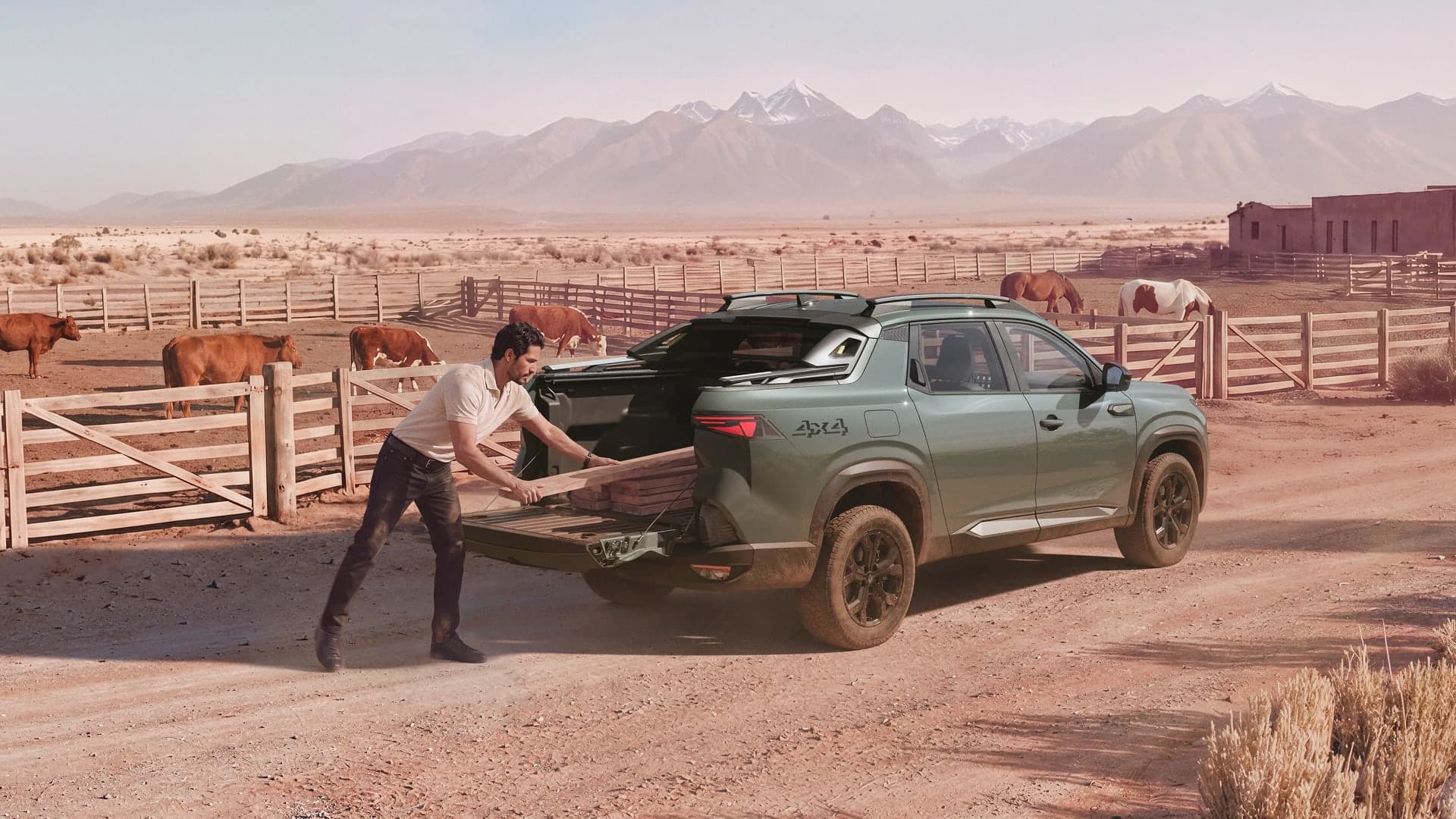
In November, when the joint company was formed, Renault Geely spoke of a new Renault platform giving rise to a 2027 model with zero-emission technology. This week's version is a Renault built on Geely's GEA, the first Brazilian product of Renault's FutuREady plan, which the Brazilian press expects to be a plug-in hybrid SUV coupé wearing the Arkana name. Renault's own contribution from 2027 is Hybrid E-Tech 4x4 Flex: the 1.3 turbo running on ethanol or petrol, a 48-volt system and a 31 hp motor on the rear axle fed by a 0.84 kWh battery, due first in the Boreal and then in the Niagara pick-up. The European Boreal, built in Bursa, gets a petrol-only mild hybrid. The mirror image is already on the calendar: Geely's premium cars are due out of Volvo's Ghent plant in 2028.
AutoNext Take
The 5,101 cars that came through Paranaguá in May tell you what the Paraná line is for. It is insurance against a 35 percent tariff, not a discount: the Brazilian-built EX5 EM-i costs the same R$189,990 as the imported one, and Renault Geely said so on the day the first one was built. Brussels' 28.8 percent on Geely has so far produced a plan for Ghent in 2028. Brazil's 35 percent produced a car this week, on a European manufacturer's line, with the European manufacturer's name on the gate.
In November the joint company promised a new Renault platform and a 2027 Renault with zero-emission technology. Ten months on, the 2027 Renault sits on Geely's architecture and the wording has become zero and low emissions, which is how a carmaker describes a plug-in hybrid. Our prediction: the first electrified Renault built in Brazil will be a plug-in hybrid on GEA, and no battery-electric Renault will leave São José dos Pinhais before the end of 2028.