Geely will build its premium cars in Volvo's European factories, and Ghent is a big winner
The tariff wall Europe built is now pulling Chinese factories onto the continent
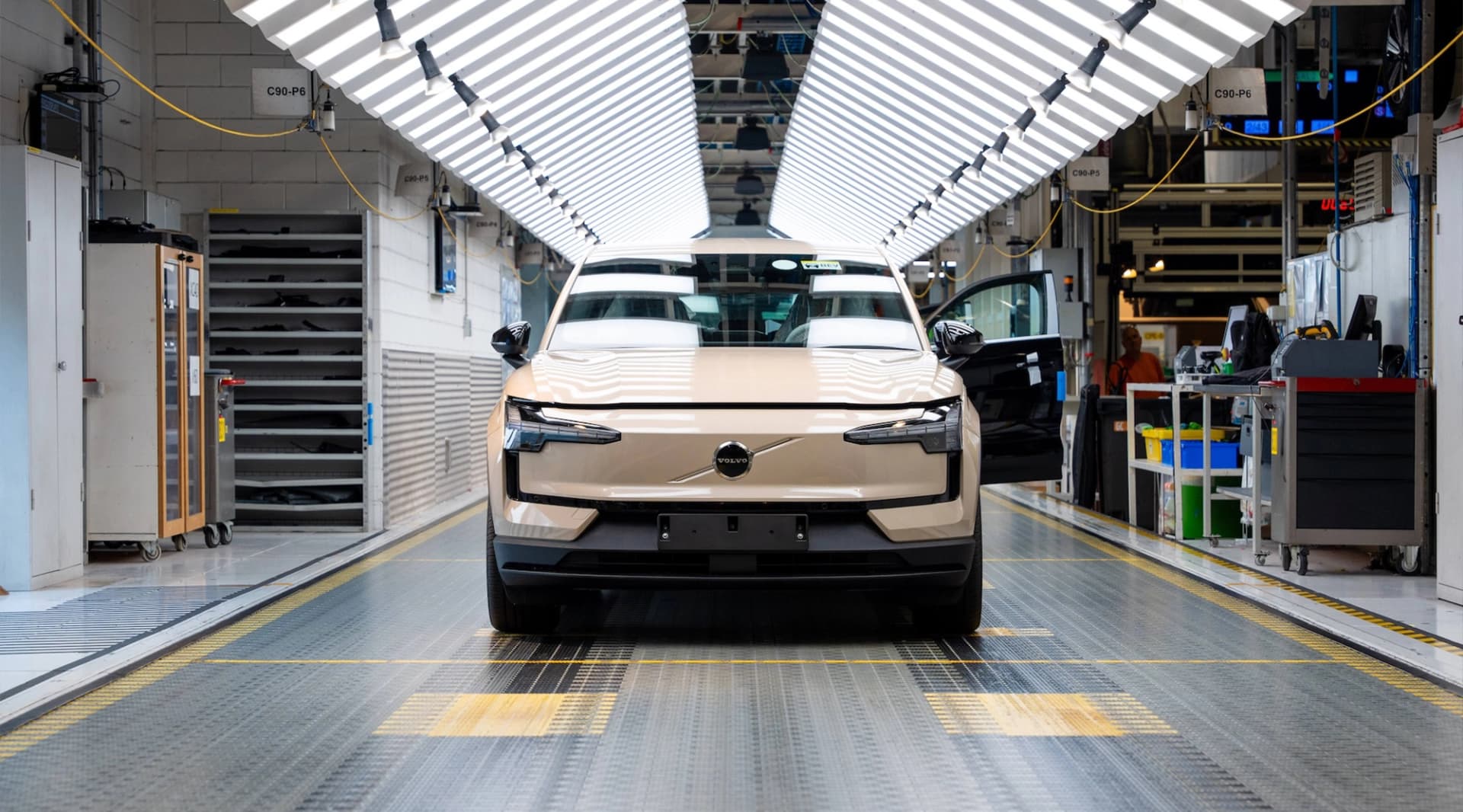
Europe told the Chinese car giants to build here rather than ship in, and it is working, sometimes in unexpected ways. Geely, which already owns Volvo Cars, has confirmed it will start producing its own premium models at Volvo's European factories from 2028. For plants that have been fighting for work as the market softens, including Volvo's big site in Ghent, that is a genuine lifeline. As reported by our media partner Gocar.be, it could be exactly the boost the Belgian factory needed.
What was announced
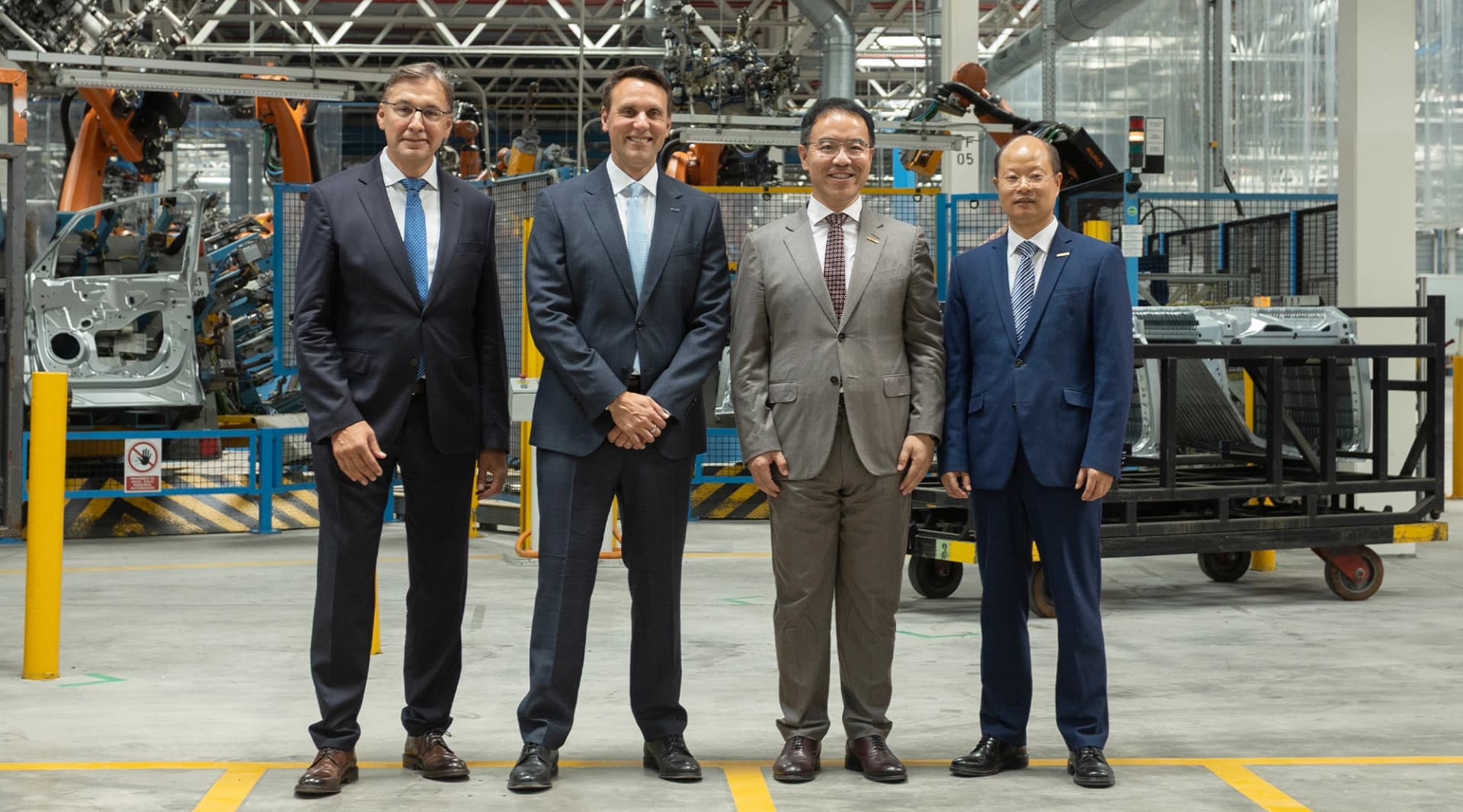
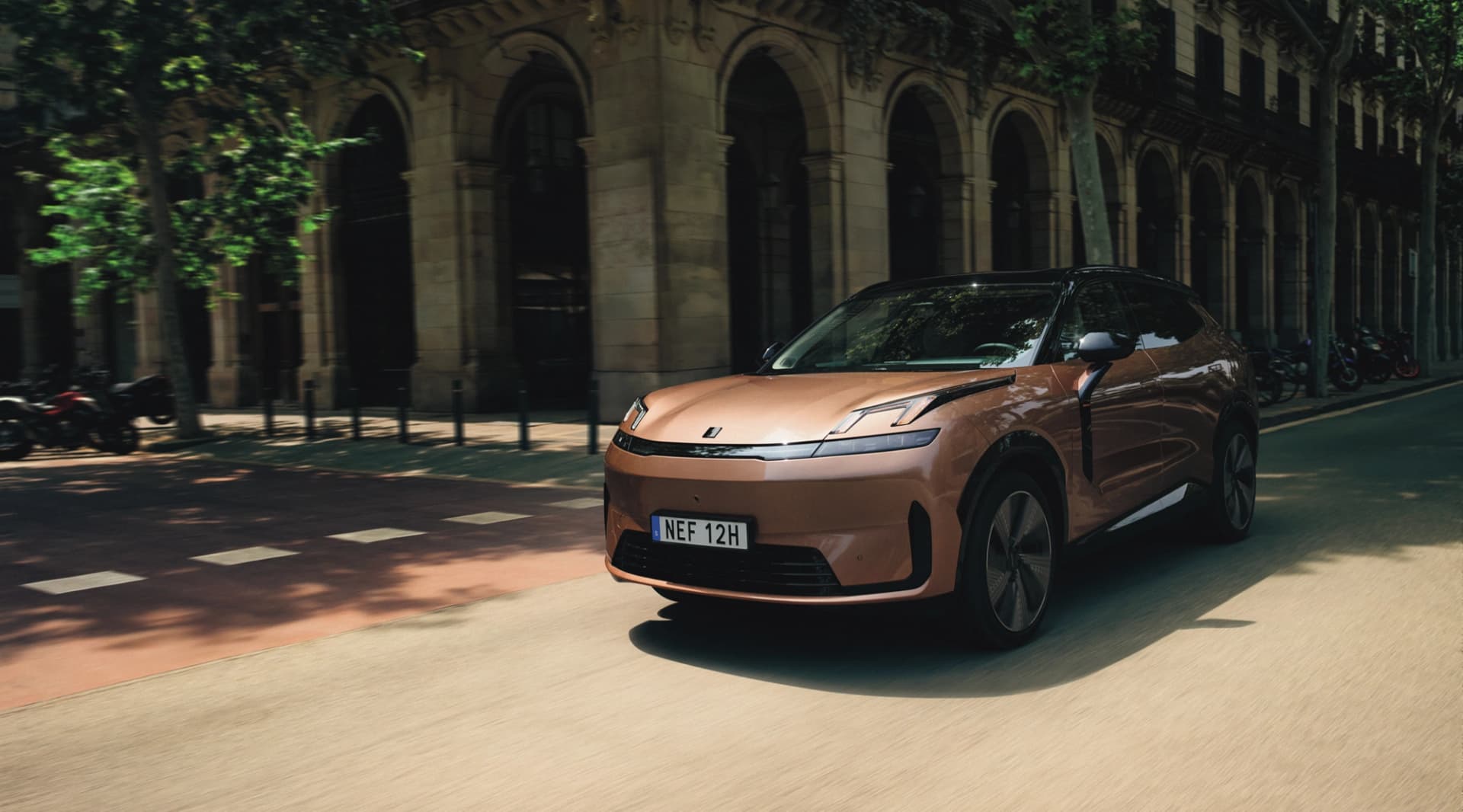
The plan was confirmed by Geely Automobile's new chairman, An Conghui, at the company's half-year results. From 2028, Volvo's European plants will, in the group's words, become an important base for Geely's local strategy and take on production of high-end vehicles from across the Geely ecosystem. Geely has not yet said which brand will be first onto a Volvo line, but the obvious candidates are premium models such as the Lynk & Co 900 and the Zeekr 9X and 8X flagships.
Which factories
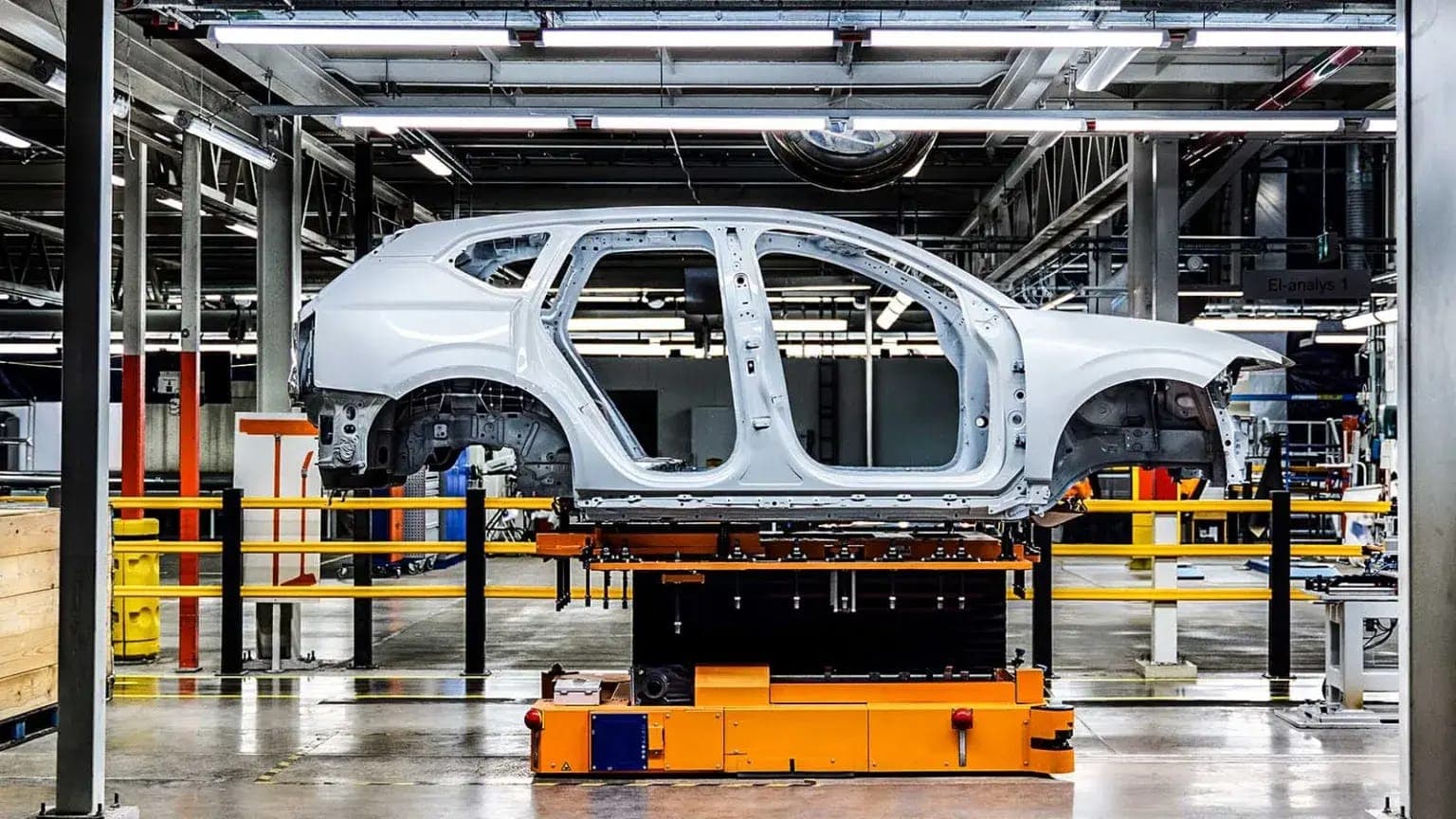
Volvo runs two established assembly plants in Europe, Torslanda in Sweden and Ghent in Belgium, and is building a third near Kosice in Slovakia, due to start up in early 2027. All three are in the frame. Ghent is especially significant here: Volvo had already floated the idea of using spare capacity there to contract-assemble vehicles for other brands, so hosting Geely-group models is a natural fit. The Slovak plant is also set to build the electric Polestar 7, underlining how tightly the wider group now shares its European industrial base.
Why do it this way
The logic is mostly about tariffs and efficiency. The EU applies extra duties to battery-electric cars built in China, so assembling premium Geely-group EVs on European soil neatly avoids that penalty. On top of that, using Volvo's existing lines means Geely does not have to build new factories from scratch, and lets the group share architectures, components and manufacturing know-how across its brands. It is the same playbook Geely is running elsewhere, having also set up a joint venture with Ford in Spain to build two Geely-branded models from 2028.
AutoNext Take
For Ghent and the thousands of people it employs, this is about as good as news gets right now. European car plants are under real pressure, and a confirmed pipeline of premium models to build from 2028 is exactly the kind of certainty that keeps a factory alive and its workforce in place. Because Geely already owns Volvo, this is not a foreign rescue so much as a group finally using an asset it controls to its full potential, which makes it more durable than a one-off contract deal.
The bigger picture is a neat illustration of how Europe's tariff strategy is actually playing out. The duties were meant to stop a flood of cheap Chinese imports, and instead they are steering Chinese-owned production into European factories, complete with European jobs. That is arguably the outcome Brussels wanted, even if it arrives with a Chinese parent company's name on the ownership papers. For the workers in Ghent, the nationality of the badge matters a great deal less than the fact that the lines will keep running.