Rimac Nevera production ends at 71 cars, less than half the plan
Rimac's 1,914 hp electric hypercar ends its run with 119 planned cars never built
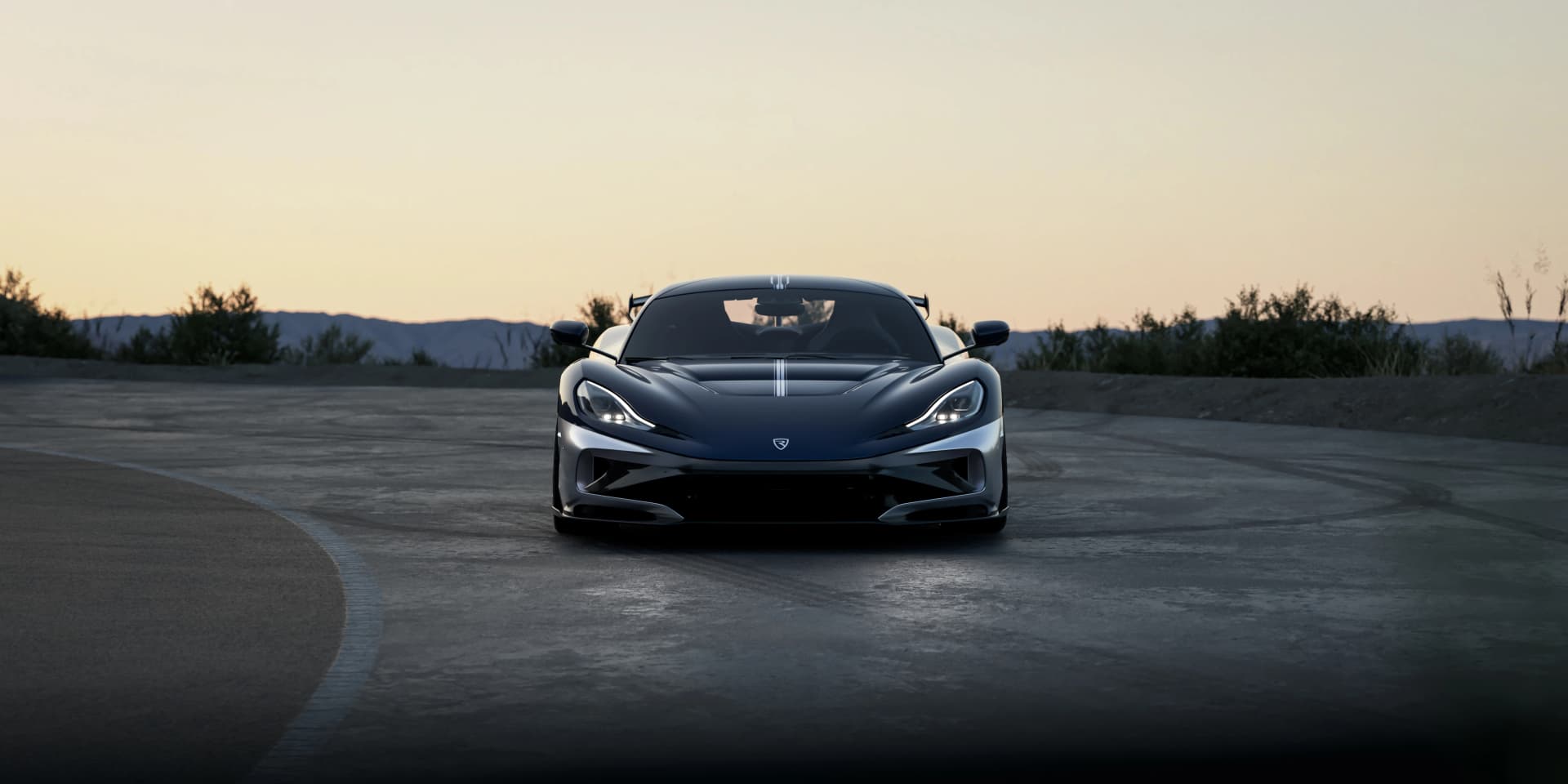
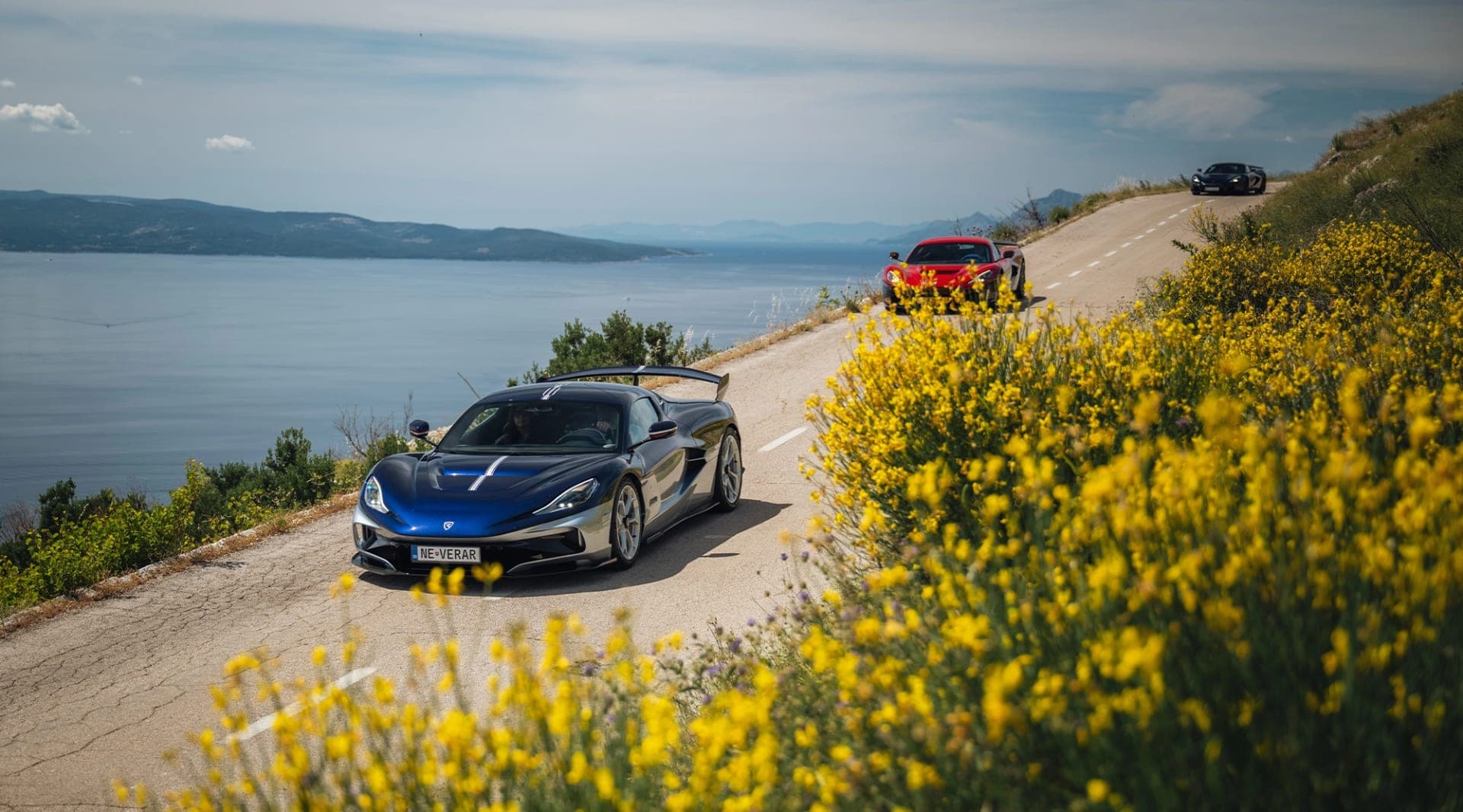
Rimac Automobili will stop building the Nevera once car number 71 is finished at the end of this year. Mate Rimac gives the count himself in an Instagram video: around 50 standard Neveras are built, and about 20 Nevera R are in production now. When the Croatian company launched the car in 2021 it planned 150 Neveras, and the later Nevera R carried a cap of 40.
Rimac Nevera: 71 cars built against a plan of 190
Rimac planned 190 Neveras across both versions and will deliver 71, or 37 percent of the plan. The standard car was capped at 150 when Nico Rosberg took delivery of car number one in August 2022, and in May 2024 Mate Rimac told a London conference that just over 50 had reached customers. The count has barely moved since, so the original Nevera found its buyers within two years and production of it effectively stopped there.
The Nevera R stops at about 20 of its 40 cars
The 2,107 hp Nevera R, unveiled at Monterey Car Week in August 2024 at €2.3 million, was announced as a 40-car series. About 20 will be built. Ten of those are the Nevera R Founder's Edition, configured with Mate Rimac in Zagreb and delivered by him personally, the first at The I.C.E. St. Moritz in January 2026. That leaves roughly ten regular Nevera R, fewer than the 12-car Nevera Time Attack edition of 2023.
One Rimac Nevera every three weeks, worth about €150 million
Rimac's assembly line was planned around roughly one car a week, shared with the Pininfarina Battista on the same platform. From the first customer delivery in August 2022 to the last car in December 2026 is about 53 months, so 71 cars works out at one every three weeks. At list prices of €2 million for the Nevera and €2.3 million for the R, the whole run is worth around €150 million before options, about what Bugatti takes for 40 Tourbillons.
Rimac Nevera records: 412 km/h in 2022, 431 km/h with the R
The Nevera proved what it was built to prove. It reached 412 km/h at Papenburg in November 2022, set 23 performance records in a single day in May 2023, and lapped the Nürburgring in 7:05.298 that August as the fastest production electric car. The Nevera R raised the top speed to 431.45 km/h and took 24 verified records in 2025. Mate Rimac's own Nevera has covered 40,000 km, an unusual figure for any hypercar.
Mate Rimac took the Nevera lesson to Bugatti
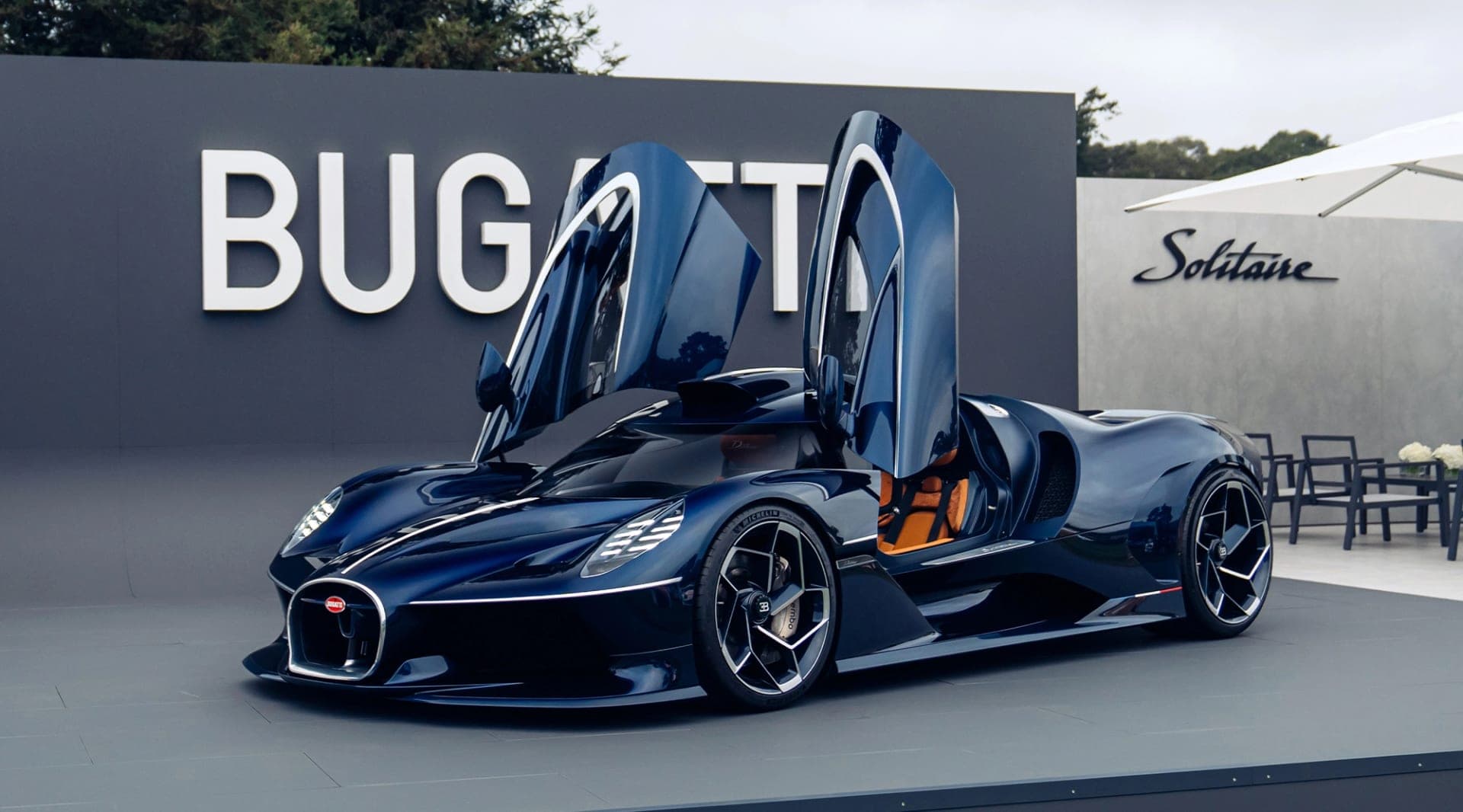
Mate Rimac read the slow Nevera sales before most of the industry did. He told the same 2024 audience that hypercar buyers wanted something more analogue, and Bugatti, which he has run since 2021, built the Tourbillon around an 8.3-litre V16 instead of going fully electric. All 250 Tourbillons are sold at €3.8 million each. Porsche has since sold its stake in Bugatti Rimac, leaving him in charge of both brands.
AutoNext Take
The Nevera missed its sales plan and still did its job. A start-up from a country with no car industry built the fastest electric production car in the world, sold 71 of them at €2 million or more, and used that credibility to take charge of Bugatti. Few failed product plans have bought that much.
The scarcity Rimac never planned for now works in the owners' favour. With fewer than half the intended cars in existence, expect the first Nevera R to reach a public auction before the end of 2028 to clear its €2.3 million list price. If it does, the Nevera will be remembered as a rare car rather than an unsold one.