Spyker keeps dying as a car company, so its comeback is to stop being one
Spyker is back again. The remarkable part is that it has finally stopped trying to be a car company.
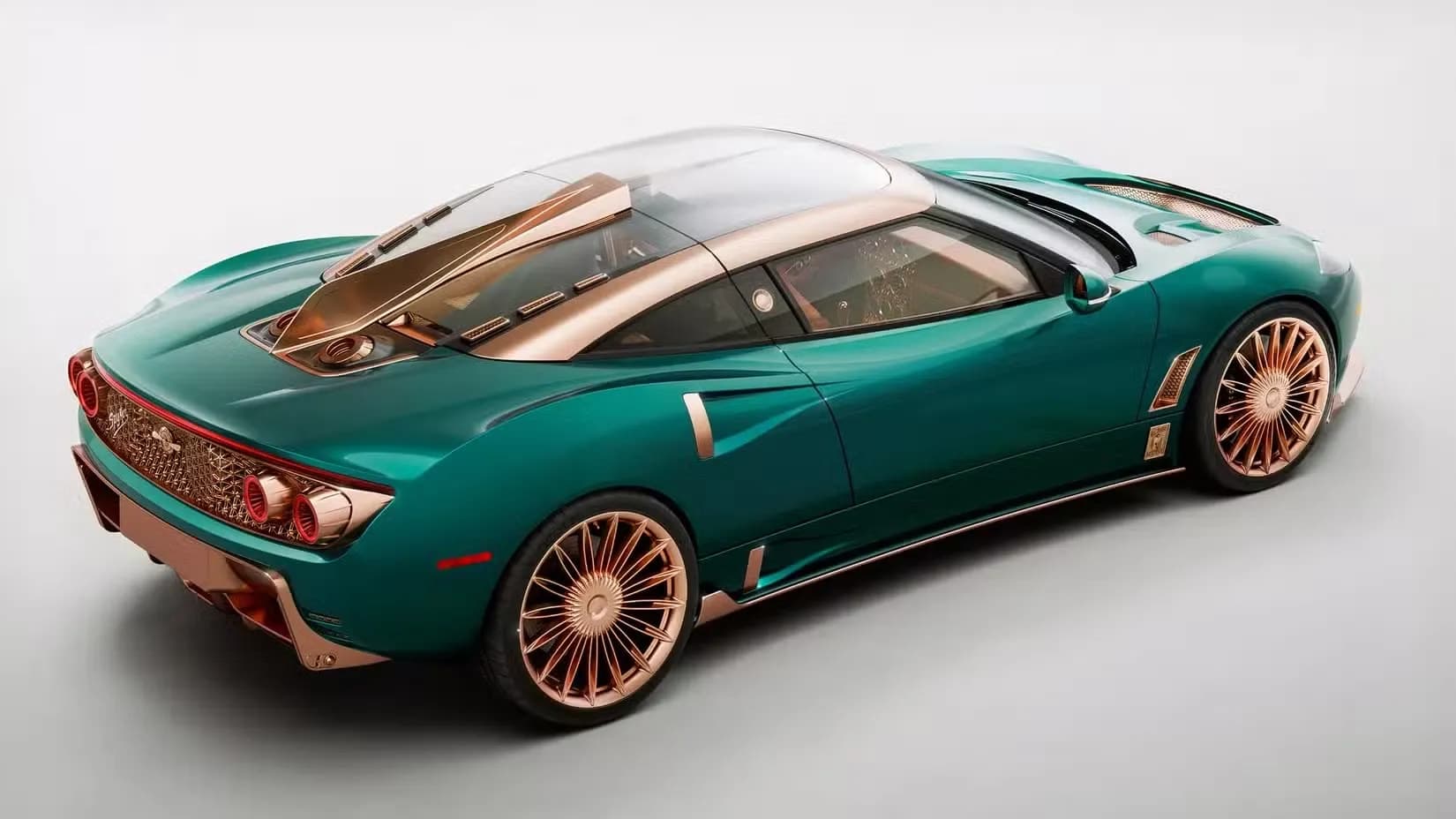
The Dutch have produced exactly one legendary supercar marque, and it has spent this century dying. Spyker, founded as a coachbuilder in 1880 and later a maker of aircraft, has gone bankrupt, been rescued, swallowed Saab whole, choked on it, and collapsed again, a cycle so reliable that a new Spyker is usually a reason for sympathy rather than excitement. So here is the new one, unveiled at The Quail during Monterey Car Week: the C8 Preliator XXV Coupé, an 800 hp, hand-built, manual-only hypercar limited to 25 cars, with founder Victor Muller back at the wheel. It is gorgeous, and the temptation is to roll your eyes at yet another revival. Do not. Because for the first time, Spyker's plan is not to become a car company. It is to stop being one.
An 800 hp car you have to shift yourself
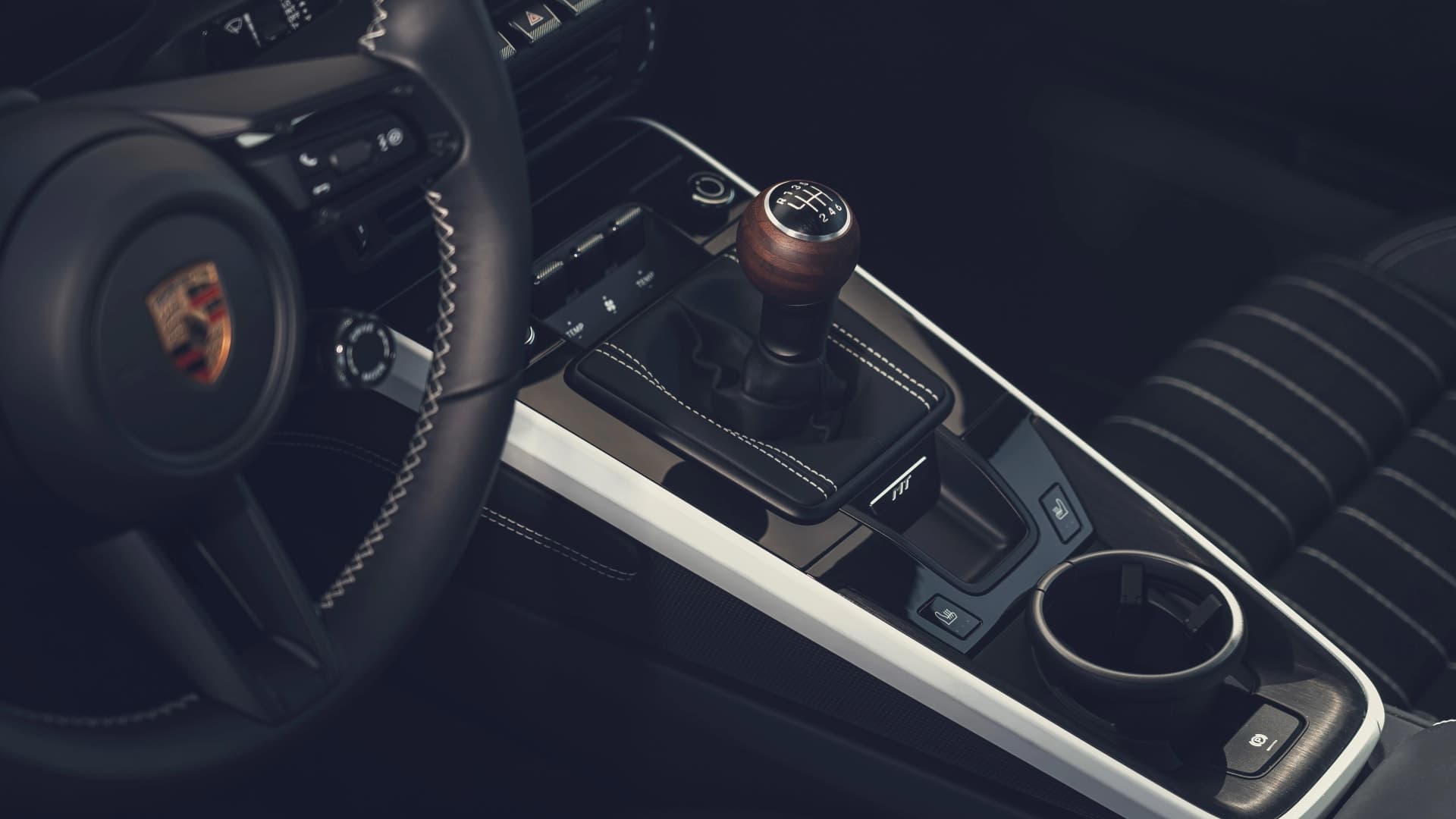
The specification reads like a deliberate act of rebellion. Under the hand-shaped aluminium body sits a 4.0-litre twin-turbo V8 making 800 hp and 1,000 Nm, spinning to 8,000 rpm, and it drives the rear wheels through a genuine six-speed manual gearbox. Not a manual mode, not paddles pretending to be a stick; three pedals and a fluted lever with a rose-gold bezel, exposed the way Spyker has always done it. Muller is unequivocal about the choice: "We deliberately chose a real manual transmission, not an automated imitation," he says, calling it what driving a sports car should be. Dry weight is 1,525 kg, 0 to 100 km/h takes 2.7 seconds, and the top speed runs beyond 350 km/h. The detailing is pure Spyker theatre: a central roof scoop feeding the engine, top-exit exhausts, aircraft-style NACA intakes and iso-grid patterns, turned-aluminium dials glowing green, analogue switches everywhere. Muller says each body takes around 2,100 hours to shape by hand, and only 25 will be built, the XXV of the name. Spyker has not confirmed a price, and given its history, delivery is the promise that matters most.
Every Spyker died of ambition
To see why this one is different, remember how the others died. Spyker's failures were never failures of taste; the cars were always beautiful. They were failures of scale. The company kept trying to be a proper manufacturer, chasing volume it could not fund, and its most spectacular mistake, buying Saab in 2010 in a doomed attempt to become a mainstream carmaker, nearly took everything down with it. Bankruptcy followed in 2014, then a string of revivals that struggled to ship a single car. The through-line is painfully consistent: every time Spyker reached for the size of a real car company, the economics of being one destroyed it. It could dream in coachbuilt aluminium and drown in the cost of a production line.
This time the smallness is the whole point
The C8 Preliator XXV inverts that logic completely. Twenty-five cars, 2,100 hours of hand work each, a manual gearbox nobody needs at 800 hp: none of this is scalable, and that is precisely the idea. Spyker is no longer selling transport, or even speed, since 800 hp buys you nothing rare in 2026. It is selling human hands and mechanical engagement to 25 people who specifically want them, exactly the pitch keeping the manual alive at Porsche and driving Gordon Murray's analogue hypercars. The gearbox is not a feature here; it is the thesis. By refusing to industrialise, Spyker turns its lifelong weakness, an inability to do volume, into the actual product, a thing that could never be mass-produced and is worth more for it.
A revival that has read its own history
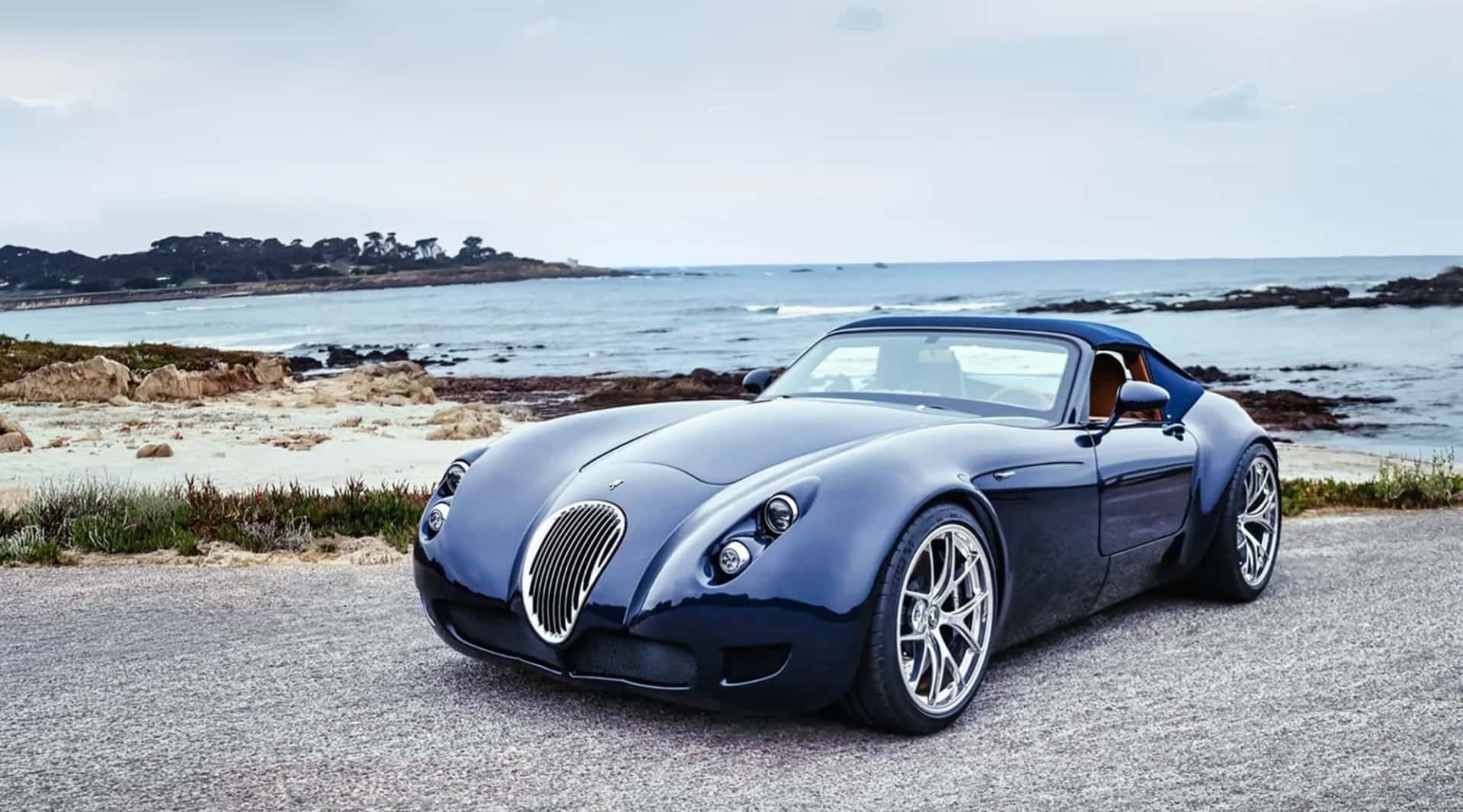
There is real poignancy in this. Spyker's old motto, borrowed from its aviation days, translates roughly as for the tenacious, no road is impassable, and the brand has spent twenty years proving how impassable the road really is. The XXV feels like the first Spyker to have read its own obituaries and learned from them, choosing the one lane it can actually hold: coachbuilt jewellery, sold in tiny numbers to collectors who value the hand and the hour above the spec sheet. It is a model that suits revived boutique marques far better than the mass market ever did, the same logic now bringing Wiesmann back from the dead. Whether Spyker can execute even this is an open question, and 25 cars are easy to announce and hard to deliver. But the strategy, for once, fits the company.
AutoNext Take
It is easy to be cynical about a marque that has cried comeback this often, and a healthy caution is earned; nobody should wire a deposit until cars are actually being delivered. But look past the announcement and the C8 Preliator XXV is the most sensible thing Spyker has ever done, precisely because it looks like the least sensible. An 800 hp manual coupe built by hand in a run of 25 is not a plan to conquer the car industry. It is a plan to survive by ignoring it, and that is the plan Spyker should have had all along.
The wider lesson runs beyond one small Dutch firm. As the mainstream races toward electric, automated, screen-led sameness, the survivable ground for a name like Spyker is not to compete on that battlefield but to sell everything the battlefield is abandoning: the manual, the metal, the visible mechanism, the human hour. Spyker spent a century trying to be a car company and kept dying. If this quiet, unscalable, gloriously stubborn little coupe is the version that finally lasts, it will be because Spyker at last understood that its future was never in building many cars. It was in building almost none.