Dutch regulators approved Tesla's self-driving software, then hid the reasons why
The Netherlands became the first EU country to approve Tesla's Full Self-Driving system in April 2026. Email correspondence obtained by Reuters now shows the regulator agreed, at Tesla's own request, to keep the entire safety case confidential
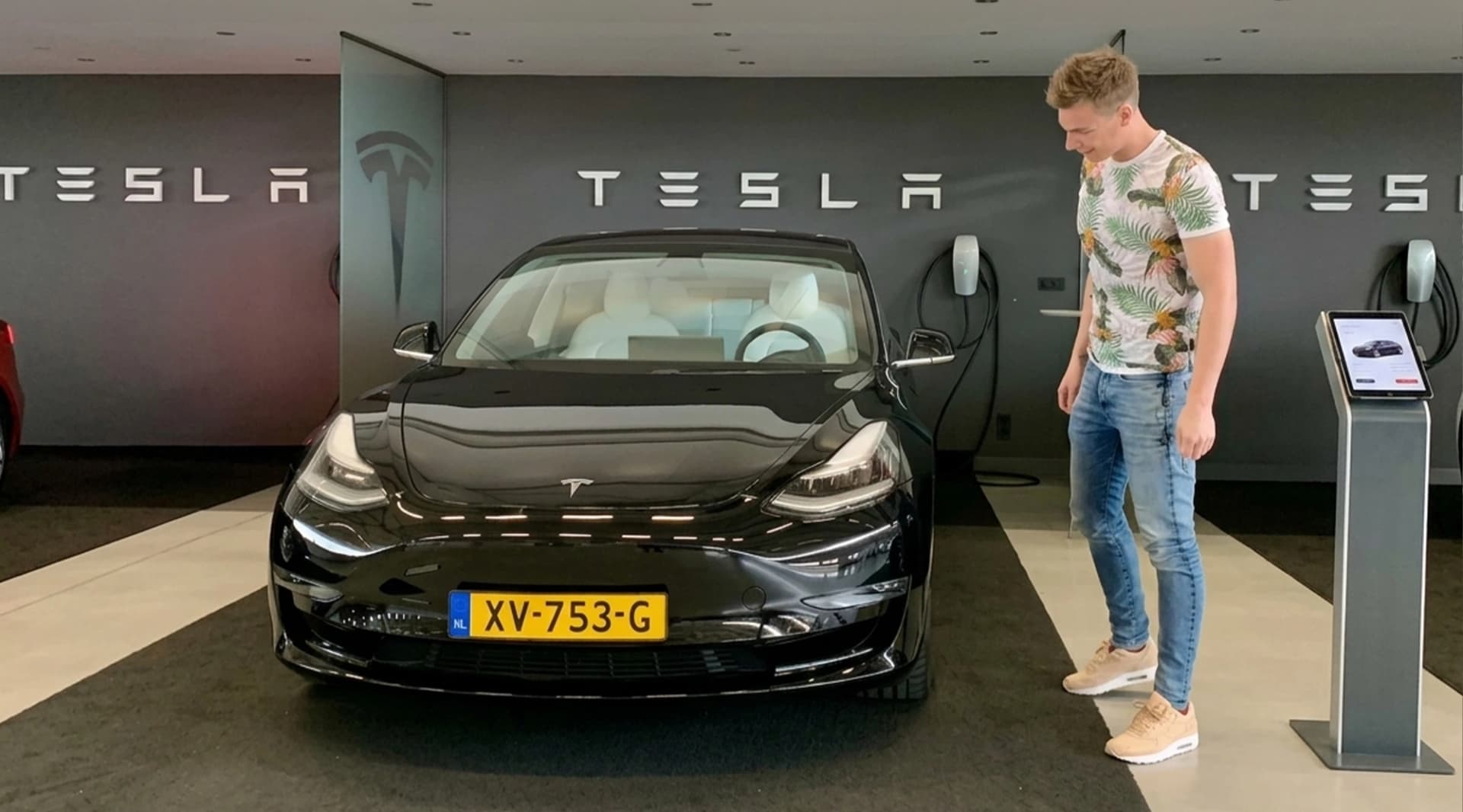
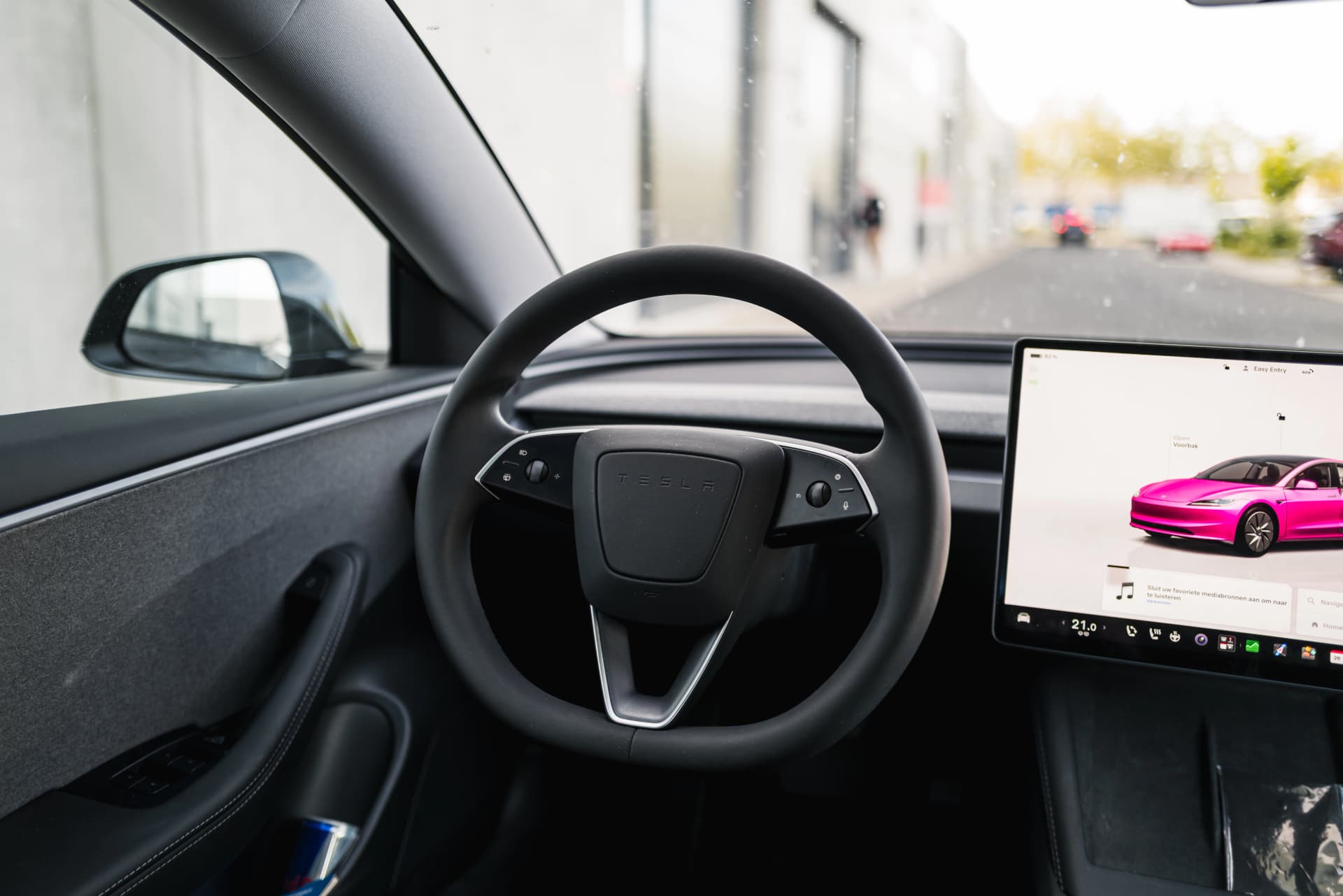
The Dutch vehicle authority RDW granted type approval to Tesla's FSD Supervised system on 10 April 2026, the first sign-off of its kind anywhere in the European Union. RDW will not say why it concluded the system is safe or how it tested it. Reuters has published email correspondence, obtained through a public records request, showing Tesla pressed RDW since late 2024 to keep the underlying documentation permanently confidential.

The confidentiality condition came from Tesla, not from RDW's own policy
In one exchange from April 2025, a full year before approval, a Tesla representative asked RDW to confirm the documentation would “never” be released and pressed the regulator on how it would ensure the material stayed “withheld from public disclosure.” Tesla reportedly told RDW it could not provide further information “until this matter is clarified,” effectively conditioning its cooperation on the secrecy commitment.
RDW says the secrecy protects Tesla's commercial interests, not its own
Asked by Reuters to explain the confidentiality, RDW said releasing the details would violate Tesla's commercial secrets, a justification that closely echoes the language Tesla itself used in its requests to the regulator. RDW is now pushing for the same FSD system to be approved across the entire European Union, a vote expected in October that needs support from countries representing 55 percent of member states and 65 percent of the bloc's population. Tesla has real motivation to see that vote succeed, with FSD central to its plan for regaining European sales momentum against Chinese rivals, at the same time as it already faces a separate wave of legal pressure from HW3 owners who feel Tesla failed to deliver on FSD promises made years earlier.
The Netherlands is far from alone in staying quiet
Germany, Denmark and Norway, along with three further countries Reuters did not name, have also declined to release their own FSD testing data. That pattern suggests the confidentiality Tesla negotiated in the Netherlands is closer to a template than a one-off arrangement, which matters more given the pending EU-wide vote than a single national approval would.
RDW insists its approval rests on its own testing, not Tesla's word
The Dutch transport minister defended the approval in parliament on 16 June, telling lawmakers RDW acted on its own independent findings rather than statistics supplied by Tesla. RDW cites more than 18 months of evaluation, over 1.6 million kilometres of test driving on public EU roads, more than 13,000 customer ride-alongs and 4,500 closed-track scenarios, satisfying more than 400 separate compliance requirements under UN Regulation 171 and an Article 39 exemption.
That defence sits awkwardly next to a separate finding from the same reporting
A June 2026 Reuters investigation found Tesla had shared misleading safety comparisons with EU regulators more broadly, measuring FSD-related airbag deployments against federal crash statistics covering all vehicles, including minor incidents, and benchmarking against the average American car over 12 years old rather than a comparably modern one. RDW's insistence that it tested FSD independently may well be accurate, but it does not undo the fact that Tesla's own numbers, submitted elsewhere in the same approval process across Europe, were found wanting.
AutoNext Take
Commercial confidentiality around proprietary software is normal, and no manufacturer hands over its source code to a regulator's press office. The problem here is specific: this is not a company protecting a trade secret from a rival, it is a public safety authority declining to explain, to the citizens who will share the road with these cars, why it decided a driver assistance system is safe enough for public roads.
RDW's own defence, extensive independent testing rather than reliance on Tesla's figures, would carry more weight if it were not surfacing in the same news cycle as a separate Reuters finding that Tesla's broader European safety claims used skewed comparisons. Even a genuinely rigorous national test programme becomes hard to trust from the outside when nobody outside RDW and Tesla is allowed to check the working. With an EU-wide vote due in October and at least five other countries keeping the same kind of documentation sealed, the Dutch approach looks less like an isolated exception and more like the model the rest of the bloc is about to inherit.