Tesla is boosting German production and adding 3,500 jobs while rivals cut
Someone in Germany is actually hiring
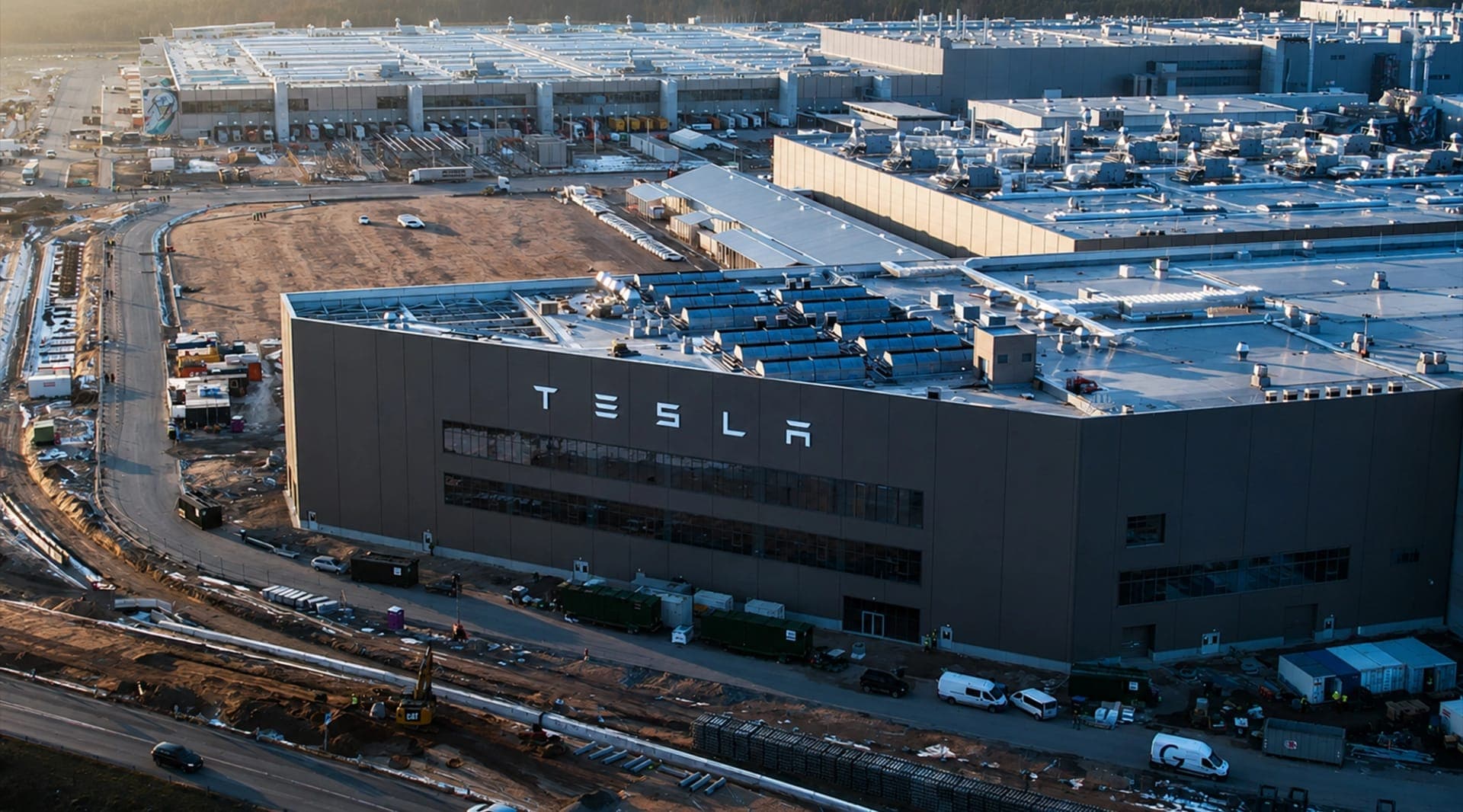
Amid a wave of German job-cut headlines, one carmaker is going the other way. Tesla plans to significantly increase production at its Gruenheide plant near Berlin and add 3,500 jobs, betting that demand for the Model Y is on the way back up.
The numbers behind the ramp-up
Tesla wants Gruenheide running at up to 7,500 vehicles a week during the 2026 financial year, which works out at roughly 375,000 cars annually. That would be a substantial step up from the roughly 202,000 built in 2025, itself down from about 211,000 in 2024. Tesla attributes that dip to model changeovers and the introduction of new variants rather than a collapse in interest, and says capacity utilisation should now rise as demand recovers and profits improve.
One model, thirty markets
Gruenheide, which opened in March 2022 as Tesla's only European factory, builds the Model Y exclusively and currently supplies more than 30 markets, with further territories to be added. Concentrating a single high-volume model in one plant is a big bet, but it also makes scaling far simpler than juggling multiple lines.
Jobs and vertical integration
The plant employed around 11,000 people including temporary staff at the end of 2025, and Tesla now plans to add 3,500 more. Alongside the headcount, the ambition is to integrate the entire value chain on site, from battery cells through to finished vehicles, with expanded cell manufacturing. That is exactly the kind of deep local investment European policymakers keep saying they want.
The financial picture
The German operation's accounts give a mixed but improving picture. Net profit for 2025 came in at 77.1 million euro, up around 20 million on the year before, even as revenue slipped to 7.1 billion euro from 7.7 billion. In other words, Tesla built and sold fewer cars in Germany but made more money doing it, which helps explain the confidence behind the expansion.
AutoNext Take
The timing of this is striking. In the space of a fortnight we have seen Volkswagen put tens of thousands of jobs on the table, Mercedes shift its electric C-Class to Hungary, and now Tesla announce 3,500 new hires in Germany. Whatever you think of the brand, committing to that scale of expansion, including battery cell production, is a genuine vote of confidence in German manufacturing at a moment when confidence is in short supply.
The caveat is that this is a target, not an achievement. Output actually fell last year, and 375,000 cars a year assumes a demand recovery that has to materialise in a European EV market where Tesla faces far more competition than it did in 2022. If the Model Y can hold its ground, Gruenheide will be a rare European industrial success story. We will be watching the quarterly numbers closely.