Volvo Gent's future is secured with a 119 million euro package, and it may build other brands
Rare good news for Belgian car manufacturing
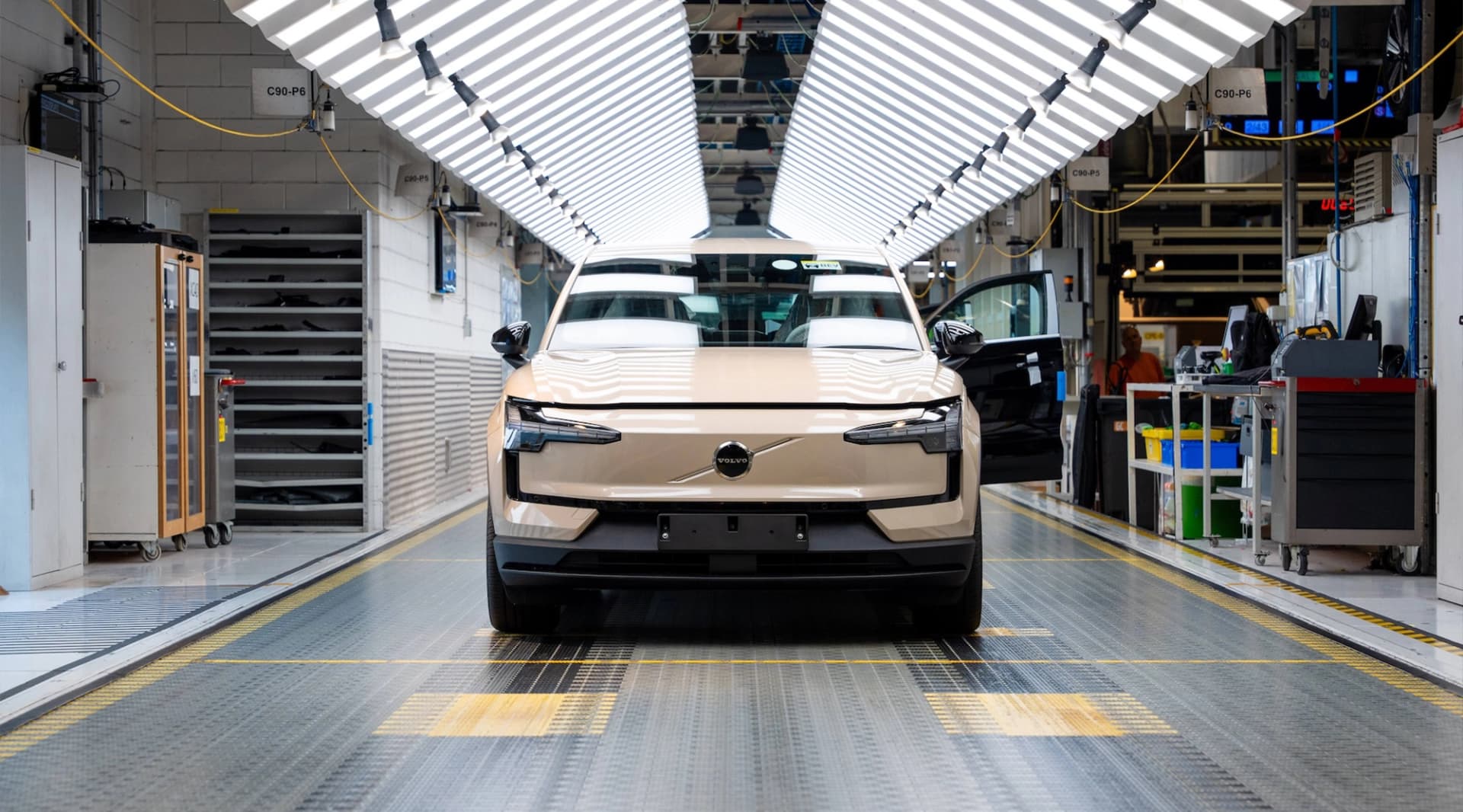
After weeks of grim headlines about European car plants, here is something genuinely positive, and it is on our doorstep. The Flemish and federal governments have put together a package worth up to 119 million euro to secure the future of Volvo Car Gent, one of Belgium's most important industrial employers.
What the money actually is
This is not a blank cheque. The package, worth up to 119 million euro from the Flemish and federal governments combined, is made up of support for training, for the green transition and for research and development. Crucially, it is conditional: the funds are only released once Volvo has actually delivered the investments it has promised. In other words, the taxpayer pays when the work is done, not before.
What Volvo commits to
In return, Volvo has pledged strategic investments intended to strengthen the plant's long-term competitive position and secure its future utilisation, with the stated ambition of developing Ghent into a major hub for electric vehicle production running at maximum capacity. Around 6,500 people work at the site, which sits within a Belgian automotive sector that supports roughly 42,000 jobs across more than 450 companies.
It could build more than Volvos
The most intriguing detail is what else could roll down the line. Volvo has indicated that other brands from parent company Geely's portfolio could be assembled in Ghent, with Polestar, Lynk & Co and Zeekr all named as possibilities. That would be a significant shift, turning the plant into a multi-brand European production base rather than a single-marque site, and it is exactly the kind of flexibility that keeps a factory busy when one brand's demand dips.
What the politicians say
The tone from government has been notably confident. Prime Minister Bart De Wever said the factory's future is secured, adding that after months of negotiation to create the right conditions for investment, the plant is "not only saved, there will even be growth." Flemish Minister-President Matthias Diependaele noted that Volvo clearly intended to work on productivity, and that the region had convinced the company it can provide significant know-how in Flanders.
AutoNext Take
This is a genuinely welcome result, and the contrast with the rest of Europe could hardly be sharper. In the same fortnight that Volkswagen put up to 100,000 jobs on the table and Mercedes opened a vast new plant in Hungary while asking German staff to work longer for the same money, Belgium has managed to lock in its biggest car factory. Tying the money to delivered investment rather than promises is the right way to do it.
The multi-brand possibility is the part that really matters long term. A plant that can build Polestars or Zeekrs alongside Volvos is far harder to close than one dependent on a single badge. For 6,500 families in East Flanders, and for a Belgian industry that too rarely makes headlines for good reasons, this is a very good day.