Tesla Model S and Model X end production: the EVs that changed everything are gone
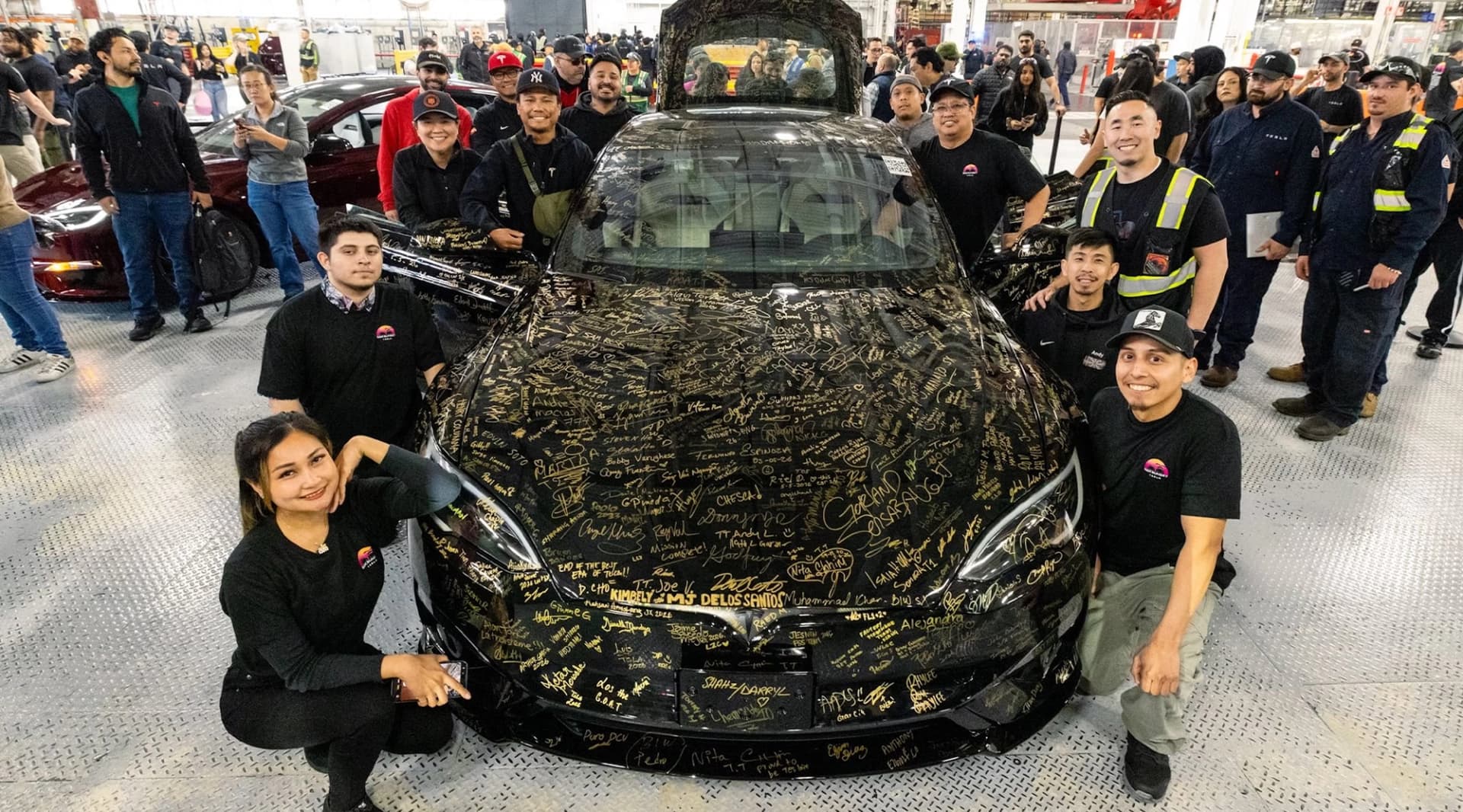
The Tesla Model S is dead. So is the Model X.
Tesla has officially ended production of both models at its Fremont factory in California, closing the book on two cars that helped move electric vehicles from niche curiosity to mainstream ambition. The Model S ran for 14 years, while the Model X lasted 11 years.
And even if you dislike Tesla, Elon Musk, touchscreen interiors, yokes, panel gaps or the whole Silicon Valley car-company theatre, one thing is difficult to deny: the Model S changed the automotive world.
The car that made EVs desirable
Before the Model S arrived in 2012, electric cars were mostly treated as compromises. The Model S changed that almost overnight. It was fast, clean-looking, long-range, spacious, tech-heavy and genuinely different from anything traditional manufacturers were selling at the time.
The Model S did not ask people to accept less because they wanted electric. It made electric feel like more. More acceleration, more technology, more silence, more future.
The Model X was stranger, but it mattered too
The Model X never had the same clean purity as the Model S. It was heavier, more complicated and visually less elegant. The falcon-wing rear doors were part innovation, part theatre, part engineering headache. But they also made the Model X unforgettable.
The Model X brought Tesla’s performance EV formula into the family SUV space. It showed that an electric SUV could be fast, practical, futuristic and absurd at the same time. It may not have been the most beautiful Tesla, but it became one of the most recognisable.
Why Tesla killed them
The official reason is strategic focus. Tesla is expected to repurpose part of the Fremont factory for its Optimus humanoid robot programme, as Elon Musk has been pushing Tesla further towards robotics, AI and autonomy rather than traditional car development. Declining demand for Model S and Model X also played a role, as Tesla’s volume business has shifted decisively to the Model 3 and Model Y.
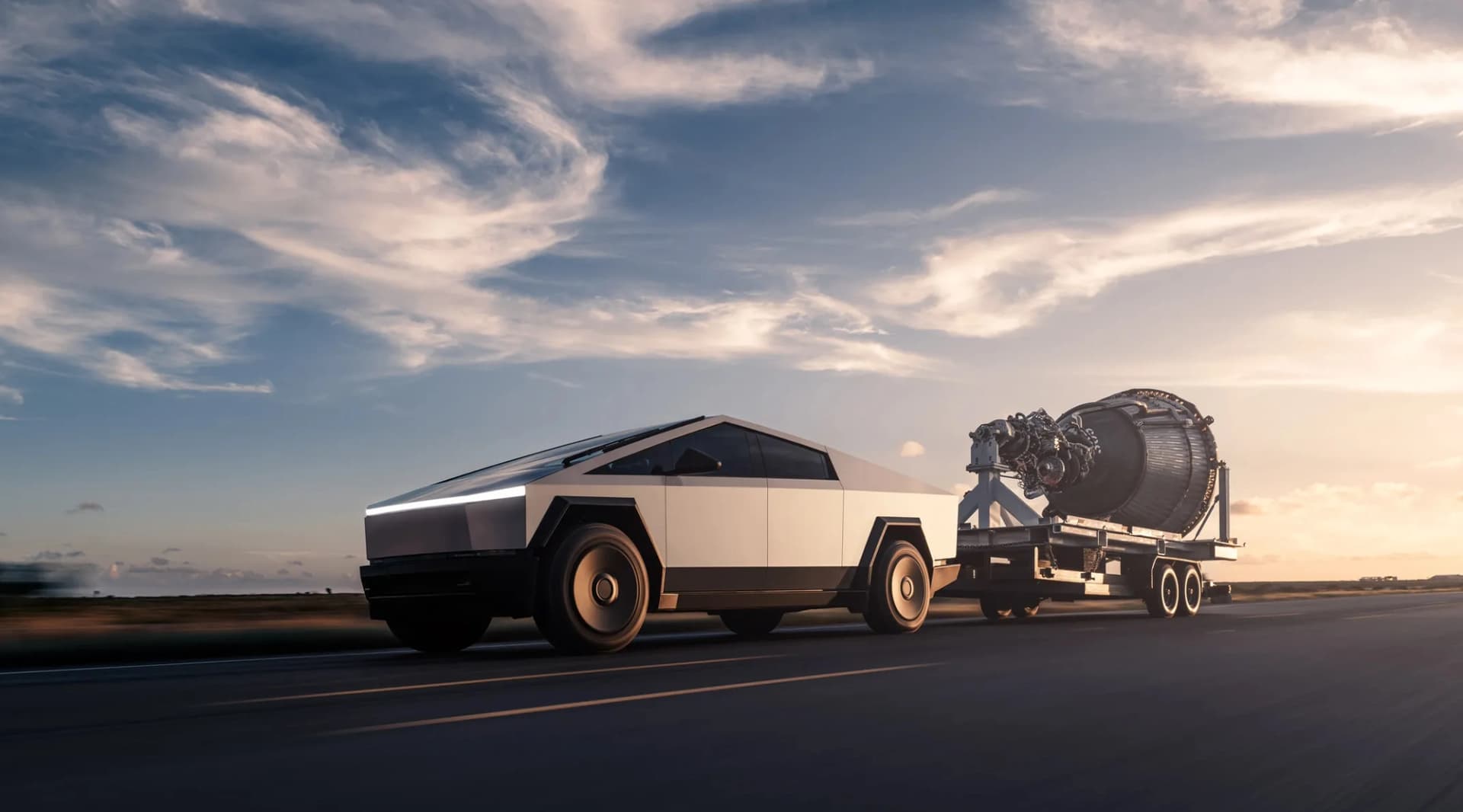
That is the brutal reality. The Model S and Model X built Tesla’s reputation, but they no longer built Tesla’s business. The Model 3 and Model Y became the global volume machines. The Cybertruck became the attention magnet. Robotaxis, autonomy and Optimus became the investor narrative.
The legacy is bigger than Tesla
This is the part that matters most. The Model S did not just change Tesla. It forced everyone else to move. Porsche eventually built the Taycan. Mercedes developed the EQS. BMW accelerated its electric luxury strategy. Audi created the e-tron family. Lucid arrived with the Air.
Even brands that would never admit it publicly had to respond to the fact that a California startup had made the electric luxury sedan desirable before they did. The Model S made the old industry look slow and once that happened, the future became impossible to ignore.
AutoNext Take
Tesla never gave these cars the second-generation reinvention they deserved. The Model S especially should have received a proper successor: lower, sharper, more efficient, more luxurious, better built and emotionally more mature. Instead, Tesla let it age while chasing volume, autonomy and robotics.
That may be rational from a business point of view. But emotionally, it feels like a missed opportunity. Because the Model S was not just another Tesla, it was the car that made Tesla believable.