The EV that is actually saving the planet's oil is not the one in your driveway
The single biggest dent in global oil demand this year was not made in a European showroom.
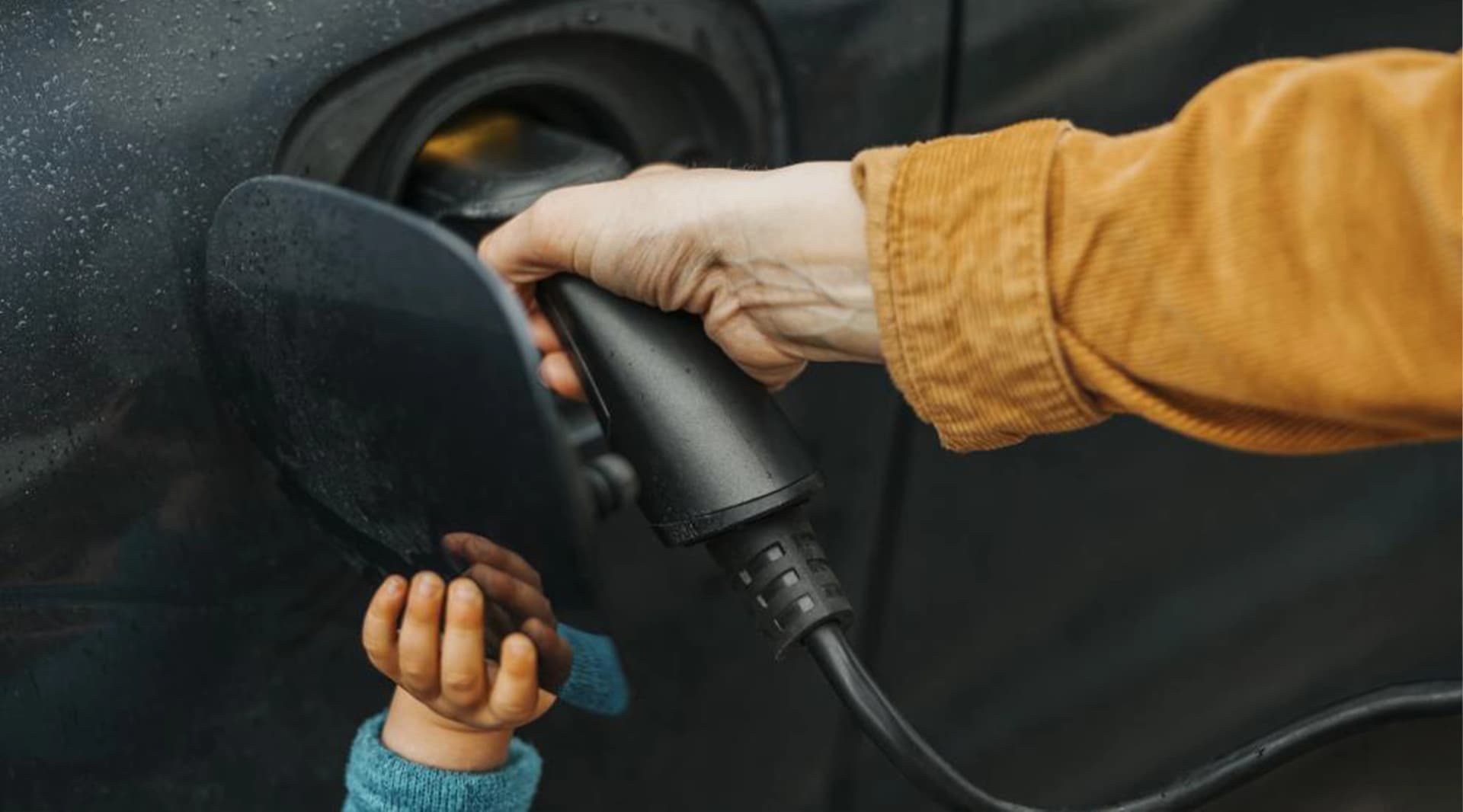
Electric and plug-in hybrid vehicles cut global oil demand by 2.3 million barrels a day in 2025, according to a BloombergNEF report published in March. That is a genuinely enormous number, and it gets quoted constantly as proof that electrification is already winning the fight against oil. What gets quoted far less often is where that saving actually comes from, and the answer complicates the story that most European EV owners tell themselves about their own contribution.
The number that gets quoted, and the number that gets left out
Of that 2.3 million barrels a day, passenger plug-in cars, the Teslas, the BYDs, the Volkswagens people actually drive to work, account for 741,000 barrels. Electric scooters, mopeds and three-wheelers, overwhelmingly in Asia, account for 1.1 million barrels on their own, more than passenger cars manage. The rest comes from buses and other electrified transport that rarely make it into a press release. In other words, the vehicle doing the most damage to global oil demand right now is not parked in a driveway in Antwerp or Amsterdam. It is a scooter in Jakarta, Hanoi or Delhi.
None of this means your EV was a waste of money
This is the point where it is easy to overcorrect, and that would be a mistake too. Global EV and plug-in hybrid sales grew 20% in 2025 to 20.7 million units, with Europe up 33% to 4.3 million and China up 17% to 12.9 million, and BloombergNEF expects the daily oil savings from electrified transport to more than double to 5.3 million barrels by 2030 as that passenger car share keeps growing. An EV bought today still lowers a household's fuel bill, still cuts local emissions, and still shifts the market in a direction that will matter more with every year that passes. None of that is in question. What is in question is the specific claim that buying one is, right now, the thing doing the heavy lifting against global oil demand.
The marketing sells passenger cars, the data rewards someone else's scooter
There is an obvious reason the passenger car gets the credit and the scooter does not: that is where the margin is, and that is where the subsidy budgets go. A cheap electric moped in Vietnam does not need a glossy launch event, and it barely troubles anyone's carbon accounting slide deck, even though it is quietly outperforming the family SUV parked outside a European dealership. Recent European sales figures have been genuinely impressive, and it is worth being honest that some of that impressive growth papers over softer numbers elsewhere. German research has already shown some plug-in hybrids use up to 300% more fuel in real-world driving than their advertised figures suggest, which means even the 741,000 barrels credited to passenger cars may be optimistic.
If oil savings is really the point, the incentives are aimed at the wrong vehicles
Fuel duty in Belgium and the Netherlands remains among the highest in Europe, and prices at the pump have pushed past €2.49 a litre in the current oil crisis, both of which give European buyers a very personal reason to want an EV to be the hero of the oil story. But personal cost relief and global oil displacement are two different arguments, and conflating them leads to policy that subsidises premium passenger EVs in wealthy markets while the cheapest, highest-impact swap, replacing combustion two-wheelers in Asia, gets comparatively little attention or investment for the barrels it actually saves.
AutoNext Take
Buy the EV if it makes sense for your driving, your budget and your conscience. All three are legitimate reasons on their own, and none of them need the oil argument to hold up. But stop repeating the version of the story where your personal switch is what is moving the needle on global oil demand, because the numbers say otherwise, and they have said so clearly since March.
The vehicle actually beating oil right now does not have four wheels, does not have a badge anyone brags about, and is not going to show up in a manufacturer's keynote. It is a scooter, and it deserves more credit than it gets.