Verstappen's Red Bull loyalty reportedly comes with a 462 million euro price tag
Nobody at Red Bull is confirming the numbers, and the ones doing the rounds do not line up.
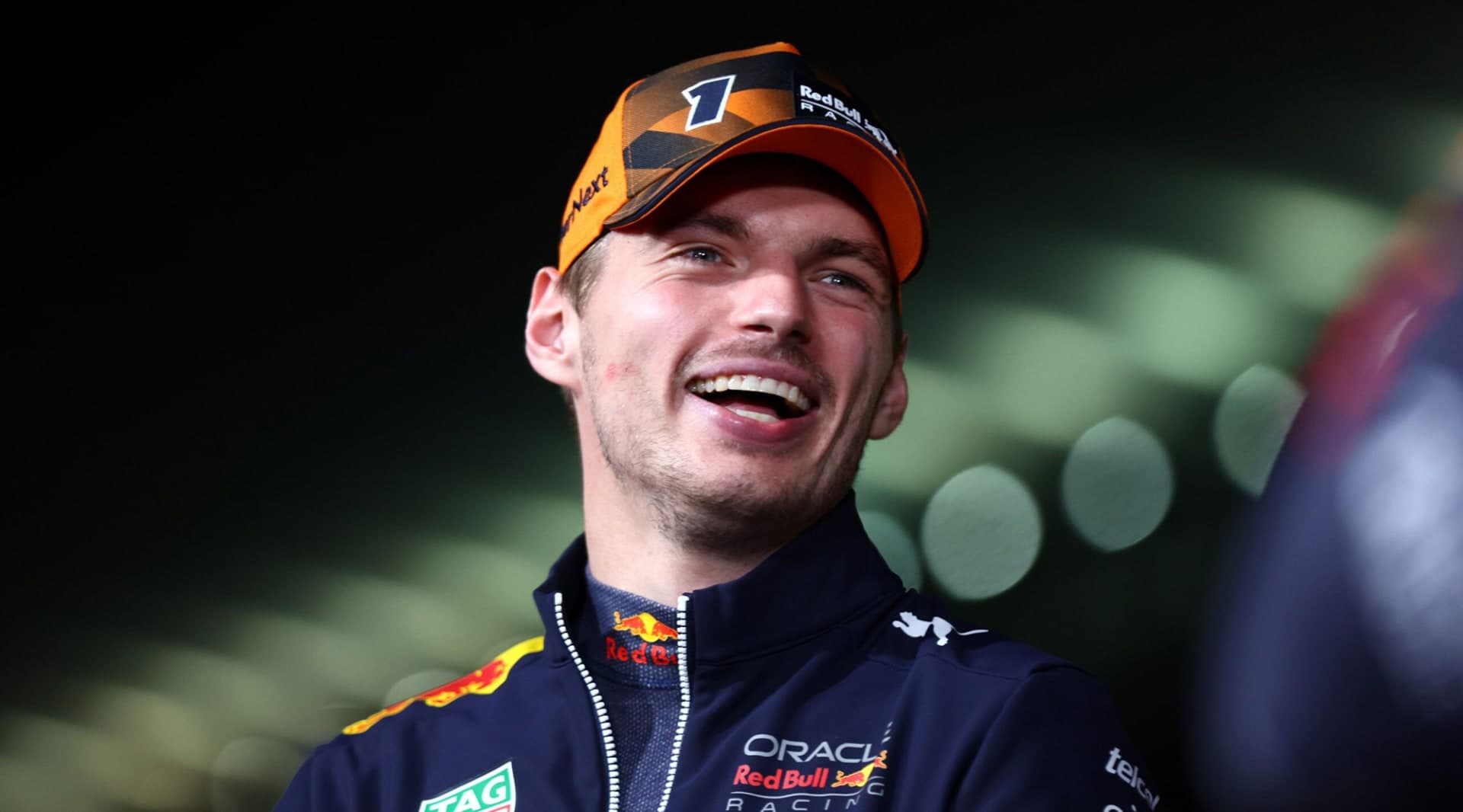
Max Verstappen's contract extension to the end of 2030 has set off a second story: what it is worth. Several outlets have put figures on the deal, and while they vary, they all point in the same direction, towards one of the most expensive driver contracts Formula 1 has ever seen. None of it is official.
What is being reported
The numbers span a wide range. Some reports put Verstappen's annual salary at around 70 million dollars, while others go considerably higher, citing a base of roughly 92 million euros a year from 2027, rising towards 115 million euros a season once bonuses are included. The total value of the deal has been reported at 462 million euros, which is where the “half a billion” headlines come from. Take your pick, because the sources certainly have not agreed on one.
None of it is confirmed
This is the part that matters. Formula 1 teams almost never disclose driver salaries, and neither Red Bull nor Verstappen's camp has put a figure on this deal. Every number in circulation is an estimate or a report, not a confirmed fact, and the gap between the lowest and highest of them is itself the giveaway that this is informed guesswork rather than a leaked contract. Treat all of it carefully.
Why the scale is still believable
Even with the caveats, the broad picture holds up. Verstappen is a four-time world champion who has just chosen to stay with a team in a competitive dip, and keeping him was clearly Red Bull's single biggest priority. A driver with that much leverage, re-signing when rivals were openly circling, was always going to command a figure at the very top of the grid. Whether it is 70 or 115 million a year, it is a number built on how badly Red Bull needed this signature.
AutoNext Take
The precise figure is almost beside the point. What the reported numbers actually measure is leverage, and Verstappen had more of it than any driver in the sport. He could have walked, the whole paddock knew it, and Red Bull paid whatever it took to make sure he did not. That is what a genuine number one costs when he holds all the cards.
The more interesting question is what Red Bull now owes itself. Having committed this kind of money to a driver through 2030, the pressure to hand him a winning car again is enormous, because a contract this size looks very different attached to a title challenger than to a man finishing fourth. The salary is the easy part. Justifying it is the hard one.