Porsche sales continue to slide. What’s happening in Stuttgart?
For decades, Porsche seemed almost untouchable in the automotive world.
But the past year tells a different story. The Stuttgart-based sports car maker has reported another sharp decline in global sales for the first quarter of 2026, extending the downturn that already defined a difficult 2025. And the reasons behind it reveal how dramatically the luxury car market is changing.
A sharp drop in deliveries
In the first three months of 2026, Porsche delivered 60,991 vehicles worldwide, a 15 percent decline compared with the same period in 2025. The drop follows an already disappointing 2025, when global deliveries fell to 279,449 vehicles, more than 10 percent lower than the year before.
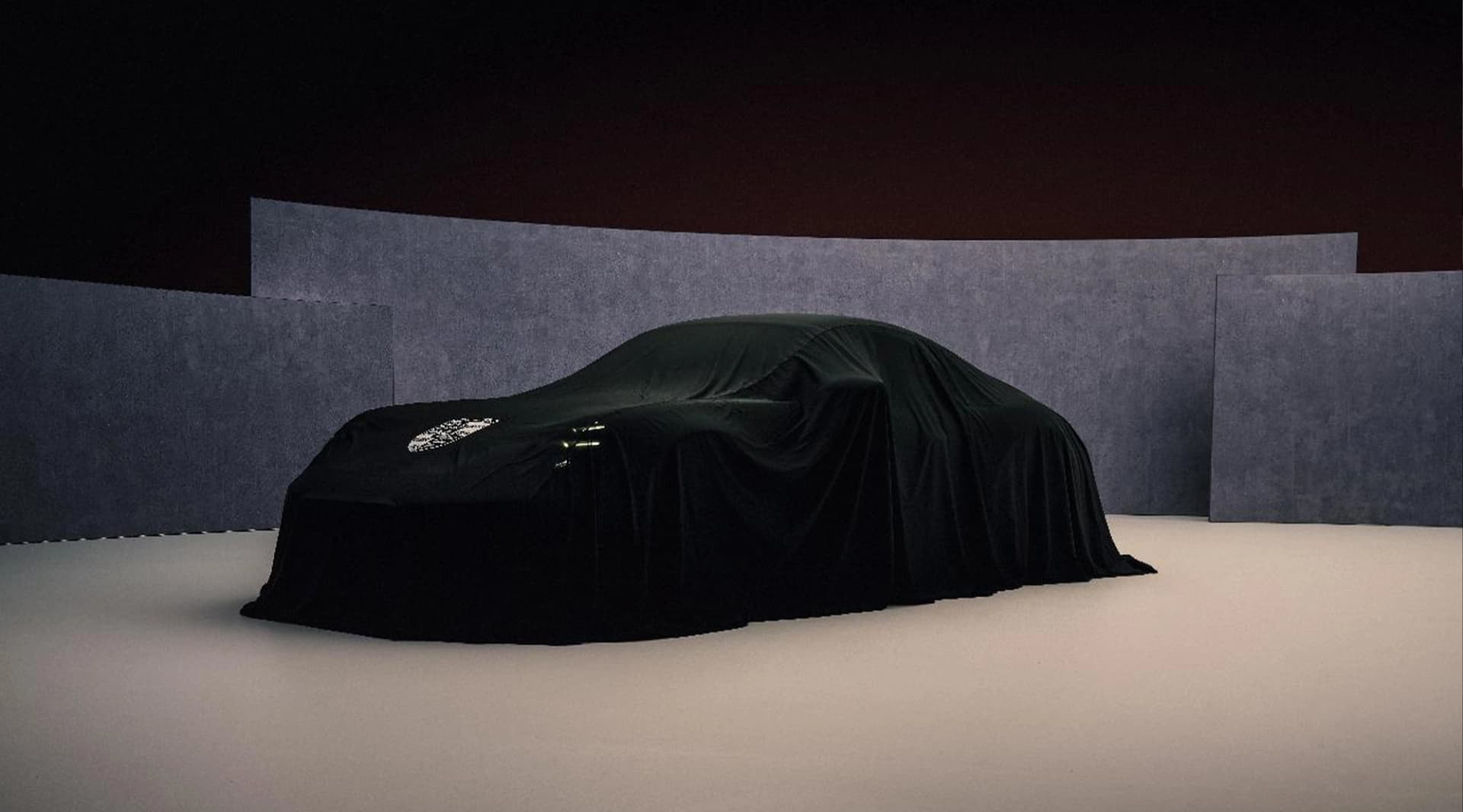
Part of the decline is linked to product strategy. Porsche has stopped producing the combustion-engine versions of the Porsche 718 Cayman and Porsche 718 Boxster, creating a temporary gap before their upcoming electric successors arrive. At the same time, external factors are beginning to affect demand in key markets.
U.S. policy changes hit demand
The United States remains Porsche’s largest market, with 18,344 vehicles sold in the first quarter of 2026, but that figure still represents an 11 percent decline year over year. One of the main reasons is the removal of tax incentives for plug-in hybrid and electric vehicles under the administration of Donald Trump.
Those incentives previously helped justify the higher prices of electrified models such as the Porsche Taycan or hybrid versions of the Porsche Cayenne. Without them, demand appears to be cooling in a segment where vehicles already sit firmly in the six-figure range.
Weakness across global markets
The slowdown is not limited to the United States. In Europe (excluding Germany), Porsche deliveries dropped 18 percent, while China recorded a steep 21 percent decline in the first quarter of 2026.
Only Germany showed modest growth, with sales increasing by 4 percent in Porsche’s home market. The figures highlight how even the strongest premium brands are now facing headwinds from economic uncertainty, shifting incentives and changing consumer behaviour.
Profit margins under pressure
Even more concerning for Porsche is the impact on profitability. In 2024, the brand reported operating profits exceeding €5.6 billion, with margins that ranked among the best in the automotive industry.
By 2025, however, operating profit had dropped to €410 million, leaving Porsche with a margin of just 1.1 percent per vehicle, compared with 14 percent a year earlier. For a company long considered the financial powerhouse within the Volkswagen Group, the shift is dramatic.
A shift toward exclusivity
To respond to the downturn, Porsche has already announced major restructuring measures. The company plans to cut around 10 percent of its workforce by 2030, while the wider Volkswagen Group is considering eliminating up to 50,000 jobs as part of a broader transformation.
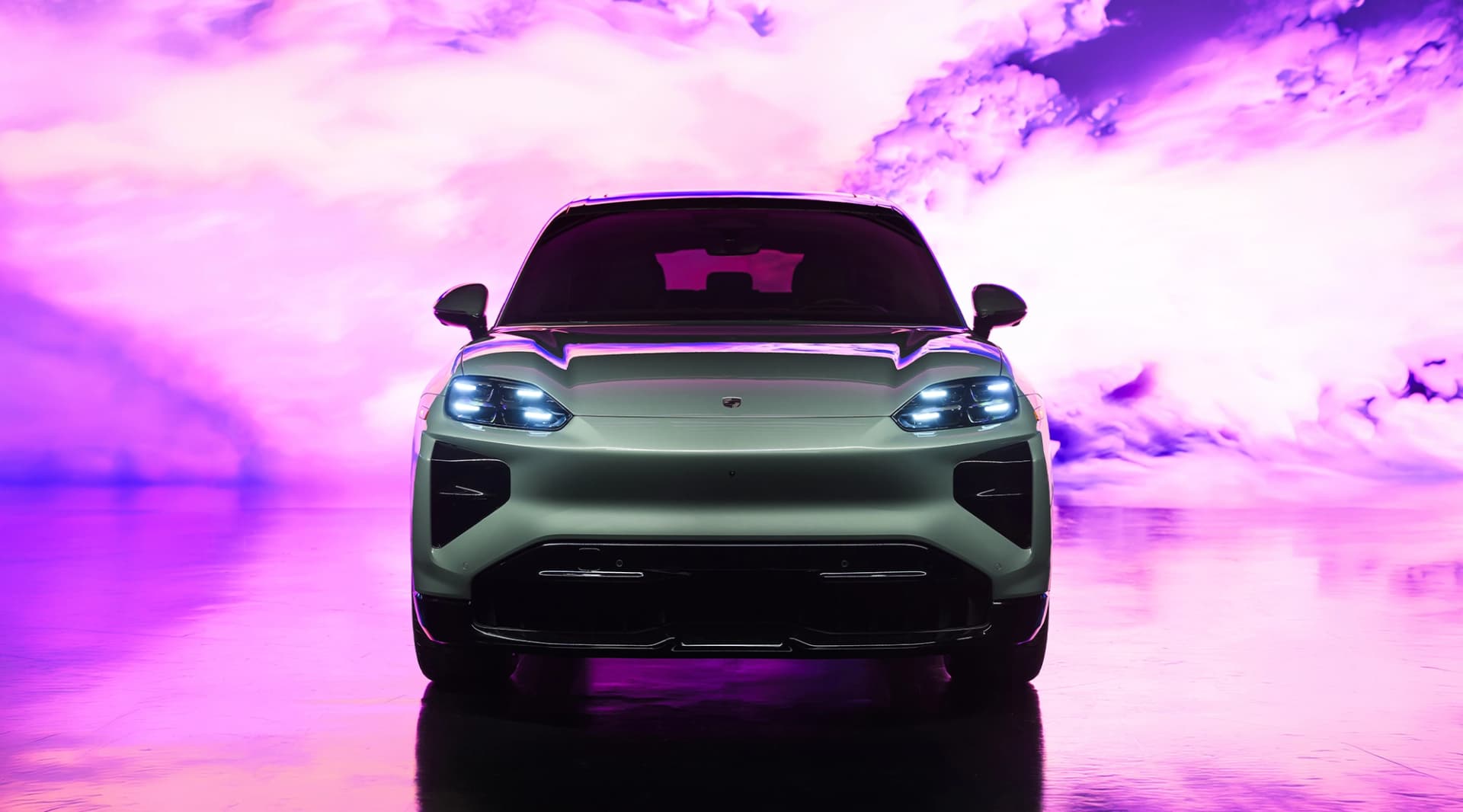
At the same time, Porsche appears to be adjusting its strategy. Rather than focusing on ever higher sales volumes, the brand is placing more emphasis on profitability and personalisation, offering customers increasingly bespoke and customised vehicles. The upcoming next-generation electric Cayenne, produced in Slovakia, is expected to play a key role in that shift.
AutoNext Take
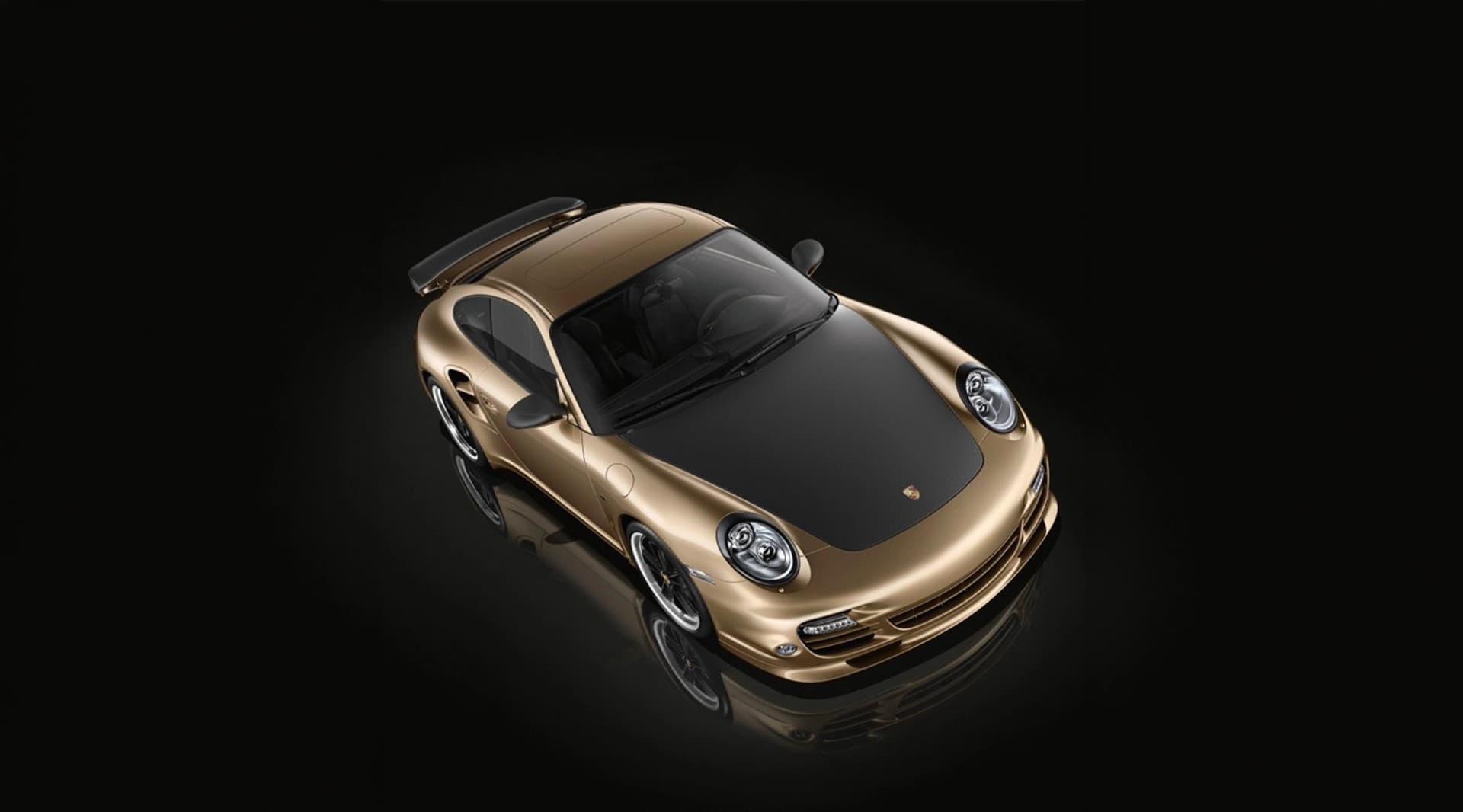
For years, Porsche mastered the balance between heritage sports cars and modern business success. Models like the Porsche 911 built the brand’s reputation, while SUVs such as the Cayenne and Macan drove global growth. Today, the situation is more complex.
Electrification, policy changes and global economic uncertainty are reshaping the premium automotive market faster than many expected. Ironically, Porsche’s response (focusing on exclusivity rather than volume) may bring the brand closer to its original philosophy.
After all, Porsche was never meant to be the biggest sports-car manufacturer in the world. It was meant to be one of the most desirable.