The button that shuts the traffic out of your car starts working against you after a few minutes
It is the only button on your dashboard that cleans the air you breathe and spoils it at the same time.
The recirculation button does exactly one mechanical thing: it closes a flap. Normally your ventilation pulls outside air in through the grille at the base of the windscreen, which sits at roughly the height of the exhaust pipe of the car in front, which is why particle counts measured inside a car in traffic are routinely higher than the readings taken on the pavement beside the same road. Close the flap and that intake stops. The same air then circles through the cabin and back through the filter, and the fine particles queuing to get in stay outside: measurements on cars in traffic put the indoor to outdoor ratio for PM2.5 at around 0.10 to 0.13 on full recirculation, meaning roughly nine tenths of what is out there never reaches your lungs. The cost is the part nobody presses the button for. That same sealed loop keeps in what the occupants breathe out. With two people aboard, cabin CO2 passes 2,500 ppm inside 15 to 20 minutes, and with four adults a Swedish sensor manufacturer measured 2,500 ppm after five minutes and 6,000 ppm after 22. Concentration, reaction time and the plain sense of being awake all start to slide well before the upper end of that range, which is the exact opposite of what you wanted when you shut the traffic out.
Why the air inside your car is dirtier than the air beside it
A car is not a bubble. It is a box with a fan that draws in whatever is directly ahead of it, and in a queue that means you inherit the exhaust of the vehicle in front rather than the average air of the city you are driving through. The numbers that matter here are not averages at all, they are peaks. A tunnel, an underground car park, a minute behind an older lorry or a bus pulling away from a stop, or the stretch of a jam where nothing moves and everything idles, each produce a short spike many times higher than the level your ventilation was designed around. Those spikes are also where you spend the most time breathing at close range, because a traffic jam is not a place you drive through quickly. Recirculation is the only tool the car gives you against them, and it works within about a second of pressing it, which is why the timing of the press matters more than anything else in this article.
What recirculation costs you: first your alertness, then your windscreen
Carbon dioxide is the first bill. An adult at rest exhales enough of it to lift a small sealed cabin past 1,000 ppm in a couple of minutes, and the research on cognition consistently finds decision making, response time and vigilance degrading from somewhere around 1,000 to 2,500 ppm upwards. Nothing in the car measures this, and the symptom you notice is not stuffiness but a mild, deniable urge to yawn. The second bill is water. Every breath carries moisture, wet coats and shoes release more, and with the flap closed all of it stays in the cabin until the glass reaches dew point and the windscreen fogs from the inside. That is a visibility problem the moment the weather turns, and it arrives fastest in exactly the conditions where you need to see clearly, such as the first rain after a long dry spell. Most modern cars know this and cancel recirculation automatically the moment you select the windscreen demist setting, which tells you plainly what the manufacturer thinks of using it in the damp.
The best climate systems only close the flap halfway
The full open or full closed choice on a manual dial is a crude version of what the problem actually needs, and the research says so. Work on partial or fractional recirculation found that recirculating around 70 percent of the ventilation air cut fine particle concentrations by 55 percent with a new filter and 39 percent with a used one, while leaving enough fresh air coming in to hold CO2 down. That is most of the clean air benefit without the drowsiness, and it is why automatic climate control with an air quality sensor, which sniffs for hydrocarbons and nitrogen oxides and closes the flap partly and briefly on its own, is worth using instead of overruling. It also explains why cabin CO2 in a moving car tends to plateau rather than climb without limit: almost no recirculation flap seals completely, and the leak is doing you a favour. There is a second reason your car likes recirculation, which is energy. Reheating or rechilling air you have already treated costs far less than treating fresh outside air, and in an electric car that saving lands directly on winter range, in the same way preconditioning the battery before a fast charge does at the other end of the journey.
The filter behind your glovebox is what makes the button work
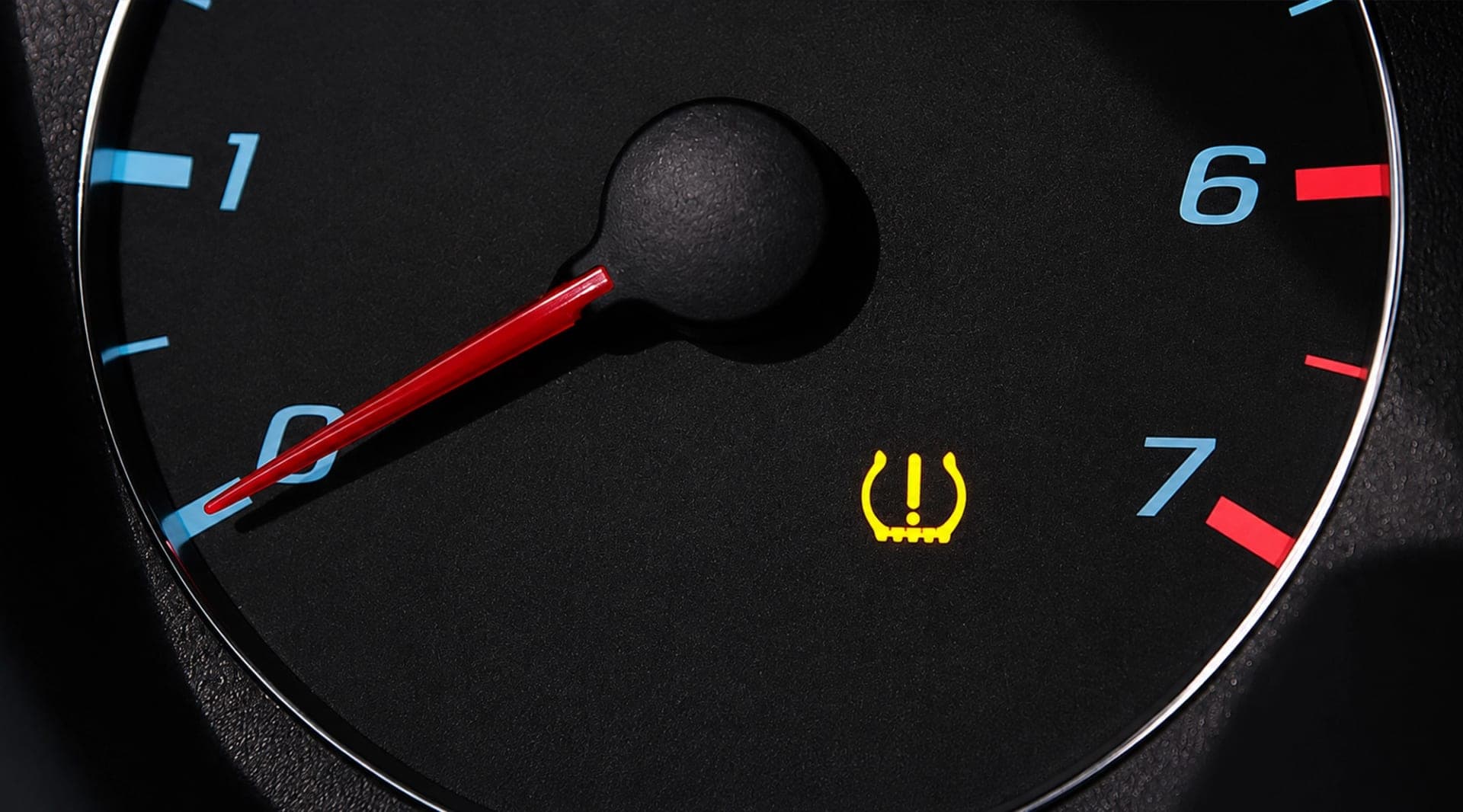
None of the above happens without a cabin filter in reasonable condition, because recirculation cleans the air by passing it through that filter over and over. A standard particle filter catches dust, pollen and soot; an activated carbon version also adsorbs gases and smells, which is the half that deals with the diesel in front of you rather than just the dust behind it. Most manufacturers ask for a replacement once a year or somewhere between 15,000 and 30,000 km, and a car used mainly in traffic or on dusty roads is at the short end of that. A blocked one does not fail cleanly, it just restricts airflow, so the first symptoms are a fan that has to work harder, an air conditioning system that feels weak and a windscreen that takes longer to clear, all of which get blamed on other things. It usually lives behind the glovebox, costs little, and takes about ten minutes with the airflow arrow on its frame pointing the right way. Unlike the pressure warning your tyres get, there is no light for a filter that has stopped doing its job, so it is entirely on the calendar.
What to actually do
None of this costs anything, and the whole of it comes down to pressing one button at the right moment and putting one filter in the diary.
Press recirculation before you reach the bad air, not once you can smell it. Tunnels, underground car parks, the back of a lorry or bus, a stationary jam and a field being sprayed are all worth the button, and the flap takes about a second to close.
Switch back to fresh air within roughly ten minutes, and sooner with three or four people aboard. If you are alone on an open road you can leave it longer, but there is no reason to.
Never use recirculation to clear a misted windscreen. Fresh air, the air conditioning compressor switched on and heat directed at the glass is the fastest combination; recirculation feeds the fog it is meant to be clearing.
Treat misting glass as the alarm you do not otherwise have. It is the visible sign that the cabin air has been sealed too long, and it arrives before you notice anything about your own concentration.
Leave the air conditioning compressor running when you use recirculation in warm or damp weather. It dries the air as it cools it, which buys you more minutes before the glass clouds.
If your climate control has an automatic air quality mode, use it rather than the manual button. It closes the flap partially and briefly, which is what the research supports, and it reopens without you remembering to.
Change the cabin filter once a year, and do it in early autumn rather than spring. That puts a fresh filter into the damp months when misting, leaves and full airflow all matter most.
Pay for the activated carbon version if you commute in traffic or suffer from hay fever. It is the only type that does anything about gases and smells, and the price difference is small.
When you fit it yourself, check the airflow arrow on the frame and clear the leaves out of the scuttle while the glovebox is open. Fitted backwards it still works, but not for as long.
Frequently asked questions
Does recirculation save fuel or electric range?
Yes, and the effect is largest at the extremes. Treating air you have already heated or cooled takes less energy than treating outside air, so recirculation reduces the load on the air conditioning in high summer and on the heater in winter. In an electric car, where cabin heating comes out of the same battery as the driving, that is a visible slice of winter range rather than a rounding error. It is still not a reason to leave it on permanently, because the price is paid in CO2 and misted glass rather than in energy.
Should I use recirculation in winter?
Sparingly, and never at the start of a journey. A cold car full of wet coats is already close to the point where the glass fogs, and sealing the flap gets you there in minutes. Warm the cabin on fresh air with the compressor on, clear the windows properly, and only then use recirculation in short bursts for the tunnel or the queue.
Is it dangerous to leave recirculation on for a long drive?
Dangerous is too strong for a moving car, because no recirculation flap seals perfectly and some fresh air always leaks in, which is why cabin CO2 tends to level off instead of climbing indefinitely. Unhelpful is the right word: you are trading measurable alertness for clean air you no longer need once you have left the tunnel behind. The one case to take seriously is a stationary car with people sleeping in it, where the leak is small, the engine may be running and there is nothing to keep either CO2 or exhaust gas out of the cabin.
Do I need an expensive filter?
You need the right type more than an expensive one. A cheap filter changed on time beats a premium filter left in for three years, because the measured particle reduction drops noticeably once a filter is loaded, from 55 to 39 percent in the fractional recirculation work. Activated carbon is worth the small premium for anyone in daily traffic. Fine particle or HEPA grade filtration, offered on some electric cars and executive models, is a genuine step up but only if the car was designed with the fan and housing to push air through it.