:focal(undefined))
A growing share of new EVs want to be charged to 100%, and the 80% habit slowly blinds them
The advice to stop at eighty percent was written for a battery chemistry that is quietly leaving the cheap end of the market.
Charging to 80 percent is the one piece of electric car advice that has escaped into general circulation. It gets repeated by salespeople, by owners on forums and by people who have never driven an EV, and for a long time it was simply correct: the nickel-based packs that carried the first two generations of electric cars really do age faster when they are kept full. What changed is the chemistry underneath the cheap end of the market. Lithium iron phosphate, LFP, is now the standard battery in cars such as the Citroën ë-C3, the entry version of the Renault 5, the standard-range MG4, the rear-wheel-drive Tesla Model 3 and Model Y, and every BYD sold in Europe with a Blade pack. Those cars come with the opposite instruction, printed in the owner's manual: set the limit to 100 percent, leave it there, and complete a full charge at least once a week. That is not a marketing position or a rounding of the truth to make a cheaper battery sound better. It is there because an LFP pack that never sees a full charge gradually loses track of how much charge it is actually holding.
Two chemistries, and only one of them is happy at the top
NMC, nickel manganese cobalt, is the chemistry the 80 percent rule was written for. Its cells sit at around 3.6 to 3.7 volts nominal and the cathode is at its most stressed at the top of the range, so time spent at or near a full charge is genuinely the expensive kind of time. That is why the charge menu in an NMC car offers a daily position at 80 or 90 percent and treats 100 percent as a trip setting. LFP, lithium iron phosphate, runs at about 3.2 volts, contains no cobalt, costs less to build and is markedly more relaxed about being full: cycle life is typically quoted at three to five thousand full cycles before the pack falls to eighty percent of its original capacity, against roughly fifteen hundred to twenty-five hundred for a nickel pack. Tesla, which sells both chemistries in the same model with the same app, tells NMC owners to keep the daily limit down and LFP owners to keep it at 100 percent. Same car, same screen, opposite advice, and almost nobody reads the page it is written on.
An LFP pack cannot tell 30 percent from 70 percent by voltage
This is the part that turns a nice-to-know into something worth acting on. An LFP cell holds a very flat voltage across most of its usable range, sitting between roughly 3.2 and 3.3 volts from about ten percent charge all the way up to ninety. A nickel cell's voltage climbs steadily as it fills, so the car can read state of charge off the voltage much the way you read a fuel gauge. An LFP car cannot. It has to count the energy going in and coming out instead, integrating current over time, and that count drifts with every small measurement error, every temperature swing and every parasitic drain while the car is parked. The two places where the voltage does move sharply are the very top and the very bottom, and those are the anchor points the battery management system uses to reset itself. Charge an LFP car to 100 percent and the software gets a fixed reference and corrects the drift. Never take it past eighty and you have removed the anchor it relies on. The weekly full charge is a calibration, not a treatment.
How to find out which one is in your car
Chemistry follows the version rather than the badge, and the rule of thumb is that the cheaper, shorter-range version of any given model is the LFP one. In Europe that currently covers cars such as the Citroën ë-C3, the entry Renault 5, the standard-range MG4, the rear-wheel-drive Model 3 and Model Y and the whole BYD range. The manual is the only definitive answer, but there is a quicker tell: open the charge limit screen and look at where the car says it would like to sit for daily use. An LFP car marks 100 percent as the normal daily position, while a nickel car marks 80 or 90 and reserves the top for trips. Some cars name the chemistry outright in the vehicle information menu. What you should not do is infer it from the nameplate, because the same model is sold with both chemistries depending on trim, build year and the factory it came from.
On the motorway the 80 percent rule survives for a different reason
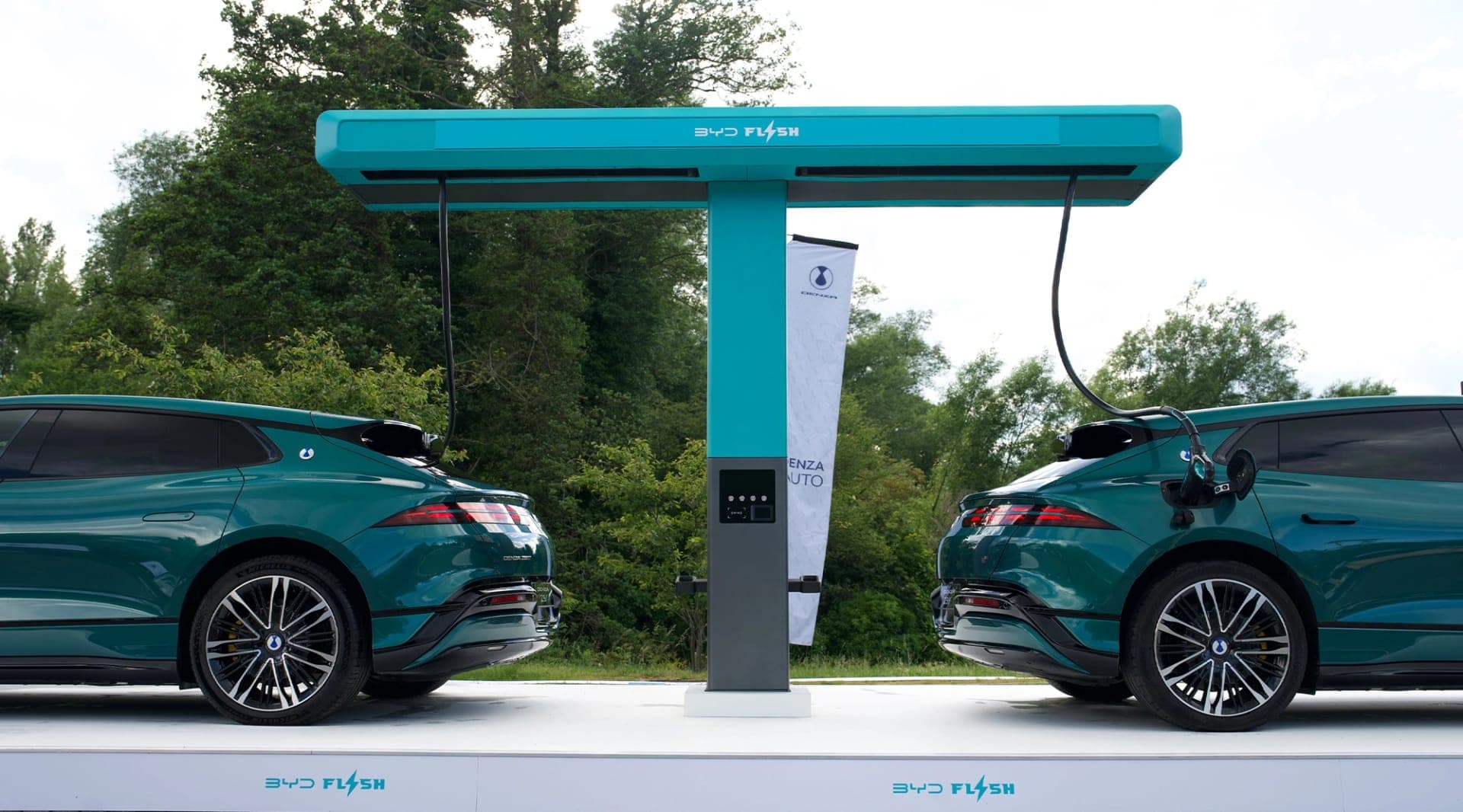
The 80 percent rule has always rested on two separate arguments, and only one of them is about battery health. The other is time. Every lithium battery slows its charge rate as it fills, and on a rapid charger the effect is dramatic: the last twenty percent can easily take as long as the sixty before it, which is why a motorway stop that ends at eighty is the fastest way to complete a journey. That argument is chemistry-neutral, so on a road trip you should still pull the plug at eighty in an LFP car, purely for scheduling. At home on an AC charger overnight the same taper costs you nothing you are awake for, and that is exactly where the weekly full charge belongs. It is worth knowing that the speed you actually get is set far more by the car than by the charger, and even as flash charging arrives at the top end of the market, the taper near full is the one thing no amount of charger power removes.
What LFP genuinely does not like
None of this makes LFP indestructible, and it has two real weaknesses. The first is cold. Its charge acceptance falls away faster at low temperatures than a nickel pack's, so a winter rapid charge takes longer and the usable range shrinks further, which makes warming the battery before you arrive more valuable in an LFP car than in almost any other. The second weakness sits at the bottom of the range rather than the top. Leaving any lithium battery near empty for weeks is the genuinely damaging habit, and it is the one that ages a pack on a driveway rather than on the road. If the car is going to stand for a month, leave a nickel pack around half full and an LFP pack comfortably clear of empty. The heat of repeated rapid charging is a bill both chemistries pay.
What to actually do
Two of these take a minute in a menu and then never need touching again. The rest are habits, and the gap between them and the default behaviour is worth real money on a used battery.
Find out which chemistry your car has: the owner's manual first, then the recommended position on the charge limit slider.
LFP: set the daily limit to 100 percent, leave it there, and complete a full charge at least once a week.
NMC: keep the daily limit at 80 percent and charge to 100 the night before a long trip rather than out of habit.
If your LFP car's range estimate has stopped making sense, charge to 100 percent and leave it plugged in for another half hour after the car reports full.
On a rapid charging stop mid-journey, leave at 80 percent whichever chemistry you have. That one is a time decision, not a battery decision.
Do not leave any EV standing near empty for weeks. If it will sit for a month, leave a nickel pack around half full and an LFP pack comfortably clear of empty.
In winter, precondition the battery before a rapid charge, and expect the session to take longer in an LFP car than the summer number suggests.
Leaving a nickel pack standing full for days is the habit it really dislikes. Use scheduled charging so the session finishes shortly before you leave.
Read the battery warranty. Cover in Europe typically runs eight years or 160,000 km down to a stated capacity floor, often seventy percent, and following the maker's own charging instruction is part of keeping a claim clean.
Frequently asked questions
Charging an LFP car to 100 percent every day: genuinely no harm?
Genuinely, and it is what the manufacturers ask for in writing. LFP is far less stressed at a high state of charge than a nickel chemistry, so the top of the range is not the expensive place to live that it is in an NMC pack. The nuance worth keeping is that no lithium battery enjoys being held at a fixed full charge in high heat for days on end, so if the car is not being used through a hot week there is no reason to top it back up to full every morning. Charge it, then drive it.
My car is NMC. Is charging to 100 percent before a long trip bad for it?
No, and the manual expects you to do it. What ages a nickel pack is time spent sitting full, not the act of filling it. The habit worth building is timing: set the charge to finish shortly before you leave rather than at two in the morning, so the pack spends an hour at 100 percent instead of seven. Cars with a departure time or scheduled charging setting will do this for you, and it is one of the few EV settings that genuinely repays the two minutes it takes to set.
Why does my LFP car's range estimate jump around?
Because it is counting rather than measuring, and the count has drifted. This is the standard symptom of a pack that has not been to 100 percent in a while: the figure looks plausible for most of the drive and then drops or holds in a way that makes no sense. The fix is a full charge, ideally left plugged in for a while after the car reports 100 percent so the cells can finish balancing. One overnight session usually puts the estimate back in line.
Is LFP simply the better battery, then?
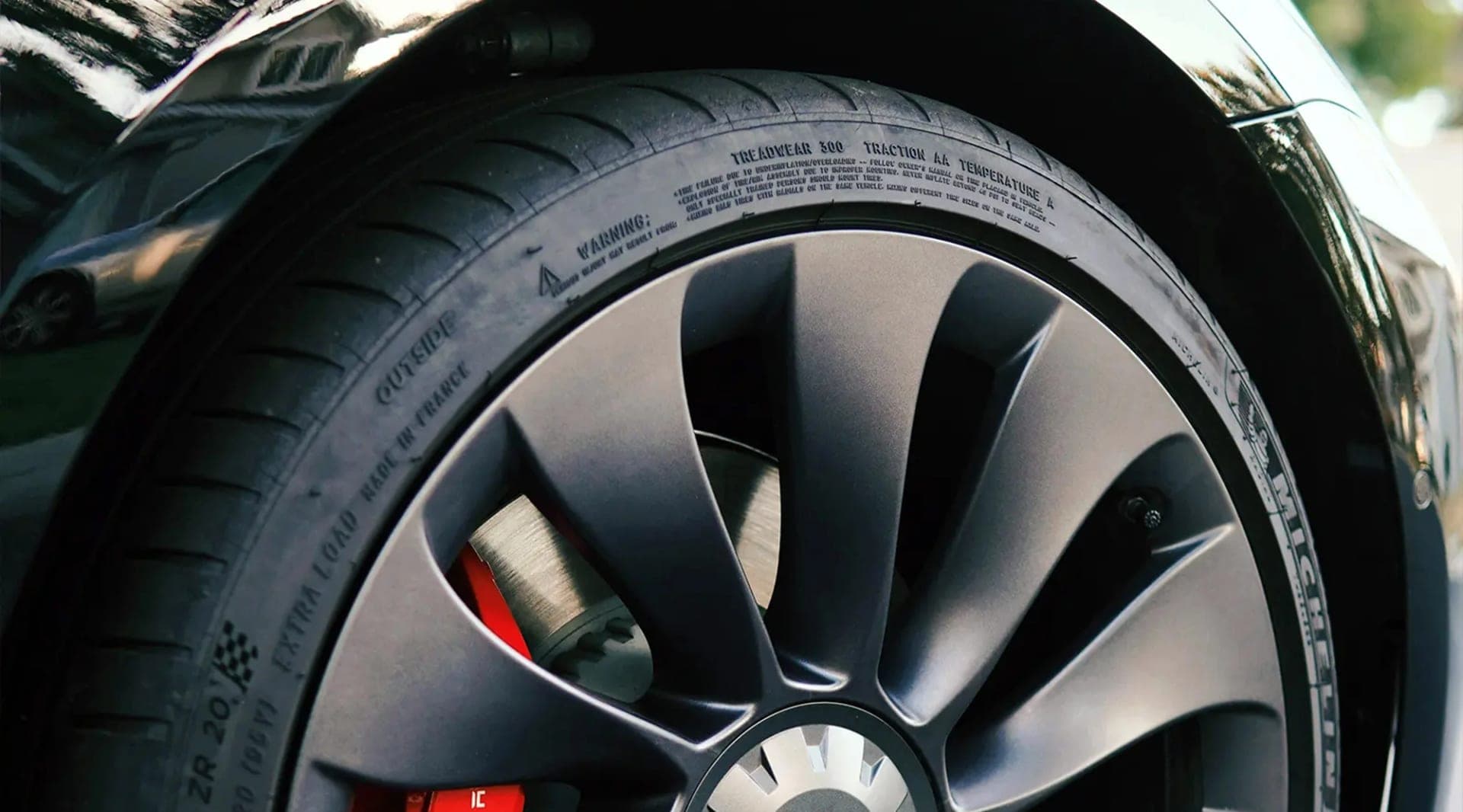
It is the better battery for cost, cycle life and thermal safety, and the worse one for energy density. An LFP pack is heavier and bulkier for the same range, which is why the chemistry lands in cheaper, shorter-range versions and why long-range cars still use nickel. That extra mass carries a bill of its own, since weight is the main reason electric cars get through tyres faster than the equivalent petrol car. Neither chemistry is a mistake, they are aimed at different buyers.
Does the chemistry matter when I am buying used?
More than the mileage does. A five-year-old LFP pack has typically used a small fraction of its rated cycles and holds capacity well even if the previous owner charged it to full every night. A nickel pack in a car that lived on rapid chargers and sat at 100 percent in a company car park has had a much harder life for the same odometer reading. Ask which chemistry it is, ask for a state of health reading rather than a reassurance, and judge the two on different scales.