The puncture kit in your boot fixes the leak and writes off the tyre
A screw in the middle of the tread is one of the cheapest things that can go wrong with a car, right up until the moment you fix it yourself.
European workshop practice on this is unusually clear and unusually generous. Continental sets it out for the German market in a single line: a repair has to sit within the middle three quarters of the tread, the zone the trade calls the small repair area, and the hole may be up to six millimetres across. The ADAC draws the line a shade tighter, at five millimetres, a difference your fitter settles rather than you, but between them they cover the overwhelming majority of real punctures, because a wood screw is around four millimetres and a roofing nail is less. Michelin works to the same six millimetre ceiling and adds the condition that governs everything else, which is that the tyre must come off the wheel so a professional can inspect the inside, since the damage that rules out a repair is almost never the hole you can see from outside. Step beyond that band and the answer reverses without argument. The shoulder, where the tread rolls over into the sidewall, and the sidewall itself are structural, and Continental's wording leaves no room at all: damage there is never repairable. All of which means a nail in the tread ought to be a twenty minute job costing somewhere between twenty-five and fifty euros across most of Europe, against eighty to well over two hundred for a replacement. The reason so many drivers end up paying the second figure is sitting in their boot, in the space where a spare wheel used to be.
Sealant seals the puncture and ends the tyre's life in the same movement
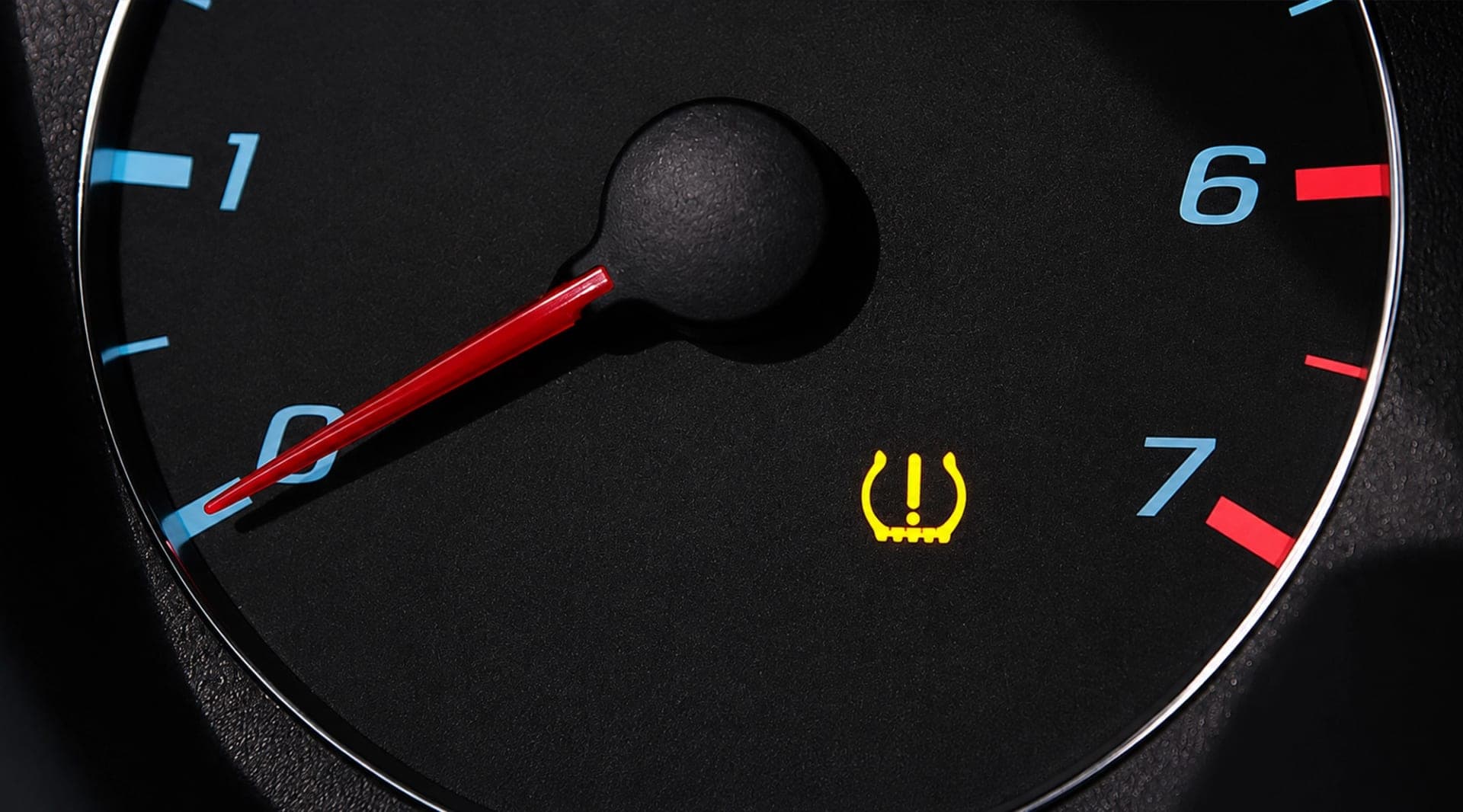
This is the part nobody mentions when a new car is handed over without a spare wheel. The ADAC states it flatly: after using the sealant from one of these kits, a professional repair of that tyre by a specialist firm is, for various technical reasons, no longer permitted. Continental says the same thing in fewer words still, that once sealant has been introduced no tyre may be repaired. The bottle is therefore not a cheaper version of a repair, it is a substitute for one, and squeezing it in converts a tyre you would have got back for the price of a tank of fuel into a tyre you are buying again. There is a second bill hiding behind it, because the same liquid coats the inside of the rim and can block the port on the pressure sensor mounted at the valve, a component in its own right and not a cheap one to replace. That matters more than it sounds, because your tyre pressure warning light is not a pressure gauge, and a sensor that has been gummed up tends to go quiet rather than complain. Worth knowing too: the kit was never a permanent fix in the first place, since it caps you at around 80 km/h over a limited distance, and the bottle carries an expiry date, commonly four to five years out, that almost nobody in Europe has ever looked at.
Driving on a flat ruins the tyre from the inside, whatever the hole looks like
The German trade has a word for it, Plattrollschaden, the damage done by rolling on a flat, and the ADAC lists it alongside sidewall cuts as an automatic replacement rather than a repair. Michelin explains the mechanism: run a tyre flat or badly underinflated and the structure itself is damaged, and once the carcass is weakened the tyre cannot be repaired even when the puncture sits squarely in the tread. That single fact turns the roadside instinct almost everybody has, which is to find the screw and pull it out, into the most expensive move available. A screw or a nail in the tread very often seals around itself well enough to hold usable pressure for days, and the moment you remove it you have converted a slow leak you could have driven to a garage into a flat you cannot. Leave the object exactly where it is, check the pressure, top it up if you carry a compressor, and drive gently and directly to a fitter.
A plug pushed in from outside is a get-you-home fix, not a repair
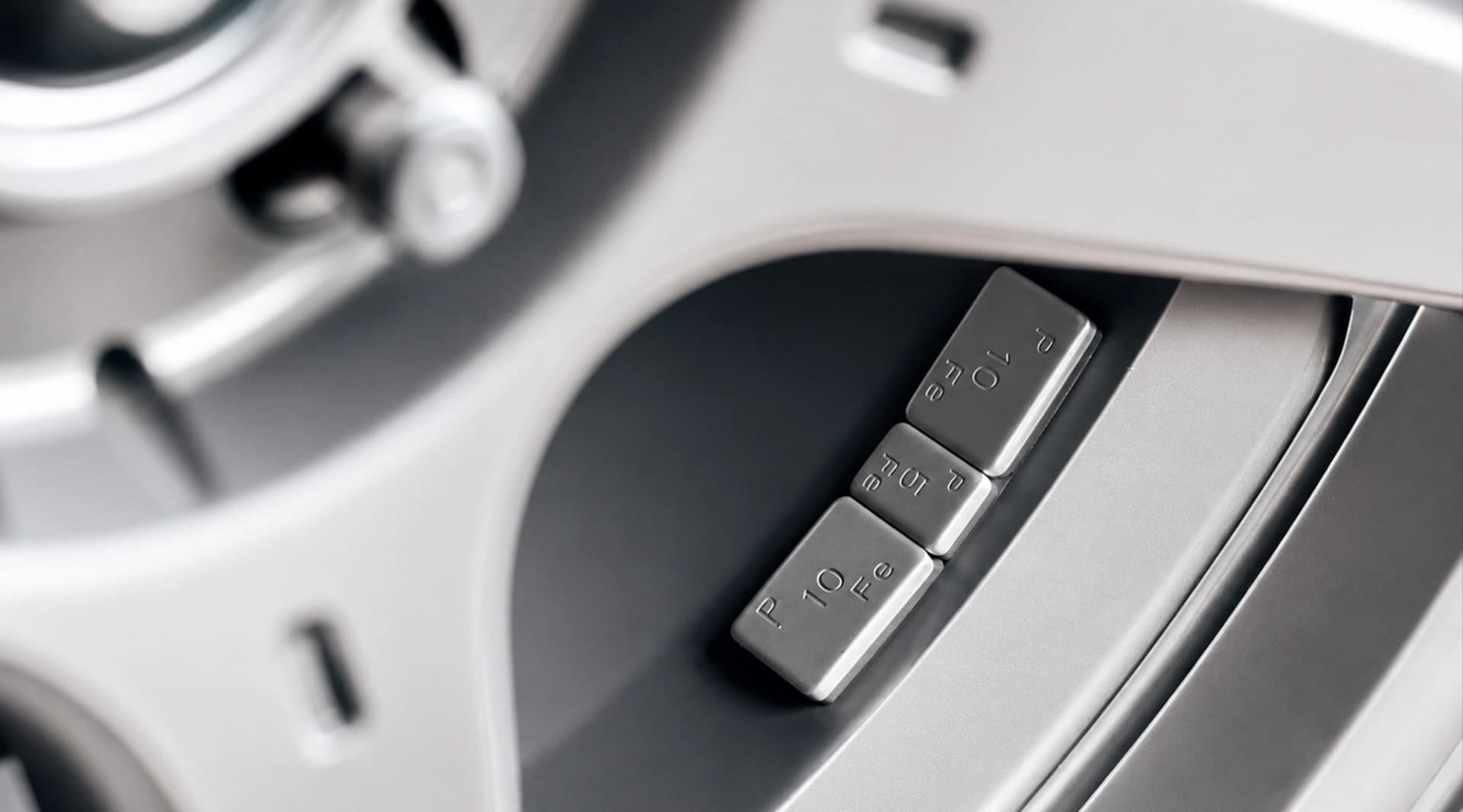
The string kits sold in every accessory shop, and the plugs some fast-fit outlets still push through the tread without taking the wheel off, do not meet the standard the European tyre trade works to. A compliant repair means demounting the tyre, inspecting the inner liner for the scuffing and rubber crumbs that betray a tyre run underinflated, then fitting a combination repair unit that fills the hole and patches the liner from the inside, where air pressure holds it against the casing instead of trying to push it out. Anything done through the tread from outside leaves the inside uninspected, and the inspection is the entire point of the exercise. Ask for one more thing while the wheel is off the car: the patch adds weight to a single spot on the tyre, so the wheel needs balancing again afterwards, and a steering wheel that shakes at 100 km/h is usually a ten gram problem.
On run-flats the tyre makers genuinely disagree with each other
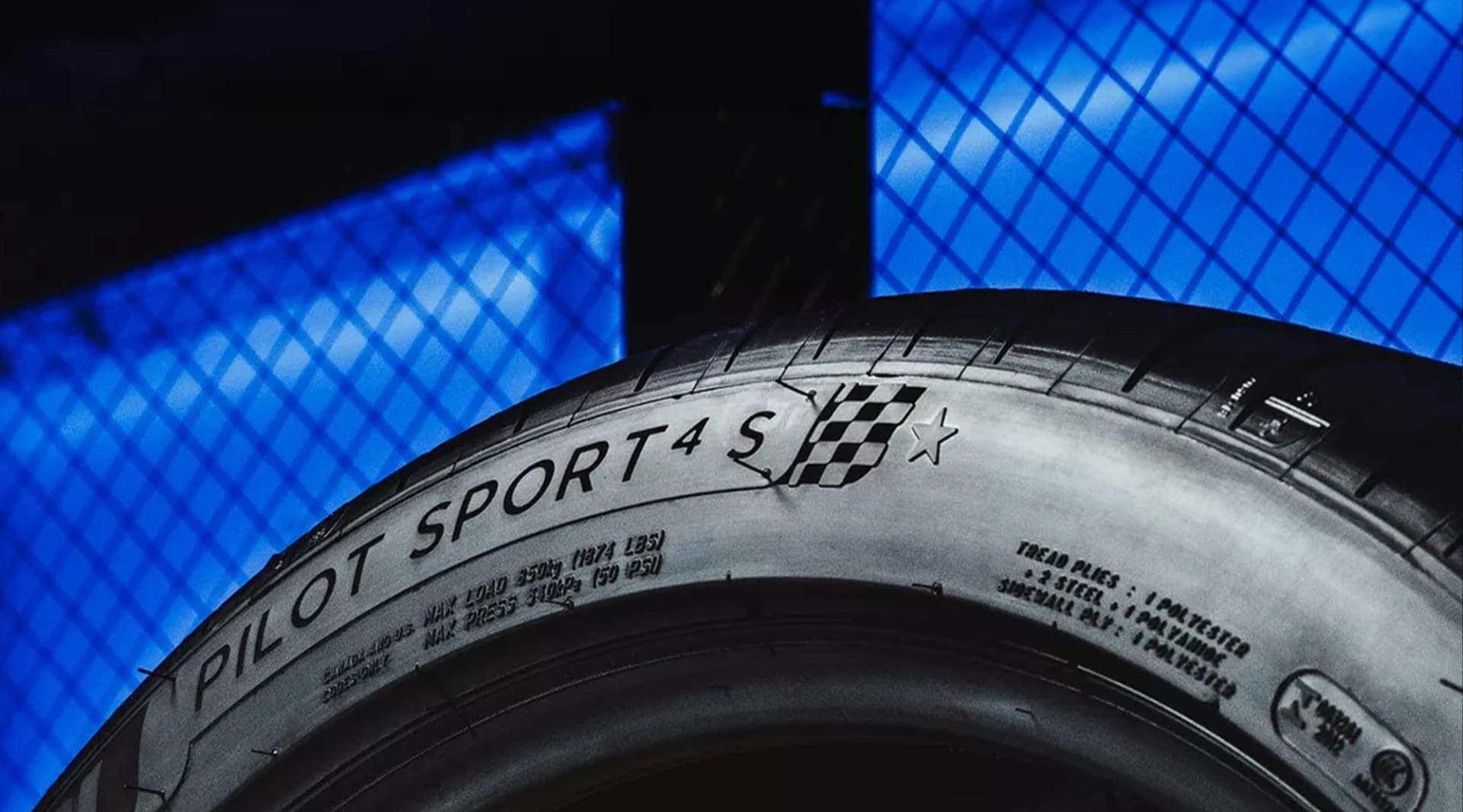
This is the one place with no single European answer, so asking beats assuming. Continental advises against repairing run-flat tyres at all, on the grounds that conventional repair methods can be unsafe and unreliable on that construction. Michelin takes the opposite view for its own ZP range and permits a repair once, and once only, following the normal inspection and repair procedure. The practical difficulty behind the disagreement is that a run-flat's reinforced sidewall is designed to carry the car with no pressure in it, which means the driver frequently has no idea how far the tyre was driven deflated, and the inspector cannot always tell either. If the tyre does come off, it costs nothing to read what else it is telling you while it sits on the machine, because your tyres carry an expiry date and it is not written as one.
What to actually do
Most of the money in this is won or lost in the first five minutes at the roadside, before anyone has properly looked at the tyre.
Leave the nail or screw exactly where it is. It is very often sealing the hole it made well enough to hold pressure, and pulling it out is what turns a repairable tyre into a flat one.
Check the pressure and watch how fast it falls. If the tyre holds enough air to reach a fitter at moderate speed, that is the best possible outcome for it, and by a distance the cheapest.
Look at where the damage sits before you spend anything. Anywhere in the middle three quarters of the tread and you are probably fine. In the shoulder or the sidewall the tyre is finished and no repair is coming, whatever it cost last year.
Treat the sealant bottle as the last resort it actually is, not the first thing you reach for. A space-saver, a roadside callout or a tow all leave the tyre repairable. The bottle does not.
If sealant did go in, say so before the fitter touches the wheel. It changes what they are allowed to do and it gives them a chance to save the pressure sensor rather than discover it the hard way.
Insist the tyre comes off the wheel. A repair carried out without demounting and inspecting the inner liner is not a repair, whatever the invoice calls it.
Ask for the wheel to be rebalanced once the patch is in, and check that it appears on the bill. A patch is weight added to one point of a rotating assembly.
Check the expiry date on the sealant bottle in your boot this week. Four to five years is typical, and an expired bottle leaves you with a puncture kit that will not seal and a tyre nobody is allowed to repair afterwards either.
If your car wears run-flats, find out your tyre maker's position now rather than at the roadside, because the makers do not agree and the fitter will follow the name on the sidewall.
Frequently asked questions
Can a punctured car tyre be repaired in Europe?
Usually yes, provided the damage sits in the middle three quarters of the tread and is no bigger than about six millimetres, which covers most screws and nails. The tyre has to come off the wheel so a professional can inspect the inside. Damage in the shoulder or the sidewall is never repairable, and neither is a tyre that was driven flat.
Does tyre sealant ruin the tyre?
In practice, yes. The ADAC says that after using the sealant from a puncture kit, a professional repair by a specialist firm is no longer permitted, and Continental states the same rule outright. Sealant is designed to get you off a motorway, not to save the tyre. It can also block the pressure sensor at the valve, which is a separate replacement cost on top of the tyre.
Should I pull the nail out of my tyre?
No. The object is usually sealing the hole it made, and removing it at the roadside can turn a tyre that would have held pressure all the way to the garage into a flat one. A tyre driven flat gets replaced rather than repaired, so the two minutes with the pliers can cost you the tyre. Leave it in, check the pressure, and drive gently to a fitter.
Can one tyre be repaired more than once?
In principle yes, as long as every repair sits inside the repair area and the repairs do not overlap or crowd each other, but that is a judgement the fitter makes with the tyre off the wheel and the inside in front of them, not one anybody can make from a photograph. A tyre showing several previous repairs, visible ageing or exposed cords gets refused, and should.
Can run-flat tyres be repaired?
It depends who made them. Continental advises against it. Michelin allows a single repair on its ZP tyres following the normal procedure. The complication is that a run-flat can be driven a long way with no pressure at all without looking dramatic, so the fitter is often being asked to vouch for something they cannot see. Ask your tyre maker's position before you assume either way.
How much does a puncture repair cost against a new tyre?
Across most of western Europe a professional repair lands somewhere between twenty-five and fifty euros, while a mid-range replacement for a family car starts around eighty and runs well past two hundred in larger or performance sizes. The repair also keeps the set matched, which matters on a car whose other three tyres are half worn.