Aston Martin DBX GT keeps 727 hp and turns down the volume
Aston Martin's plusher GT promise from Le Mans arrives first on the DBX
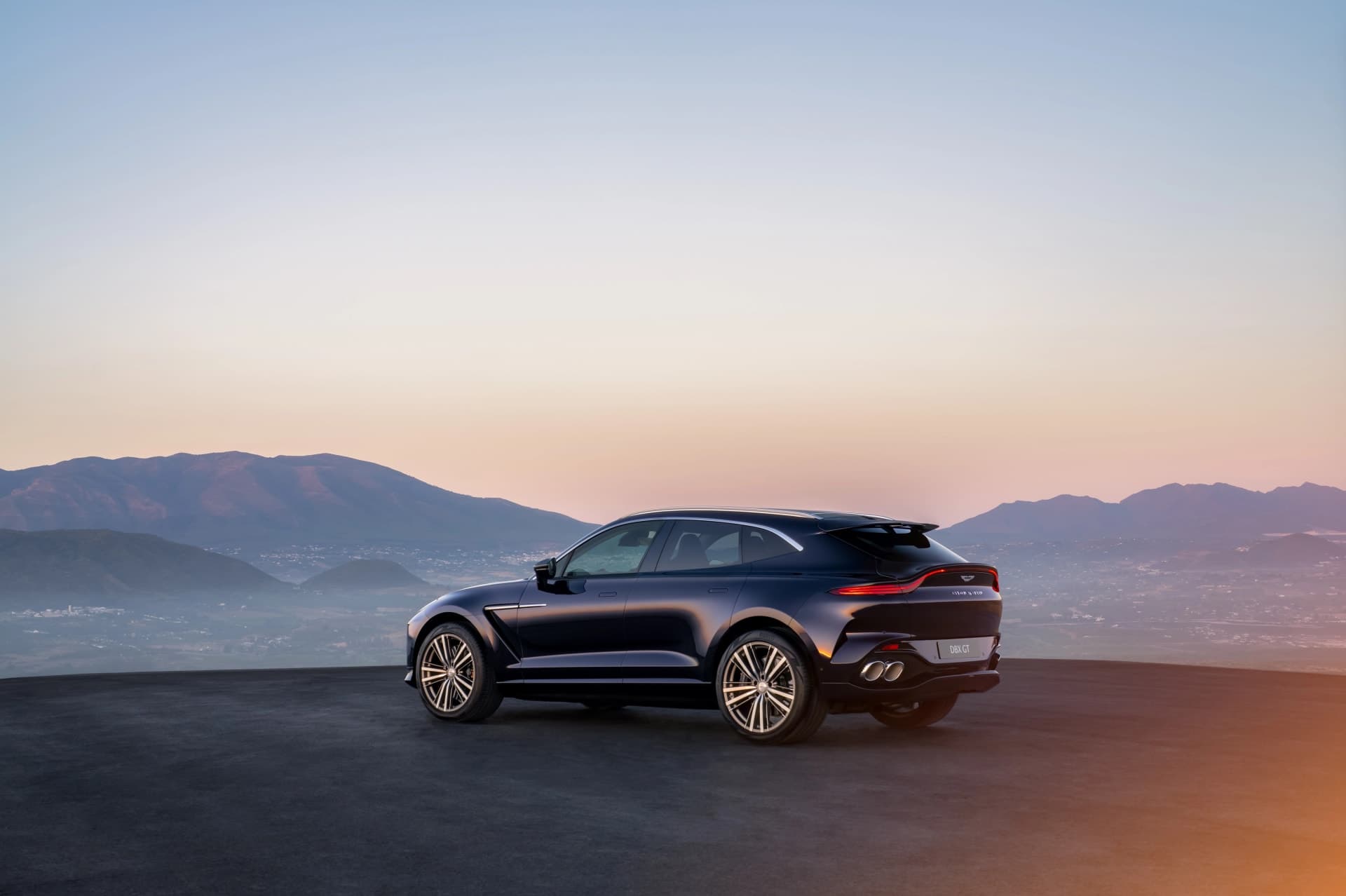
Aston Martin presents the DBX GT, a second flavour of its SUV that keeps the 727 hp twin-turbo V8 of the DBX S but tunes everything around it for comfort. It gets new damper valves, 22-inch wheels on all-season tyres, individual rear seats and a quieter cabin. It is the first car to deliver the plusher GT versions the CEO promised in June, with deliveries due before the end of 2026.
Aston Martin DBX GT keeps the 727 hp V8 of the DBX S
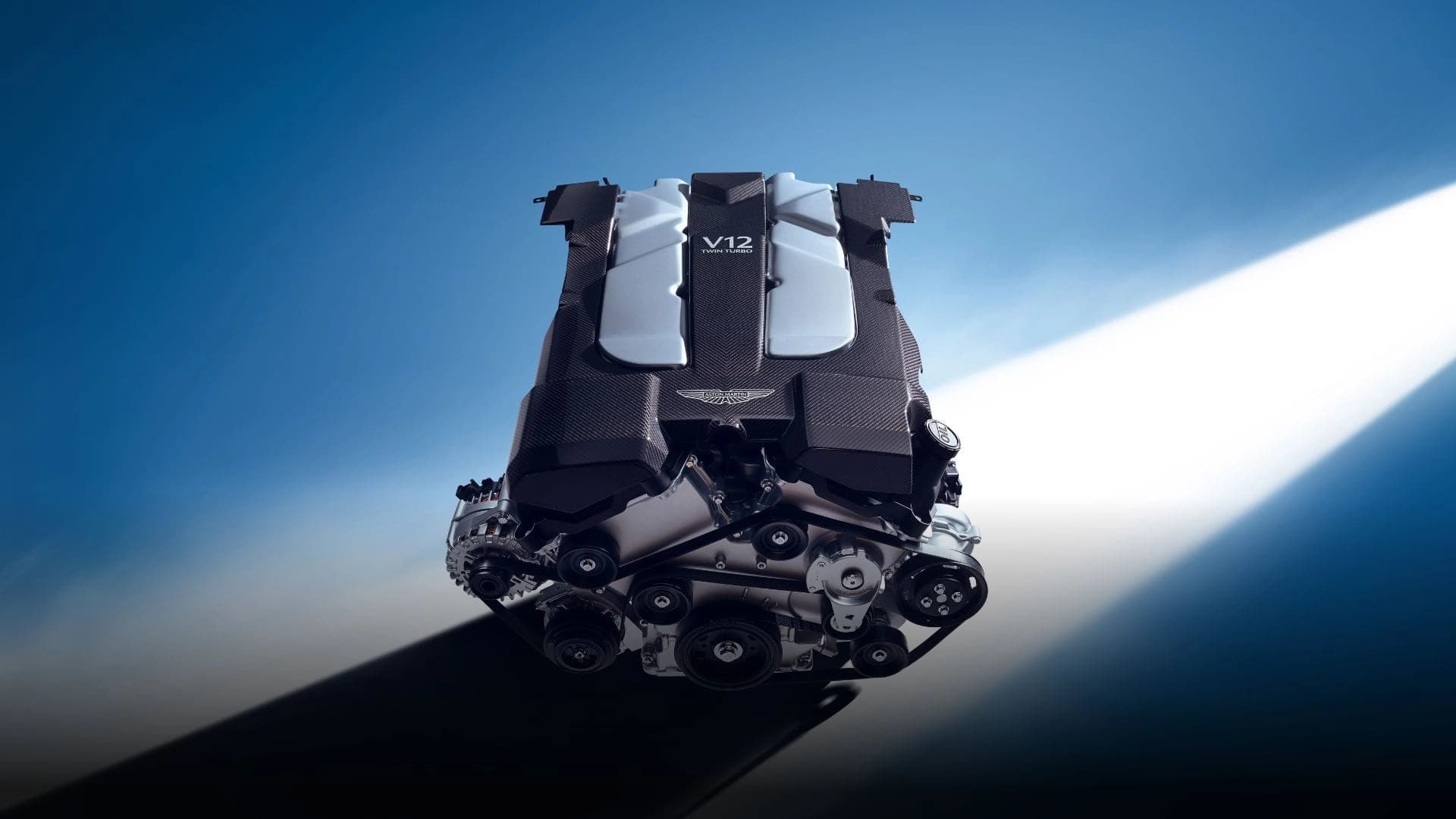
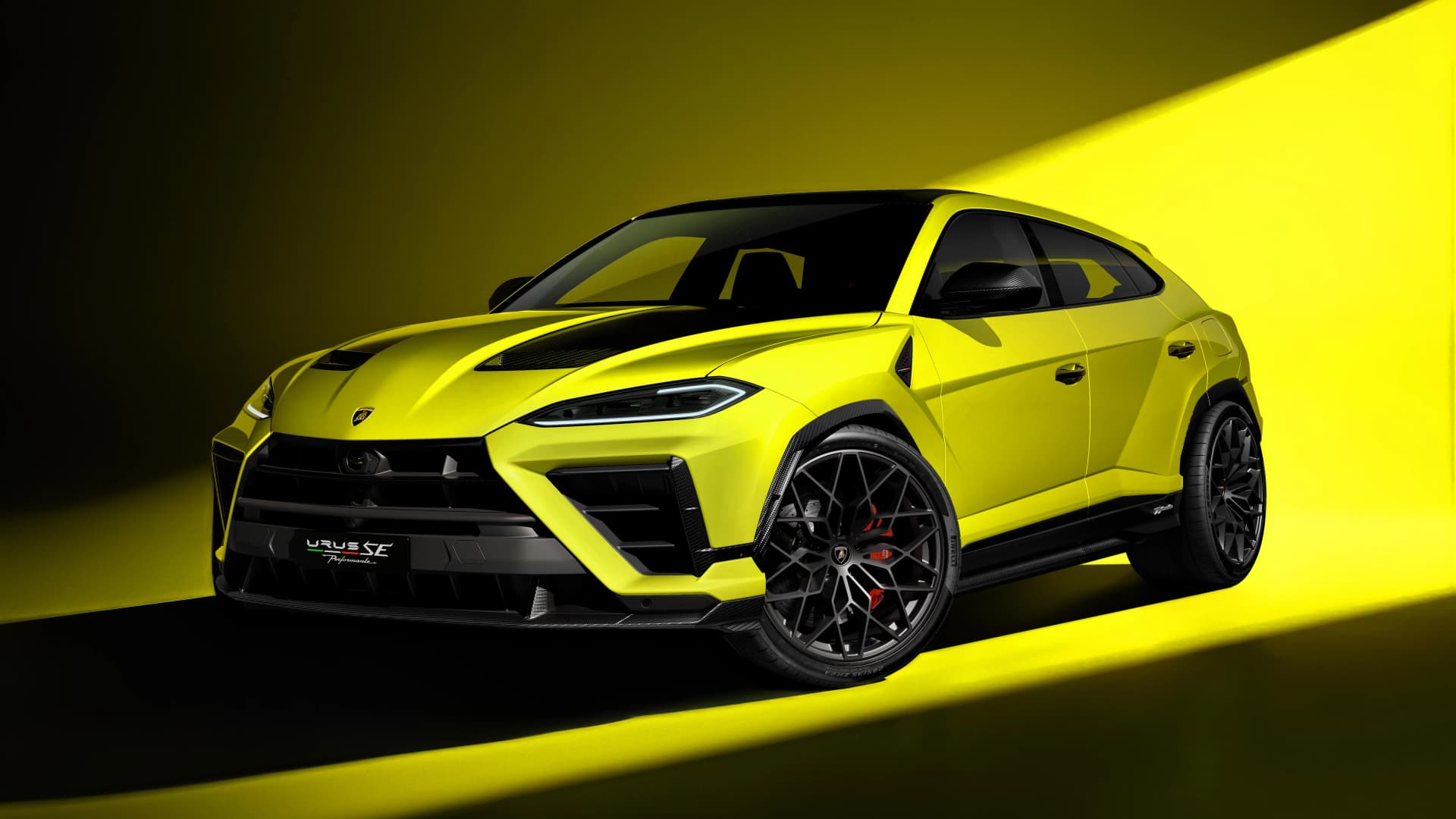
The DBX GT uses the same 4.0-litre twin-turbo V8 as the DBX S, making 727 hp and 900 Nm with turbochargers shared with the Valhalla. It reaches 100 km/h in 3.3 seconds and 310 km/h, with 420 mm front and 390 mm rear carbon-ceramic brakes. Aston calls the pair the world's most powerful pure combustion SUVs, and the qualifier matters: Lamborghini's Urus SE Performante makes 812 hp but needs a plug-in hybrid system to get there.
DBX GT cabin is 13 percent easier to talk in
Aston measures the result with the Articulation Index, an industry score for how easily people hold a conversation on the move, and the DBX GT improves it by 13 percent. The gain comes from better body sealing, extra deadening in the doors, wheel arches and load space, acoustic laminated rear side glass and deep-pile carpets. A new rear silencer removes harsh metallic frequencies, and a GT drive mode keeps the V8 quiet until Sport is selected.
New dampers and 22-inch all-season Pirellis soften the DBX GT
The DBX GT gets damper valves tuned to filter high-frequency, low-amplitude inputs such as coarse asphalt and rumble strips, while spring rates still change with the drive mode. A stiffer transmission mount from the Valhalla and two new longitudinal dampers between body and rear subframe calm large impacts. Standard 22-inch forged wheels wear Pirelli Scorpion Zero All-Season tyres; 23-inch wheels and summer tyres stay optional for buyers who want the sharper DBX back.
DBX GT adds individual rear seats and 10 mm of memory foam
Inside, the DBX GT gets new front and rear seats with a 10 mm memory-foam layer, firmer side bolsters and an individual rear seat layout that still keeps five seats. Each front seat takes more than four and a half hours to build, with 691 metres of thread and 3,297 perforations. A panoramic roof is standard. Outside, a double-vaned grille, a two-tone side strake inspired by watchmaking and horizontal quad tailpipes set it apart from the more aggressive DBX S.
Aston Martin's SUV makes up one in four core cars
SUVs accounted for 546 of Aston Martin's 2,106 core wholesales in the first half of 2026, roughly one car in four. At Le Mans in June, CEO Adrian Hallmark said Aston would cap output at 6,500 to 7,000 cars a year and offer comfort-minded GT versions alongside track-focused ones. The DBX GT is the first of those. Aston has not published a price, and has not said whether the DBX 707 stays on sale beside the S and the GT.
AutoNext Take
Aston Martin has built the DBX most of its buyers were already asking for. An SUV with 727 hp spends nearly all its life on motorways and in town, where a 13 percent quieter cabin, softer damping and all-season tyres matter more than another tenth to 100 km/h. Keeping the full V8 rather than a detuned one also keeps the GT honest as an Aston, and keeps it ahead of every combustion-only rival.
The DBX GT should become the best-selling DBX within its first full year of deliveries, by the end of 2027. If it does, Hallmark's two-flavour plan will have its proof, and the same S and GT split across the Vantage and DB12 becomes the obvious next move.