Aston Martin is happy with its Valkyrie upgrade testing, and drivability is the real target
The updated Valkyrie is not about to appear, but Aston now knows exactly what it is chasing.
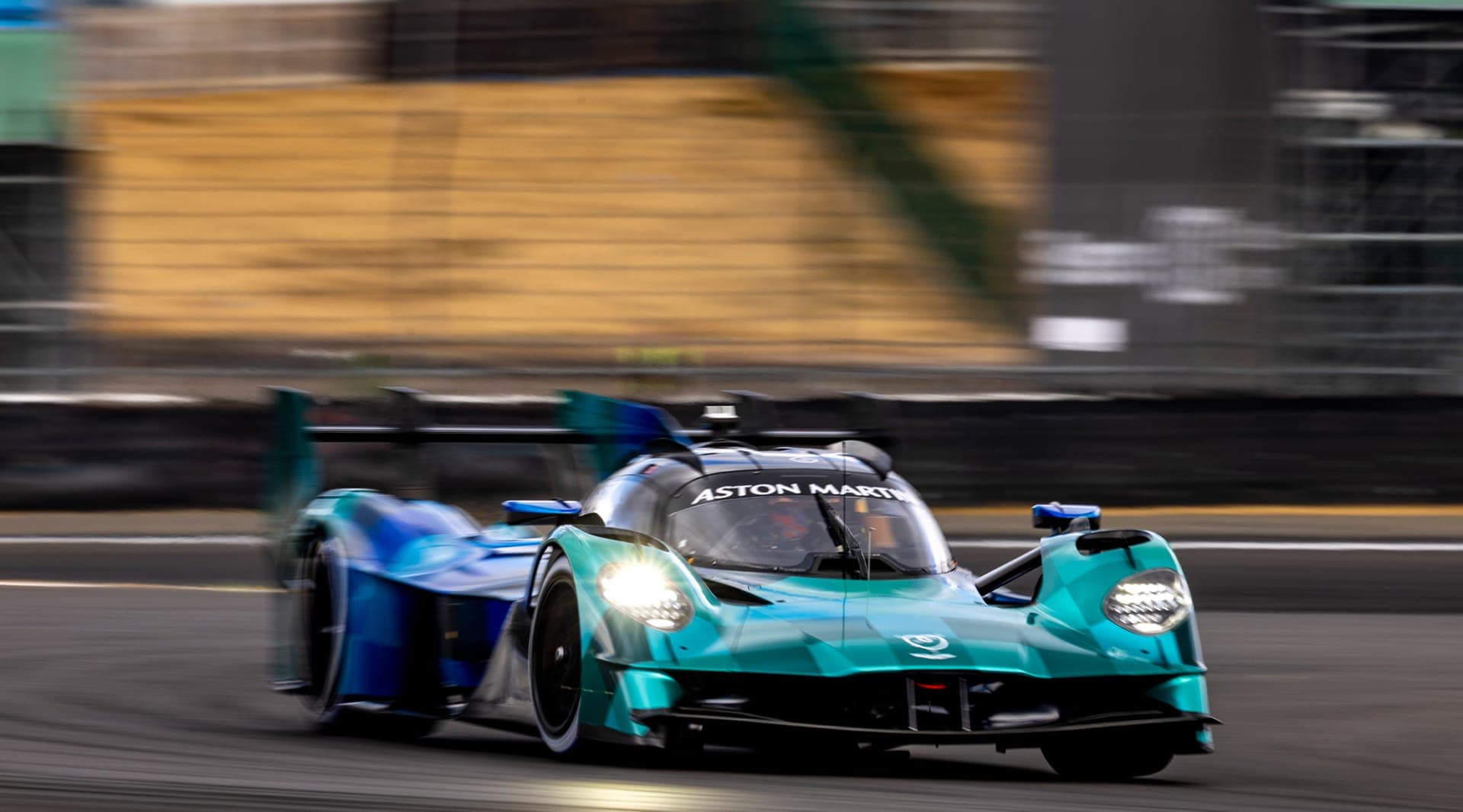
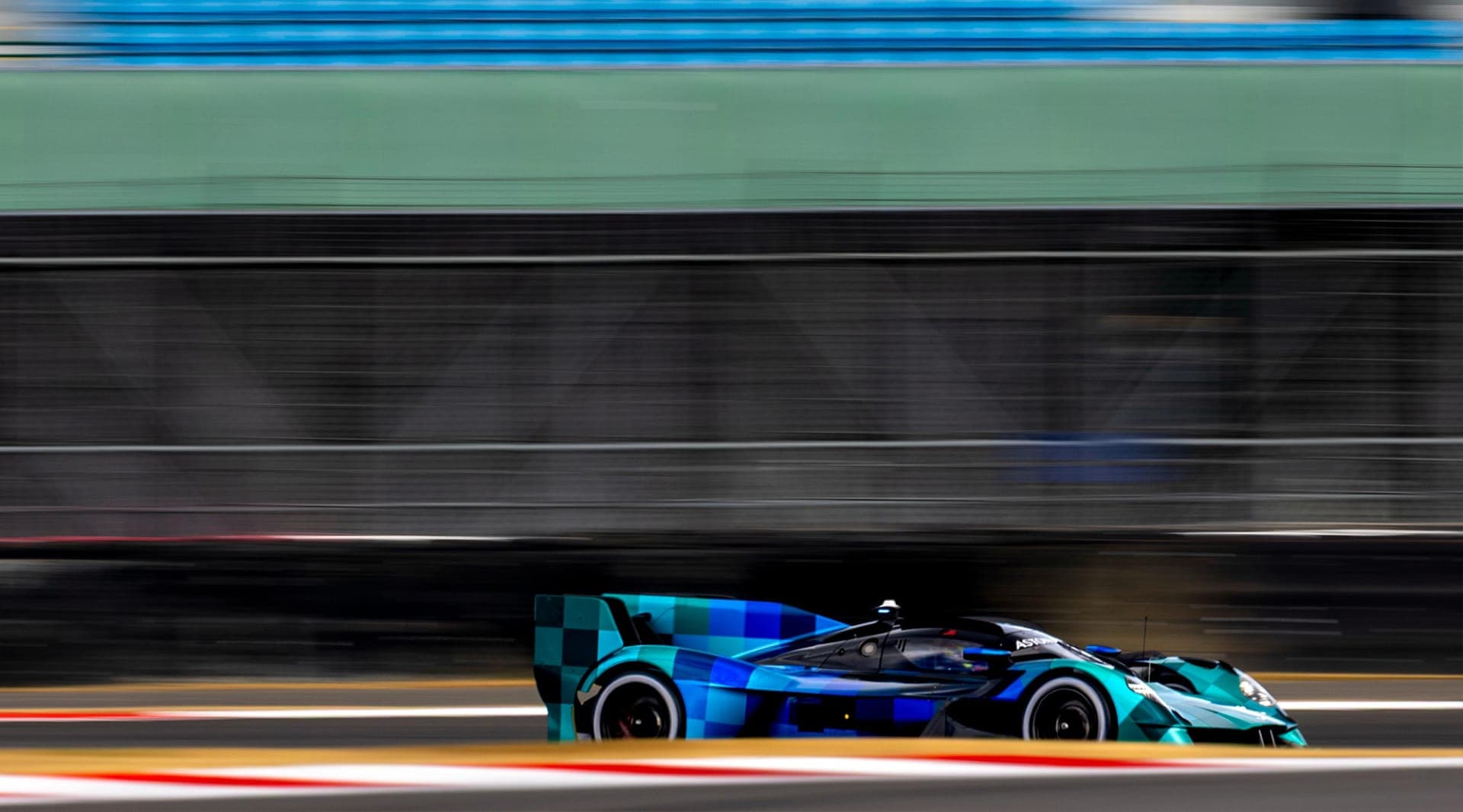
Aston Martin's work on the Valkyrie's first major upgrade is well under way, and Heart of Racing team principal Ian James is happy with how it is going. A recent test at Silverstone gave the team the data it needed to point the development in the right direction, and while the finished package is still months away, the priorities behind it are now clear. Above all, Aston is chasing drivability rather than a bigger headline number.
A fact-finding mission
James was precise about what the Silverstone run actually was. He described it as “really a fact-finding mission” focused on “getting numbers,” a single day with Ross Gunn and Harry Tincknell working through a wide range of technical items to establish where the gains would come from. This was measurement, not a debut. “We learned what we needed to learn, but we won't be running in earnest until later in the year,” James said, confirming that the teasing images from Silverstone were the opening step of the evo-upgrade process rather than a finished car.
Drivability is the target
The most revealing part is where Aston thinks the lap time is hiding. James called drivability “really the key to unlocking the speed in these cars,” and the upgrade is aimed at efficiency, drivability and user-friendliness for the drivers rather than raw output. Weight, aerodynamics and power delivery are, in his words, “firmly pegged in certain boxes,” so the improvements have to come from making the Valkyrie easier to lean on, especially on the bumpy, high-drag circuits where it has consistently lost time. It is a mature reading of a car that has been reliable but hard to extract pace from.
A packed run to 2027
The testing schedule from here is intense. A run at Circuit of the Americas is set for the Wednesday after the Lone Star Le Mans race, followed by a two-day test at Motorland Aragon on 14 and 15 September, with Windshear wind tunnel sessions booked for early October, late October and mid-November. All of it feeds toward the 2027 homologation deadline, the same window in which rivals like Ford are deep into their own 2027 programmes. The exact homologation changes are still to be decided, but the timetable shows a team gathering evidence methodically rather than gambling on a single fix.
Staying non-hybrid
One decision is already made. The updates will remain non-hybrid, with Aston ruling out adding an electric system on the grounds of weight, which keeps the naturally aspirated V12 in place. It is a notable choice in a class where hybrid assistance is close to universal, but for Aston it is a settled point rather than an open question, and the development effort is focused elsewhere.
AutoNext Take
This is the sound of a team doing the unglamorous work properly. A fact-finding test that produces data rather than a headline is exactly what a car like the Valkyrie needs, and choosing to build the whole upgrade around drivability is the right diagnosis. A machine that is dependable but tricky to trust does not need more power, it needs to be easier to drive at the limit, and Aston has clearly understood that.
The real test is still to come. Gathering numbers is one thing, turning them into a car that is genuinely quicker on the circuits where the Valkyrie struggles is another, and the packed run of tests between now and the 2027 deadline is where this upgrade will actually be won or lost. James sounds like a man who knows what his car needs. Whether Aston can deliver it in time, against rivals developing just as hard, is the question that matters now.