BYD's Japanese kei car tech is heading for Europe's small EVs
BYD moved the inverter into the battery pack, and small cars are the reason
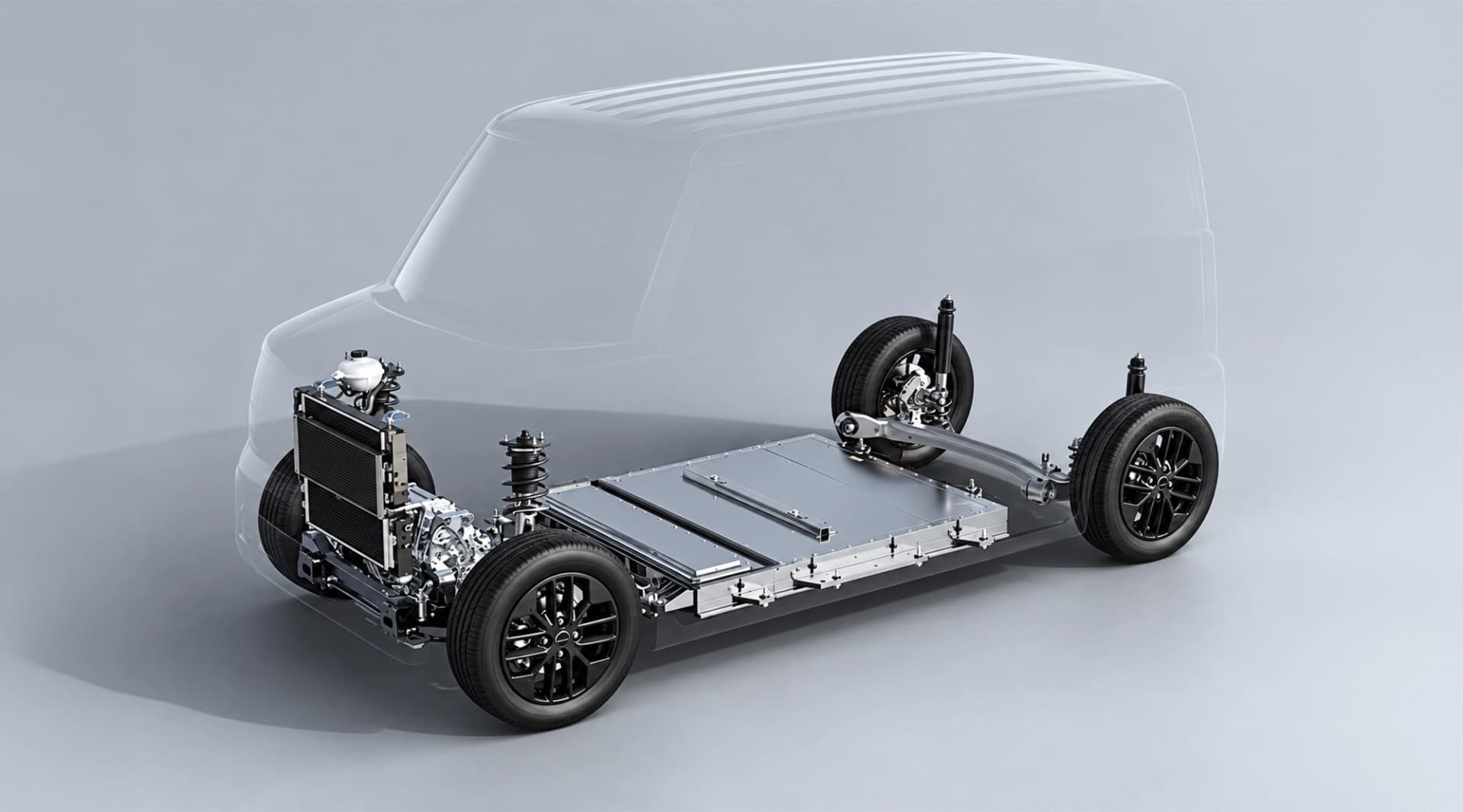
X-PACK is BYD's name for a battery that swallows the inverter and the rest of the high-voltage electronics, then sits flat beneath the floor. In the Racco, Japan's dimensional limits left nowhere else to put them. In Europe, the same trick frees up cabin space and crash structure in exactly the kind of car the EU is about to start rewarding.
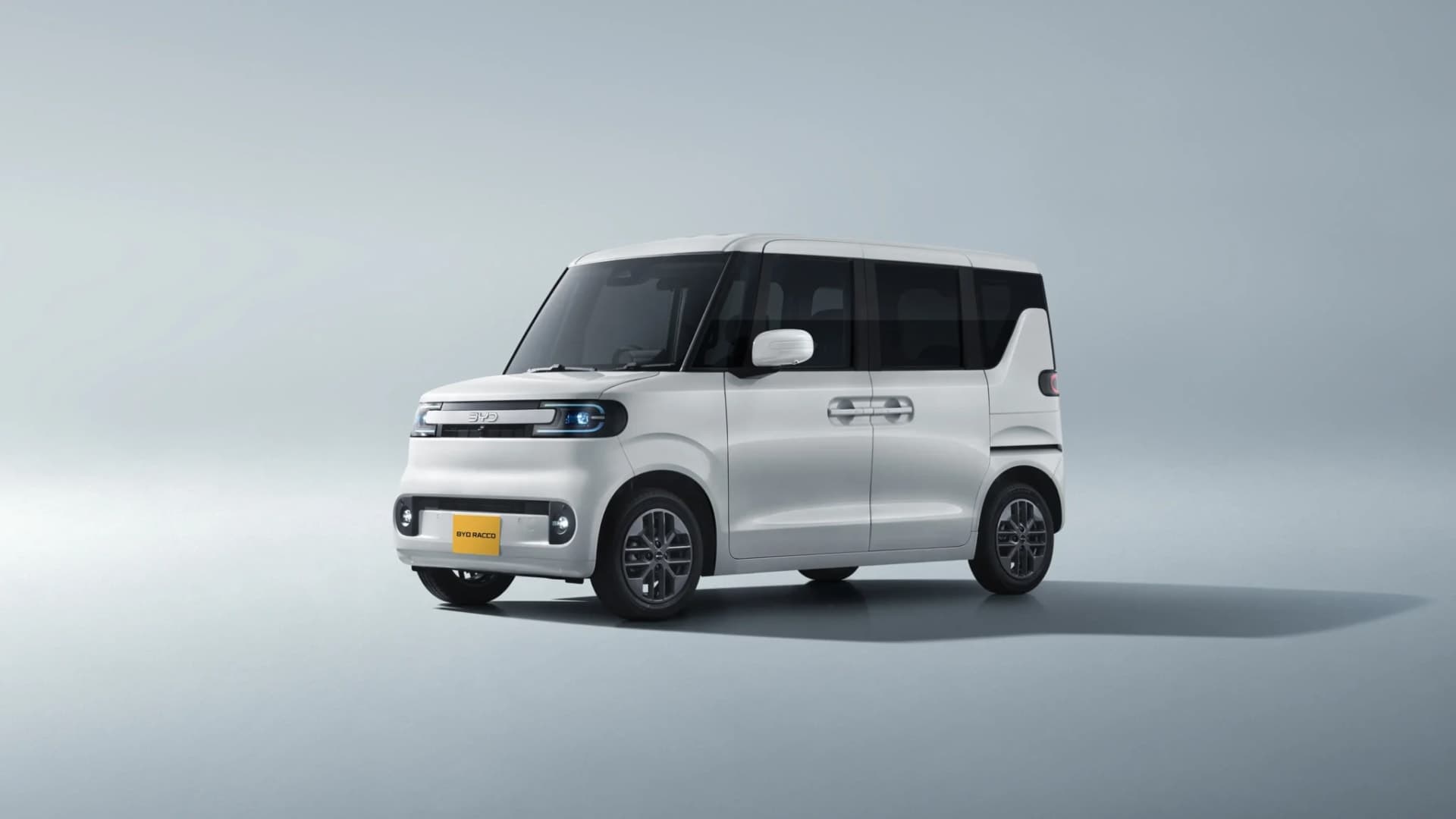
X-PACK was built to fit a 3,395 mm Racco
The Racco measures 3,395 mm long, 1,475 mm wide and 1,800 mm tall, because Japanese kei rules allow nothing more. Conventional electric cars park the inverter and voltage converters up front, in the space an engine used to occupy, which in a car this short is also the space that has to absorb a frontal impact. Moving that hardware into the pack is how the Racco became Japan's first electric kei car to clear 300 km of range, on a 35.84 kWh battery, with power sliding doors it otherwise had no room for.
Nikkei says the next X-PACK cars are pointed at Europe
BYD has decided to use X-PACK as the basis for a family of small EVs for Europe, Southeast Asia and South America, with detailed development starting now and cars expected on sale within several years, according to Nikkei's Chinese-language service. BYD has confirmed none of it and named no model. What is named is the technology, and that is the more useful detail: this is a packaging architecture that can underpin several cars, not a single product plan.
The EU's M1E class pays 1.3 credits for an EU-built car under 4.2 metres
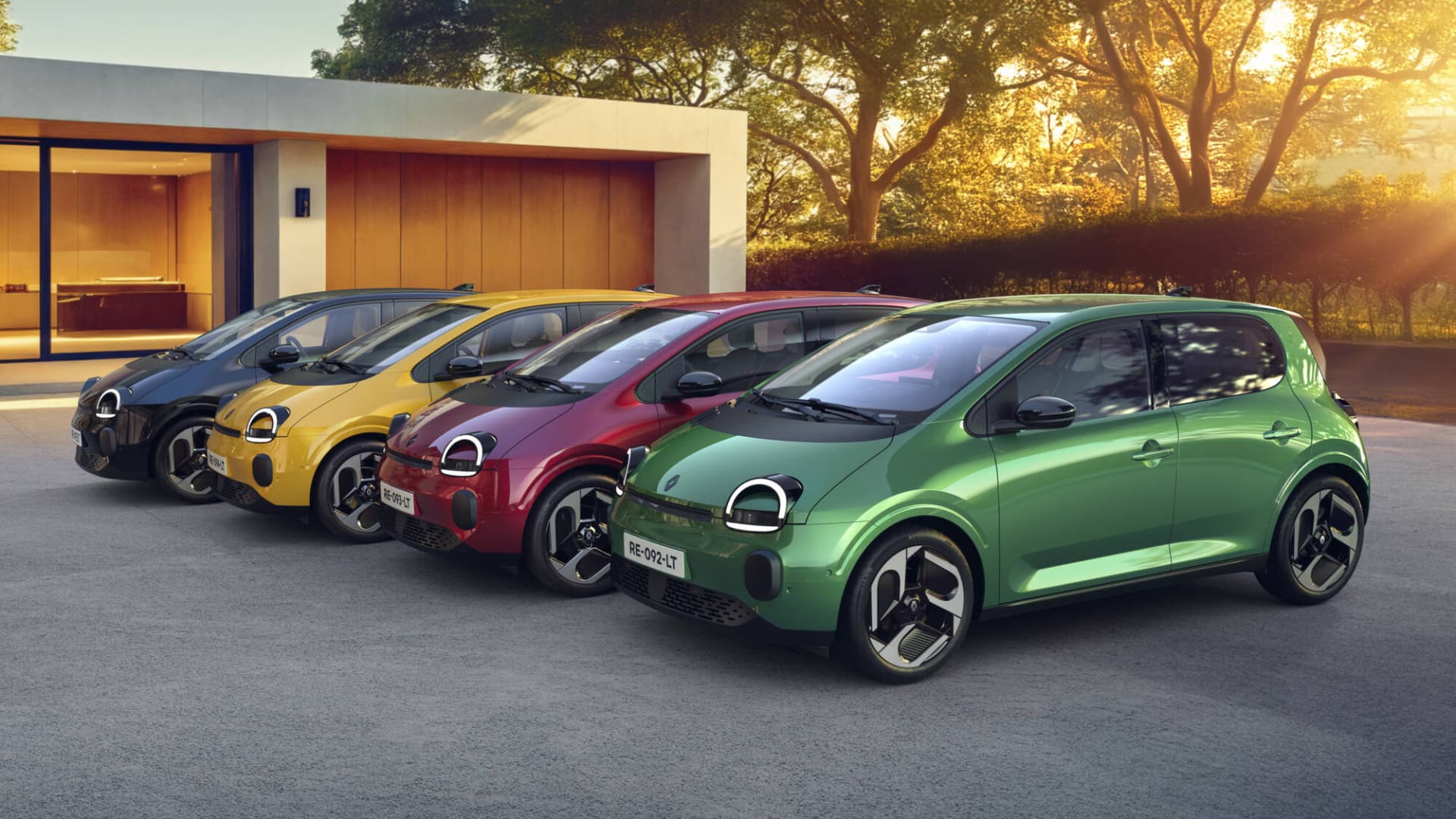
The European Commission presented its Automotive Omnibus on 16 December 2025, and inside it sits M1E, a sub-category of the ordinary M1 passenger car class covering fully electric cars no longer than 4.2 metres and assembled inside the EU. Each one sold would count as 1.3 cars towards a manufacturer's CO2 target between 2030 and 2034. The Commission has aimed it at electric cars under 25,000 euros, which today describes a very short list: the Renault Twingo, the Dacia Spring, the Leapmotor T03. Parliament and Council are still negotiating the text, so none of this is law yet.
Szeged went to series production in the second quarter of 2026
The EU-assembly condition is what separates a real M1E play from a press release, and it is the condition BYD has already satisfied. Trial production started at Szeged in Hungary in early 2026 and series production followed in the second quarter, with roughly 150,000 cars a year planned initially and up to 200,000 once the plant is fully wound up. A short X-PACK car built there would collect the super credits and sidestep the EU's tariffs on Chinese-built EVs in the same move.
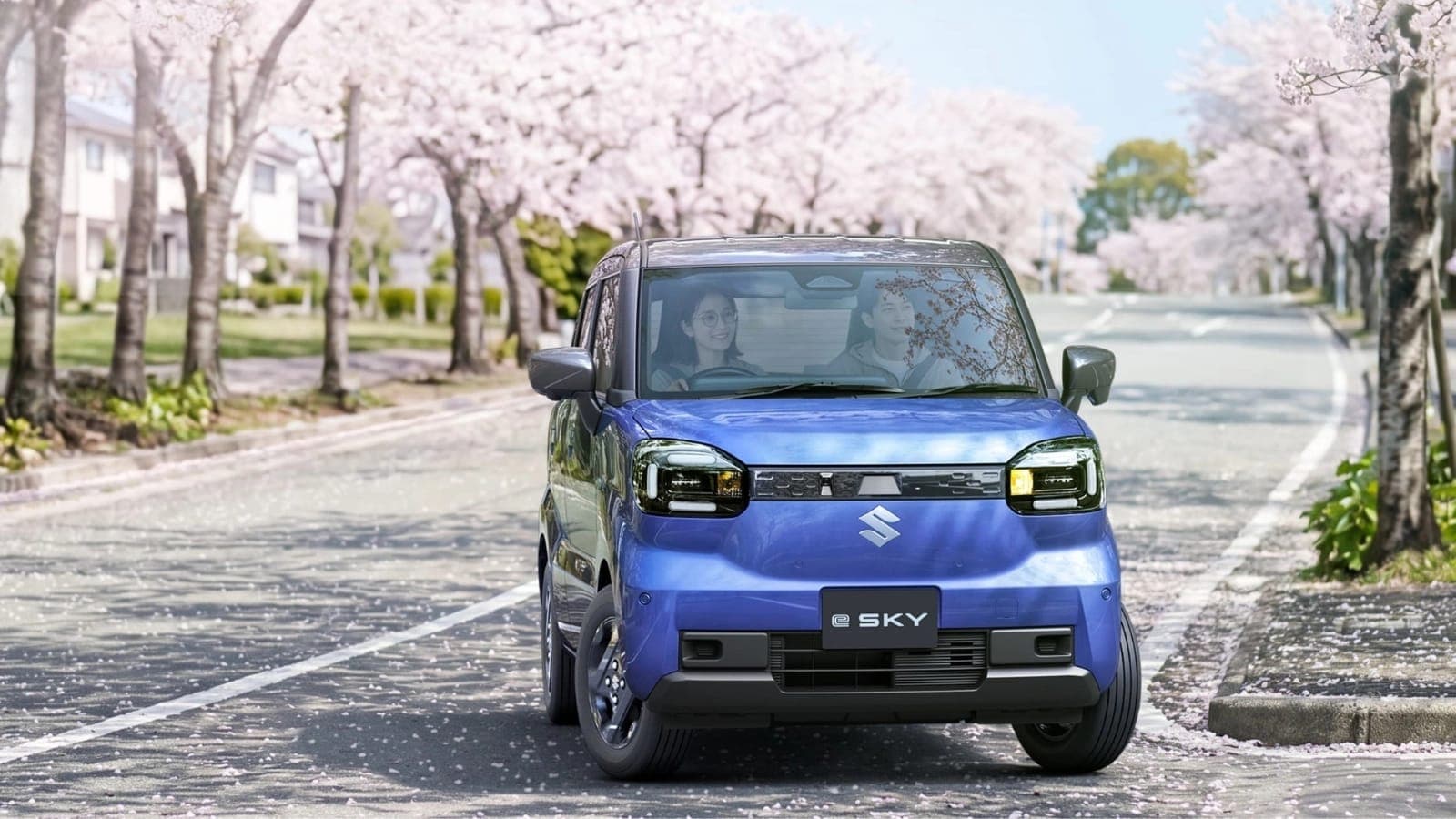
Suzuki's e-Sky is assembled in Shizuoka, which M1E does not cover
The contrast is sharp. Suzuki is bringing its Vision e-Sky electric kei car to Europe in 2027, with a 26 kWh battery, 310 km of range, 63 hp and a price expected below 20,000 euros. It is built in Shizuoka prefecture. Under the M1E text as proposed, a car assembled in Japan earns no super credits however small it is, and arrives three years before the credits begin counting anyway. The company that invented the format is exporting the format. BYD would be importing the idea and building the car here.
AutoNext Take
Europe spent a decade being told small cars could not be built here at a profit, then wrote a rule that pays 1.3 credits for building them here. The first company to answer with purpose-built hardware is neither European nor Japanese. BYD's edge is not chemistry or cost per kWh. It is that Szeged exists and Shizuoka does not qualify.
So here is the test, and it is a date rather than a claim. M1E's super credits run from 2030 to 2034, and the X-PACK cars are described as needing several years of development. If there is no sub-4.2-metre BYD leaving Szeged by 2029, the technology arrives too late to collect the credit it is shaped for, and Europe will have written a small-car rule that mostly rewards cars nobody built in time. Suzuki has already accepted that outcome. BYD is the one still able to avoid it.