BYD's 30,000 km battery claim survives the maths. One number doesn't
A battery test is only as good as the numbers nobody bothered to check.
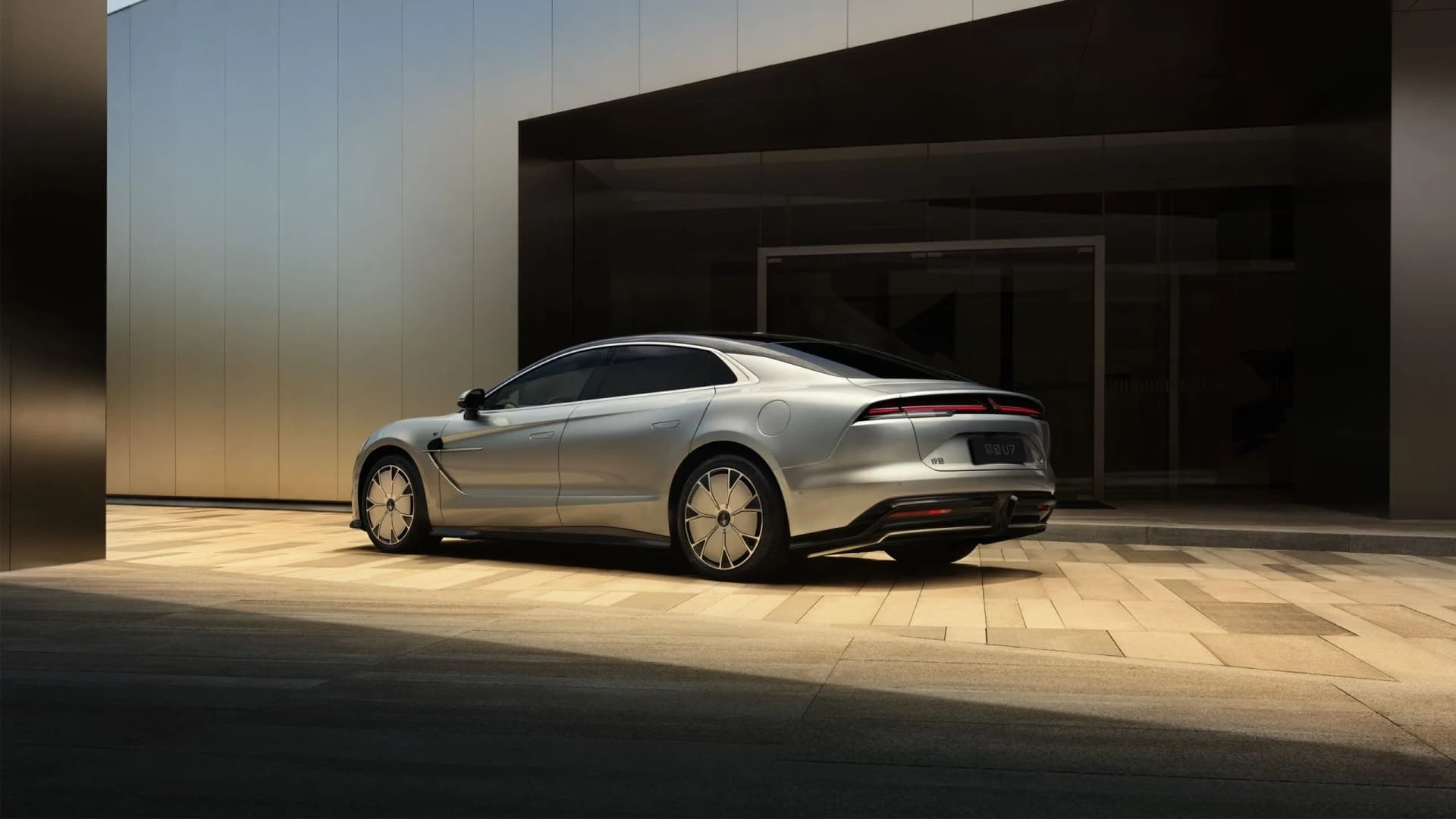
BYD says it drove a Yangwang U7 for 30,000 km in eight days, 19 hours and 58 minutes, fast-charged it more than 350 times along the way, and found the battery still holding 98.7 percent of its capacity. Within days, the figure doing the rounds online was a different one: 240 km/h, and the verdict that the whole thing was arithmetically impossible.
It is not. But a different number in BYD's own announcement is far harder to explain, and almost nobody is asking about it.
What BYD actually said
The announcement came on 25 August from Yangwang, BYD's premium brand. Hu Xiaoqing, the brand's general manager, made a point of the car's ordinariness: a standard production U7 taken at random from a retail store, she said, not a concept, not a specially tuned car and not a modified one. She added that Yangwang welcomes verification by any independent institution or individual.
The run took place in Nanning, in southern China, where the average temperature during the attempt passed 36 degrees with humidity as high as 80 percent, and the air conditioning ran at 24 degrees throughout. The U7 is the first BYD model to use Blade Battery 2.0. At the finish, capacity retention was measured at 98.7 percent.
The 240 km/h that tripped everyone up
The figure that caused the trouble is BYD's claim that the car held a continuous cruising speed of 240 km/h. Read as an average across the whole 212-hour window, that would put the car at nearly 51,000 km rather than 30,000, and the story falls apart. That reading spread fast.
It is also not what BYD said. A cruising speed is the speed while driving, and on that basis the numbers reconcile without much strain. Covering 30,000 km at 240 km/h takes 125 hours. Add BYD's own quoted nine minutes per flash charge across 350 sessions, another 52.5 hours, and the total reaches 177.5 hours inside a window of almost 212. That leaves roughly 34 hours for driver changes, tyre checks and everything else a nine-day endurance run needs. Tight, but not impossible.
One charge every 86 kilometres
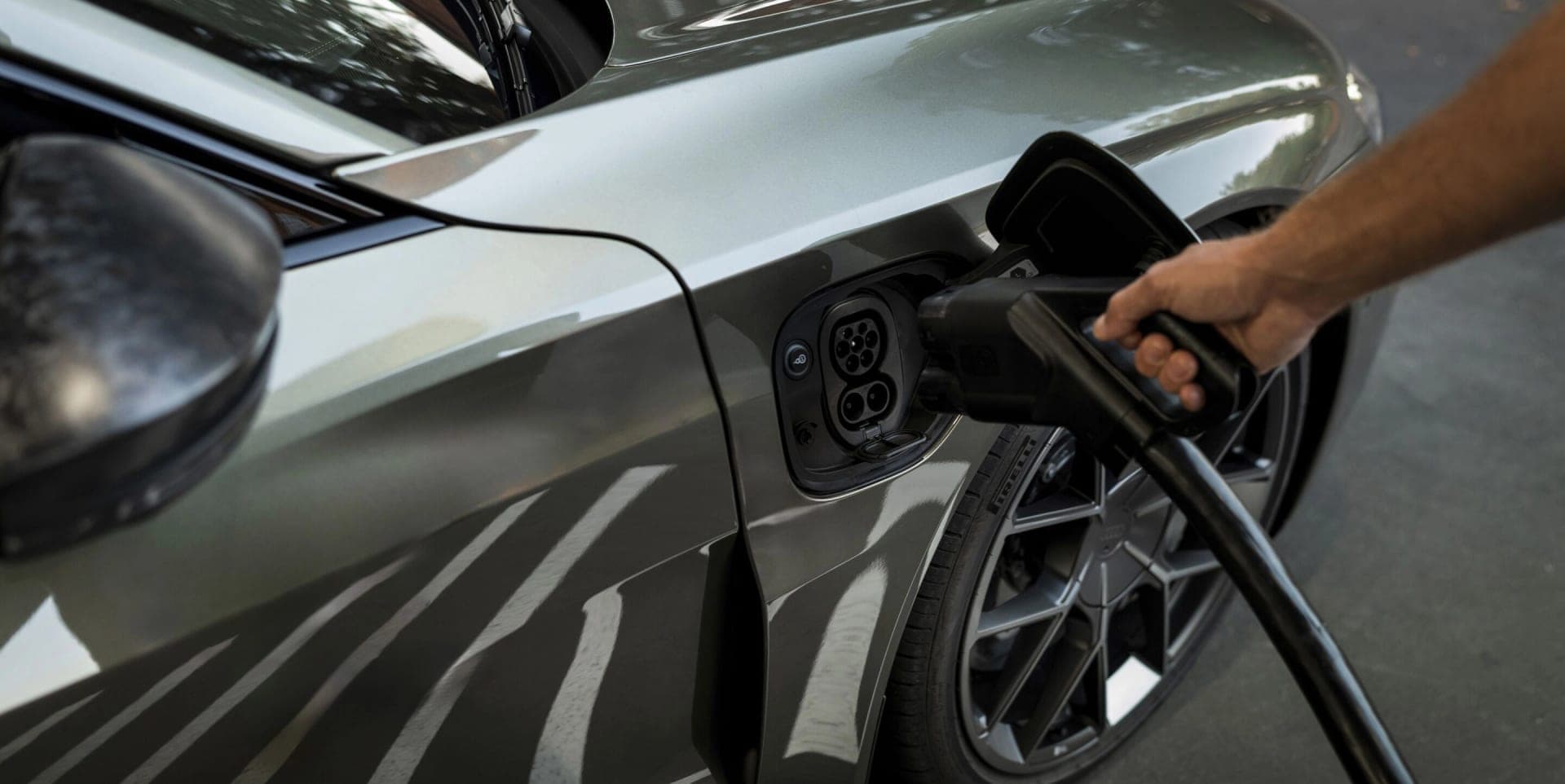
Here is the number that does deserve pressure. Thirty thousand kilometres spread over 350-plus charging sessions works out at one charge every 86 km. That is a very short leg, even for a 1,287 hp four-motor sedan being held flat out.
It matters because battery degradation tracks full charge cycles, not the number of times a cable goes in. 350 shallow top-ups and 350 complete 10 to 97 percent cycles are entirely different stresses, and they would give that 98.7 percent entirely different meanings. BYD has not said which it did. Until it does, the headline describes a real event with an unknown amount of strain behind it.
Why the test happened now
The timing is not an accident. China's Ministry of Industry and Information Technology issued rules in January that take effect on 1 January 2027, requiring conventional passenger cars, buses and trucks to pass reliability verification over no less than 30,000 km. In July, the national standards committee opened consultation on extending that same 30,000 km requirement to pure electric cars, with plug-in hybrids covering 30,000 km including at least 10,000 km on electricity alone.
So 30,000 km is about to become the distance a Chinese car has to survive on paper. BYD covered it in nine days and issued a press release. Yangwang says it ran 758 test vehicles before the U7 went on sale, for 10.49 million km in total.
Why this lands in Europe
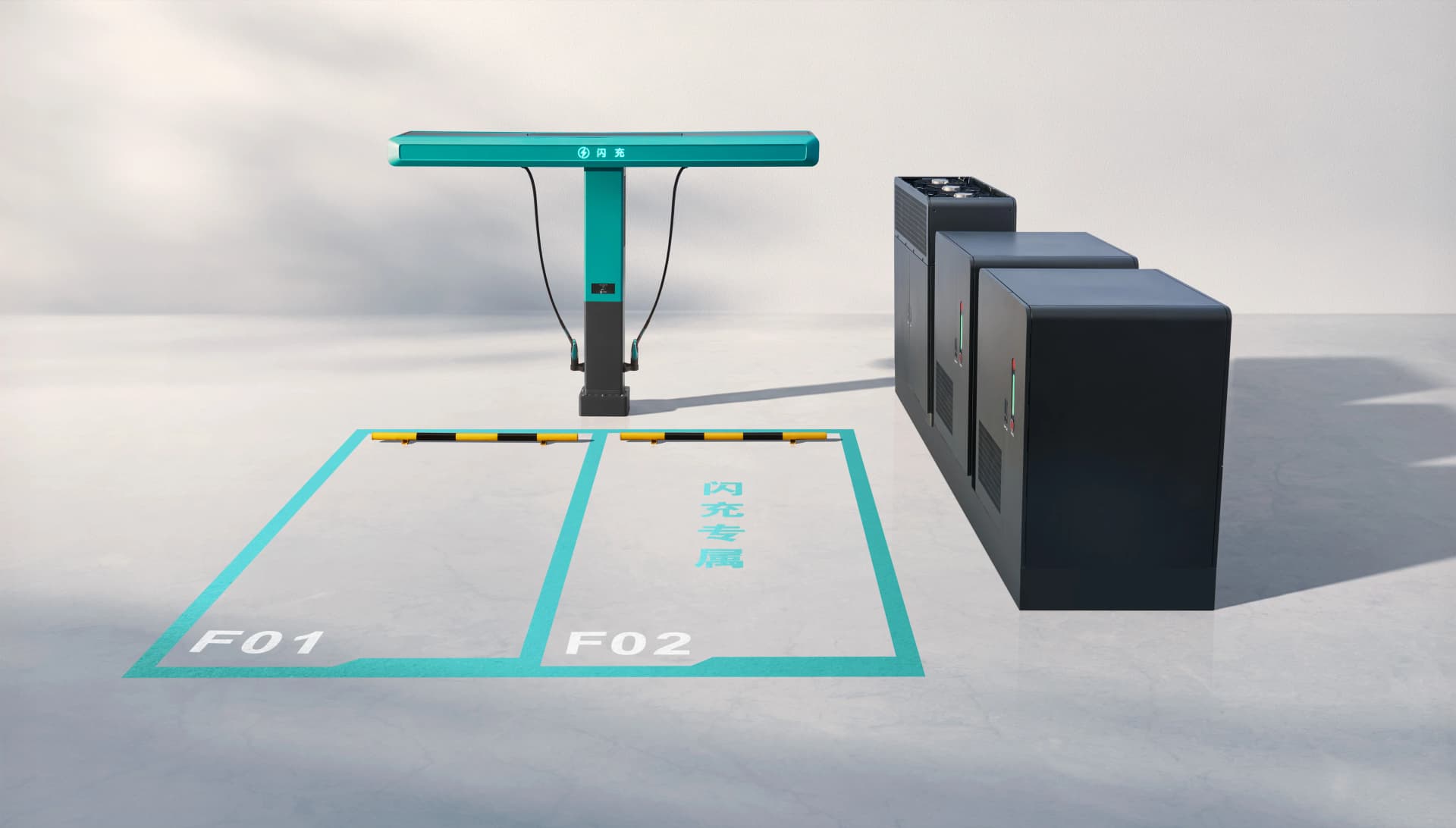
Yangwang is not a European brand yet, although it turned up at Goodwood this summer alongside Denza. The U7 is not really the point. Flash charging is, and BYD is building that network across Europe, aiming at 3,000 sites with a first 1,500 kW station already running in Germany.
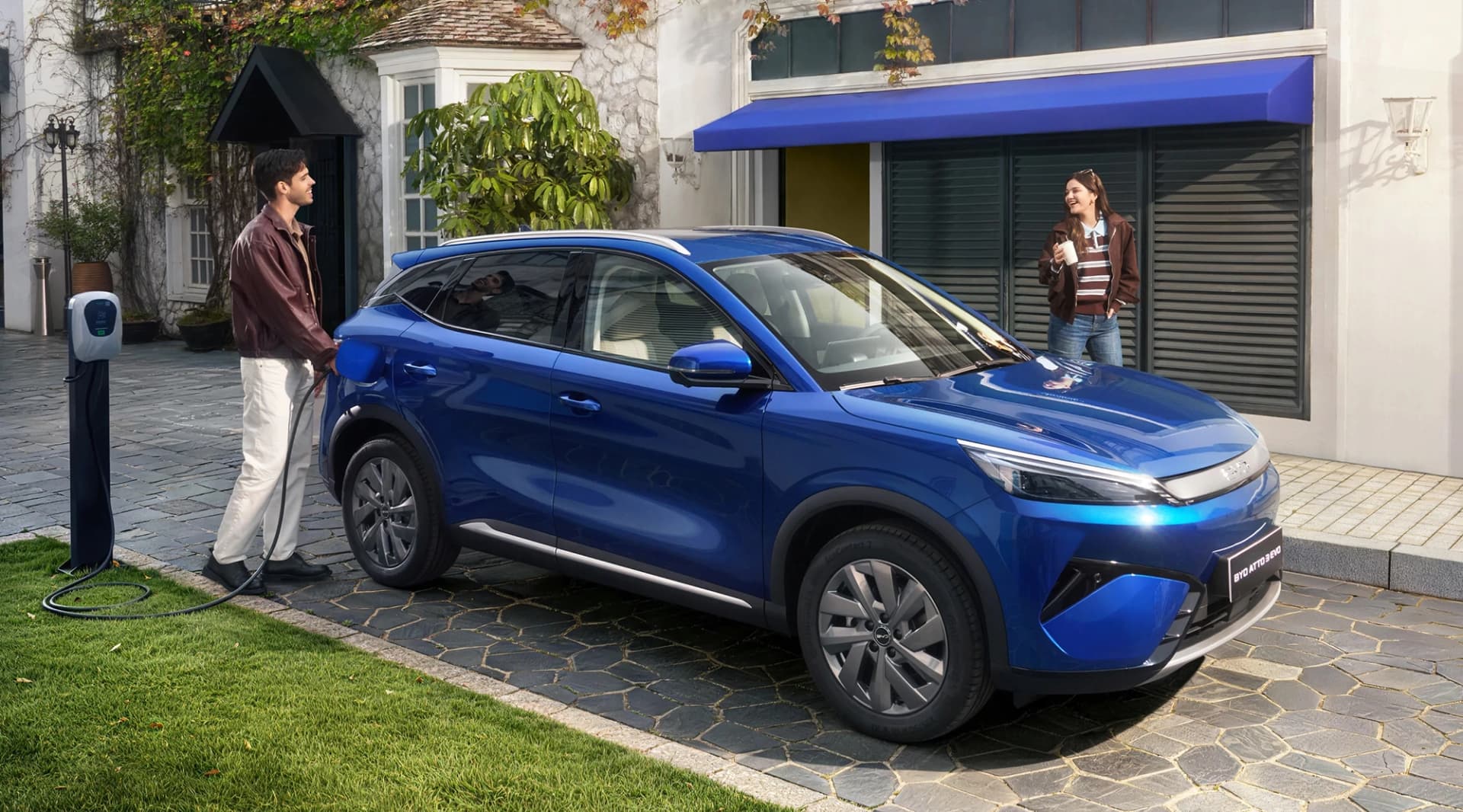
The question every European buyer will eventually ask about that network is whether charging at those rates wears the battery out. That is exactly what this test was built to answer, which is why the methodology matters more than the spectacle. Europe has been here before: an advertising watchdog challenged BYD over an ultra-fast charging claim for the Atto 3 Evo. There is also a benchmark worth holding this against, because a study of roughly 2,500 used electric cars found an average battery health of 95.9 percent, accumulated over years of ordinary driving rather than nine days of abuse.
AutoNext Take
Take BYD at its word and the test is still impressive, because the distance was never the hard part. Holding a showroom car at 240 km/h in 36-degree heat and 80 percent humidity, then fast-charging it 350 times without letting the pack cook, is a real thermal engineering result. LFP chemistry is well suited to that kind of punishment, and inviting anyone who fancies it to come and verify the car is not how a company behaves when it is bluffing.
But an open invitation is not open data, and that gap is where this gets judged. Publish the charge curves, the state-of-charge windows and the method used to measure capacity, and this becomes the most useful public evidence yet that ultra-fast charging does not wreck batteries. Keep them in a drawer and it stays a very quick advert. BYD already has those numbers. The only reason to withhold them is if they read less well than 98.7 percent.