Citroën 2CV returns on 11 October with a sub-€15,000 promise
Citroën's new 2CV shows its face before the Paris Motor Show
Citroën reveals its electric 2CV concept on Sunday 11 October at 19:00, the evening before the Paris Motor Show opens on 12 October. Teaser images released over the past week show the round headlamps, ribbed bonnet and umbrella roof of the 1948 original. The production car follows in 2028, priced under €15,000 before subsidies, and Citroën still has not named a range, a battery or a seat count.
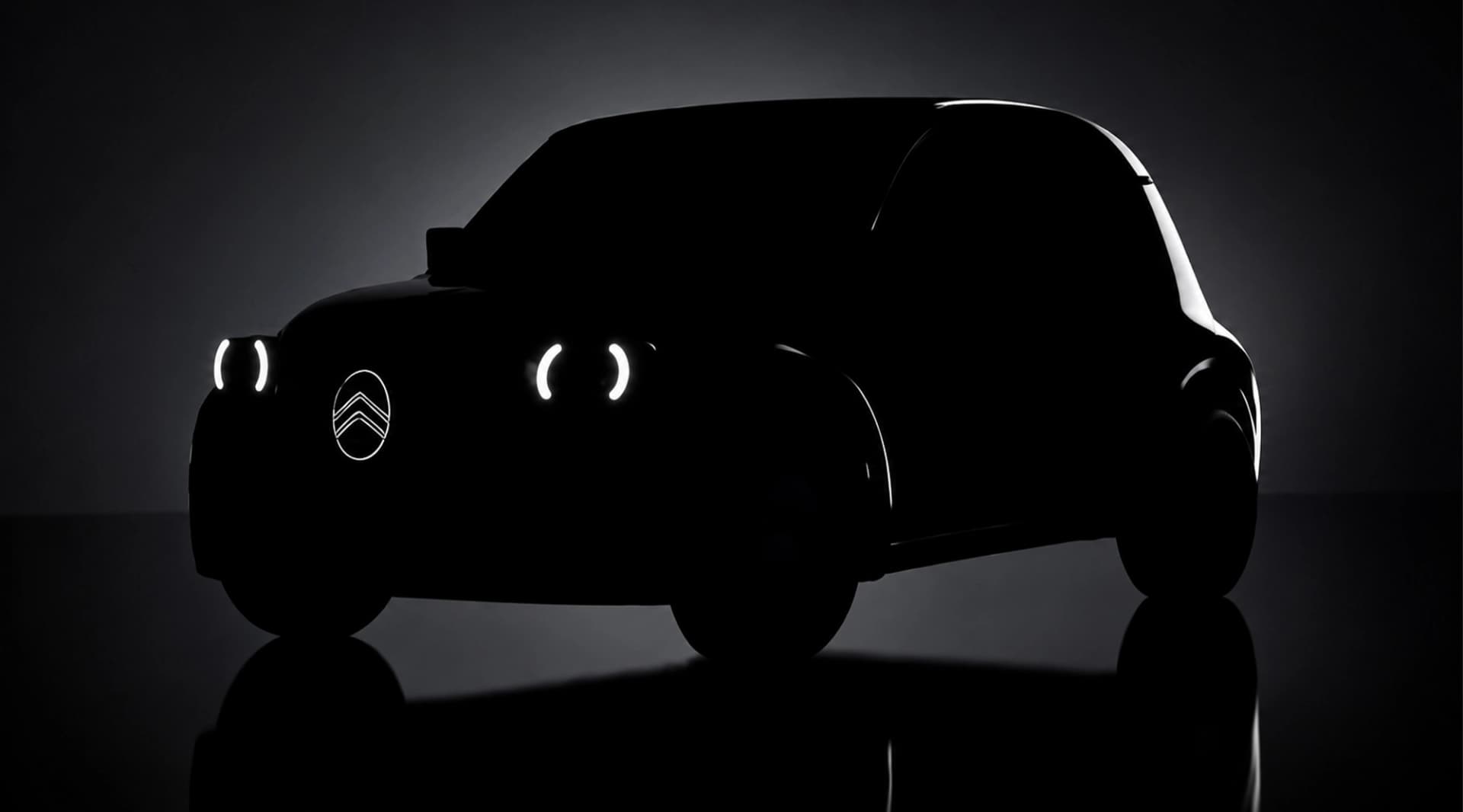
Teasers show round headlamps, a ribbed bonnet and Michelin tyres
The 2CV teasers show dome-shaped LED headlamps set high on the front wings and a bonnet with deep ribs, the trademark of early cars. An open air slot between wings and bonnet comes from later 2CVs, and the indicator sits high on the rear pillar under an umbrella-shaped roof. The orange paint nods to the 1976 2CV Spot. The large steel-look wheels wear tyres with Michelin lettering, which is history rather than sponsorship: Michelin owned Citroën when the 2CV was developed, and the 1948 car launched Michelin's radial tyre.
Under €15,000 puts the 2CV about €5,000 below Renault's Twingo
Citroën has promised a starting price under €15,000 before subsidies for the production 2CV. That is roughly €5,000 below the Renault Twingo, which lists at €19,990 in Germany and opened under €20,000 in France. The 2CV will become Citroën's entry car, between the Ami quadricycle and the ë-C3. Citroën boss Xavier Chardon frames it as a car that gives buying power back to European drivers, and the price ceiling is the one part of that claim that can be checked.
Stellantis builds the E-Car in Pomigliano d'Arco from 2028
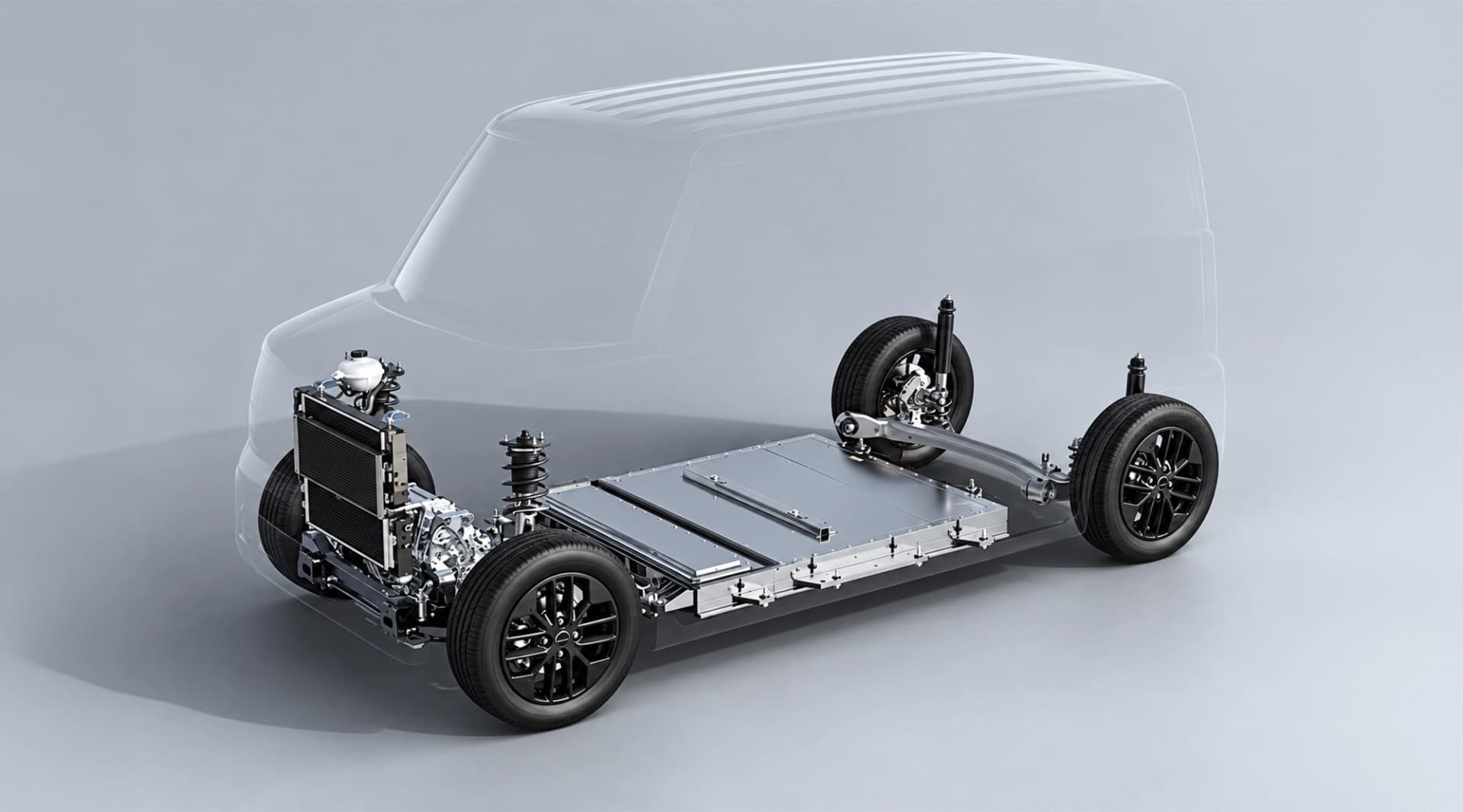
The 2CV is the first confirmed model of Stellantis' E-Car project, announced on 19 May with production from 2028. It will be built at Pomigliano d'Arco near Naples, the plant that makes the hybrid Fiat Panda, on a base Stellantis says will serve several brands. Citroën confirmed the 2CV name two days later, and a smaller Fiat is expected to share the hardware. Choosing an Italian plant over a cheaper non-EU one is deliberate, because of the rule that follows.
The EU's M1E class favours electric cars under 4.2 metres
The European Commission proposed the M1E category on 16 December 2025 for fully electric cars no longer than 4.2 metres and assembled in the EU. Each one would count as 1.3 cars towards a maker's CO2 target from 2030 to 2034, as our M1E explainer sets out. Parliament and Council are still negotiating, so it is not law. A Pomigliano-built 2CV is designed to qualify on both length and origin, which turns a cheap car with thin margins into a compliance asset for the whole group.
The original 2CV ran 42 years and built more than 3.8 million cars
The first 2CV appeared at the 1948 Paris Salon, and the last left the Mangualde plant in Portugal in 1990, after more than 3.8 million had been built. The attachment has not faded. In the Dutch village of Andijk, collector Edwin Groen closed his Eendenmuseum last month after more than 30 years. His roughly 450 cars, over 300 of them 2CVs, went to trader Nico Aaldering, who plans to auction them in spring 2027.
AutoNext Take
Citroën has done this in the right order. It committed to a price in May, months before anyone saw the car, and a ceiling under €15,000 is the one part of the 2CV formula that round headlamps cannot fake. The teasers suggest the design team studied the 1948 car rather than drawing a cartoon of it, and an Italian-built body under 4.2 metres is exactly what Brussels plans to reward.
Sunday's concept will not settle the question, because range, battery size and seating are still unknown. The production car has to reach showrooms in 2028 still under €15,000 before subsidies, about €5,000 below today's Twingo. If it does, the 2CV will be the first Citroën in decades that people choose for its price and keep for its character, which was the entire brief in 1948.