Electric cars now outsell petrol in the EU, by 6,600 registrations
Two summer months turned an 88,000-car petrol lead into an electric one
Battery-electric cars have passed petrol in the European Union's registrations for the year. ACEA's January-to-August figures, published on 24 September, count 1,641,333 new electric cars against 1,634,733 petrol cars, a margin of 6,600 in a market of 7.55 million. Rounded, both hold 21.7% of the market. At the end of June, petrol was still ahead by 88,263 cars.
August alone: 196,486 electric cars in the EU against 133,816 petrol
August did most of the work. EU buyers registered 196,486 battery-electric cars that month, 62.7% more than a year earlier, while petrol registrations fell 24.6% to 133,816. That puts electric at 27.7% of the August market and petrol at 18.9%. July and August together added 420,443 electric cars to the running total and only 325,580 petrol ones, enough to erase the June deficit with room to spare. Across the wider bloc of EU, EFTA and UK, the lead is already wide: 2,133,364 electric cars against 1,972,681 petrol, a margin of 160,683.
France and Germany register 51% of the EU's electric cars
France and Germany account for 837,644 of the 1,641,333 electric cars registered in the EU this year, just over half. German electric registrations are up 53.1% and French ones 74.2%, while French petrol sales have fallen 35.8%. Germany now stands at 26.2% electric against 20.9% petrol, France at 29.9% against 14.2%. Denmark, at 80.6% electric, barely sells petrol cars at all. The brand table shows who is supplying the growth: BYD has registered 177,752 cars in the EU this year, 163% more than a year ago, and has passed Tesla's 142,165.
Italy and Spain buy hybrids: 49% and 47% of their markets
Southern and central Europe are taking a different road. In Italy, hybrids take 49% of new registrations and battery-electric cars 8.1%; in Spain the split is 47.2% against 10.2%. Poland, the EU's fifth-largest market, is 5.1% electric. In all three countries hybrid volumes have grown far faster than electric ones this year, and in Poland electric registrations have actually slipped 2.1%.
Belgium is 37.8% electric and still registers more petrol cars
Belgium is the odd case. Its electric share this year is 37.8%, far above the EU average, yet 118,433 petrol cars were registered against 108,879 electric ones. Hybrids hold just 11.5% of the Belgian market, so buyers mostly pick one extreme or the other, which fits a country where company fleets went electric under tax rules that favour zero-emission company cars. August hints at the turn: 46.2% electric, with 13,069 cars against 9,685 petrol.
Mild hybrids keep petrol engines inside ACEA's 36.6% hybrid share
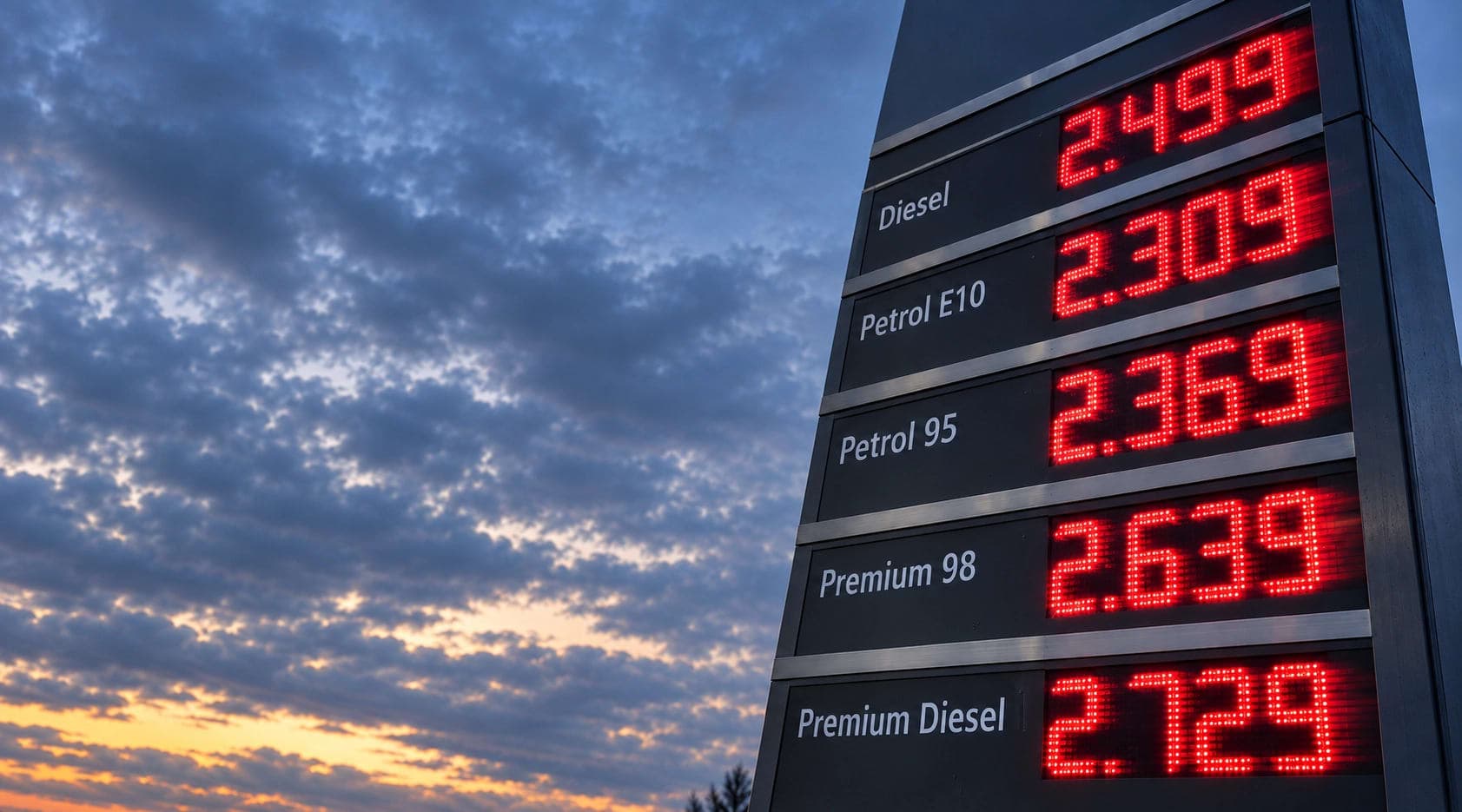
ACEA's hybrid category includes mild hybrids, petrol or diesel cars with a small electric assist, and hybrids are the EU's biggest powertrain at 36.6%. Add petrol at 21.7% and diesel at 7.3%, and about two new cars in three still carry a combustion engine and no charging socket. Electric share has still climbed from 15.8% a year ago, and from 20% at the end of May, at a time when diesel prices have hit records across the EU.
AutoNext Take
Europe is abandoning the petrol car on the showroom floor, years before any law requires it. The 2035 deadline is nine years off and the CO2 targets for 2025 to 2027 were softened into a three-year average. Buyers in Germany, France, the Netherlands and the Nordics chose electric in enough numbers to outvote the rest of the Union, and they did it while Italy, Spain and Poland, together 31% of the EU market, stayed at 8.3% electric between them.
The gap will not stay at 6,600. August ran 62,670 cars in electric's favour in a holiday month, and if the last four months come anywhere close, ACEA's full-year release in late January should show battery-electric ahead of petrol by more than 150,000 cars. That would make 2026 the first calendar year in which the EU bought more electric cars than petrol ones, a milestone that belongs to buyers rather than to Brussels.