F1 drivers brand the Bahrain GP software meltdown “horrible” and “unacceptable”
F1's new hybrids were so complicated that a bug left the cars stuck in idle on the formation lap
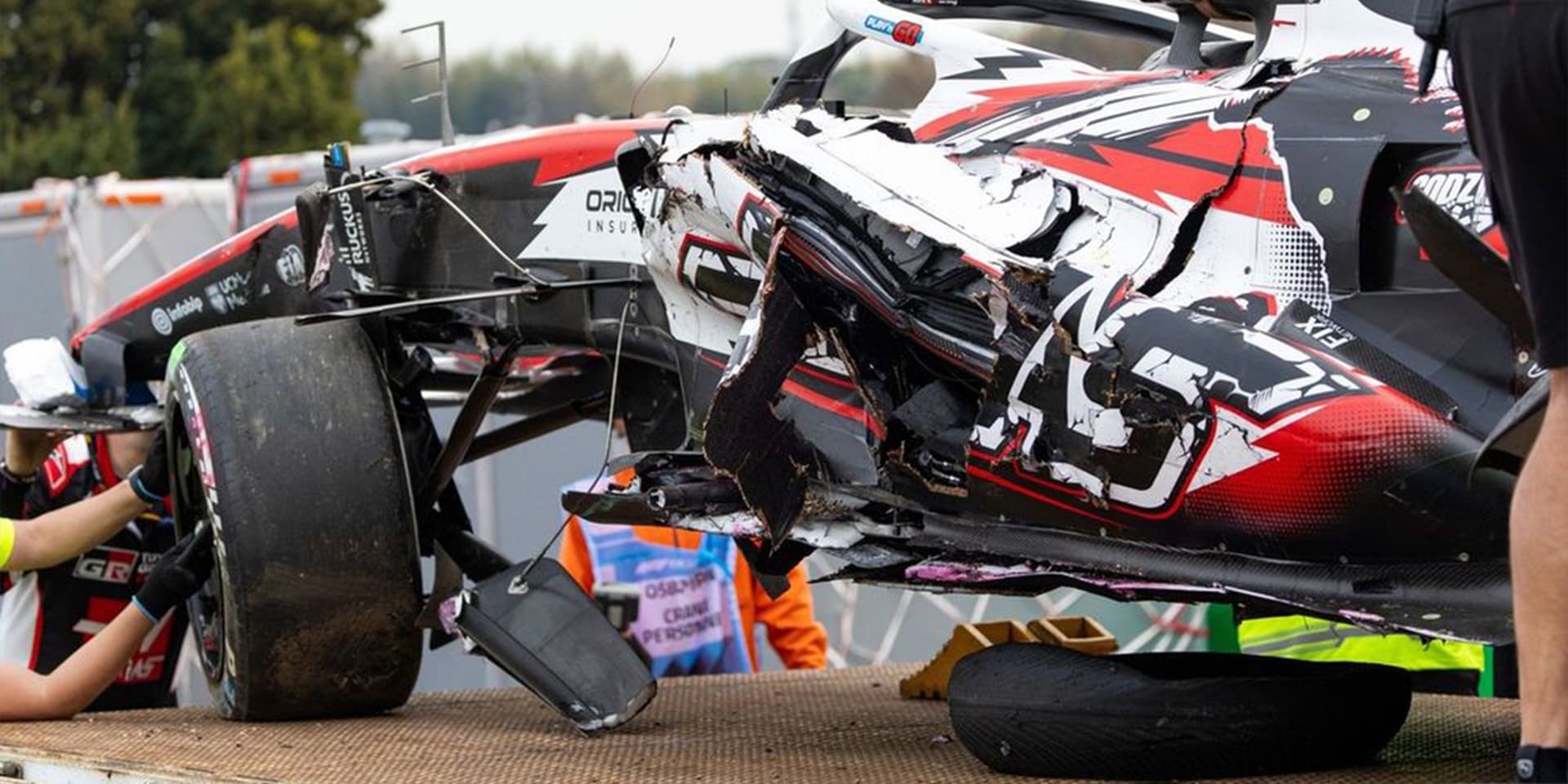
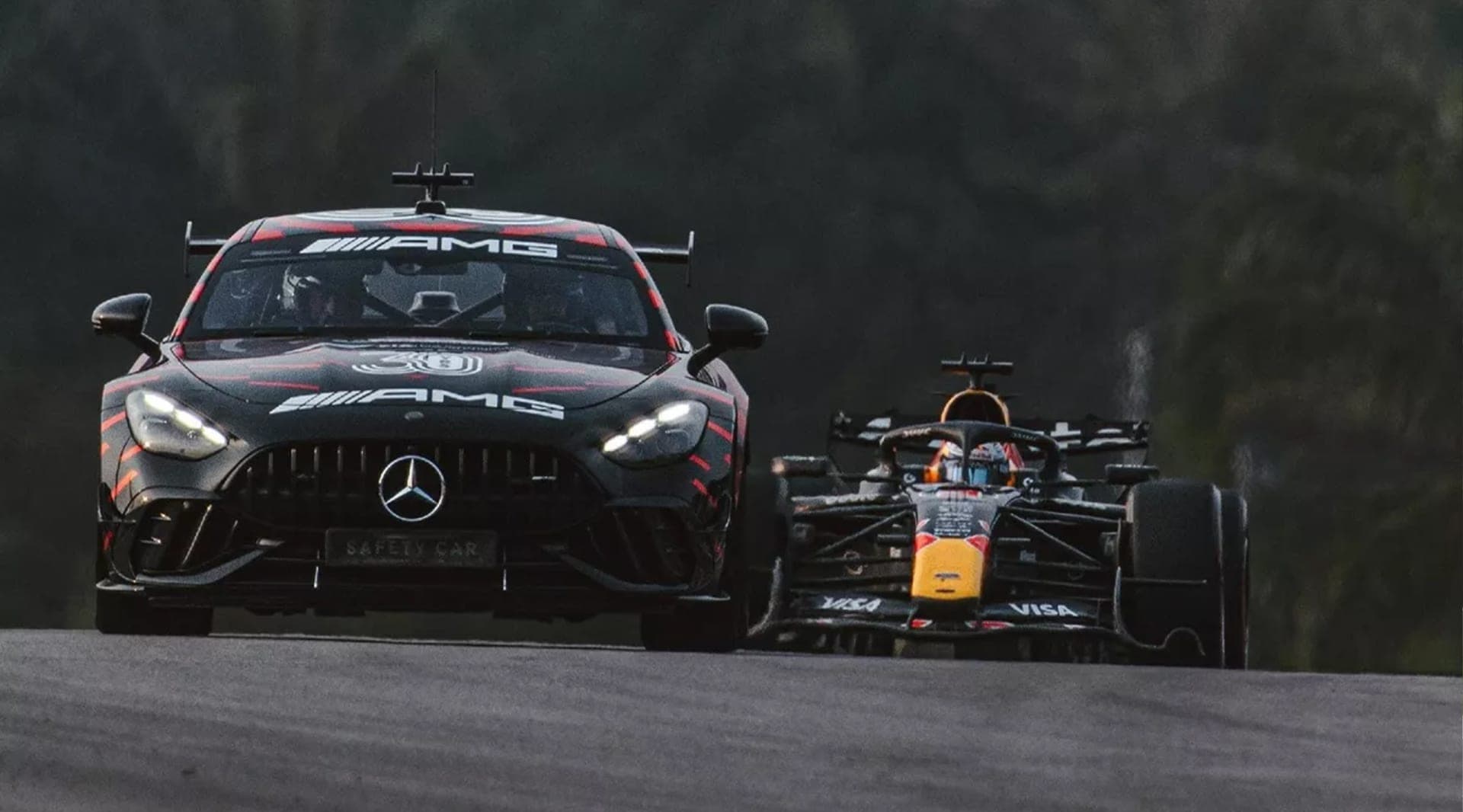
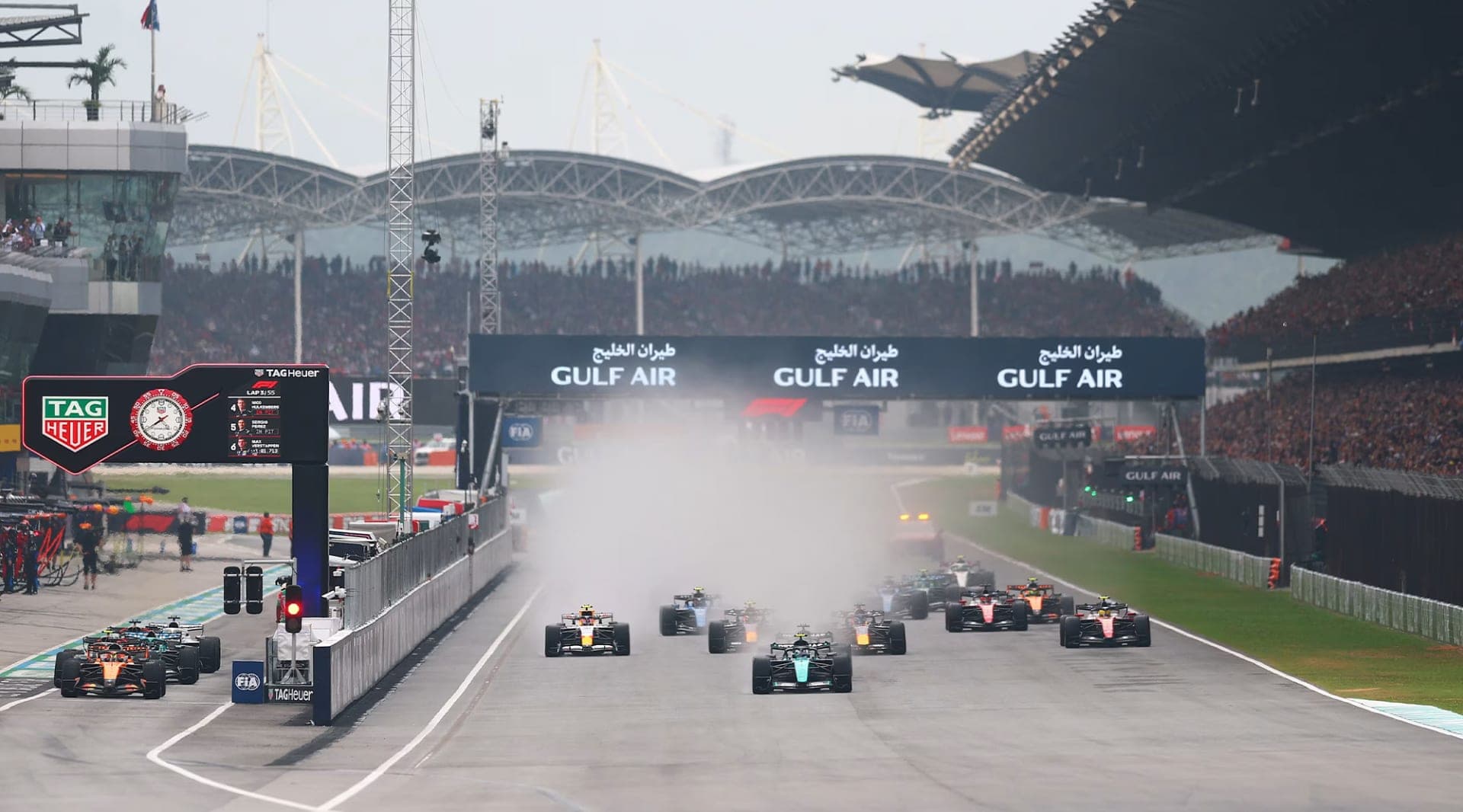
The start of the Bahrain Grand Prix, run this year at Sepang in Malaysia, turned into one of the strangest scenes Formula 1 has produced in a long time. On a wet track, behind the safety car, car after car simply stopped responding. Max Verstappen lost power first while crawling along at the front, Lewis Hamilton rolled to a halt, and several others followed, leaving drivers sat almost motionless on what should have been a routine formation lap.
Race control red-flagged the start, and it took close to an hour, and a software patch sent to all eleven teams, before the race could finally get going. Verstappen went on to win once it did, but the opening shambles was the story everyone left talking about.
A software bug left the cars stuck in idle
This was the first time the 2026 cars had raced in the wet, and that turned out to matter. FIA single-seater director Nikolas Tombazis explained that a bug in the FIA-supplied control software, developed with the teams over several years, had never been tested at the very low speeds the cars reached behind the safety car. In the wet, the 2026 power units cut their electrical deployment to 250 kW, and as the field concertinaed almost to a standstill, some cars dropped into a loop that stopped the power being redeployed.
To the drivers it felt as though the throttle had died. The puzzle is that the petrol engine went dead too, which should not happen at such low speed. The FIA has no formal answer yet, but its early reading is that the bug sent all the throttle input into recharging the MGU-K, so nothing reached the wheels. Mercedes-powered cars looked less affected, though Tombazis said that was only down to which cars hit the lowest speeds, not any technical advantage.
A patch coded in a few minutes, not five days
With cars stranded, the FIA wrote and shipped an emergency fix during the red flag, lifting the 250 kW wet restriction in the specific minisectors where the low speeds had tripped the bug. Every team then had to install it, which is what stretched the delay out. Tombazis was candid that this was a rush job. “Clearly, we didn't have five days to do the updates. We only had a few minutes,” he said, adding that the fix was done “without compromising any safety, any racing or fairness.”.
He was equally frank about how it slipped through in round 16 of the season. “The software was tested. It just wasn't tested in those specific conditions,” he said. “Any bug is a product of a mistake. I don't know of any software that doesn't have bugs.” He could guarantee this exact fault would not recur, but not that another one never would.
The drivers were not impressed
The paddock reaction was blunt. Lando Norris, one of the few Mercedes-powered drivers caught out, called it “just horrible” and said it proved F1 “shouldn't have any of that stuff, the electronic side.”.
Sergio Perez, in one of the Ferrari-powered Cadillacs, said it “felt like you were in a rental kart and you ran out of time” and called the whole thing “totally unacceptable for the sport.” Oliver Bearman of Haas sounded genuinely unsettled. “I didn't even know that the FIA could control our throttle pedal. That was quite scary,” he said. Fernando Alonso complained there is “too much technology” in the series, and even Verstappen, the eventual winner whose slow getaway helped trigger the bug, compared it to a toy race. “It was like the Lego race, the same speed. At some point we were five-wide on the straight because we couldn't understand what was going on,” he said.
AutoNext Take
A Grand Prix held up because eleven teams had to install a software update is not a look Formula 1 can shrug off. The racing was good once it started, and Tombazis and his engineers deserve credit for diagnosing and fixing a years-old bug in minutes under real pressure. That part was handled well.
The harder question is why the sport put itself in a position where a wet formation lap could freeze half the grid. The 2026 cars lean so heavily on their electronics that a single untested condition stopped them dead, and the drivers clearly feel it. We argued when these rules were signed off that they were a disaster waiting to happen, and a field of stationary F1 cars waiting for a patch is about as literal as that gets.