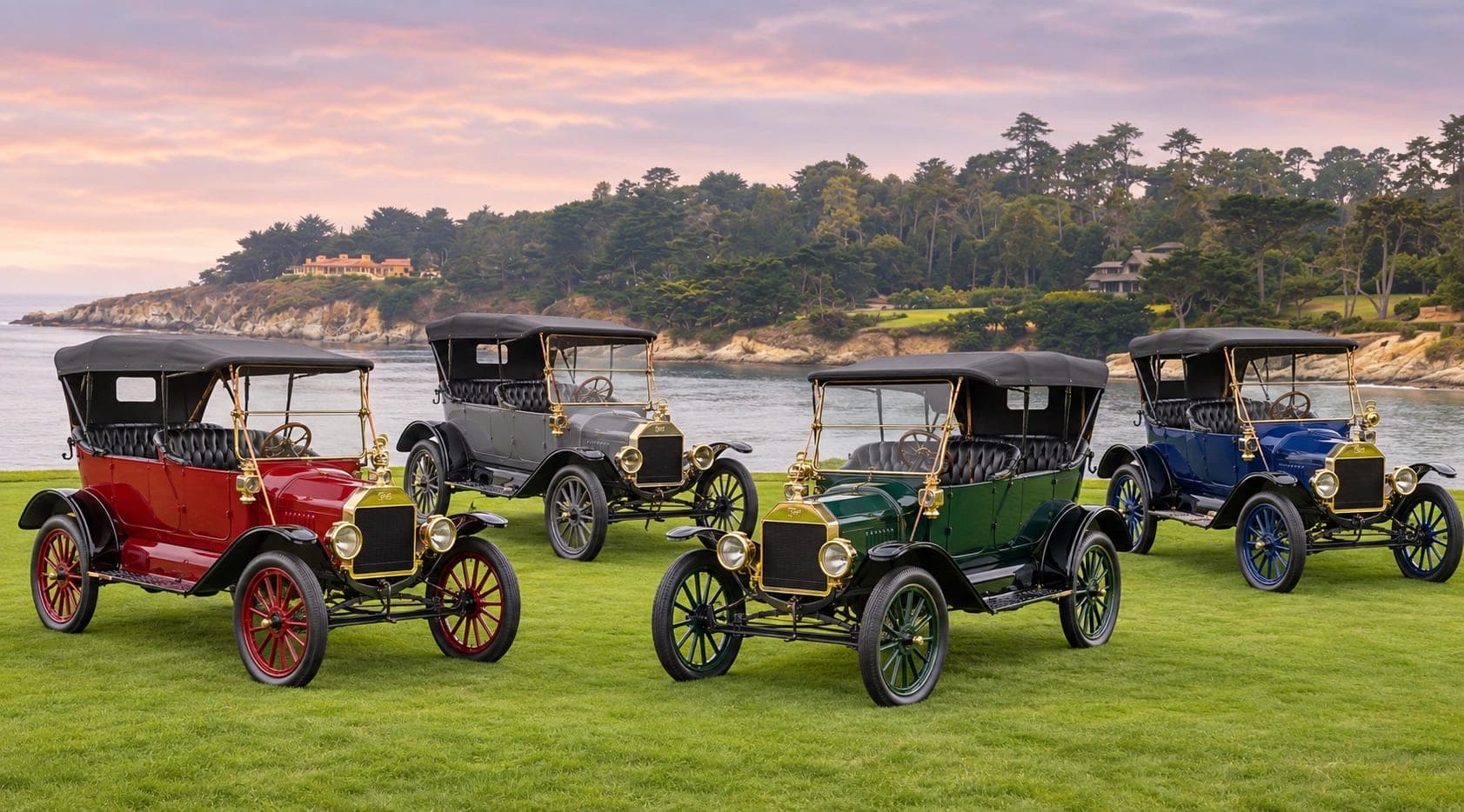
Ford's black Model T first came in red, grey, green and blue
Henry Ford's famous black-paint line describes a rule that began in 1914
Everyone knows the line: any colour you like, as long as it is black. It is usually taken to mean that every Ford Model T was black. That part is wrong. The quote is genuine and Henry Ford wrote it himself, but the black-only Model T arrived six years into production and was gone for the last two. Our verdict: true, but misunderstood.
Henry Ford published the black-paint quote in 1922, dating it to 1909
The line comes from My Life and Work, the autobiography Henry Ford published in 1922 in collaboration with the writer Samuel Crowther. Ford places it in 1909, on the morning he told his managers the company would build only one model, the Model T, on one identical chassis. His words, as printed: "Any customer can have a car painted any colour that he wants so long as it is black." The book's own summary of his career repeats that in 1909 he decided to build only the Model T, painted black. Thirteen years separate the remark from its publication.
Model Ts came in red, grey, green and blue from 1908 to 1913
Ford's own cars contradict that date. From 1908 to 1913 the Model T was sold in red, grey, green and blue, with the colour tied to the body style: touring cars, for example, came in red. The Henry Ford, the museum in Dearborn, Michigan, says of the 1913 Model T Touring in its collection that this was the last year for colours other than black until 1926. The black-only rule that Ford dates to 1909 did not reach customers for another five years.
Black-only Model Ts were built from 1914 to 1925
The switch to black came with the 1914 cars, just after Ford started its first moving assembly line at Highland Park on 7 October 1913. For the next twelve years every Model T left the factory in black. Colour returned for 1926, and the Model T ended production in 1927 after more than 15 million had been built. Of the twenty years the car was on sale, eight were not black-only, which is a long footnote for a car remembered as having no choice at all.
Why Ford painted the Model T black is still disputed
The most repeated explanation is that black paint dried faster, so cars moved through the plant quicker. The Detroit Historical Society still gives that as the reason. Other Model T historians reject it and argue that cost and durability decided the matter. We could not find a document that settles it, so on the evidence available the drying story is unproven rather than false. What it does share with the cost argument is the logic of the line: one colour meant no paint changes in a factory built around speed.
AutoNext Take
The real story is better than the myth. Ford did not begin as the man who refused his customers a choice. He began with four colours, took them away once the moving assembly line made every minute count, and gave them back for the car's final two years. The black Model T belongs to the assembly line era, not to the 1909 morning Ford describes, and his quote reads more like a 1922 slogan than a 1909 order.
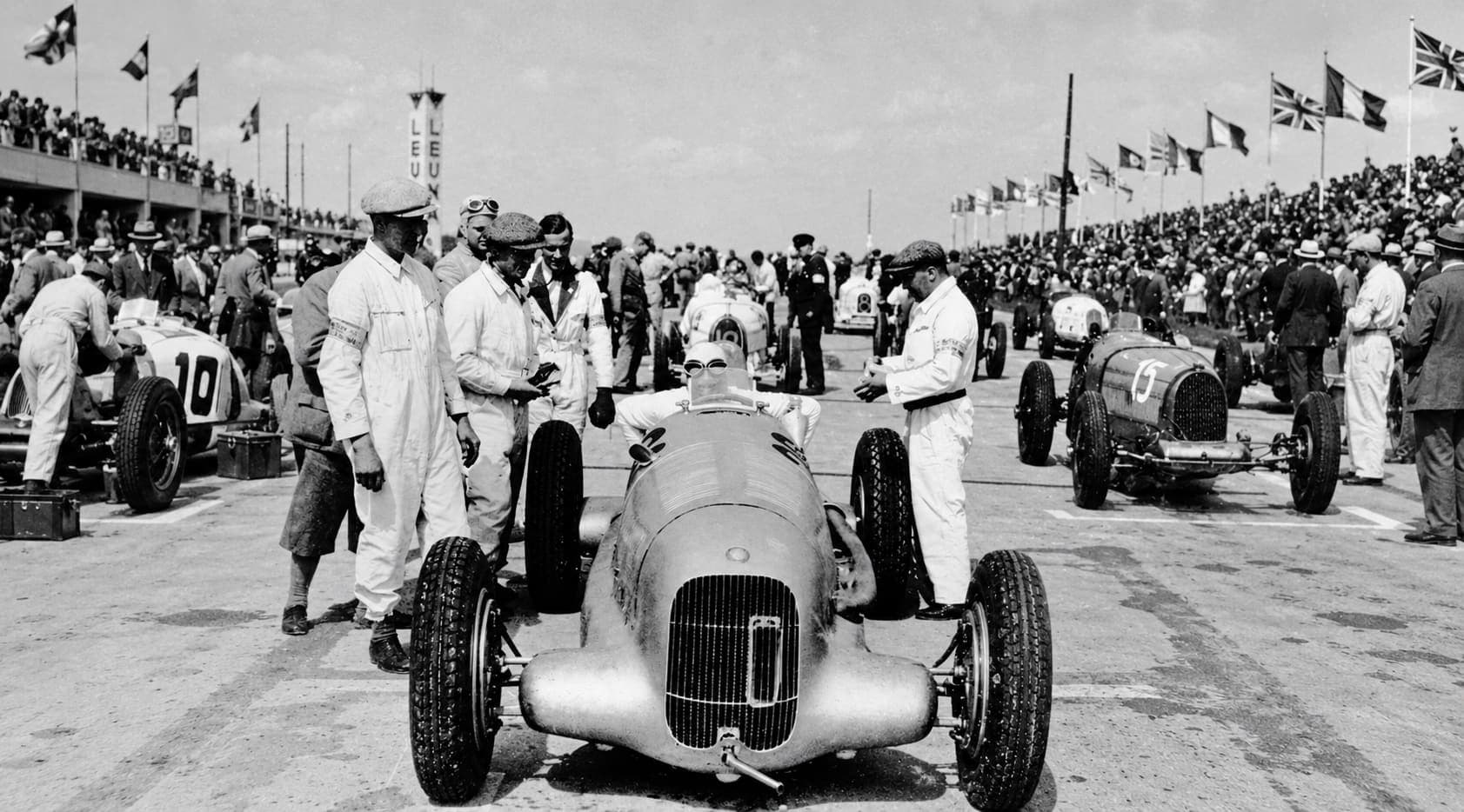
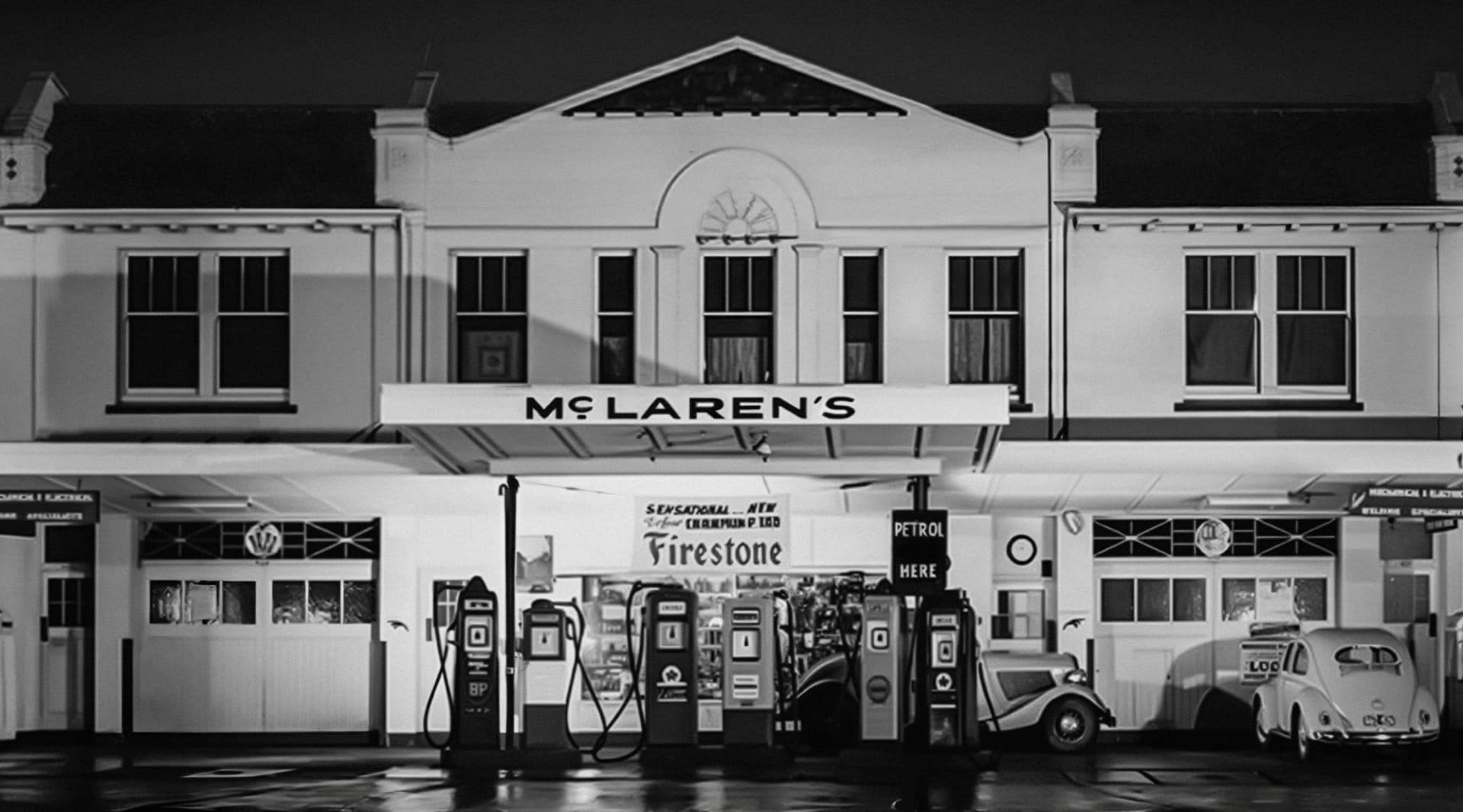
Origin stories survive because they compress a messy history into one perfect sentence, from McLaren's garage-sign logo to the Mercedes Silver Arrows paint legend. This one is half right, which makes it stickier than a pure invention. If a dated Ford document ever turns up ordering black-only cars in 1909, this verdict falls. Until then, the line belongs to 1914.