Geely is chasing a five-minute charge, and Europe is nowhere near
Five minutes and 32 seconds, and it still is not fast enough
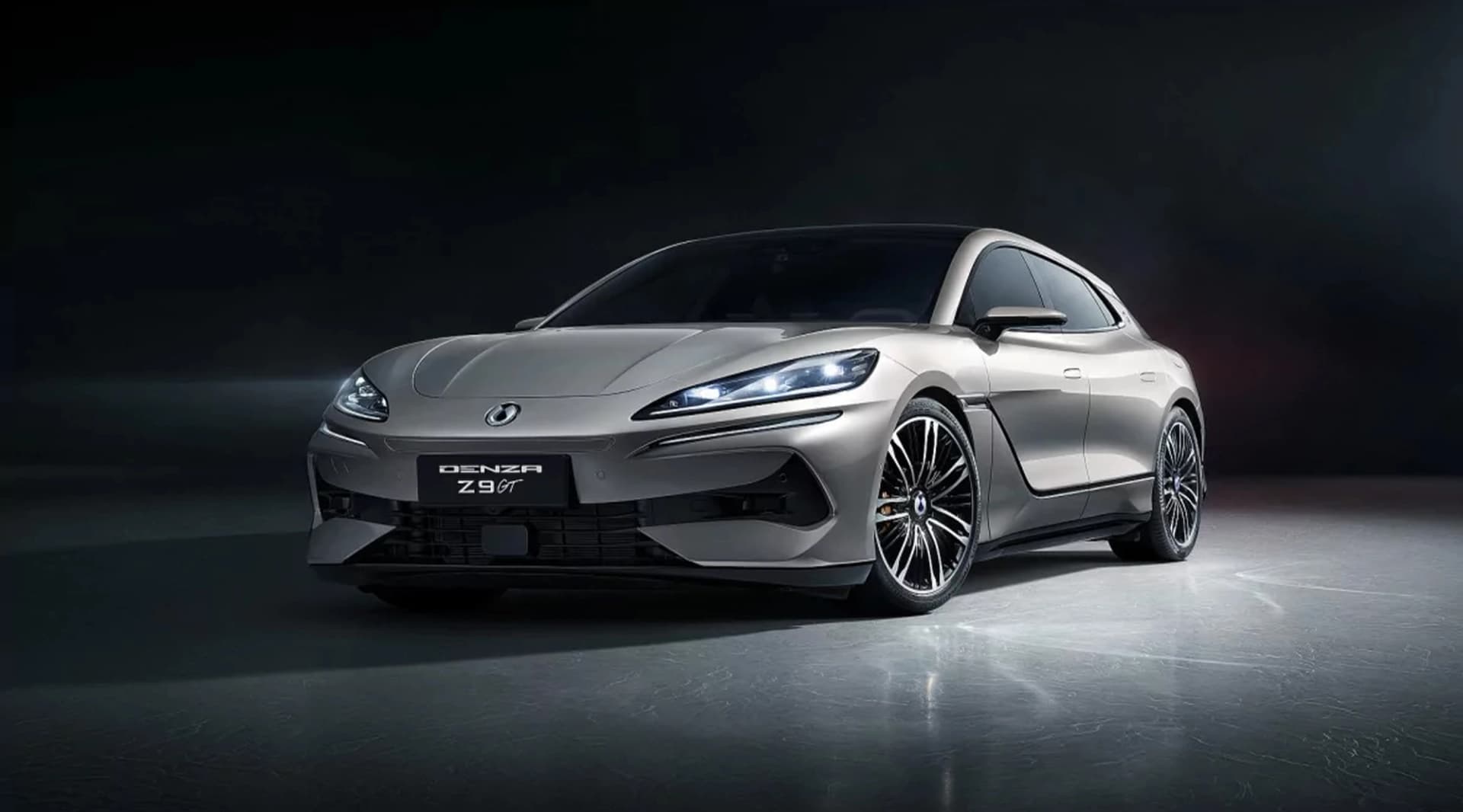
That is how long a Lynk & Co sedan needed to go from 10 to 80 percent on a Zeekr charging station, peaking at 1,100 kW. Push on to 97 percent and the clock stopped at 8 minutes 42 seconds. By any European standard that is science fiction, and by Geely's own standard it is now the baseline it wants to beat.
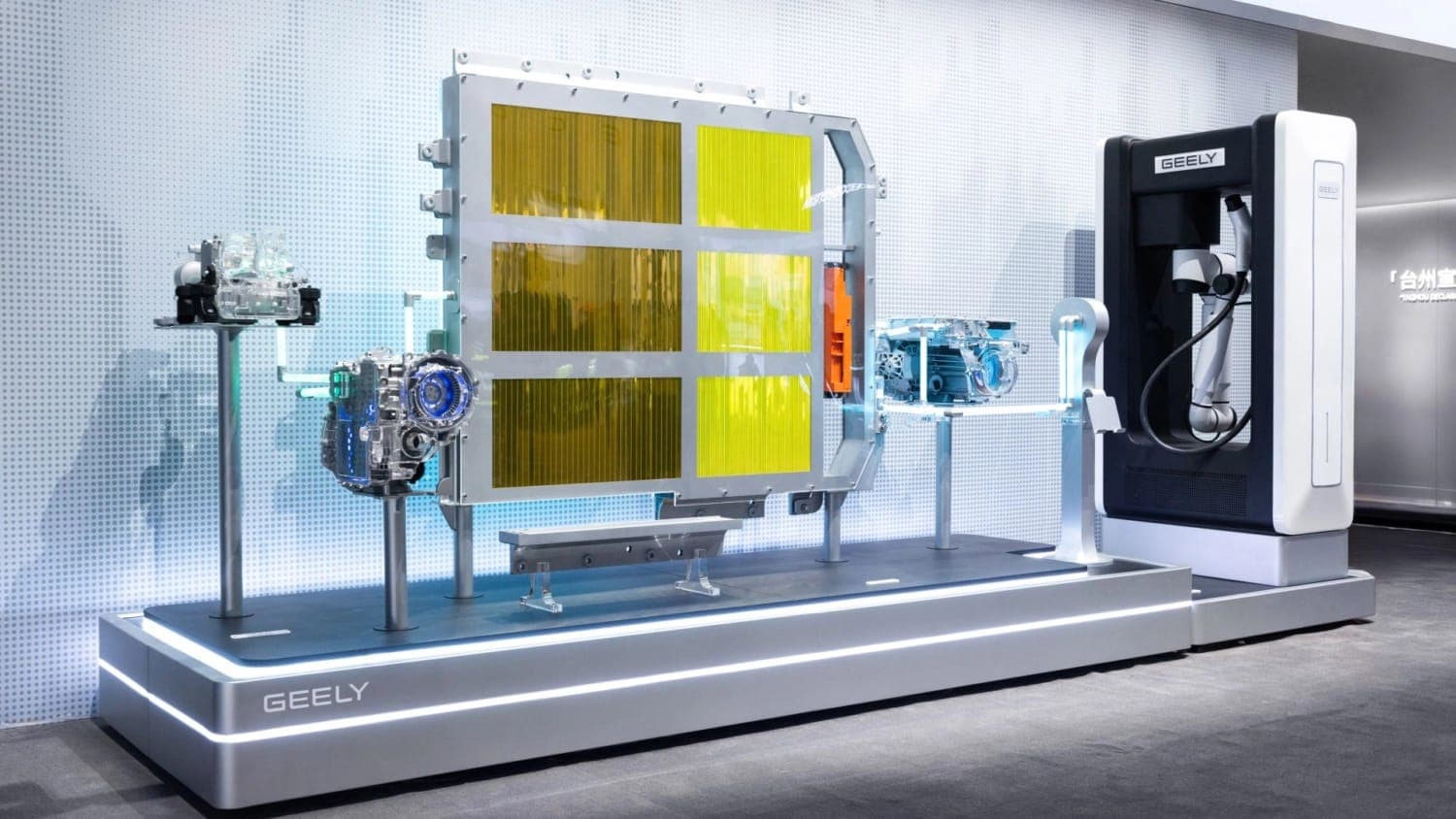
The group has confirmed it is developing a 1,000-volt architecture to replace the 800-volt systems its cars use today, covering the battery, the motors, the power electronics, the on-board charger and the wiring. The target is to go beyond that five and a half minute mark. The interesting part is not the number. It is who Geely owns.
What an extra 200 volts actually buys you
Charging power is voltage multiplied by current. Push more current through a cable and you generate heat, which means thicker copper, heavier cooling and a battery that ages faster. Raise the voltage instead and you move the same energy with less current, less heat and less mass. That is why the industry crawled from 400 to 800 volts, and why 1,000 is the next rung on the ladder.
Geely is not first. BYD's Super e-Platform has been running at 1,000 volts since 2025 in cars like the Han L EV and Tang L EV, paired with a Megawatt Flash Charger rated at up to 1,360 kW that claims roughly 400 km of Chinese-cycle range in five minutes. CATL's second-generation Shenxing cell is built for 1.3 MW and up to 520 km in the same window. Geely is catching up to a standard that already exists, not inventing one.
What it does have is scale across brands. The same high-voltage set of components can be reused by Volvo, Polestar, Lotus, smart, Zeekr and Lynk & Co, which is exactly the logic behind its 16-in-1 electric drive unit. Develop once, amortise across half a dozen badges, several of which sell cars in Antwerp and Munich as well as Hangzhou.
The chargers are already waiting for the cars
Here is the detail that says the most about how China is doing this. By March, Geely had installed more than 2,100 Zeekr charging points capable of a peak output of up to 1,500 kW. Not one car in the group can currently take that. The infrastructure was built first, deliberately overspecified, and the vehicles are being engineered to grow into it.
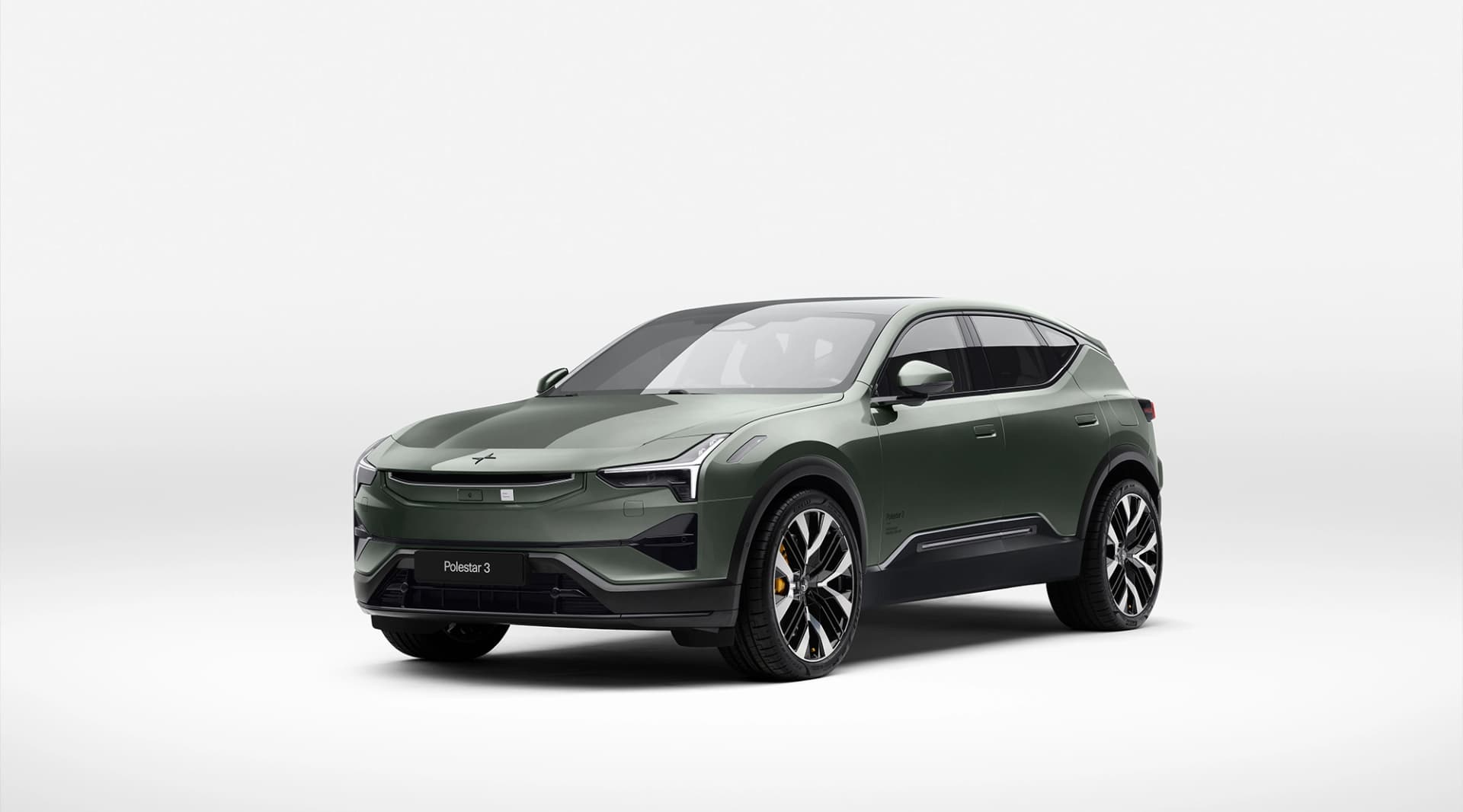
Europe works the other way around. Cars arrive with impressive charging claims and then queue at whatever the network happens to offer. The fastest public chargers on the continent are rated at 350 to 400 kW, and the moment a Geely group car sits down at one, the 1,000-volt architecture becomes a rounding error. Even the recent Polestar 3 upgrade to 800 volts and 350 kW counts as a genuine step forward here, which tells you where the ceiling sits.
That gap is not a technical failure so much as a different investment order. China built the sockets and is now building the cars to match. Europe built the cars and keeps hoping somebody else pays for the sockets.
Why this ends up on a Belgian driveway
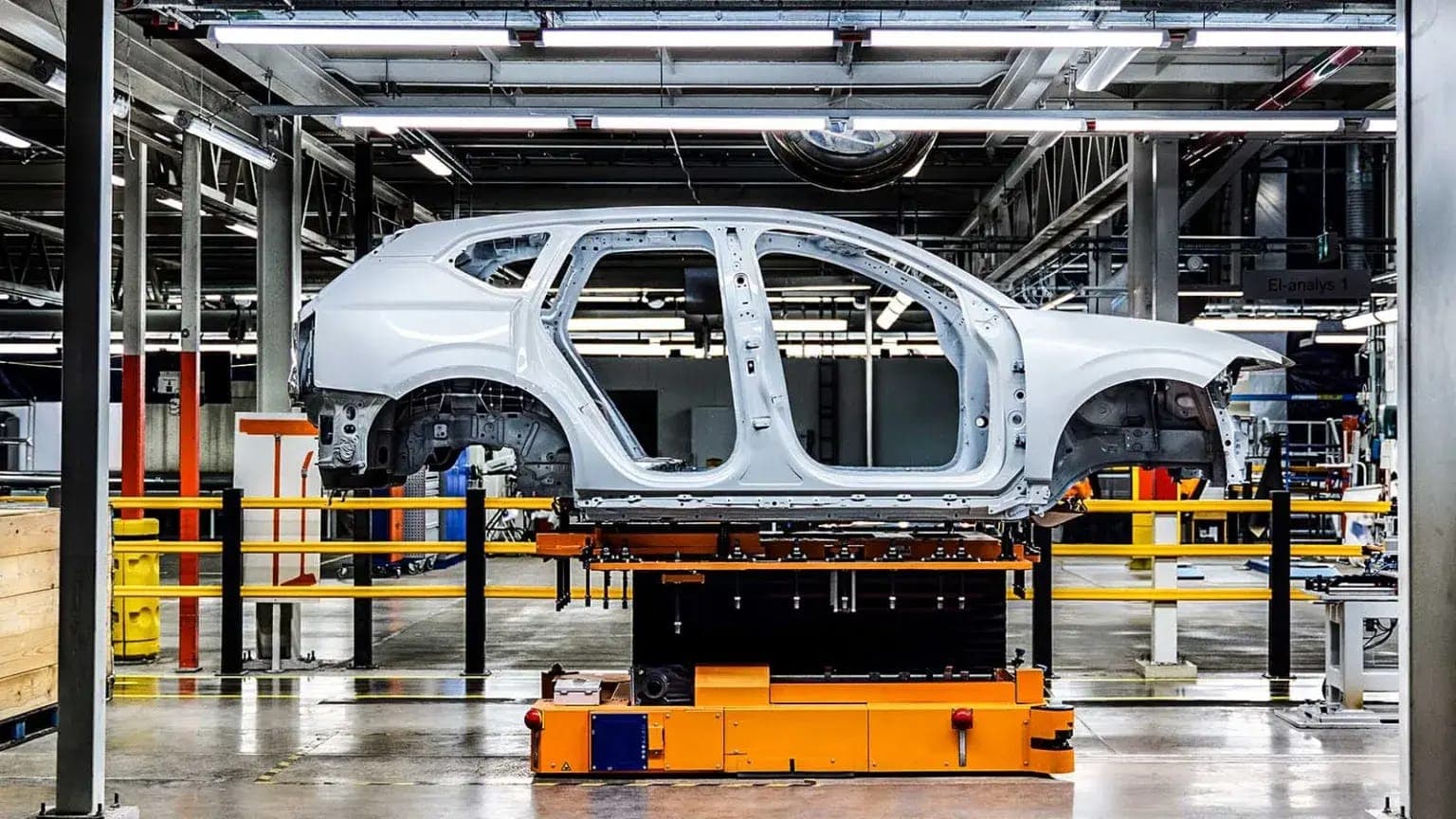
It would be easy to file this under Chinese domestic news. It is not. Geely already builds and sells across Europe through Volvo and Polestar, is expanding Lynk & Co and Zeekr here, and has agreed to build its premium cars in Volvo's European plants, Ghent included. High-voltage components developed in Hangzhou do not stay in Hangzhou. They end up in a car assembled in East Flanders.
The same has already happened with charging speed as a marketing weapon. When BYD brought its 1,500 kW flash charging story to Europe, the numbers travelled long before the hardware did, and European buyers started asking their dealers awkward questions. Geely moving to 1,000 volts guarantees another round of those conversations, whether or not a single European charger can honour the claim.
And then there is the 2027 problem
Sitting behind all of this is Geely's solid-state programme. The group plans to start testing vehicles with solid-state cells from 2027, targeting energy density of up to 500 Wh/kg and range beyond 1,000 km. Those are laboratory ambitions rather than showroom promises, and every carmaker on earth has a similar slide deck.
Still, the sequencing matters. A 1,000-volt architecture designed now is the plumbing a solid-state pack would need later. Geely is not just chasing a headline charging time, it is laying the electrical groundwork for whatever chemistry wins the next decade.
AutoNext Take
The five-minute charge is not the thing Europe should be worried about. The thing to worry about is that Geely built 2,100 chargers nobody could use yet, then went off to engineer cars worthy of them. That is a company treating charging as infrastructure rather than as a service somebody else provides, and it is the single biggest structural advantage Chinese carmakers currently hold over Stuttgart, Wolfsburg and Gothenburg.
European brands can copy a 1,000-volt architecture. They cannot copy the willingness to spend a fortune on sockets years before the cars justify it. Until that changes, every fast-charging record set in China will land here as a spec sheet nobody can actually use.