China flagged the Geely Xingyuan's wheelbase. Europe knows it as the E2
MIIT put its own best-selling car on a public non-compliance list
China's Ministry of Industry and Information Technology published the results of its 2025 production conformity inspection on 28 August, naming seven models across four categories of non-compliance. Two are passenger cars. One is the Geely Xingyuan, the country's best-selling vehicle of 2025 on 465,775 units. The other is BYD's Qin L DM-i. Both findings concern sampled cars, not fleet-wide recalls.
A 2,650 mm wheelbase leaves 26 mm before the tolerance runs out
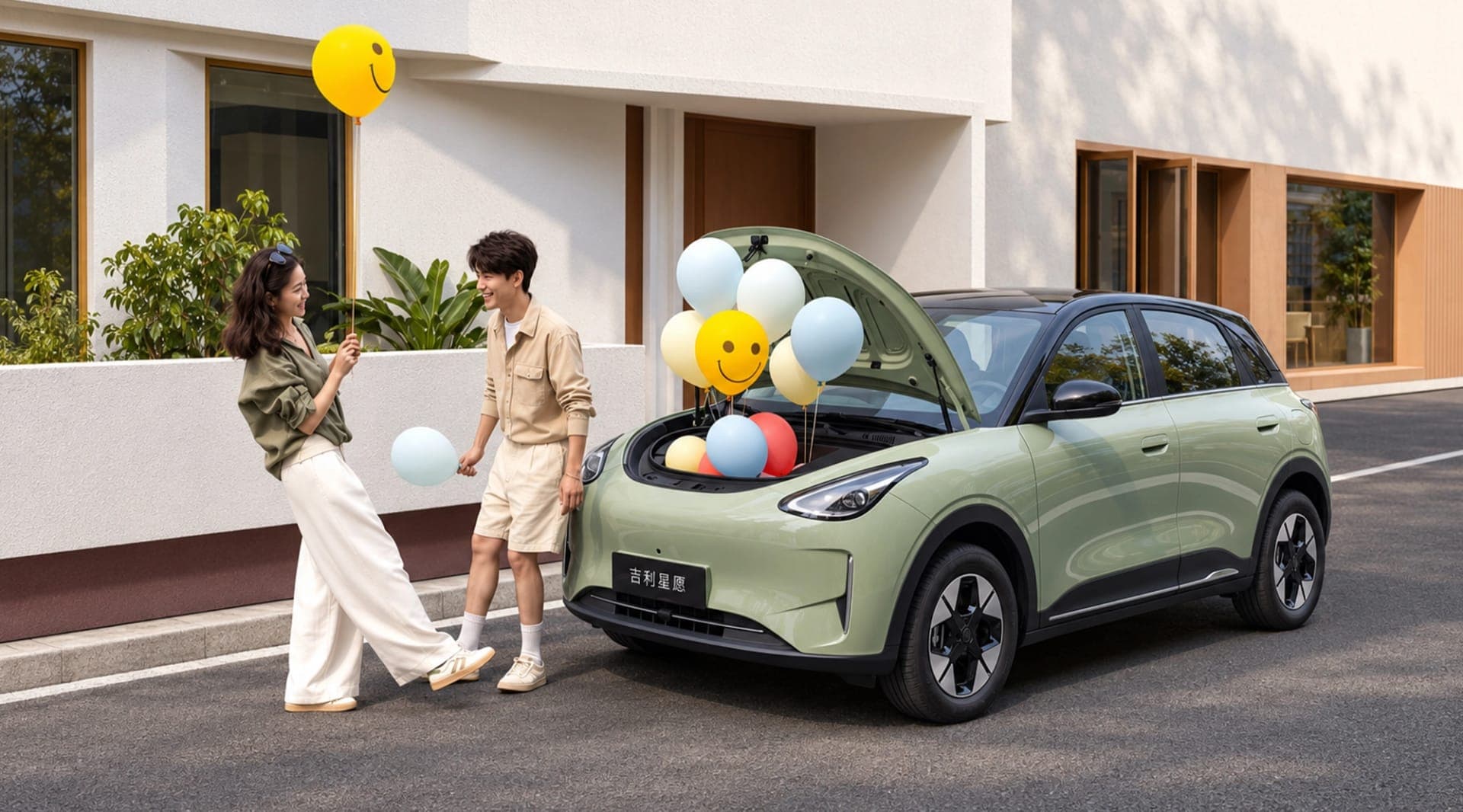
The Xingyuan's fault is dimensional. MIIT said the sampled car's wheelbase differed from the figure filed in its official vehicle catalogue by more than the permitted 1 percent margin, and the Xingyuan measures 2,650 mm between its axles, so that margin is about 26 mm. The regulator did not publish the measured value or the size of the deviation. Wheelbase is a registered dimension rather than a performance claim, which is what makes this a production conformity finding: the cars leaving the line no longer match the car that was approved.
Europe takes delivery in September, badged E2 from 19,490 euros
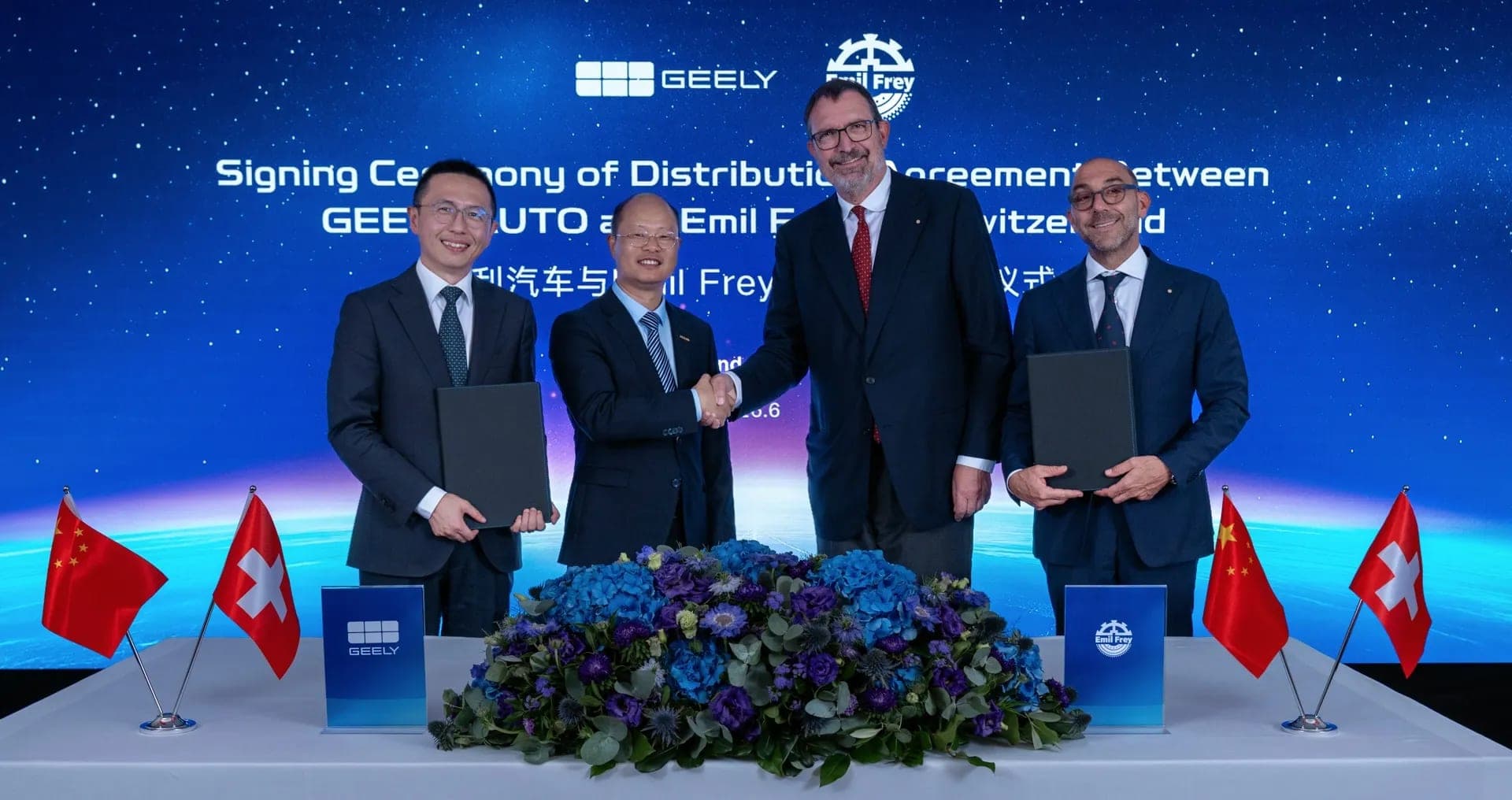
Geely opened European orders for that same car in August and starts deliveries in September, wearing the E2 badge in mainland Europe and EX2 in Britain. Belgium lists it at an introductory 19,490 euros against a 21,490 euro standard price, and the UK asks £20,990. The Pro runs a 35 kWh battery for 252 km WLTP; the Max and Ultra carry 47 kWh and 345 km. It is one of the cheapest new electric cars a European buyer can order this year, which is precisely why the paperwork behind it is worth reading.
BYD's Qin L DM-i used more fuel than BYD's own filing declared
The second passenger car in the notice is the BYD Qin L DM-i, cited because the sampled plug-in hybrid's fuel consumption in charge-sustaining mode came in above the value BYD declared in the regulatory catalogue. Charge-sustaining is the state a plug-in hybrid settles into once the battery is down to its reserve and the engine carries the car, which is where owners spend most of any long journey. MIIT again withheld the measured number. Gaps between an advertised figure and an officially registered one are not a Chinese speciality. The Qin L DM-i sold 7,732 units in China in July, down 68.4 percent year on year.
Five commercial vehicles failed on manuals, parameters and emergency windows
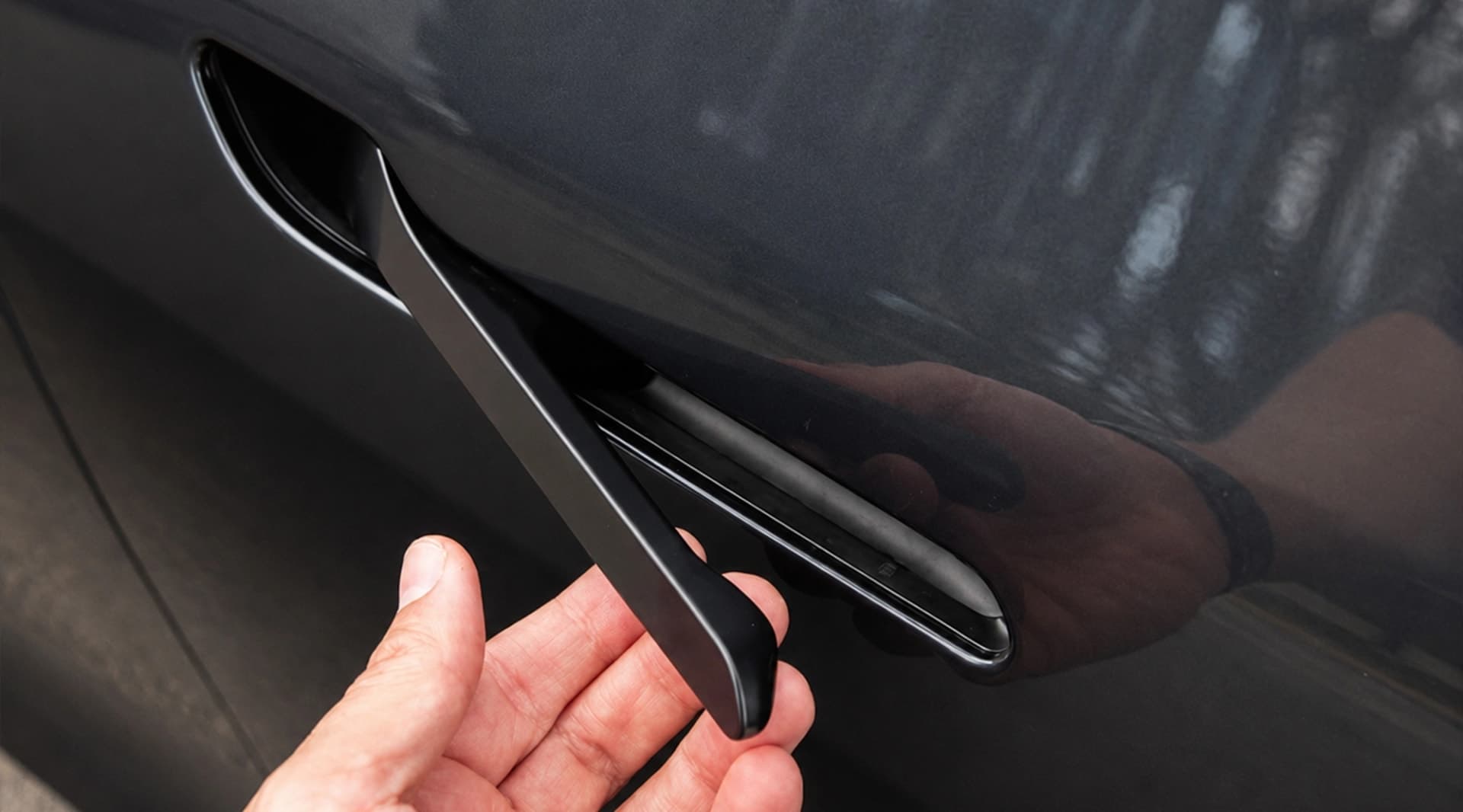
The remaining five models in the notice are commercial vehicles, cited for missing manuals, discrepancies in declared parameters, and emergency windows and protective devices that did not meet national standards. MIIT says it acted according to severity, with measures running from rectification orders to suspending or revoking a product's catalogue listing and cutting off the electronic transmission of its conformity certificates. It did not say which measure landed on which company. The notice arrived a day after four ministries opened a one-year national campaign on vehicle quality and production conformity, and in the same month that Chinese regulators drove the country's biggest ever recall over flush door handles.
Europe tests one car for every 40,000 it registers
None of this transfers automatically to the European E2, which holds its own EU whole-vehicle type approval and its own conformity-of-production arrangements, checked by a European approval authority rather than by Beijing. What does transfer is the question of who keeps measuring afterwards. Under Regulation (EU) 2018/858, each member state has to run compliance tests on at least one vehicle for every 40,000 registered there the previous year, with a floor of five tests annually. That is the entire net, spread across every brand and every model on sale.
AutoNext Take
The story here is not that a cheap electric hatchback missed a dimension by a couple of centimetres. Nobody notices 26 mm from the driver's seat, and MIIT has been careful to say these are sampled cars rather than a recall. The story is that China named the model code, the manufacturer and the specific failing on a car it sold 465,775 of, and published it eight months into the following year. That is not how a regulator behaves when it is protecting its champions, and it is worth remembering the next time someone argues that Chinese cars arrive here unexamined.
So here is a test worth watching. Europe's answer to a wave of sub-20,000-euro Chinese EVs has been tariffs and type approval, and type approval only means anything if somebody keeps measuring after the certificate is signed. One test per 40,000 registrations is a thin net. If no European authority publishes a named conformity finding on a Chinese-built EV before the E2 completes its first full year on sale here, the gap Beijing has just made visible is ours, not theirs.