A bare-bones Chevrolet is going to war by the thousand, and the US Army keeps ordering more
The US Army's fastest-growing combat vehicle is not a tank or a drone, it is a Chevy pickup with the doors thrown away
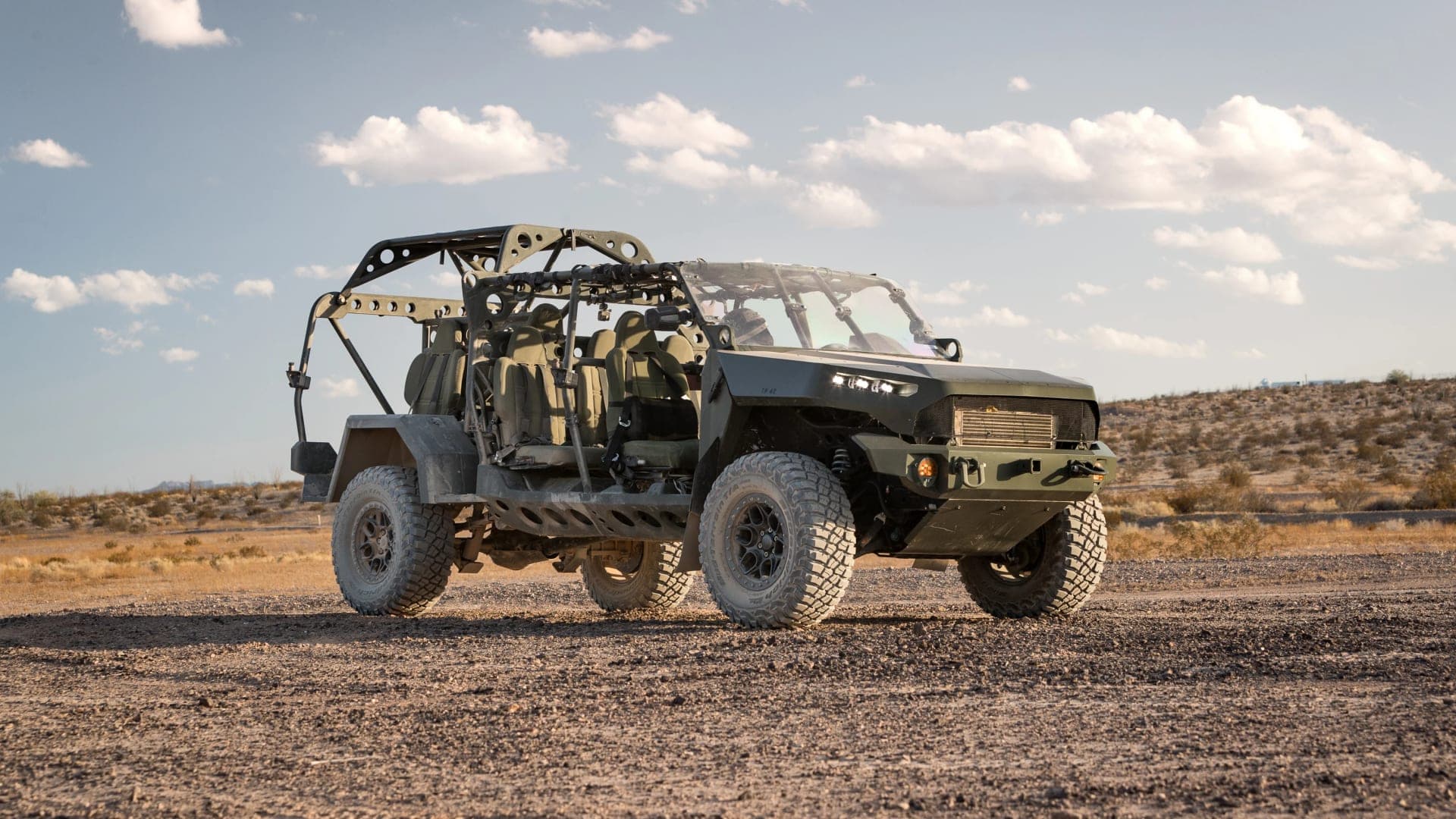
Not every war machine looks the part. One of the US Army's most in-demand vehicles right now is essentially a stripped-out Chevrolet pickup, and the military cannot get enough of them. The Army has just raised its order for the Infantry Squad Vehicle, the ISV, to a remarkable 11,582 units, and the reason it works is exactly why it should interest anyone who likes cars: underneath, it is a Chevrolet Colorado.
From 649 to 11,582
The scale of the increase is the story. The Army originally planned to buy just 649 of these vehicles; that target has now ballooned roughly eighteen-fold to 11,582, driven not by top-down strategy but by soldiers asking for more. "Soldiers validated the capability in combat training environments and demanded more," said deputy project manager Susan Fung, while product director John Hufstedler put it as "moving at the speed of relevance." Built by GM Defense under an initial 214.3 million dollar contract, the ISV fills the gap between the big, heavy Humvee and JLTV and a soldier simply going on foot.
It is a Chevrolet underneath
This is the part that makes it fascinating. The ISV is based on the Chevrolet Colorado ZR2 pickup and is built from roughly 90 percent commercial off-the-shelf parts, including proper Chevrolet Performance off-road hardware. It is powered by GM's 2.8-litre Duramax turbo-diesel four-cylinder, worth about 186 hp, driving all four wheels through a six-speed automatic. There is no armour, no doors and no roof, just a roll cage carrying a nine-soldier squad, because the entire point is to be light. It is so light, in fact, that it can be slung under a UH-60 Black Hawk helicopter or driven straight inside a CH-47 Chinook.
Why buying a car beat building a weapon
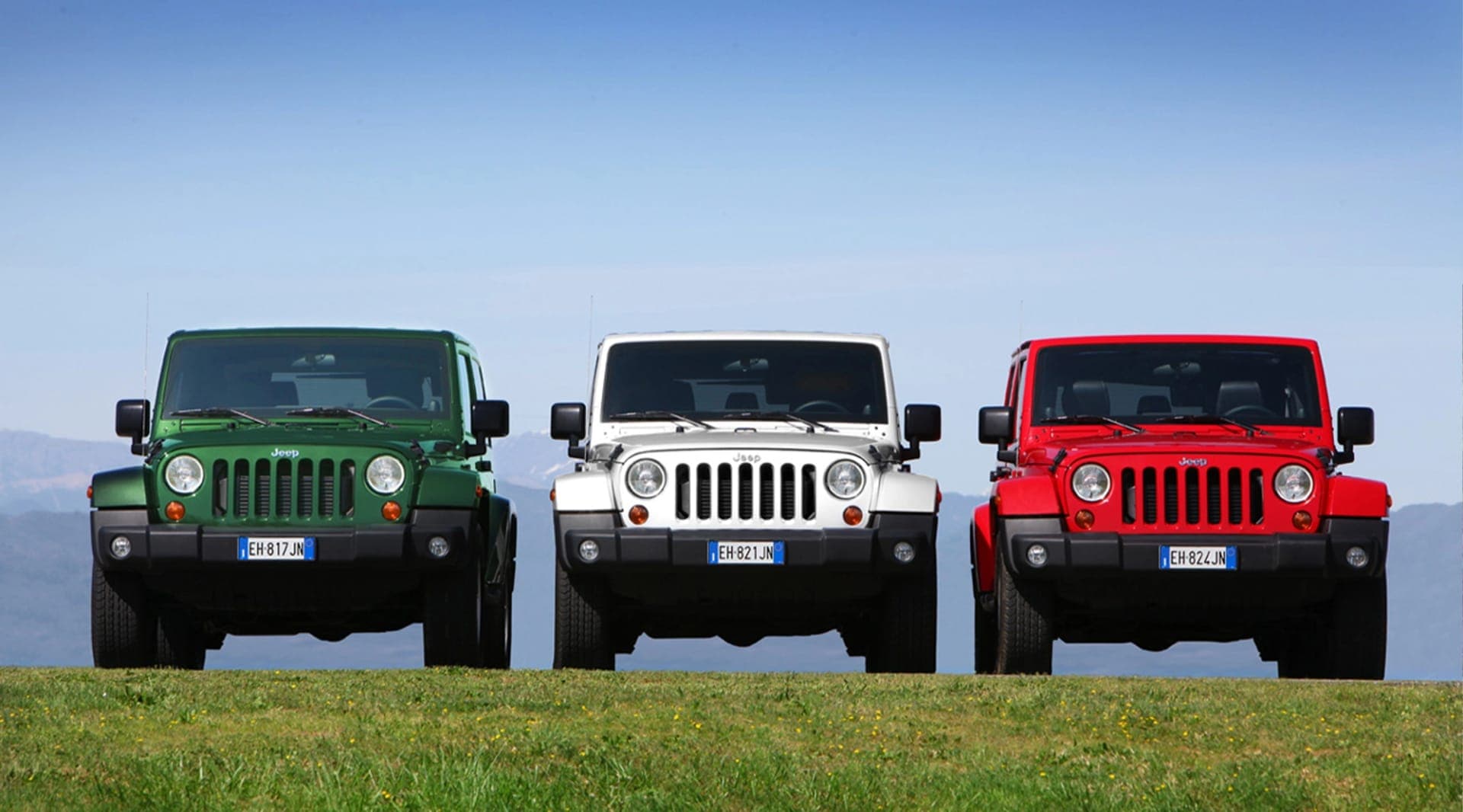
Using a civilian truck was a deliberate masterstroke. Because so much of the ISV is off-the-shelf Chevrolet, the Army got its first unit into service within 24 months, against a defence-procurement norm measured in a decade, and it is cheap to buy and easy to fix in the field. Protection was knowingly traded away for speed, mobility and simplicity. If that philosophy sounds familiar, it should: this is the direct spiritual heir to the humble Second World War Jeep, another mass-produced, no-frills 4x4 that a carmaker turned into a war-winner. A heavier variant with more onboard power for electronics is now in development, with Ford and BC Customs involved.
Cars and the return of defence
There is a wider theme here that Europe should note. As the civilian car market wobbles, manufacturers are increasingly eyeing defence work, with even crisis-hit Volkswagen exploring military uses for one of its plants. The gap between a rugged commercial pickup and a light military vehicle has never been smaller, and the same qualities that make a simple workhorse like Volkswagen's new Tukan appealing, toughness, low cost and easy repair, are exactly what an army wants too. Cars and defence, long separate worlds, are quietly converging again.
AutoNext Take
In an age of billion-dollar fighter jets and exquisite drones, there is something almost reassuring about an army that still prizes a simple truck it can build quickly, fix anywhere and drop out of a helicopter. The Infantry Squad Vehicle will never be glamorous, and it is not trying to be. It is a reminder that clever engineering is often about restraint, about leaving off everything that does not earn its place.
For car enthusiasts it is a lovely footnote, too: the same Colorado ZR2 that off-roaders love is, with the bodywork stripped away, tough enough to carry soldiers into a fight. Eighty years after the Jeep, the most useful thing you can hand a squad is still four wheels, a strong diesel and nothing that does not need to be there. On the evidence of 11,582 orders, the US Army agrees.