GM's new V8s launch with 997,743 of the old one under investigation
GM's new 6.6-litre V8 makes 481 hp while its old 6.2 faces a million-truck probe
General Motors revealed two new V8s at its Flint engine plant on 16 September, the company's 118th birthday: a 5.7-litre with 402 hp and a 6.6-litre with 481 hp, both for the 2027 Chevrolet Silverado 1500 and GMC Sierra 1500. Neither presentation mentioned the engine they replace. The 6.2-litre L87 has been the subject of a federal engineering analysis covering 997,743 vehicles since 20 August.
The 6.6-litre L78 makes 481 hp and 679 Nm without a turbocharger
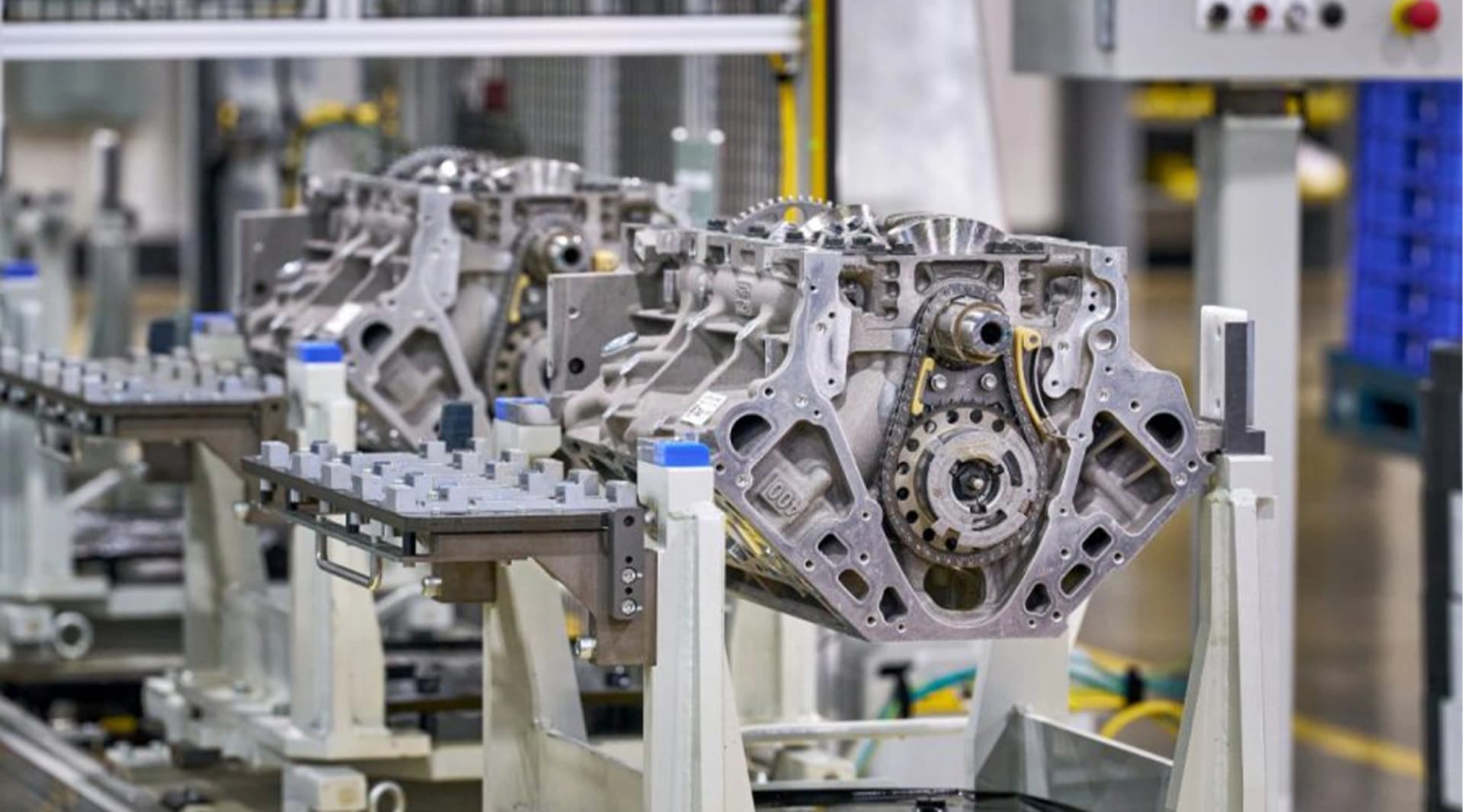
The L78 is a 6.6-litre, 400 cubic-inch pushrod V8 with 481 hp and 679 Nm, up from the 420 hp and 624 Nm of the 6.2 it replaces. The 5.7-litre L76 makes 402 hp and 580 Nm against the old 5.3's 355 hp and 519 Nm. Both keep the cam-in-block layout with two valves per cylinder, add port injection beside direct injection, raise compression to 12.5:1 from 11.5:1 and keep cylinder deactivation. The 6.6 gets its extra capacity from 6 mm more stroke. Every 2027 engine, including the 2.7-litre turbo four now at 350 hp and the 3.0-litre Duramax diesel at 305 hp, drives a 10-speed automatic, and the 5.7 Silverado tows 6,214 kg. The V8s also lose the oil dipstick, replaced by a level gauge on the dashboard. The four-cylinder and the diesel keep theirs.
NHTSA's engineering analysis EA26005 covers 997,743 trucks with the 6.2-litre L87
The number GM did not put on a slide in Flint is 997,743. That is the population of 2021 to 2026 Silverado, Sierra, Tahoe, Suburban, Yukon and Escalade models with the 6.2-litre L87 that the National Highway Traffic Safety Administration placed under an engineering analysis on 20 August. GM had recalled 597,630 of them in April 2025 for crankshaft and connecting-rod bearing failures, traced to machining debris left in oil galleries and crankshafts finished outside specification. The remedy for engines that passed inspection was thicker 0W-40 oil, a new filter and a new cap. NHTSA has since logged 499 engine failures in trucks that had already received the fix, 473 after the oil change and 26 after a replacement engine, and GM's own filing to the agency lists 6,953 post-remedy reports. The recall still stops at model year 2024. The L78 arrives in the same trucks at the end of this year.
Ford's 5.0 Coyote makes 400 hp and Ram's 5.7 Hemi 395 hp, both below GM's smaller V8
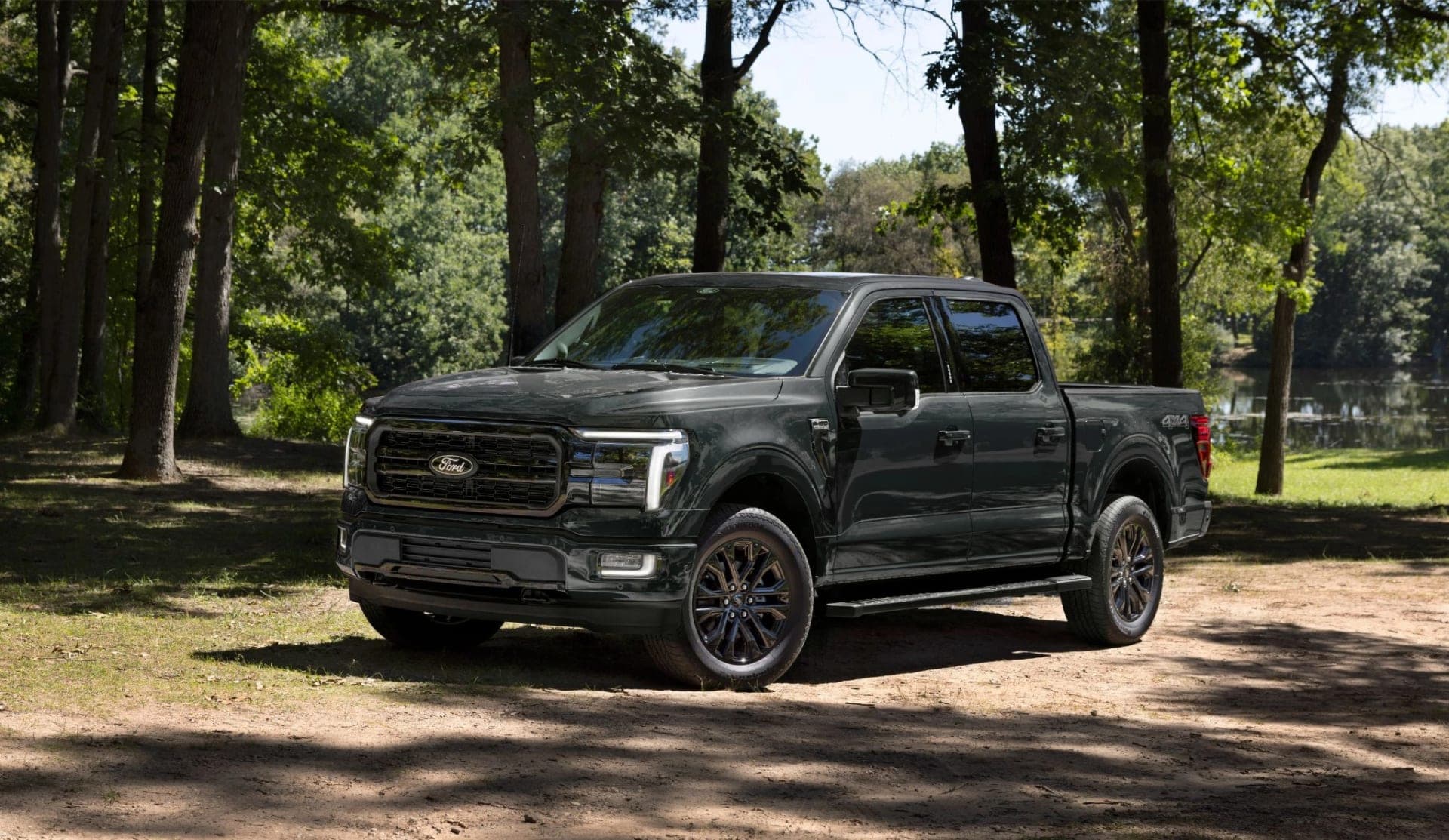
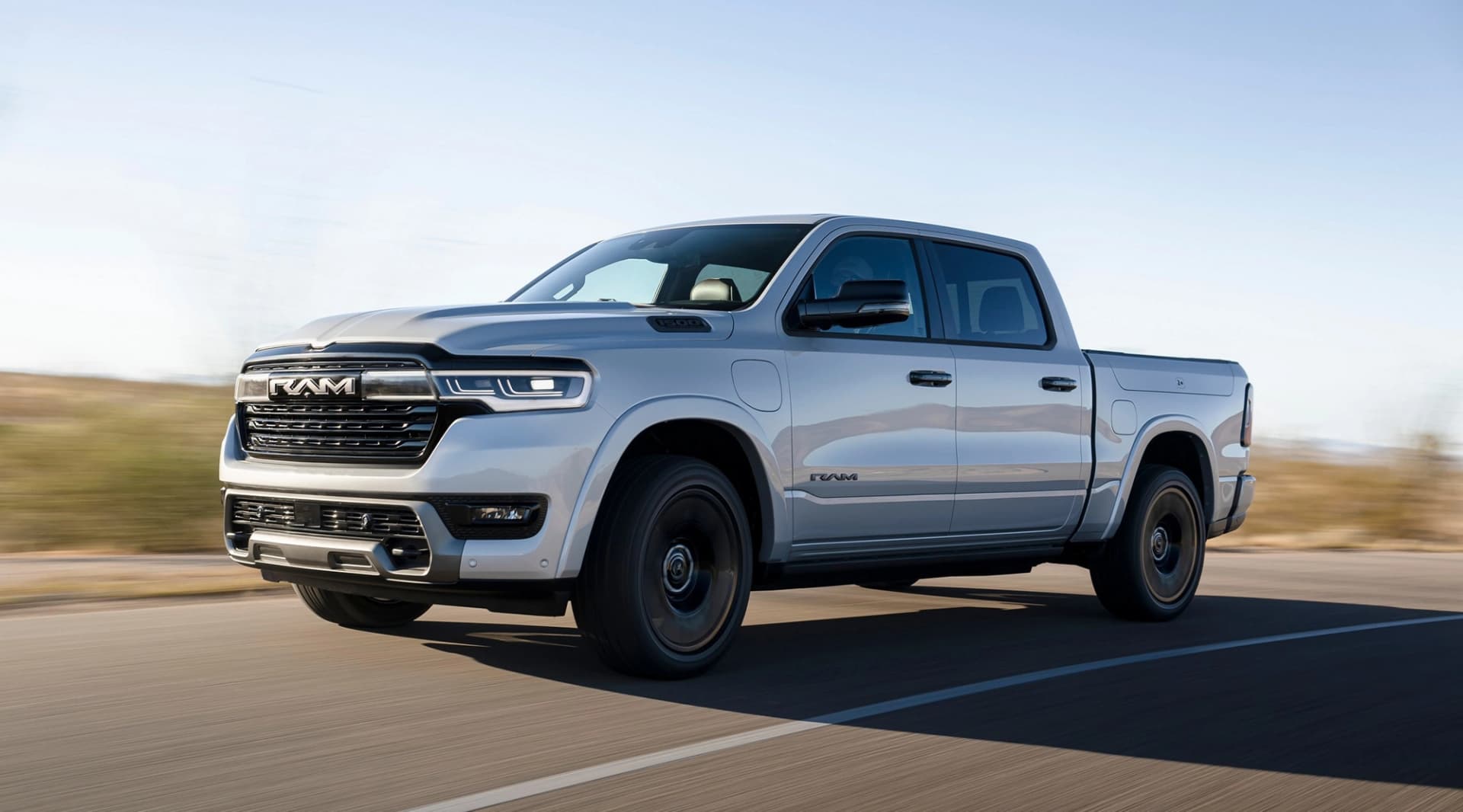
GM's 5.7 beats both Detroit rivals' V8s on paper: Ford's 5.0-litre Coyote in the F-150 makes 400 hp and 556 Nm, and Ram's 5.7-litre Hemi 395 hp and 556 Nm. The 6.6 has no V8 rival at all in a half-ton truck. It is not the most powerful engine in the class, though. Ram's twin-turbo Hurricane straight-six makes 540 hp and 706 Nm, and Ford's high-output 3.5 EcoBoost has more torque. What separates the three is direction. Ford has just put the V8 back in every F-150 trim, Ram brought the Hemi back after a year without it and credited it for a sales rebound, and Toyota sells no V8 pickup at all. GM is the only one to have designed an entirely new V8 generation rather than reviving or carrying over an old one.
The Corvette Stingray's 6.7-litre LS6 with 535 hp is the same family, and Europe gets it
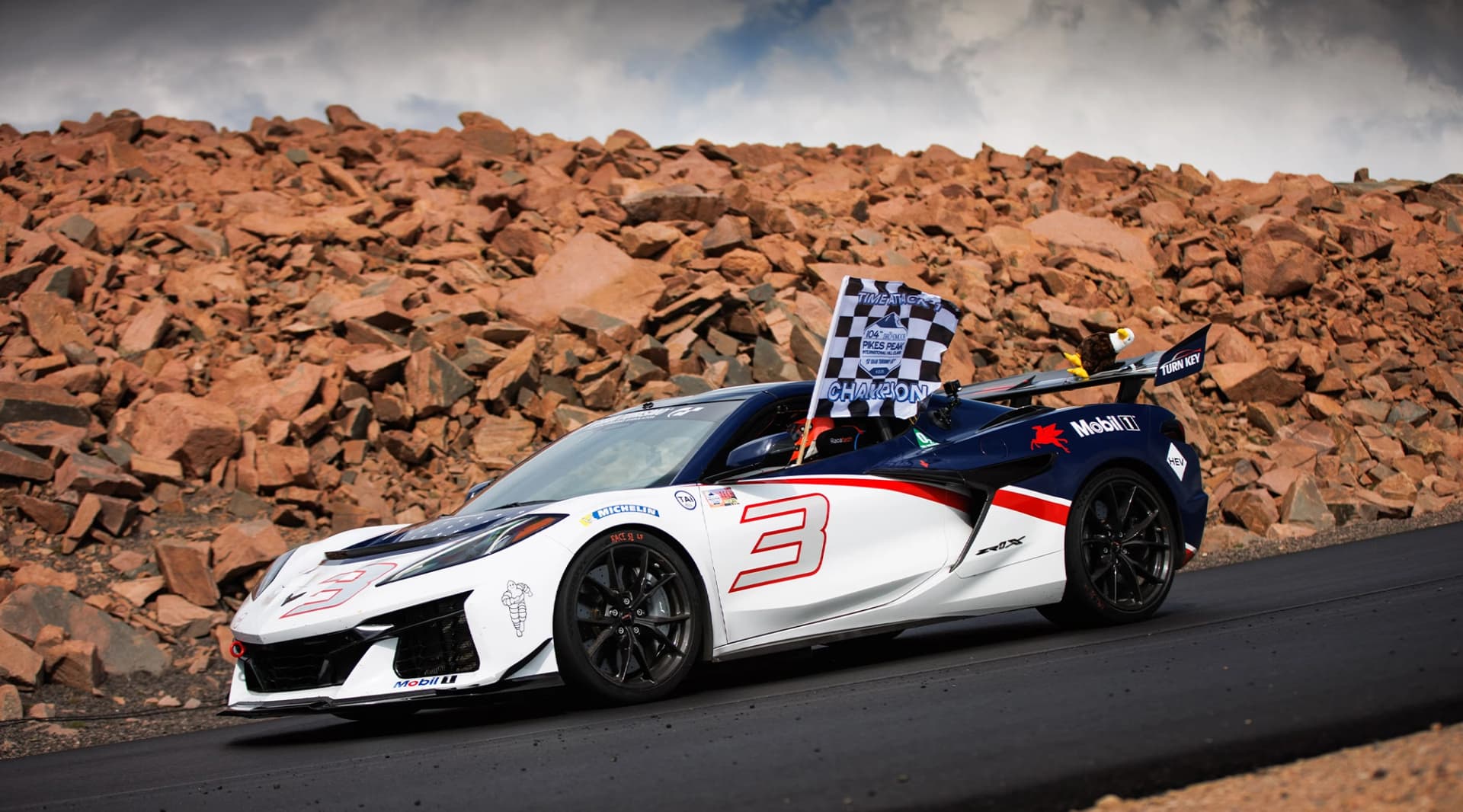
For a European reader the truck engines matter because of what they share. The sixth-generation small-block debuted in the 2027 Corvette Stingray as the 6.7-litre LS6: 535 hp, 705 Nm, 13.0:1 compression and a 322 km/h top speed in a car that costs $73,495 in the United States. The truck 6.6 is that engine with a shorter stroke and without the hardware GM's engineers say would not have passed the durability brief for a work vehicle. The Corvette is the one car in this family GM sells through official channels in Europe, so the LS6 is the version most likely to end up on a European driveway, while Silverados arrive through independent importers. It lands as Mercedes-AMG has ruled out a V8 for the C63 and Europe's own eight-cylinder programmes keep shrinking.
Reuss says trucks pay for GM's EVs, which were 4.2 percent of its US sales in the first half
GM president Mark Reuss put the strategy in one sentence in Flint: trucks and SUVs provide the scale and cash flow to support the investment in EV platforms, batteries, charging and software. The figures behind it are stark. GM delivered 1,341,325 vehicles in the United States in the first half of 2026 and 56,679 of them were electric, 4.2 percent, while the Silverado and Sierra alone sell close to 900,000 a year. The same launch added a 129-litre tank to the 3.0-litre Duramax diesel, giving a Silverado more than 1,450 km between fills at GM's estimated 8.7 l/100 km on the highway.
AutoNext Take
Launching a new engine is the quietest way to close an old defect file, and that is the job the L78 has been given. Every model year of L87 from 2021 to 2026 is under analysis, the recall covers only four of those six, and the fix applied before 473 of the 499 post-remedy failures was thicker oil. A company confident in the 6.2 would have said so in Flint. GM talked about 1955 instead.
We expect NHTSA to push the recall past model year 2024 before the first L78 trucks are delivered at the end of this year, and GM to extend the 0W-40 remedy rather than swap engines. If the recall still stops at 2024 on 1 January 2027, the analysis has changed nothing and the new engine really did close the file. The buyers GM did not mention in Flint are the ones who took delivery of a 6.2 in 2025 and 2026: outside the recall, inside the investigation.