Hamburg wants Europe to ban fake engine noise on electric cars
Hamburg's vote on 16 September targets the speakers Porsche, Hyundai and Abarth sell
Hamburg's governing SPD and Greens will ask the city's parliament on Wednesday 16 September to back a Bundesrat initiative that bans artificial engine noise on electric cars wherever it is not a safety device. The mandatory AVAS warning below 20 km/h is untouched. What the motion goes after is the external speaker that makes a Porsche Taycan, a Hyundai Ioniq 5 N or an Abarth 500e sound like a petrol car at 80 km/h.
AVAS stays: UN Regulation 138 demands 50 dB at 10 km/h and 56 dB at 20 km/h
Every electric and hybrid car first registered in the EU since 1 July 2021 must carry an Acoustic Vehicle Alerting System, and Hamburg is not proposing to touch it. UN Regulation 138 sets the floor at 50 dB(A) at 10 km/h and 56 dB(A) at 20 km/h, measured two metres from the car, with a 75 dB(A) ceiling, and the system may fall silent above 20 km/h because tyre roar takes over. Ole Thorben Buschhüter, transport spokesman for Hamburg's SPD, told dpa the low-speed warning serves safety and is not up for discussion. The motion is aimed only at sound above that threshold that imitates a combustion engine and warns nobody of anything.
Porsche's Electric Sport Sound, Hyundai's Ioniq 5 N and Abarth's 500e are the cars in the frame
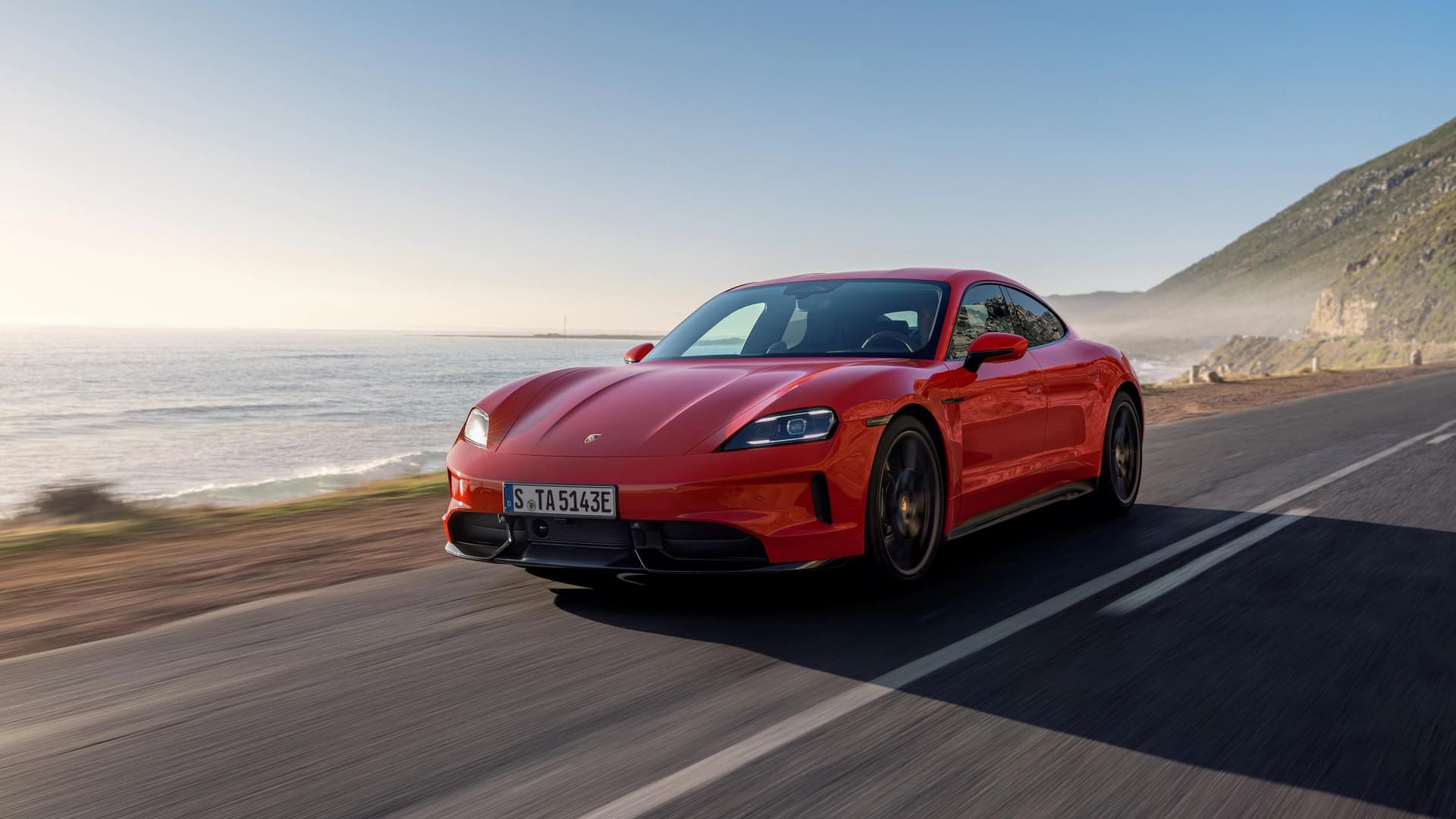
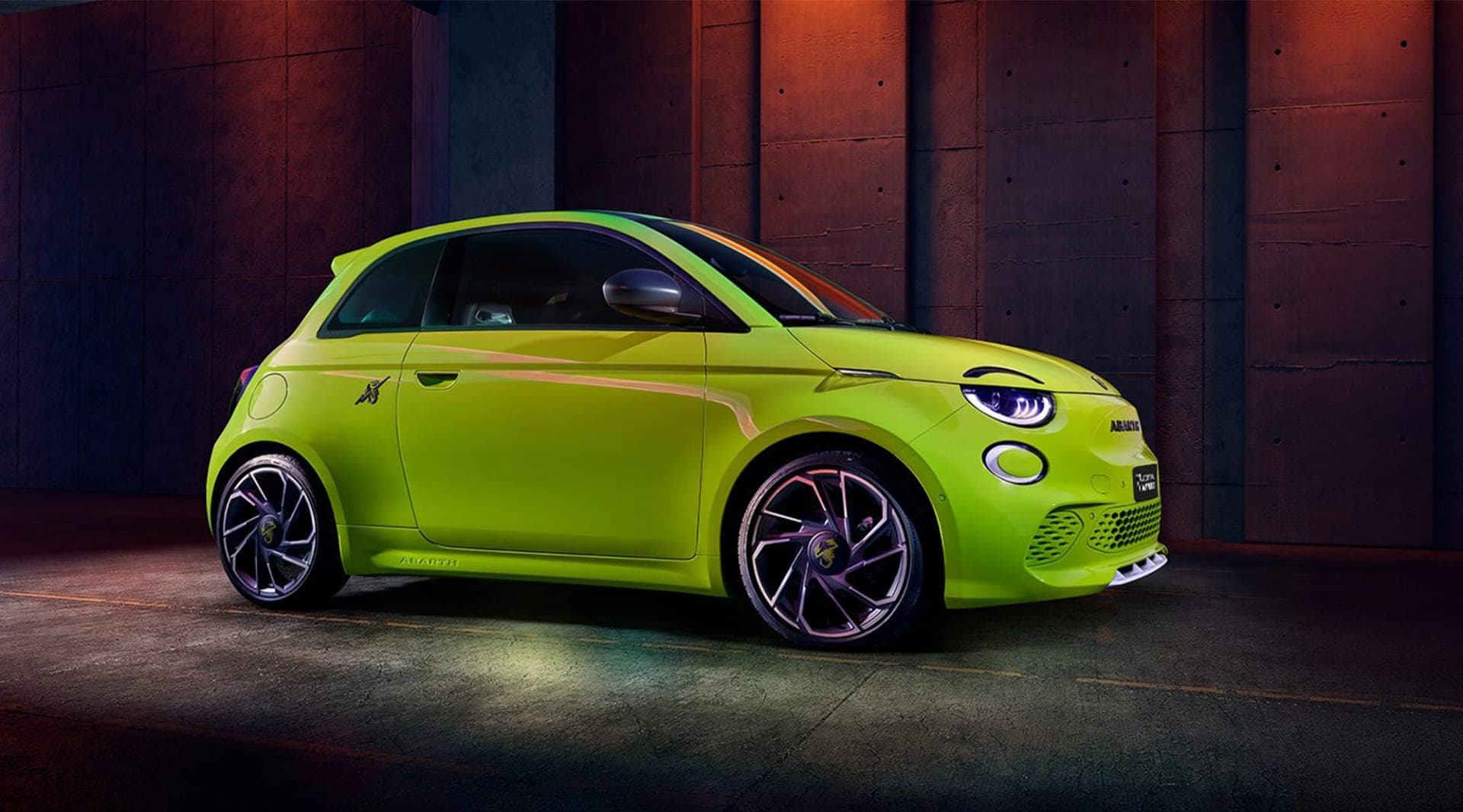
Three cars on sale in Europe today do exactly what Hamburg describes. Porsche's Electric Sport Sound, an option of roughly €500 on the Taycan, plays a synthesised note through interior and exterior speakers that rises with speed and throttle, and the current car pairs it with eight virtual gears. Hyundai's Ioniq 5 N runs N Active Sound+ through eight speakers inside and two outside, with a simulated eight-speed gearbox and a rev limiter. Abarth's 500e ships with a Sound Generator, a weatherproof external speaker under the tail that Stellantis spent 6,000 hours tuning to sound like a Record Monza exhaust, and it is switched on when the car leaves the factory. BMW's Hans Zimmer soundscapes stay inside the cabin, so a ban written for bystanders would not reach them.
Tesla's Boombox recall disabled external sounds on 578,607 cars with one update
A regulator has already switched off an electric car's external speaker, and it took weeks rather than years. In February 2022 the US safety agency NHTSA recalled 578,607 Teslas because the Boombox function, which played chosen sounds through the pedestrian-warning speaker, could drown out the warning itself and so breached the American equivalent of Regulation 138. Tesla's fix was an over-the-air update that disabled Boombox in Drive, Neutral and Reverse. No hardware was touched and the feature still works when the car is parked. That is the template Hamburg's motion implies: the speaker stays for AVAS and a software flag stops it doing anything else while the car moves.
EU type approval means Germany alone cannot outlaw a factory-fitted speaker
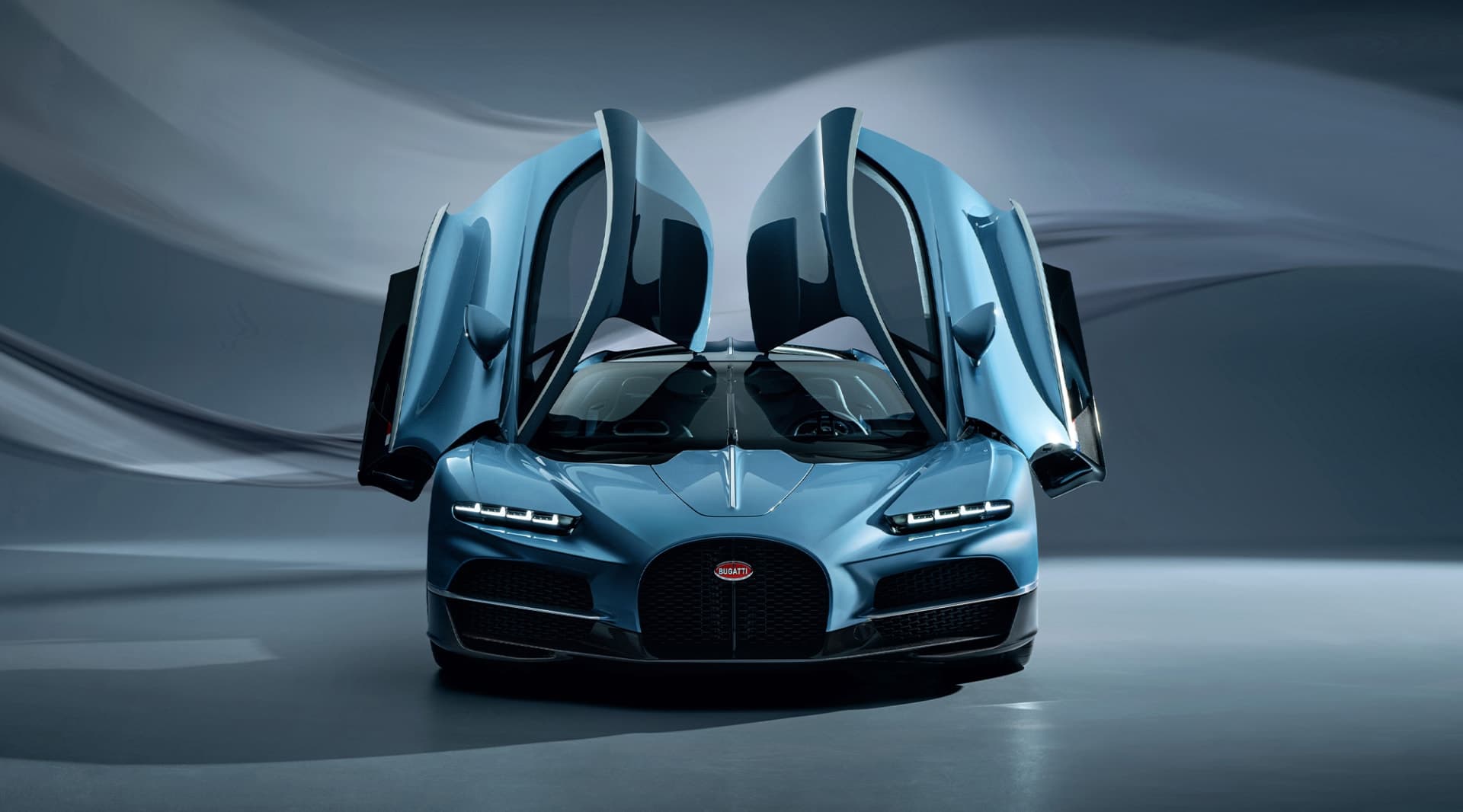
A German-only ban on the equipment itself would collide with EU law. Noise limits and type approval are harmonised across the Union, so a car approved in one member state can be sold in all 27, and a Taycan with Electric Sport Sound holds that approval today. Hamburg's motion leaves the legal route open. The federal government could restrict use rather than fitment, the way section 30 of Germany's road traffic code already bans unnecessary noise, or it could seek a change to Regulation (EU) 540/2014 or to Regulation 138 at the UN in Geneva, where the sound rules are actually written. That second path is the rulebook the Bugatti Tourbillon just had to satisfy at 72 decibels, and it is the only one that would bind a Dutch or Belgian registration as well as a German one.
The EEA counts 112 million Europeans above 55 dB, and the Bundesrat sits on 25 September
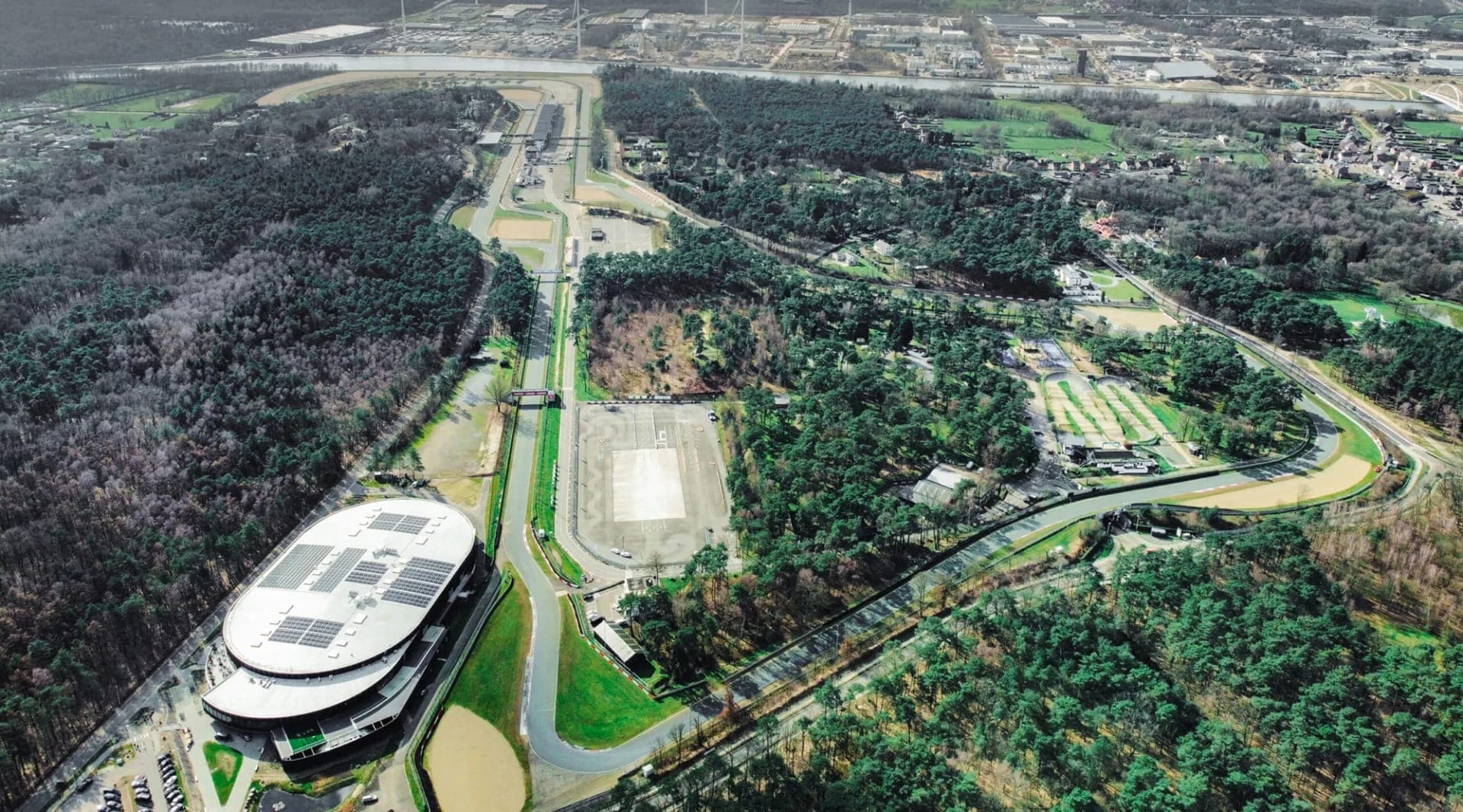
The health case Hamburg leans on is the European Environment Agency's 2025 noise report, which puts at least 112 million Europeans above the 55 dB threshold, with road traffic the largest source, and attributes about 66,000 premature deaths a year to transport noise. Circuit Zolder halved its noise days this year under the same pressure. The calendar is slower than the rhetoric: the Bürgerschaft votes on 16 September, the next Bundesrat session is 25 September, and a legally checked motion cannot be drafted, agreed with other states and filed in nine days. Autumn or winter is realistic for the Bundesrat, and Geneva comes later still.
AutoNext Take
Hamburg has picked the one EV feature that is easy to ban and hard to defend. There is no engineering case for an engine note outside the car above 20 km/h; the case for it is that a Taycan buyer paid €500 to be heard and an Abarth buyer was never asked. Tesla's 2022 update showed that switching the function off in motion costs a line of code across half a million cars, so the industry cannot answer with the word impossible. The honest objection is that the noise Hamburg's residents actually complain about comes from combustion cars with modified exhausts, which the city's own Autoposer police unit has been pulling off the road since 2017, and a speaker ban does nothing about them.
SPD and Greens hold the majority in the Bürgerschaft, so 16 September is a formality. The date that counts is the Bundesrat's last sitting of 2026: if no Hamburg-sponsored motion has been printed by then, this was a press release with a vote attached. Even a Bundesrat resolution binds nobody, because Berlin would still have to carry it to the UN working party in Geneva that owns Regulation 138. Porsche will still be selling Electric Sport Sound in 2027, and the first car to lose its external speaker to this initiative will not reach a European showroom before 2029.
Follow us on Google News.
Set AutoNext as your preferred source on Google Discover.