Leno's Law frees 1976 to 1985 California classics from smog checks
California gives 1976 to 1985 classics a smog exemption that stops rolling in 2033
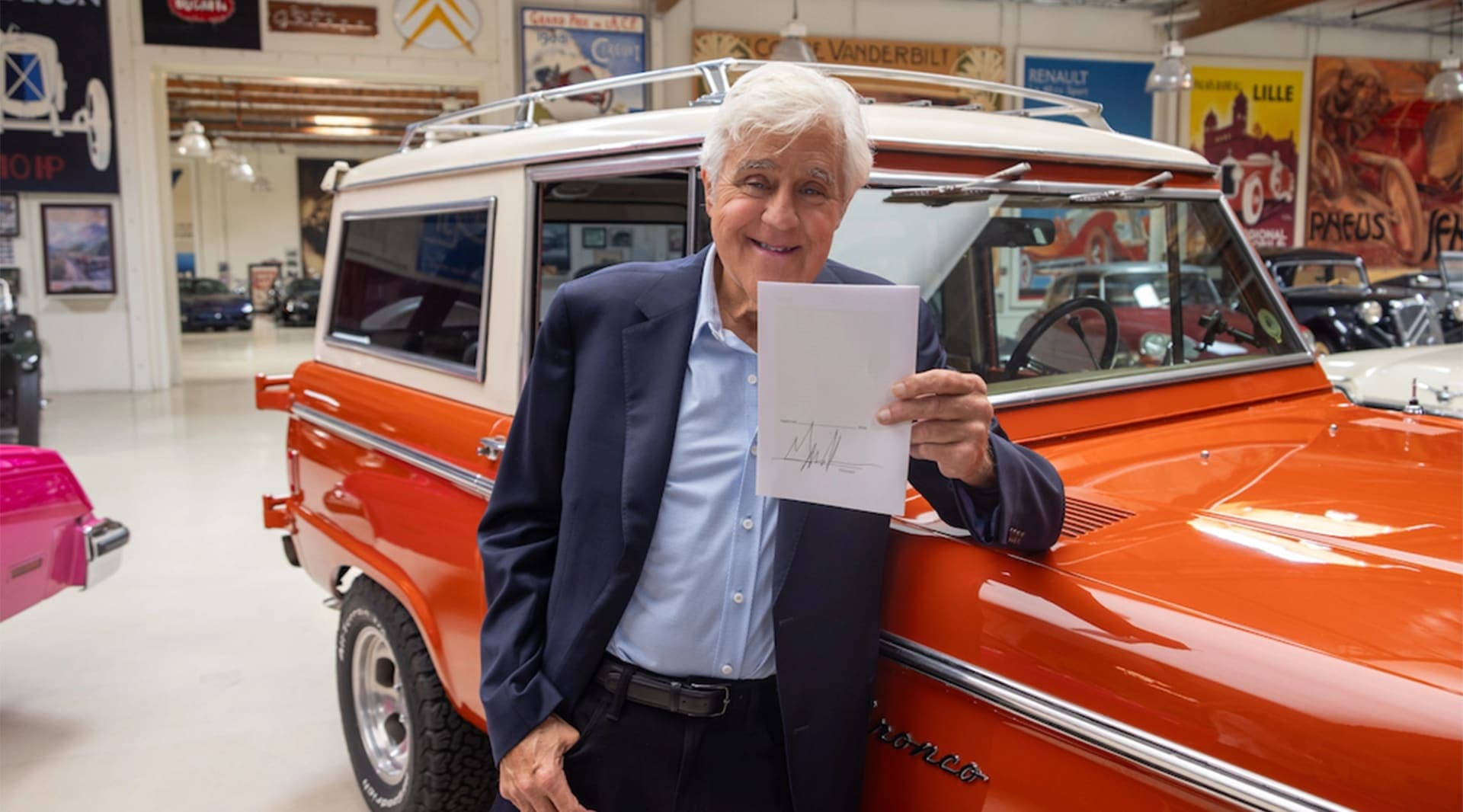
Governor Gavin Newsom has signed Senate Bill 1392 at Jay Leno's garage in Burbank, and California's smog check will start releasing collector cars from model year 1976 on 1 January 2028. The exemption adds one model year every January until it reaches 1985 in 2033, and there it stays. Leno campaigned for a rolling rule at 35 years. What he got is a ten-year window with a locked far edge.
SB 1392 exempts 1976 to 1985 collector cars, one model year a year from 2028
Senate Bill 1392 exempts a collector car built before the 1981 model year from California's biennial smog check from 1 January 2028. Each following January adds one model year, so 1981 cars qualify in 2029 and the last step on 1 January 2033 brings in the 1985 model year, where the bill stops. A collector car under the law is at least 35 model years old, is not its owner's primary transport, and is either insured as a collector vehicle or shown to cover fewer than 1,000 miles, 1,609 km, in a calendar year. Dave Cortese, a Democrat, and Shannon Grove, a Republican, wrote it; it passed the Senate 29 to 5 and was signed on 16 September.
California abolished a rolling 30-year exemption in 2005, and this restores ten years of it
A 1997 law, SB 42, created a rolling 30-year exemption from 2003, under which a 1976 car would have been freed in 2006 and a 1985 car in 2015. The legislature repealed it in 2004 with AB 2683 and froze the line at the 1976 model year from April 2005, after the Bureau of Automotive Repair argued that the small number of exempt cars produced an outsized share of test failures. Twenty-one years on, a 1976 car turns fifty and still reports for a test every two years. Leno's Law reopens the line by exactly ten model years and closes it again, so a 1986 car will be 47 years old in 2033 and still on the dynamometer.
CARB says a 1982 car emits 123 times the NOx of a 2025 car, and 51,935 old cars failed in 2024
The figure the bill's sponsors do not quote comes from the California Air Resources Board: a 1982 car that passes its smog check in 2025 emits 123 times the nitrogen oxides of a new 2025 car. The Bureau of Automotive Repair logged 935,694 initial test failures in 2024, 8.6 percent of all tests, and cars 35 years or older made up 5.6 percent of those failures, about 51,935 vehicles. The sponsors' answer is the cost of testing a car that old: a BAR-97 inspection on the rollers runs above 200 dollars and fewer stations keep the equipment each year, while SEMA values the aftermarket it represents at 40.44 billion dollars a year.
Jay Leno drove a Pontiac Firebird to Sacramento in April 2025 for a bigger law than this
The law carries Leno's name because he made two trips for it. On 8 April 2025 he drove a Pontiac Firebird around the Capitol with Senator Grove in the passenger seat, lobbying for SB 712, which would have exempted every collector car at 35 years on a permanent rolling basis. That bill died in the Assembly Appropriations Committee. SB 1392, introduced on 20 February 2026, kept the 35-year definition, capped the model years, and added the 1,000-mile route for owners without collector insurance. Newsom said Leno 'presented better arguments, better evidence, that these are not commute cars'. 'It just seemed like a fair bill to do,' he said at the signing.
Germany exempts classics at 30 years, the UK at 40, and Belgium lets O-plates into its LEZs
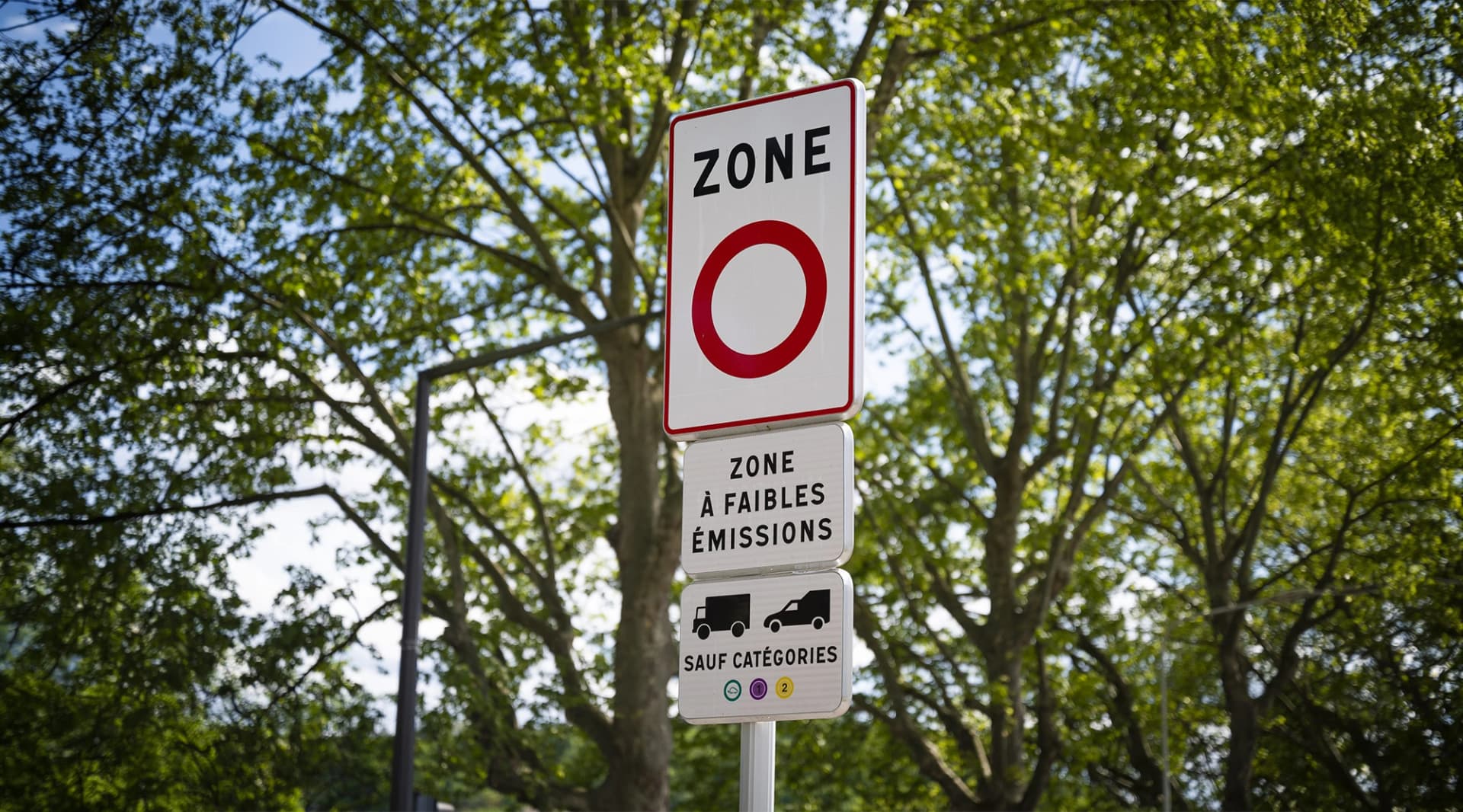
Europe never froze its lines. Germany's H-Kennzeichen arrives at 30 years, brings a flat annual tax of 191.73 euros and opens every Umweltzone. The United Kingdom drops both the MOT test and road tax at 40 years, rolling forward each year, and the Netherlands ends road tax at the same age. Belgium issues an O-plate at 25 years and admits any 30-year-old car on one into the Brussels low-emission zone automatically, and into Antwerp and Gent after a free registration, as long as it is not used for commuting; the Flemish government froze its 2026 LEZ tightening regardless. France stamps a carte grise collection at 30 years and has been moving to scrap its low-emission zones altogether. None of these regimes counts miles, and none has an end year. A 1985 car is 41 years old and already clear of every one of them, from a Knokke concours lawn to an Antwerp side street. In California it waits until 2033.
AutoNext Take
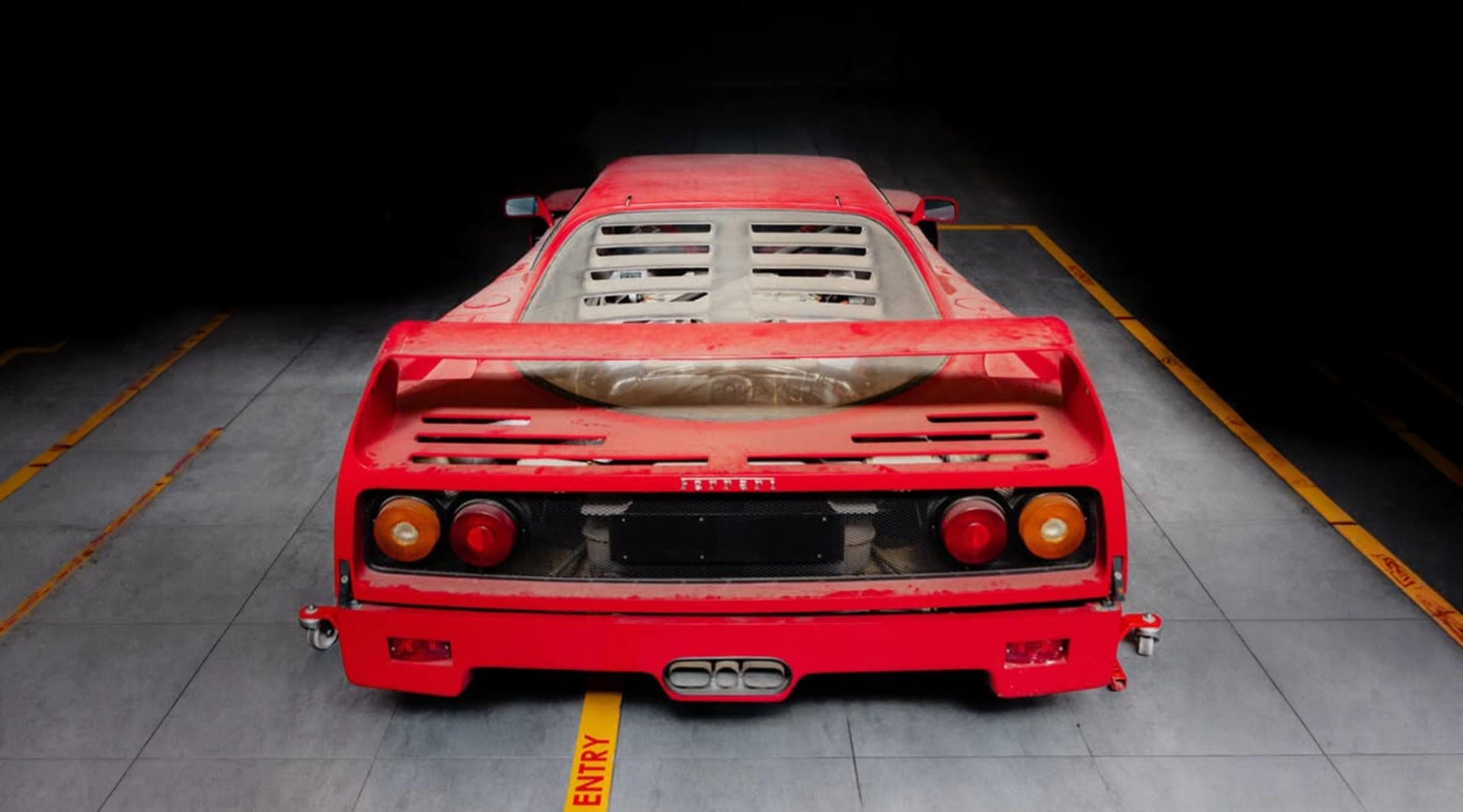
The exemption is honest about its size, and its size is set by a number nobody at the signing mentioned. A 1982 car driven its full 1,000 miles at 123 times the NOx of a new car emits what that new car would over roughly 198,000 km, per exempt car per year. That arithmetic is why California froze the line in 2005 and why the new law stops at 1985: every extra model year is another cohort measured in new-car lifetimes. Europe's 30- and 40-year rules exist because Europe never did the sum this way. It counted age and trusted use.
The cap will not hold. The stop at 1985 was written to get the bill past the Appropriations Committee that killed SB 712, and the 1,000-mile logic applies to a 1986 car exactly as it does to a 1985 one. We expect Cortese or Grove to file the extension before the last step lands on 1 January 2033, argued on the mileage clause rather than on age. If 1986 is still on the far side of the line after that date, this article was wrong, and the 2005 freeze will have outlasted Leno's Law by design.