Lotus Elise turns 31, and Lotus still has not replaced it
A two-year-old sat behind the wheel when Lotus unveiled the Elise
When Lotus pulled the cover off its new roadster at the Frankfurt Motor Show in September 1995, a toddler was sitting in the driver's seat. Elisa Artioli, then two and a half, had just given the car its name. Thirty-one years later the Elise is out of production, its replacement weighs twice as much, and the last customer car lives with her in the Dolomites.
Romano Artioli named the Lotus Elise after his granddaughter
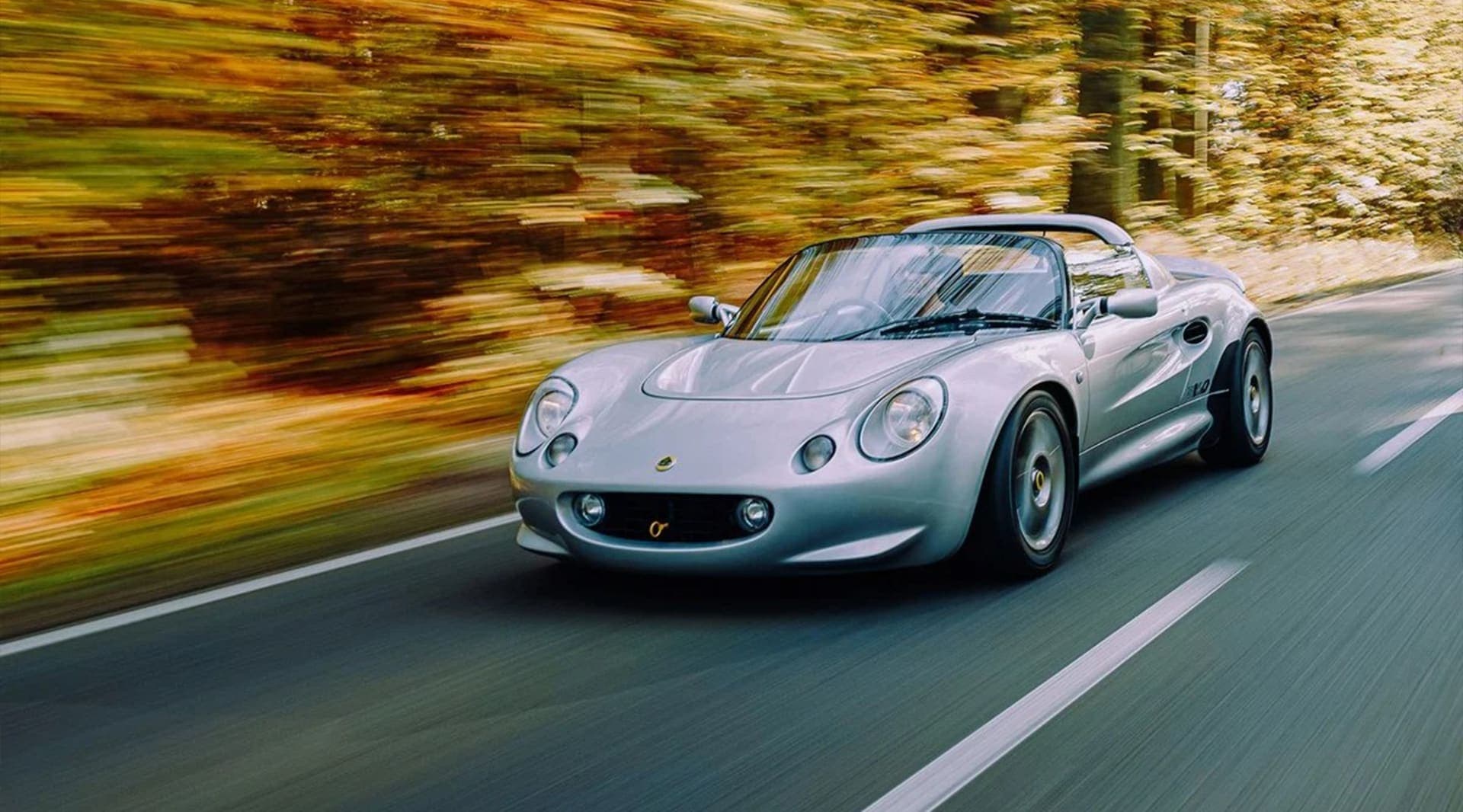
Romano Artioli, the Italian entrepreneur who bought Lotus from General Motors in 1993 while he also owned Bugatti, named the car after his granddaughter Elisa. Inside Hethel it had been project M111, which is why the later 111S carried the type number. Artioli sold most of his Lotus stake in 1996, the year production began, so the family name stayed on the car long after the family left. Elisa was given a silver 1997 Series 1 at the age of four, but Italian rules capping power-to-weight for new drivers kept her out of the seat until she was 19.
725 kg and 120 hp made the Series 1 Elise
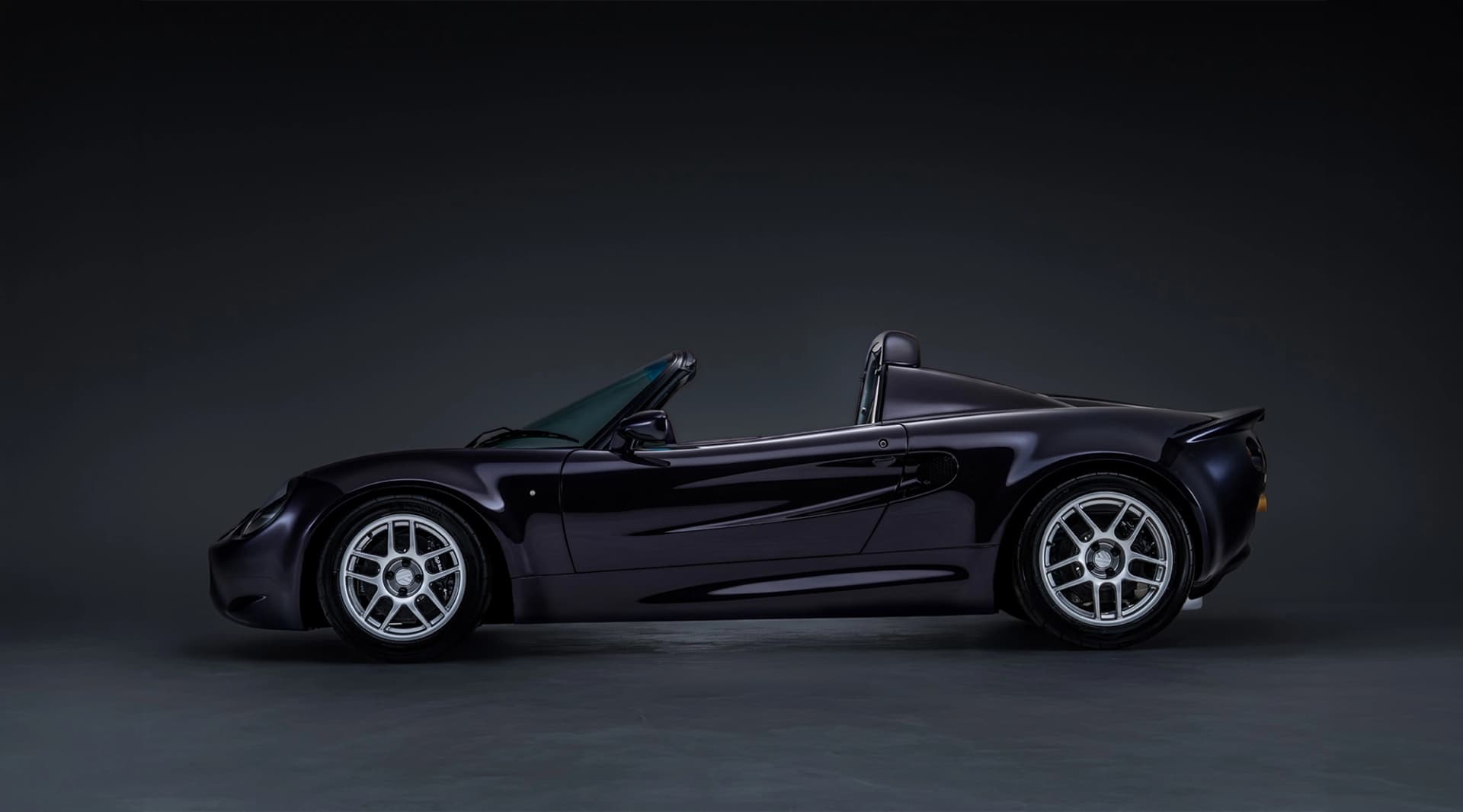
The first Elise weighed 725 kg and needed only 120 hp from Rover's 1.8-litre K-series four to feel quick. Its chassis used extruded aluminium sections bonded together rather than welded, stiff enough to carry the suspension directly and light enough to leave the fibreglass body as the heaviest-looking part of the car. The centre of gravity sat 470 mm off the road. It was a car built by subtraction while the rest of the industry was adding mass, and that recipe still drives restomods such as Analogue Automotive's 600 kg VHPK.
European crash rules ended the Series 1 Elise in 2000
New European crash regulations meant the Series 1 could not be built beyond the 2000 model year, and Lotus could not fund a replacement alone. General Motors paid for the development in a deal signed in October 1999. The price was a second car: Lotus engineered and built the Opel Speedster and Vauxhall VX220 at Hethel on a version of the new Series 2 chassis with a 30 mm longer wheelbase. Between 2000 and 2005, 7,200 of them left the Norfolk factory wearing Opel or Vauxhall badges and GM engines.
2,515 Tesla Roadsters were built on the Elise platform
Between 2007 and 2012, 2,515 first-generation Tesla Roadsters were built on an adapted version of the Elise platform. The car that taught a Silicon Valley start-up how to make a lithium-ion sports car began life as a Norfolk roadster. Add the Speedsters, the Exige and specials such as the 340R and 2-Eleven, and 56,618 cars used the small Lotus platform in total. The Elise, Exige and Evora together reached 51,738, almost half of every production car Lotus has ever made.
The last customer Lotus Elise went to Elisa Artioli in 2022
Lotus ended Elise production in December 2021 after 35,124 cars. When the end was announced, Elisa Artioli phoned Lotus and asked to buy the final one, ahead of collectors chasing the same car. She got the last Elise delivered to a customer, a Sport 240 Final Edition in Championship Gold with black accents and the first car she ever bought. The very last car off the line, a yellow Sport 240, stays in Lotus's heritage collection. Both of her Elises live near Bolzano, with the Dolomite passes ten minutes away, and she has said she will never sell either.
AutoNext Take
The Elise's real genius was that other people paid for it. General Motors funded the Series 2, Tesla bought the platform for its first car, and 9,715 of the 56,618 cars built on that aluminium chassis wore someone else's badge. That is not a footnote to the story of Lotus's purest sports car. It is the reason the pure car survived for 25 years, and the reason Hethel stayed busy while it did.
Lotus has since gone the other way. The Emira that replaced the Elise weighs roughly twice as much as the 725 kg original, and the Esprit due in 2028 targets under 1,500 kg, the same ceiling Alpine has set for its electric A110. If Lotus builds a car under 1,200 kg again before 2030, it will share that platform with another brand, as it did in 1999. The gold Sport 240 in the Dolomites shows what such a partnership can buy, and it is worth chasing again.