Fans wanted a new Pajero, and Mitsubishi gave them a rebadged Foxconn EV
A brand that once won the Dakar is now applying badges to other people's cars
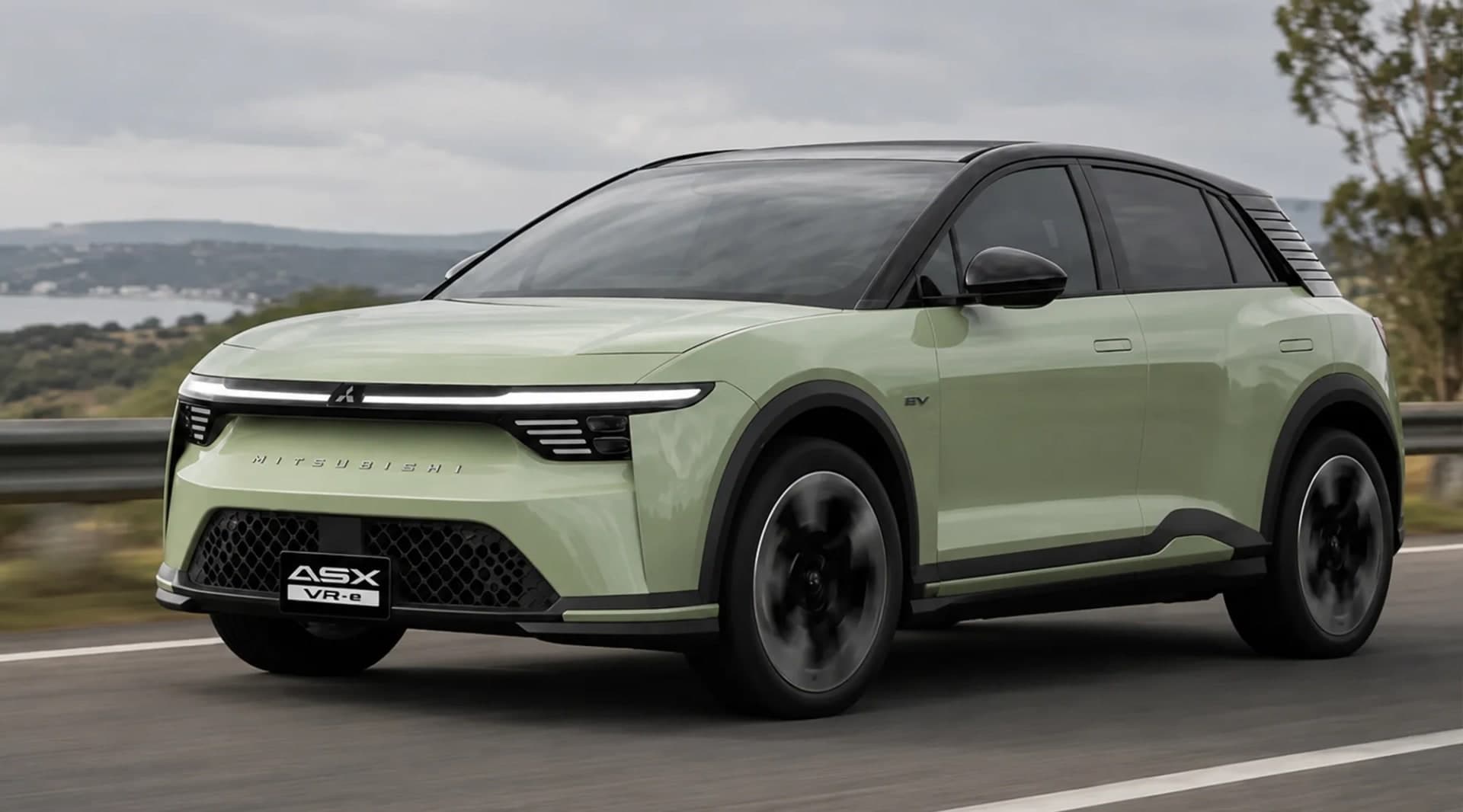
Mitsubishi fans have spent years asking for one thing: a new Pajero, the rugged off-roader that made the brand a legend. Instead, Mitsubishi has given them the ASX VR-e, an electric crossover that is Taiwanese under the skin, Italian in its styling and Mitsubishi only where the badge is glued on. It is a perfectly competent car. It is also barely a Mitsubishi at all, and that turns out to be the whole story.
What the ASX VR-e actually is
Look past the three-diamond badge and this is a lightly restyled Foxtron, the electric-car arm of Foxconn, the Taiwanese giant best known for assembling the world's iPhones. The underlying model was designed by Italy's Pininfarina, and Mitsubishi's contribution amounts to fresh headlights, new badging and some interior trim. The hardware is serious: the top all-wheel-drive version makes 400 hp and hits 100 km/h in under four seconds, while rear-drive models get 229 hp, all fed by a 57.7 kWh battery with 134 kW charging. Mitsubishi quotes up to around 515 km of range, though that figure is on China's lenient NEDC cycle, so expect noticeably less on Europe's WLTP standard. It launches in Australia later this year, with no European date confirmed.
The badge is the only Mitsubishi part
This is not a one-off. The previous ASX was itself a rebadged Renault Captur, never even sold in some markets, and Mitsubishi has quietly leaned on other companies' engineering for years. The VR-e simply takes that to its logical conclusion: a car in which the brand designed nothing, engineered nothing and built nothing, and yet gets to sell it as its own. It is the automotive equivalent of putting your name on a finished product someone else made, and it is becoming a habit.
The real story is Foxconn, not Mitsubishi
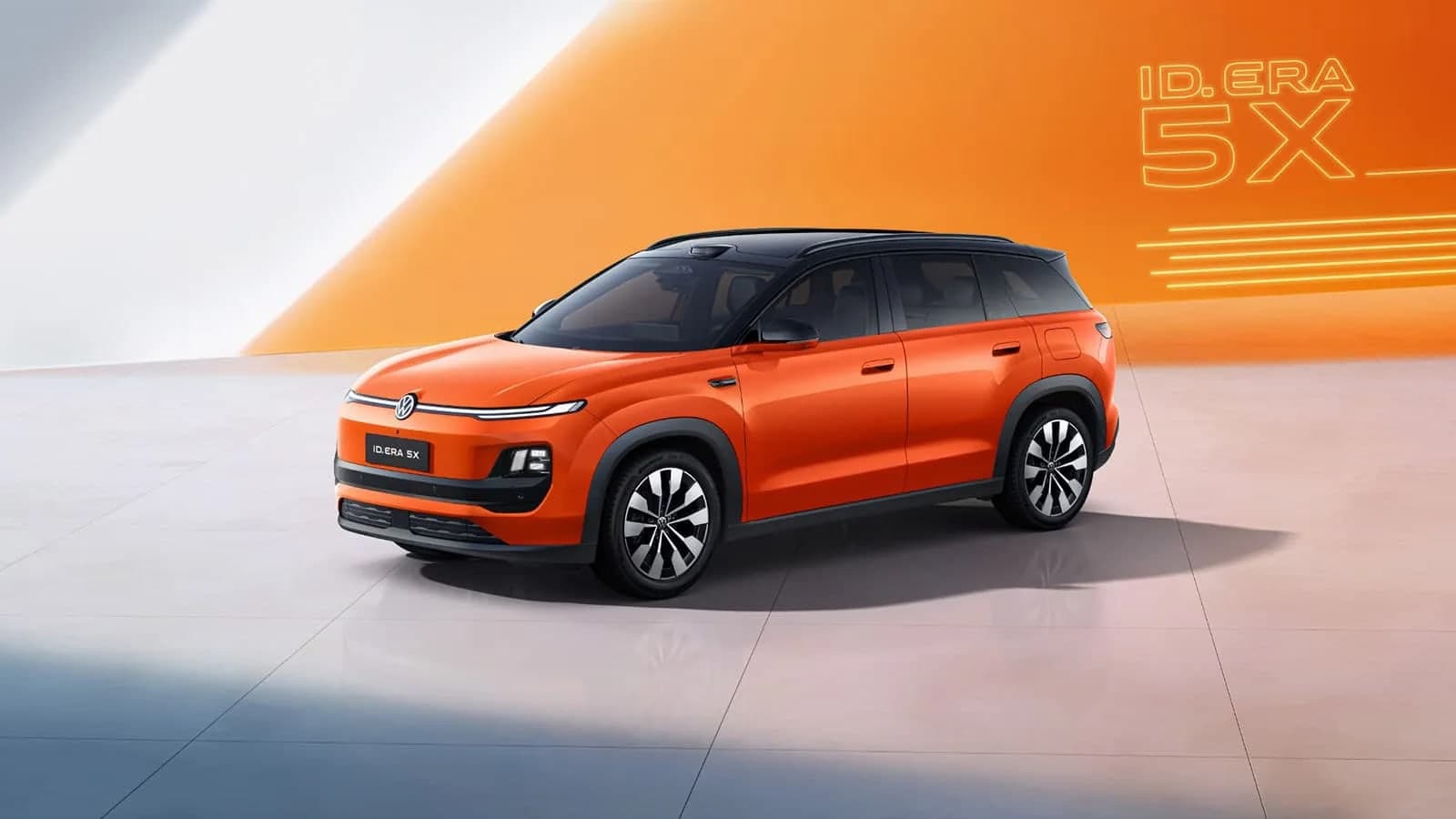
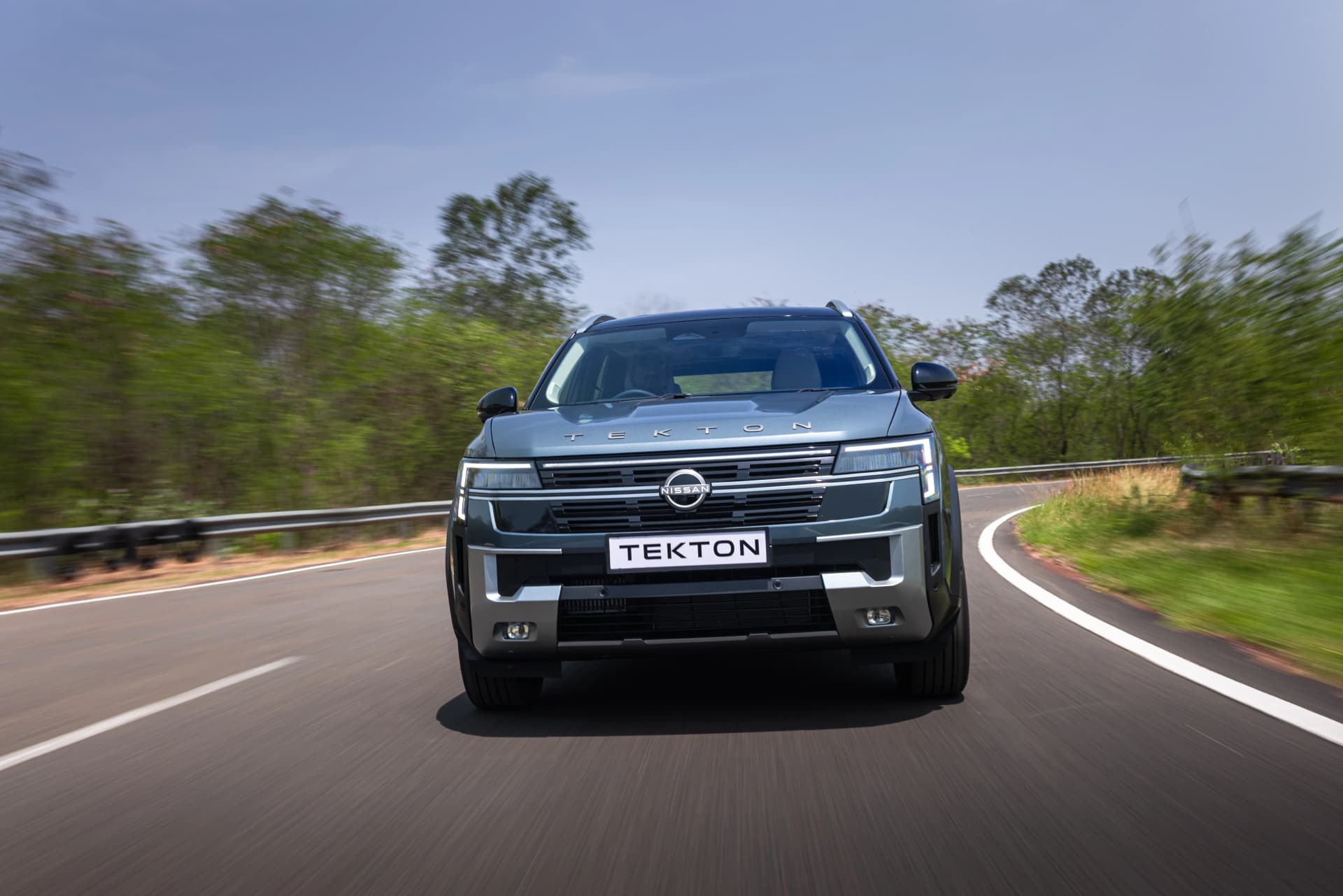
Zoom out and this is less a Mitsubishi launch than a Foxconn one. Foxconn built its empire assembling electronics that other companies designed and branded, the iPhone above all, and it has been open about wanting to do exactly the same with cars: become the contract manufacturer the industry rents, a white-label builder of EVs that arrive wearing someone else's logo. The ASX VR-e is that plan reaching a mainstream carmaker. It is the same outsourcing logic behind Volkswagen building its comeback EV on an XPeng platform and behind every recent rebadge job like Nissan's Dacia-based Tekton. The difference is that Foxconn wants to be the factory floor for all of them.
What it costs a brand to stop building its own cars
The engineering makes sense; the identity math is harder. Mitsubishi once meant something specific, Dakar-winning Pajeros, homologation-special Lancer Evos, genuinely clever all-wheel-drive systems it developed itself. The ASX VR-e means a capable EV with none of that heritage in its DNA, because none of its DNA is Mitsubishi's. For a small, cash-strapped company, renting a finished Pininfarina-designed car from Foxconn is survival, the same pragmatism that has Fiat pulling combustion models from Australia and legacy makers scrambling as Chinese and contract-built EVs arrive. But survival and identity are not the same thing, and this car buys one by spending the other.
AutoNext Take
It is easy to be snobbish about a rebadge, so let us be fair first. The ASX VR-e looks good, the Pininfarina lines are genuinely handsome, 400 hp and a sub-four-second sprint are more than most buyers will ever need, and for a company as small as Mitsubishi, buying in a ready-made EV is far smarter than trying to fund one from scratch and failing. As a product on a driveway, it will do the job.
But it is worth naming what is actually happening, because it will keep happening. Foxconn wants to be to cars what it already is to phones, the invisible factory behind other people's brands, and Mitsubishi has just become one of its first mainstream customers. The badge on the nose still says Mitsubishi. Almost nothing behind it does. Enjoy the car if you buy one, just do not mistake it for the company that built the Pajero.