Nio's swap stations outworked BYD's flash chargers three to one
Two Chinese answers to the five-minute refill met China's heaviest travel week
BYD and Nio published on 9 October how their networks coped with China's National Day holiday, the week from 1 to 7 October when much of the country takes to the road. On the peak day, BYD's flash chargers served 188,344 cars and Nio's swap stations carried out 183,664 swaps. The totals are almost level. The number of sites each brand needed to reach them is not.
Each Nio swap station handled 44 cars on the peak day, each BYD flash site 15.5
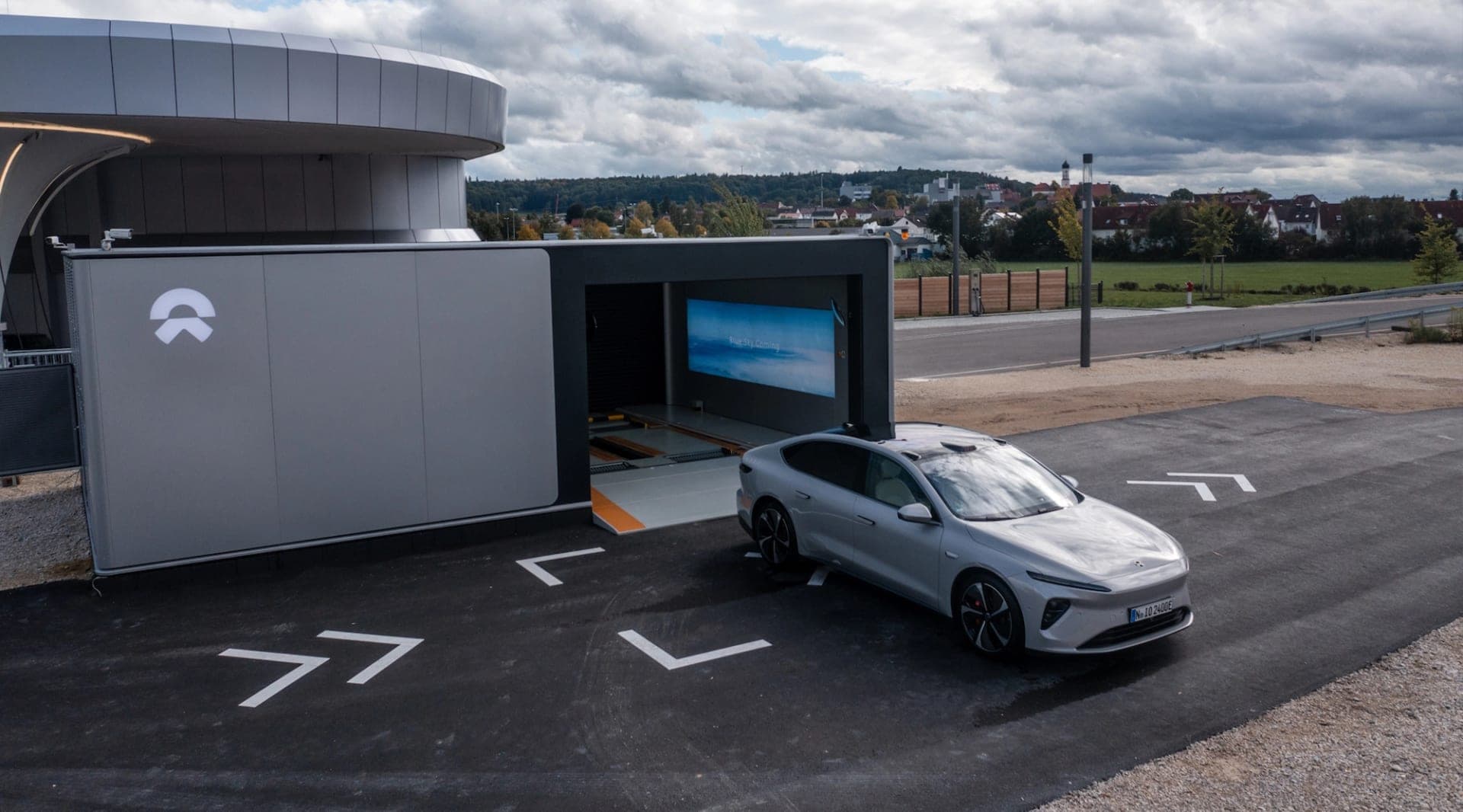
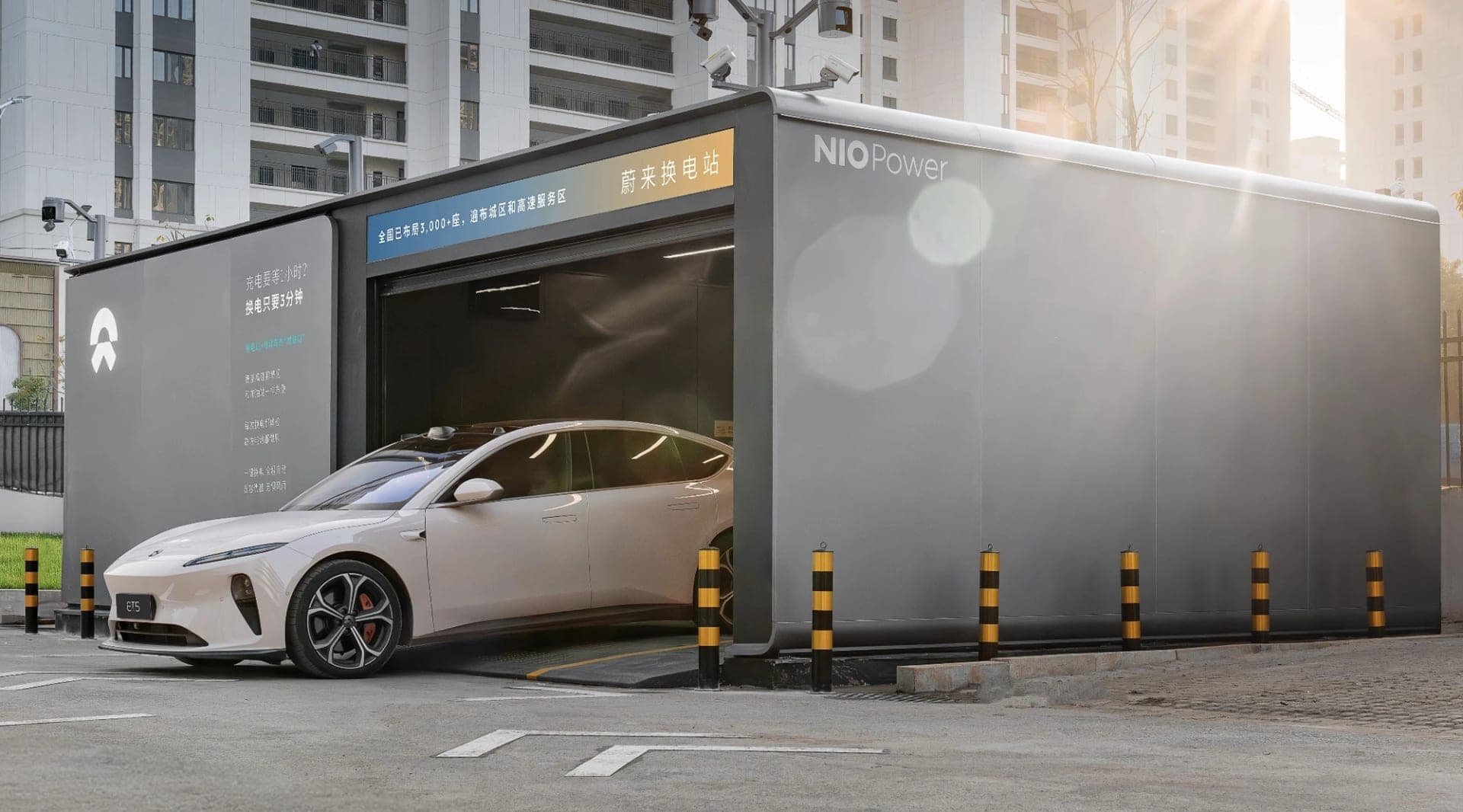
Divide the peak days by the size of each network and Nio's 4,168 swap stations averaged 44 swaps each on 5 October, while BYD's 12,165 flash-charging stations averaged 15.5 cars each on their busiest day. That is roughly three to one. The extremes point the same way: Nio's busiest station, at the Rizhao service area on the G15 expressway in Shandong, carried out 211 swaps in one day, while BYD's best single charging gun served 74 cars, one every 19 and a half minutes around the clock.
Nio rates its fourth-generation swap station at up to 480 swaps a day
Nio's fourth-generation swap station holds 23 batteries and is rated for up to 480 swaps a day, with the fastest swap taking 2 minutes 24 seconds. On the heaviest day of the year, even the record station at Rizhao therefore ran at well under half its rated capacity, and the network average at under a tenth. That headroom is expensive by design: William Li said in September that Nio had spent more than 20 billion yuan, roughly €2.5 billion, on its charging and swap network over 11 years.
BYD's flash stations take other brands, Nio's 1,192,221 swaps went to its own cars
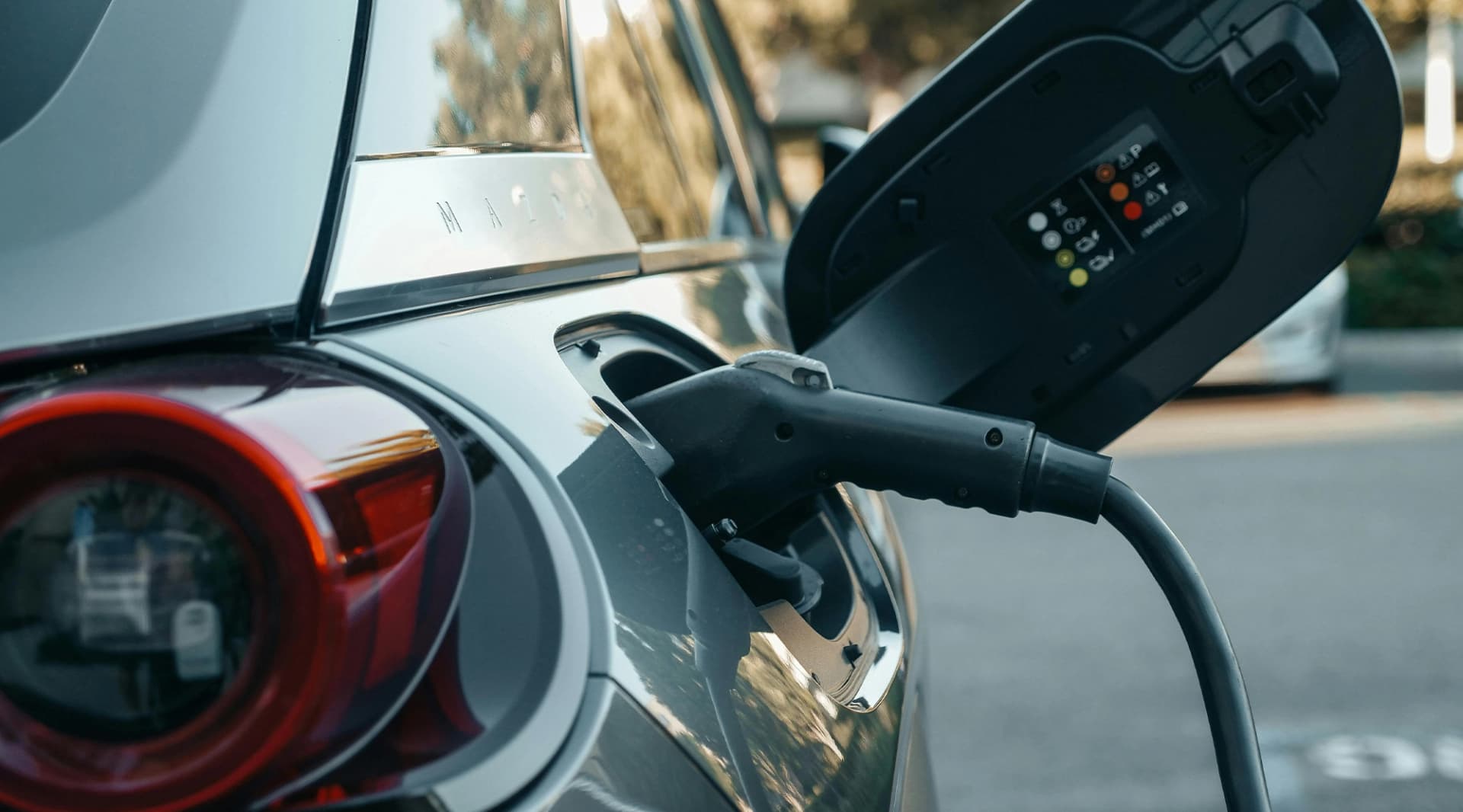
BYD's flash network served more than 540,000 users over the holiday, and its stations accept other makes, which draw whatever their own battery allows rather than BYD's top rate. In the network's first six months, close to a third of its users drove another badge. Nio's 1,192,221 holiday swaps went to cars from its own Nio, Onvo and Firefly brands, because the pack has to fit the station. Nio's cable chargers are the open part of its business: 86.69 percent of the electricity they deliver goes to other makes.
BYD needs about 92 new flash stations a day to reach 20,000 by December
BYD has set a target of 20,000 flash-charging stations in China by the end of 2026, which leaves 7,835 to build after 7 October, or about 92 a day. Nio aims for 10,000 swap stations by 2030. If BYD reaches its number and its stations repeat this holiday's average, the network could serve more than 300,000 cars on a comparable peak day. Nio's swap network would need roughly 7,000 stations to match that at its own rate.
Nio has about 60 swap stations in Europe, BYD a target of 3,000 flash sites
Nio's European swap network stopped at about 60 stations across six countries and is not growing in 2026. Those stations had completed 300,000 swaps by June, fewer than its Chinese network now handles in two days, and Nio registered 19 cars in Germany between January and August. BYD switched on its first 1,500 kW station in Europe in Germany in June, with a target of 3,000 sites running at up to 1,000 kW per cable on the CCS2 plug. The first car here able to use that rate is the Denza Z9 GT.
AutoNext Take
Battery swapping won Golden Week on the measure it was designed for. Three times as many cars per site on the busiest travel day of the year, with the record station still below half its rated output, is the case Nio has made for years, now supported by its rival's own figures. BYD wins on the measure that decides networks: a flash station is cheap enough to build at 92 a day, takes any car with the right plug and needs no stack of spare batteries behind the wall.
The 2027 Spring Festival rush in February will show that gap widening. With close to 20,000 stations open, BYD's busiest day will clear 250,000 cars, while Nio's swap network, whose daily average grew 22 percent this year, will still peak below 230,000. Europe has already chosen accordingly, with 3,000 flash sites planned against 60 swap stations that are not growing, and nothing in this week's figures argues for changing that.