Nissan drops piano-black trim and chrome because owners hated both
The glossy black plastic that looks premium for a week is leaving Nissan's cabins
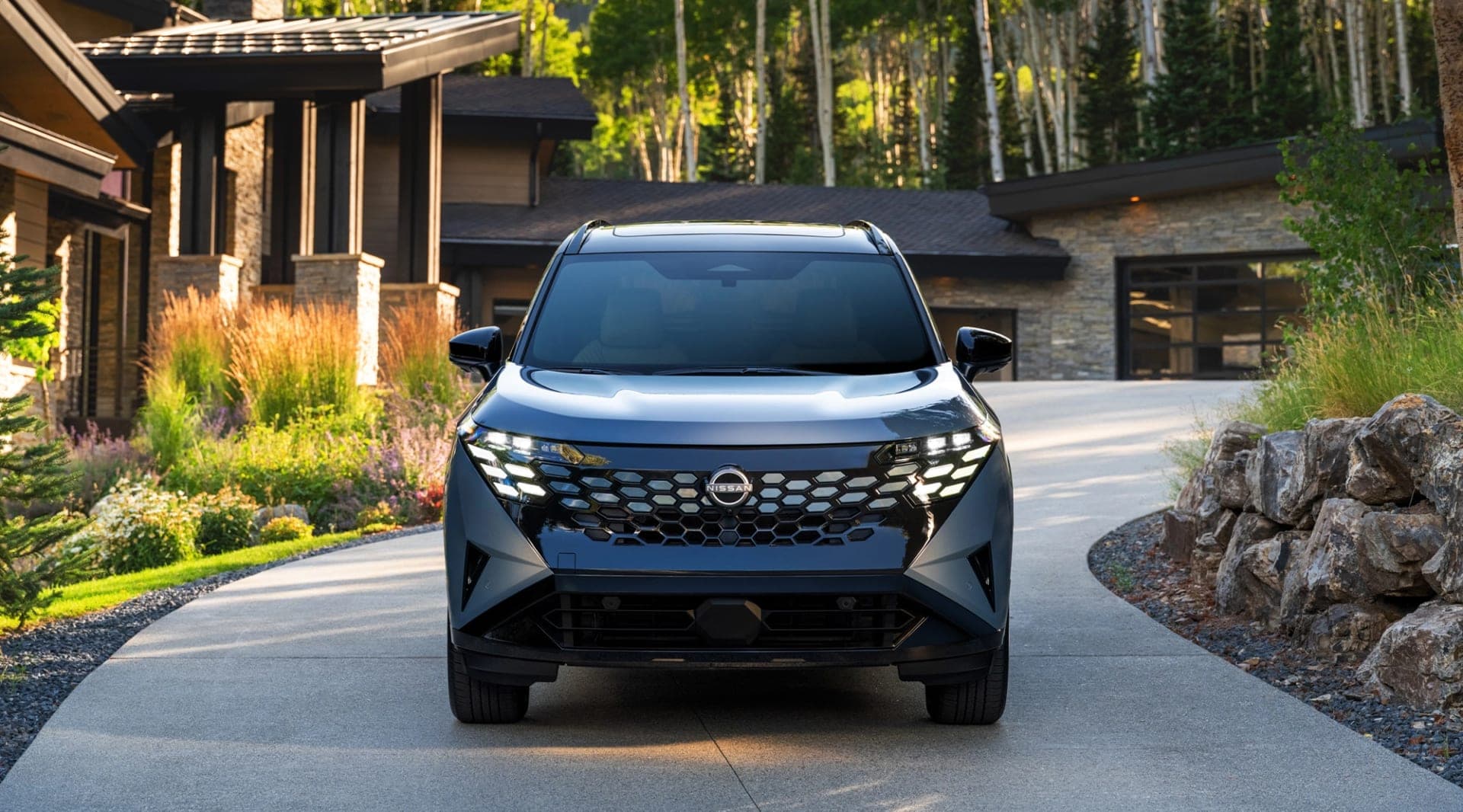
Nissan is removing piano-black plastic from its interiors and bright chrome from its bodywork, starting with the 2027 Rogue Hybrid, the American twin of Europe's next X-Trail. Ponz Pandikuthira, chief planning officer for Nissan North America, called the decision consumer-driven: the gloss looks premium when it is new, then collects fingerprints until owners either clean it obsessively or give up. Outside, dark chrome, paint and wraps replace the brightwork.
Nissan's 2027 Rogue Hybrid swaps gloss black for matte, textured plastic
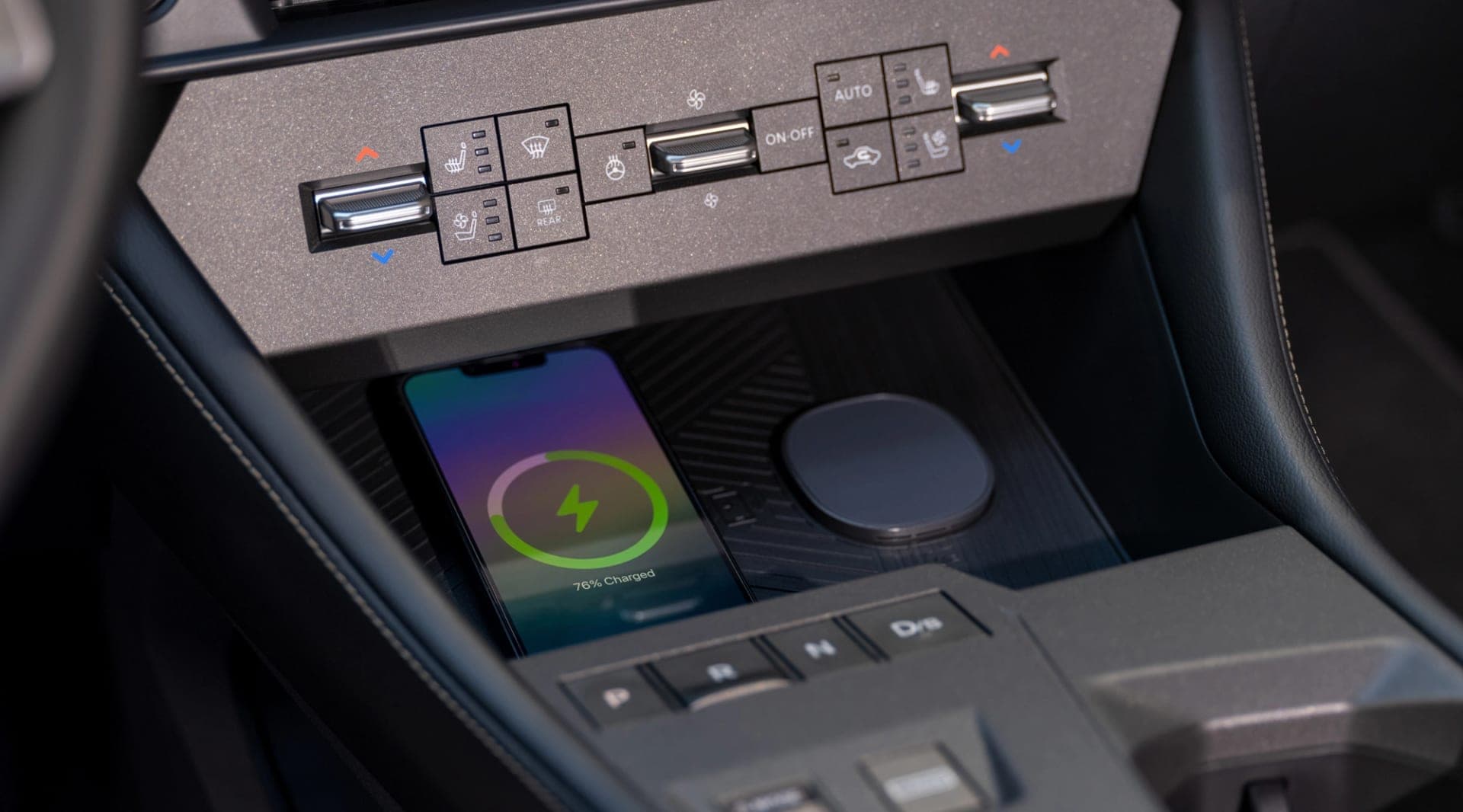
The Rogue Hybrid is the first car built to the new rule. Around the centre stack and console, where the buttons sit and hands land, Nissan uses a speckled grey, textured plastic instead of gloss black, and the physical controls stay: a volume knob, metal rocker switches for temperature and fan speed, and buttons for the heated and ventilated seats. The new Leaf points the same way, with satin rather than bright metal trim. The older Pathfinder and Armada, sold in America, still carry both the gloss and the chrome.
Pandikuthira's case against piano black is fingerprints, dust and scratches
Nissan's objection to piano black is practical rather than aesthetic. In daily use the surface shows every fingerprint and speck of dust, and the fine scratches left by rings, keys and cleaning cloths stand out more on dark gloss than on grained plastic. Pandikuthira applied the same logic to controls, saying a mainstream crossover is not a "jewelry car" parked in a garage to be admired, so function has to lead form. The car is meant to be used, and its materials should survive that.
Piano black started in a £100,000 Range Rover Linley in 1999
The finish entered the car world as craftsmanship. Land Rover's 1999 Range Rover Linley, a special edition priced at £100,000 and inspired by the furniture maker David Linley, used real wood, hand-lacquered and polished to a mirror shine. Over the following decade Land Rover spread the look across its range, and by the 2010s it had become black moulded plastic in everything from budget hatchbacks to Audis and Mercedes. It also solved a design problem: gloss black blends into a switched-off screen, and screens multiplied in exactly those years.
Audi's Q9 and Kia's electric cars moved away from gloss black first
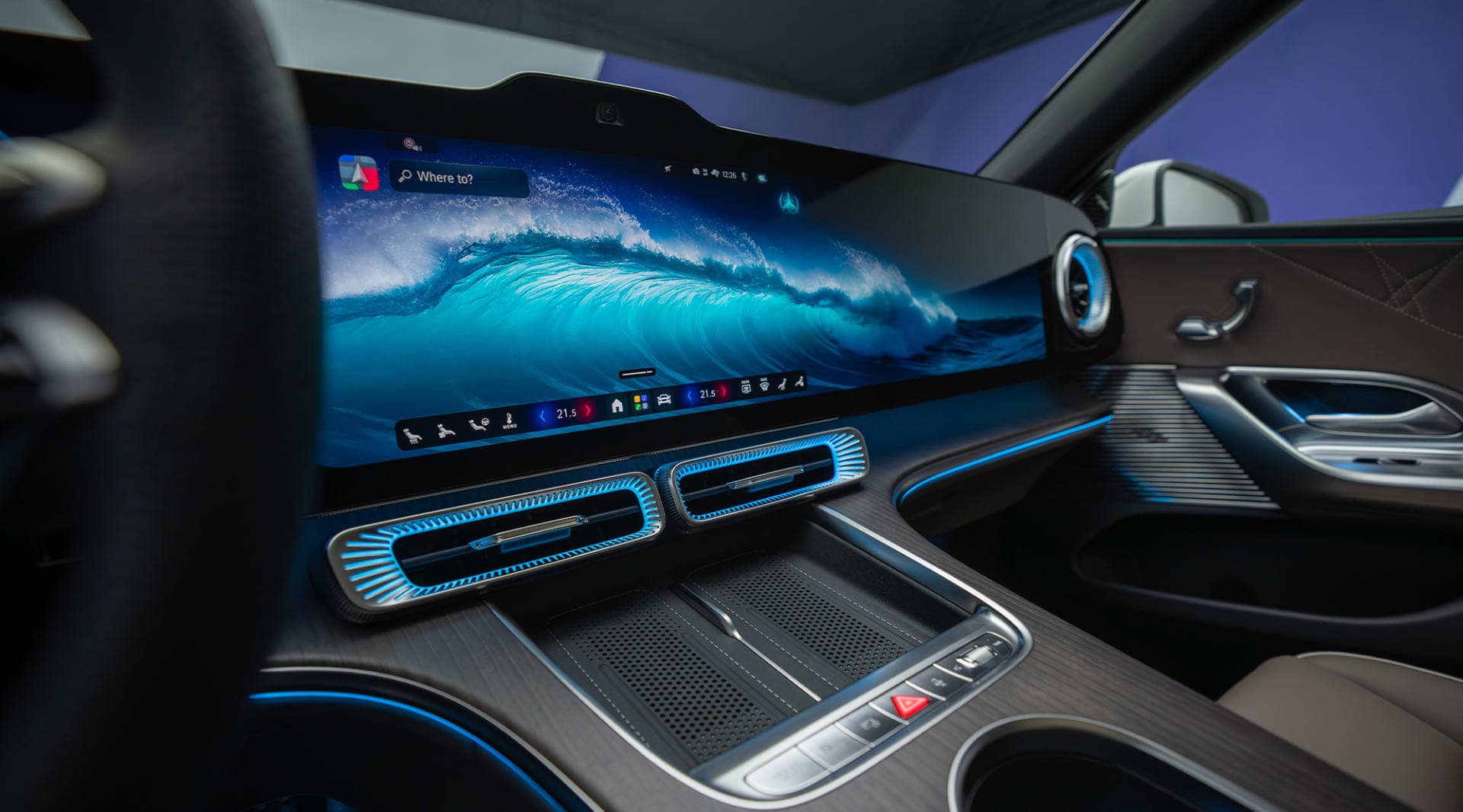
Nissan is not the first to change course, and that strengthens its case. Audi's Q9 interior, shown in May, reduces glossy surfaces in favour of matte and textured materials, which Audi's own release says minimise fingerprints. Kia's interior design chief Jochen Paesen said in 2023 that high-gloss surfaces would leave its upcoming electric models, beginning with the EV9. Nissan's version is the bluntest of the three: a carmaker saying on the record that a material it fitted for years ends up looking terrible.
The EU plans to restrict chromium(VI), the chemistry behind bright chrome
Chrome has a European deadline as well as a fashion problem. On 29 April 2025 the European Chemicals Agency proposed restricting hexavalent chromium, the carcinogenic compound used in traditional chrome plating, including the decorative plating on grilles and trim. ECHA estimates about 17 tonnes of emissions a year would be avoided, with adoption expected around the end of 2027 and an 18-month transition after that. Nissan did not cite the rule, but dark chrome, paint and factory-applied wraps sidestep it entirely.
AutoNext Take
Piano black was never a luxury material in a mass-market car. It was a way to make a screen surround look expensive on the day of the test drive, and anyone who has owned one knows what it looks like a year later. Nissan saying that in public matters more than the trim change itself, because carmakers rarely admit their customers were right and their designers were not. With Audi and Kia already moving, matte is becoming the default again, for good reasons.
Europe gets the evidence next. The new X-Trail arrives here in 2027 on the same body and hardware as the Rogue, and its centre console should be the grained, matte one the Americans get. If European buyers receive a glossy version instead, the promise was only ever American. If they do not, Nissan will have made one of the most useful interior decisions of the year, for the people who actually live with the car.