Project Rally One ran 300 km in the WRC's first tuner-built car
A 17-person company is building a World Rally Car under a 345,000 euro cap
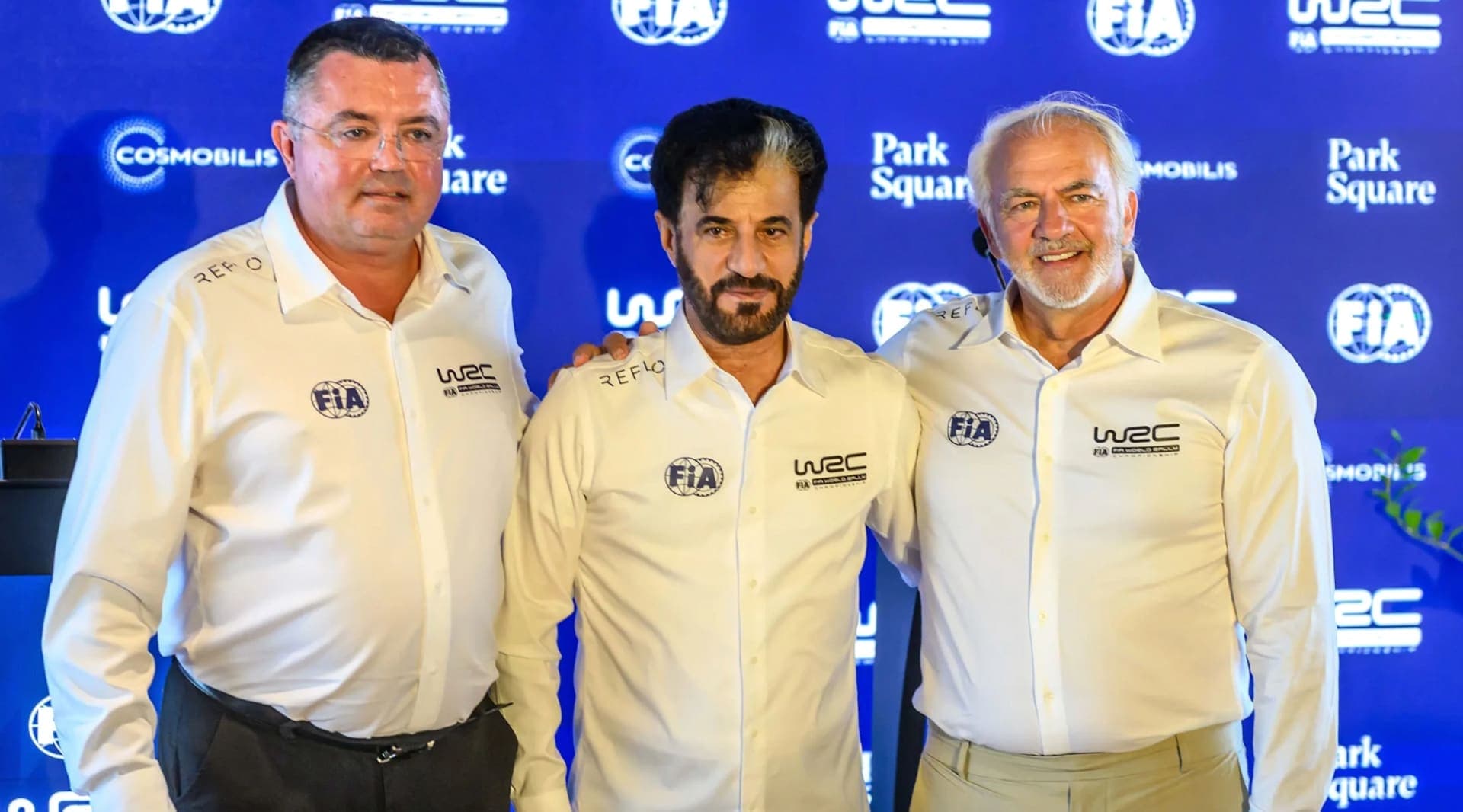
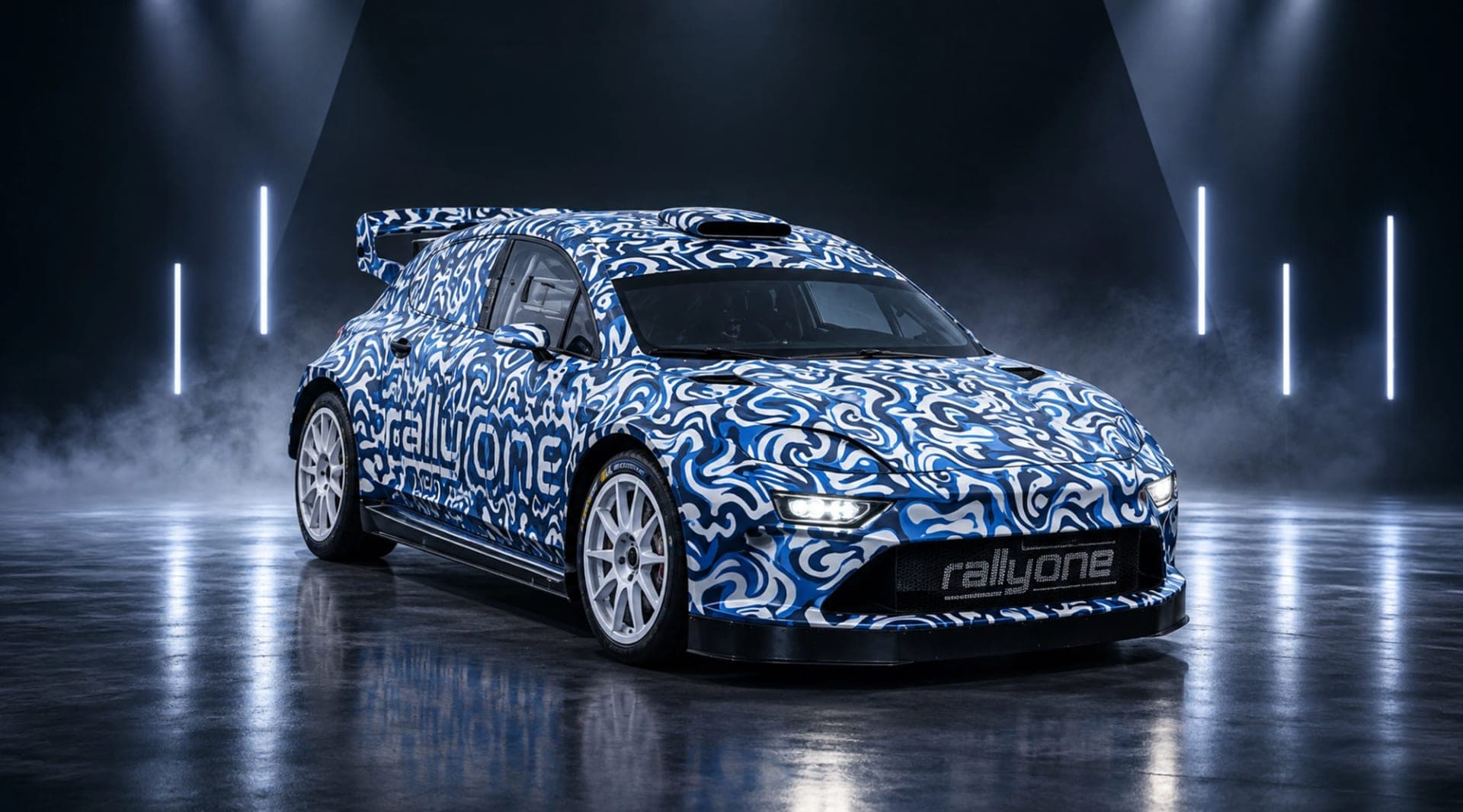
Project Rally One has completed the first test of a top-level World Rally Car that no car manufacturer had anything to do with. Three days of running, roughly 300 kilometres, nothing broken. The Belgian outfit, co-founded by former Citroën team principal Yves Matton, is the first constructor registered under the FIA's WRC27 rules, which from 2027 let independent tuners homologate a car and chase the same title as Toyota and Hyundai.
Project Rally One covered 300 kilometres without a failure
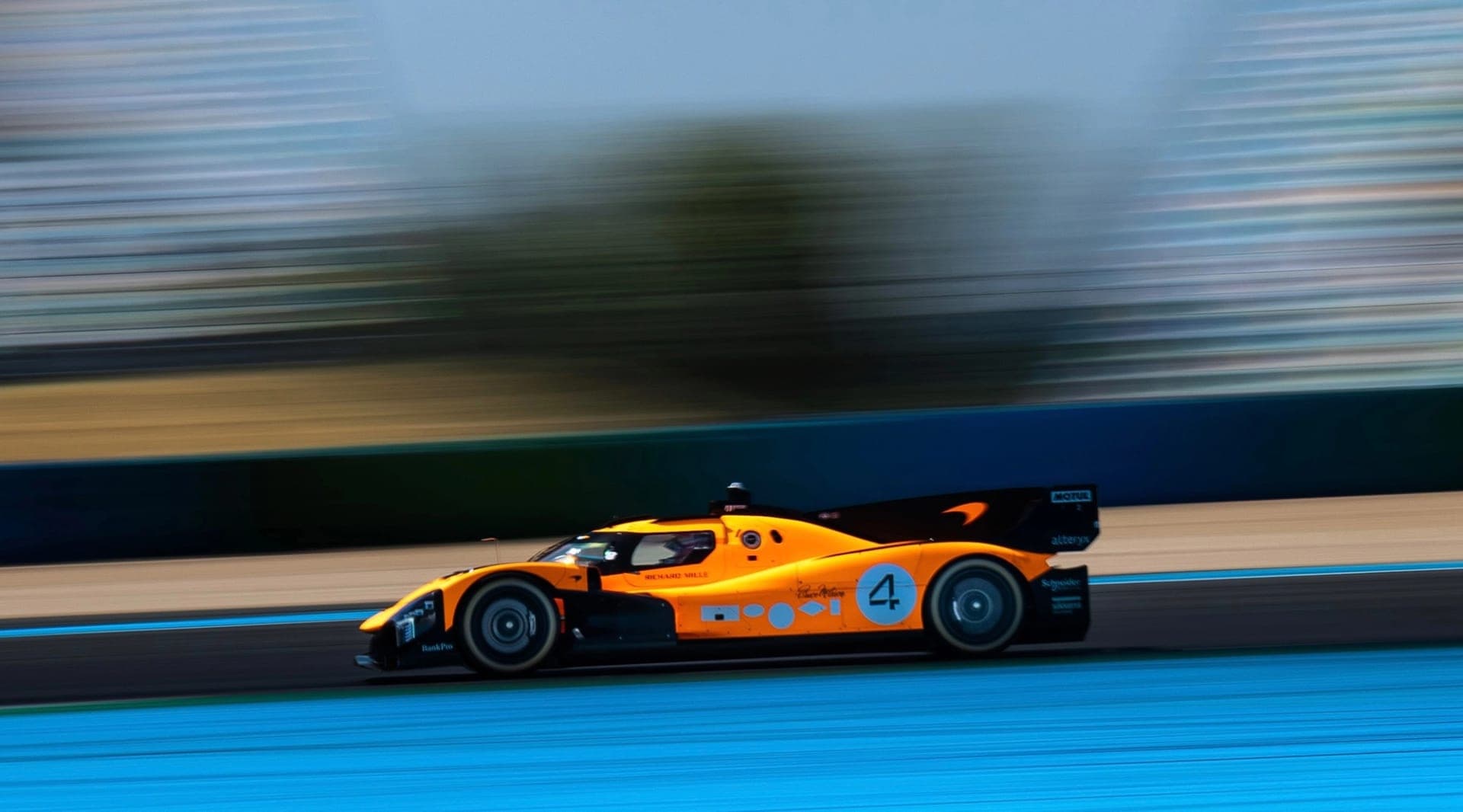
The first roll-out ran across three days on a circuit. "The car was subjected to significant stress on the kerbs and at high speeds, and we covered approximately 300 kilometres without encountering any problems," founder Lionel Hansen told L'Équipe. Former factory WRC driver Stéphane Lefebvre was one of three drivers to sample it. Hansen says the programme is now a month ahead of its original schedule, with asphalt testing through September and the first gravel running in October. Three hundred kilometres is a small number next to the 30-hour run McLaren gave its 2027 Le Mans car, but a rally car earns its reliability on surfaces no circuit can supply.
The FIA capped a WRC27 car at 345,000 euros
WRC27 replaces Rally1 from January 2027. Every car sits on an FIA-designed tubular spaceframe, with double wishbone suspension, four-wheel drive, a 1.6-litre turbocharged engine and a target weight of 1,230 kg, the same as today's Rally2 machinery. The cap is 345,000 euros for a tarmac-specification car, and FIA chief technical and safety officer Xavier Mestelan Pinon has tied that figure to selling the car into regional championships rather than the WRC alone. The homologation then stays valid for 10 years, twice the usual cycle, which is what makes a private development programme worth starting at all.
The engine comes from a Škoda Fabia RS Rally2
Hansen's car runs a 1.6-litre Volkswagen Group four-cylinder, the unit that has powered Škoda Fabia and Volkswagen Polo Rally2 cars for years. He has said the engine could change by the middle of the 2027 season, because the team is holding open the option of homologating its own. For now, the first independent World Rally Car is powered by the group that walked away from the championship's top class at the end of 2016, after four consecutive manufacturers' titles.
Yves Matton and Alain Penasse lead a team of 17
Hansen runs a 17-strong operation with a deep rally CV behind it. Matton ran Citroën Racing and then served as the FIA's rally director. Alain Penasse, formerly Hyundai's team manager, handles sporting management and strategy, and veteran rally car designer Jean-Claude Vaucard advises on the technical side. The supplier list reads like a European racing directory: WRT Manufacturing, Marelli Motorsport, Multimatic and OMP Racing. Hansen says he has already spoken to more than 20 Priority 1 and Priority 2 drivers, the championship's two top seedings.
Monte Carlo depends on a decision taken on 1 November
Homologation is targeted for 1 January, with two cars entered on the Monte Carlo Rally later that month. Hansen has set 1 November as the day he decides whether that is realistic, judged on reliability through the autumn asphalt tests. Even then, 2027 will be partial: the rules oblige a new constructor to contest 15 rounds across its first two seasons, and Hansen is planning around five next year, tarmac first, with the gravel car developed over the winter. Spain's RMC Motorsport is aiming to debut in Croatia, which would give the WRC's new owners two additions to a grid that has carried three manufacturers for years.
AutoNext Take
The interesting number here is not 300 kilometres, it is 345,000 euros across 10 years. The FIA did not lower the barrier so that one Belgian company could enter the WRC. It did it so a WRC27 car could be sold, repeatedly, into regional and national championships the way Rally2 has been for a decade. Hansen has said a customer car is not possible before the middle of 2027, and that is the number that will settle whether these rules worked.
So here is the test. If Project Rally One makes Monte Carlo in January and nobody has ordered a second chassis by the end of 2027, the tuner-constructor rule bought the championship one extra entry rather than a category. The FIA is rewriting 2027 across its championships, from spaceframe rally cars to Formula 1's shorter grands prix, and cost is the argument every time. Only one of those rewrites has to convince customers to buy something.