The cheapest electric Renault Scenic now charges faster than the expensive one
Renault did not raise the Scenic's charging power. It cut nine minutes anyway
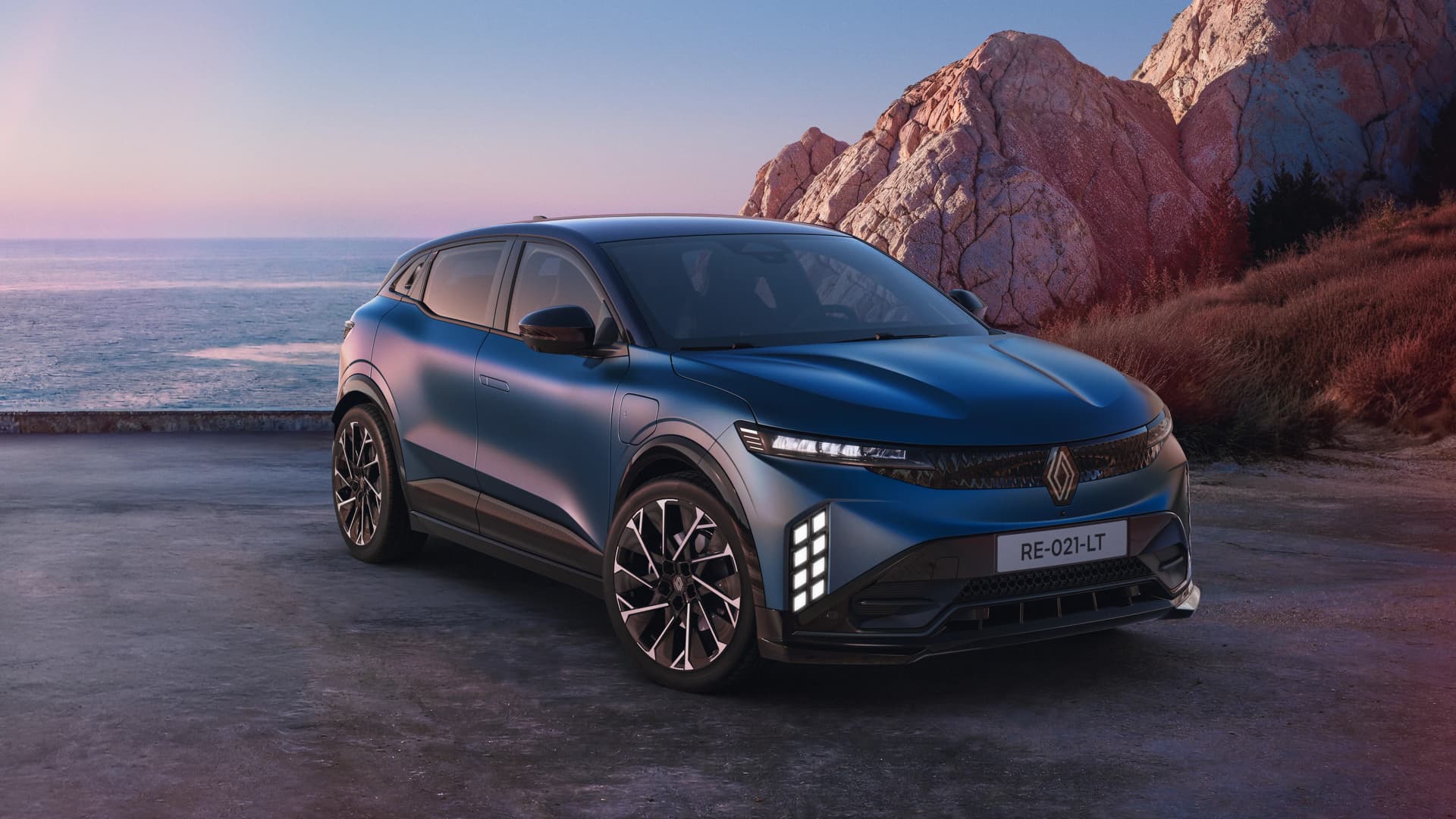
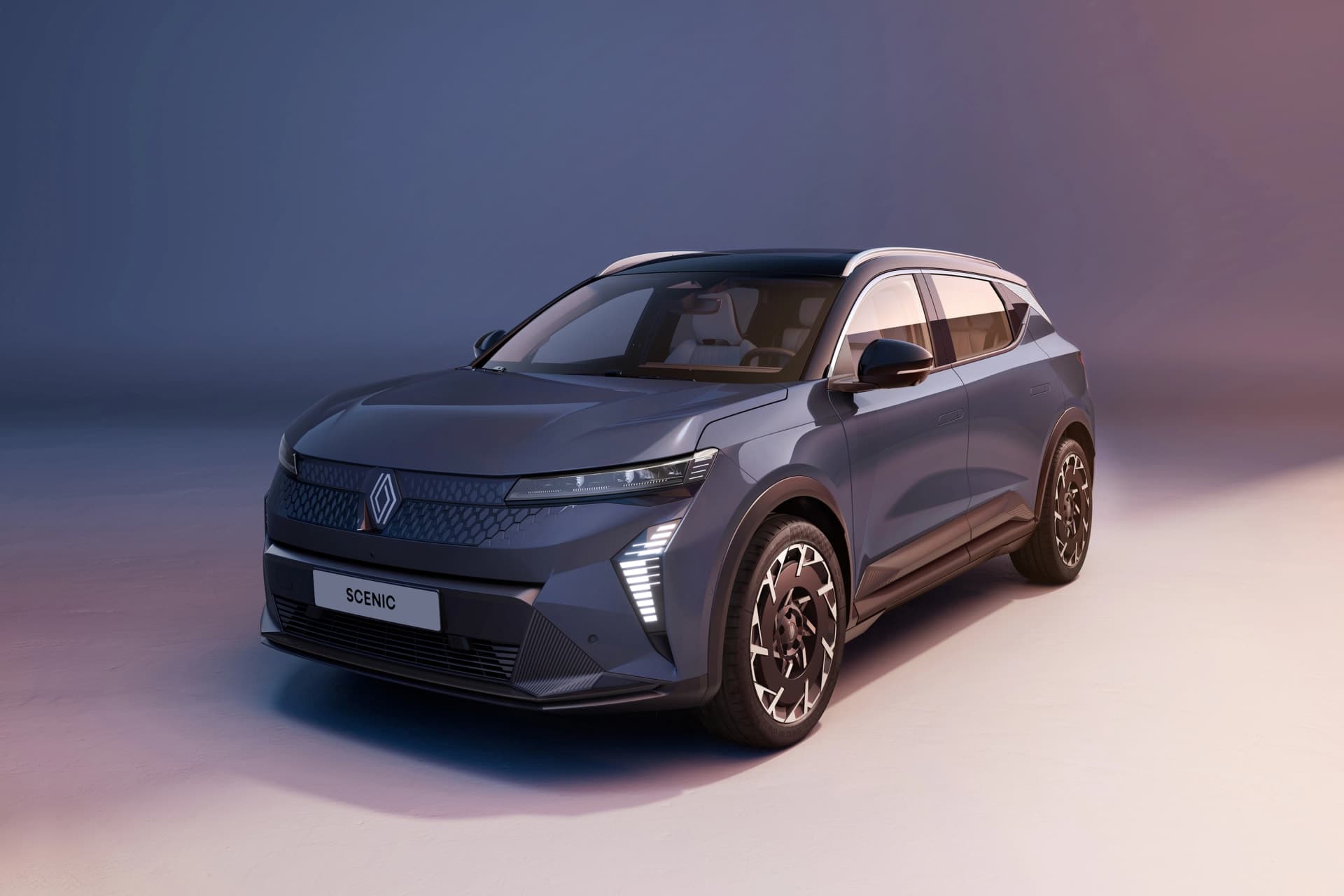
The updated Scenic E-Tech electric arrives with a 89 kWh battery that peaks at exactly the same 150 kW as the 87 kWh pack it replaces, and still fills from 15 to 80 percent in 28 minutes instead of 37. Renault did not find more power. It found a flatter curve, which is the harder engineering problem and the one drivers actually feel at a motorway charger.
The 89 kWh Scenic now claims 642 km and a 28-minute charge
The long-range Scenic keeps its 220 hp motor and gains a 89 kWh NMC pack, up from 87 kWh, worth up to 642 km on the WLTP cycle against 625 km before. Renault quotes a 25 percent improvement in DC charging, and the numbers back it: 15 to 80 percent drops from 37 minutes to 28. It is orderable now in Belgium from 47,200 euros.
The 67 kWh LFP pack peaks at 165 kW, higher than the flagship
The second battery is the interesting one. A 67 kWh lithium iron phosphate pack follows later, rated at 467 km, and it charges from 15 to 80 percent in 24 minutes at a peak of 165 kW. That is four minutes quicker and 15 kW harder than the far more expensive NMC car. It is the same cell-to-pack unit Renault introduced on the facelifted Megane E-Tech in June, with 232 pouch cells packed to fill 53 percent of the pack volume.
The entry Scenic gains 50 hp and 37 km over the 60 kWh car it replaces
The old base Scenic had a 60 kWh battery, a 170 hp motor, roughly 430 km and a 130 kW charging ceiling. The LFP car replacing it has 220 hp, 467 km and 165 kW. Renault has deleted the slow version of its family EV rather than making it cheaper, which is the same thing it just did to the Renault 5 E-Tech. Every Scenic now has the same motor.
Belgian pricing: 47,200 euros for the 89 kWh, 41,900 for the LFP
The gap between the two is 5,300 euros for 175 km of extra WLTP range, or about 30 euros per kilometre. The bigger pack is also the more efficient one on paper, at 13.9 kWh per 100 km against 14.4 for the LFP, because Renault has kept the car light: under 1,900 kg and 4.47 m long, with a 545-litre boot. Both are built at Douai in northern France, with cells made in Poland and assembled into packs on site.
Google Gemini, a Qi2 charger and a driver camera on every trim
Gemini now sits in the openR link system as an optional replacement for Google Assistant, with 2 GB of data a month included for three years. Google Maps can filter charging stops by network, power and payment method. Every trim gets the driver monitoring camera as standard, and Renault uses it for more than the regulation requires: it recognises who is driving and restores their dashboard, navigation and ambient lighting settings. The updated car makes its show debut at the Paris motor show in October.
AutoNext Take
The 67 kWh car is the one to buy, and Renault has built the argument itself. For 41,900 euros you get the same 220 hp motor, a higher charging peak, a shorter stop and a chemistry that tolerates being charged to 100 percent every night. The 89 kWh version answers a single question, which is how far you go between stops, and it charges 5,300 euros for 175 km of it. Very few family buyers regularly drive 467 km without stopping.
The wider point is that LFP has stopped being the compromise chemistry in Europe. Two years ago a 467 km family car needed nickel and a 165 kW peak was not something anyone associated with iron phosphate. Renault's cell-to-pack design has closed most of that gap while cutting the price of entry by 5,300 euros. If the LFP Scenic outsells the NMC version in its first full year, the 89 kWh pack becomes a niche option rather than the range topper, and the same logic will spread across the rest of Renault's electric line-up.