Tesla's Cybercab skipped the exemption Zoox spent a year getting
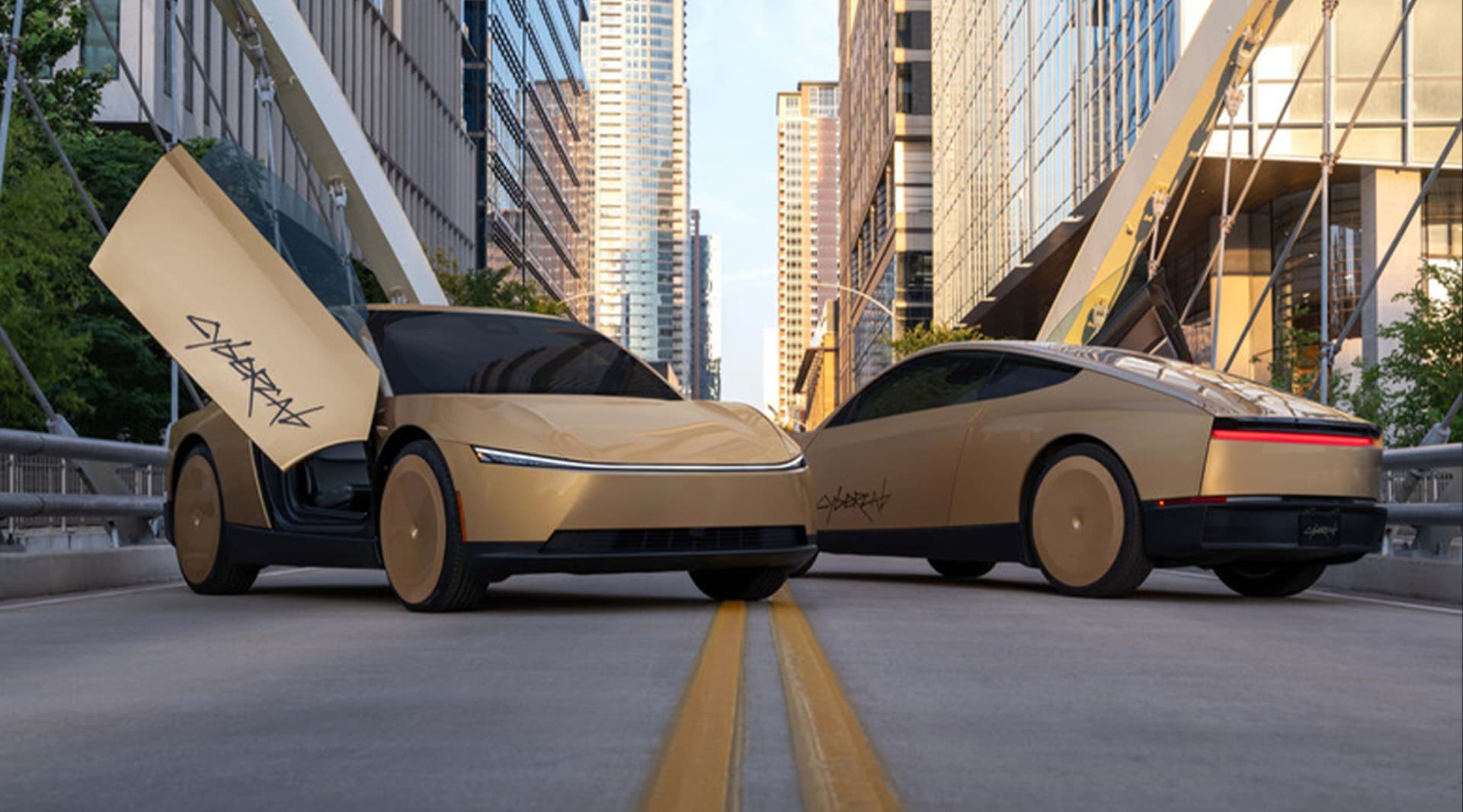
Forty-five gold two-seaters are working Austin without a federal sign-off
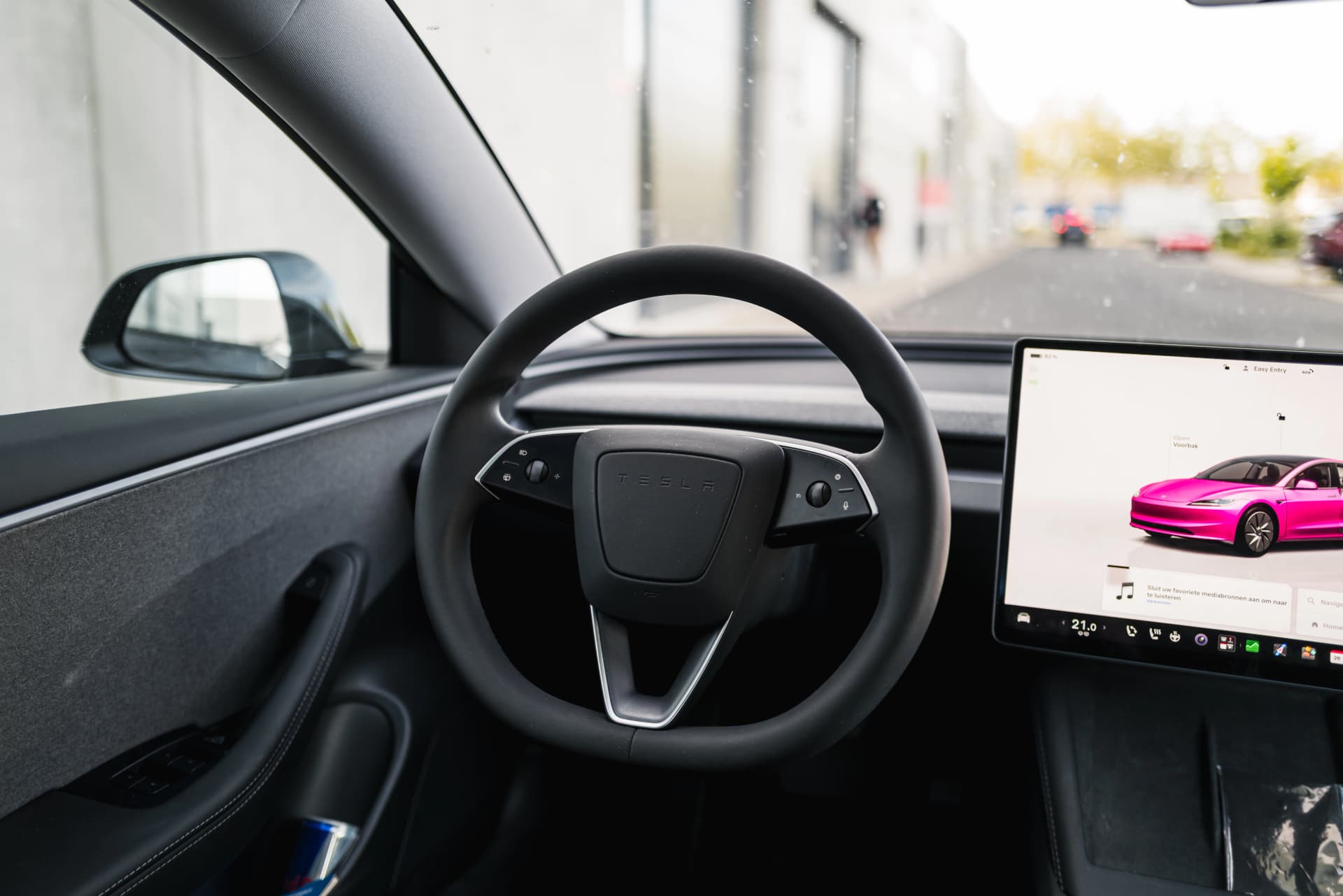
Tesla opened the Cybercab to paying passengers in Austin on Friday, and the car it sent out has no steering wheel, no pedals, no mirrors and no brake fluid. Tesla did not ask permission for any of that. It signed a document stating the car already meets American safety standards, and the federal regulator opened an audit into that signature the following day.
The Cybercab has no brake fluid, no brake lines and no master cylinder
Each caliper on the Cybercab carries its own electronically controlled actuator, with no hydraulic plumbing running between them. The layout is called dry brake-by-wire and almost nothing on the road uses it: China's Chery Exceed EX7 arrived with a comparable system in April. The steering is electronic too, with no column at all, the steer-by-wire unit sitting behind the front motor. Elon Musk's stated reason is that deleting the reservoir, the lines and the master cylinder removes cost along with the plumbing. The quieter gain is that software can now brake each wheel with a different force, which one shared hydraulic circuit cannot do.
Brembo said its fluid-free Sensify entered series production in May 2026
Tesla has not named the supplier, and only a handful of firms build electromechanical brakes: Bosch, ZF and Brembo. Brembo announced in May that its fluid-free Sensify system had entered series production at a global manufacturer it declined to identify, fitted as standard across the entire launch programme. Cybercab mass production began in April. The dates prove nothing on their own, but they do mean the most radical component on an American robotaxi is a European speciality, and Brembo says it has since signed further contracts covering hundreds of thousands of cars a year.
Zoox spent eleven months on a Part 555 exemption, and Tesla filed nothing
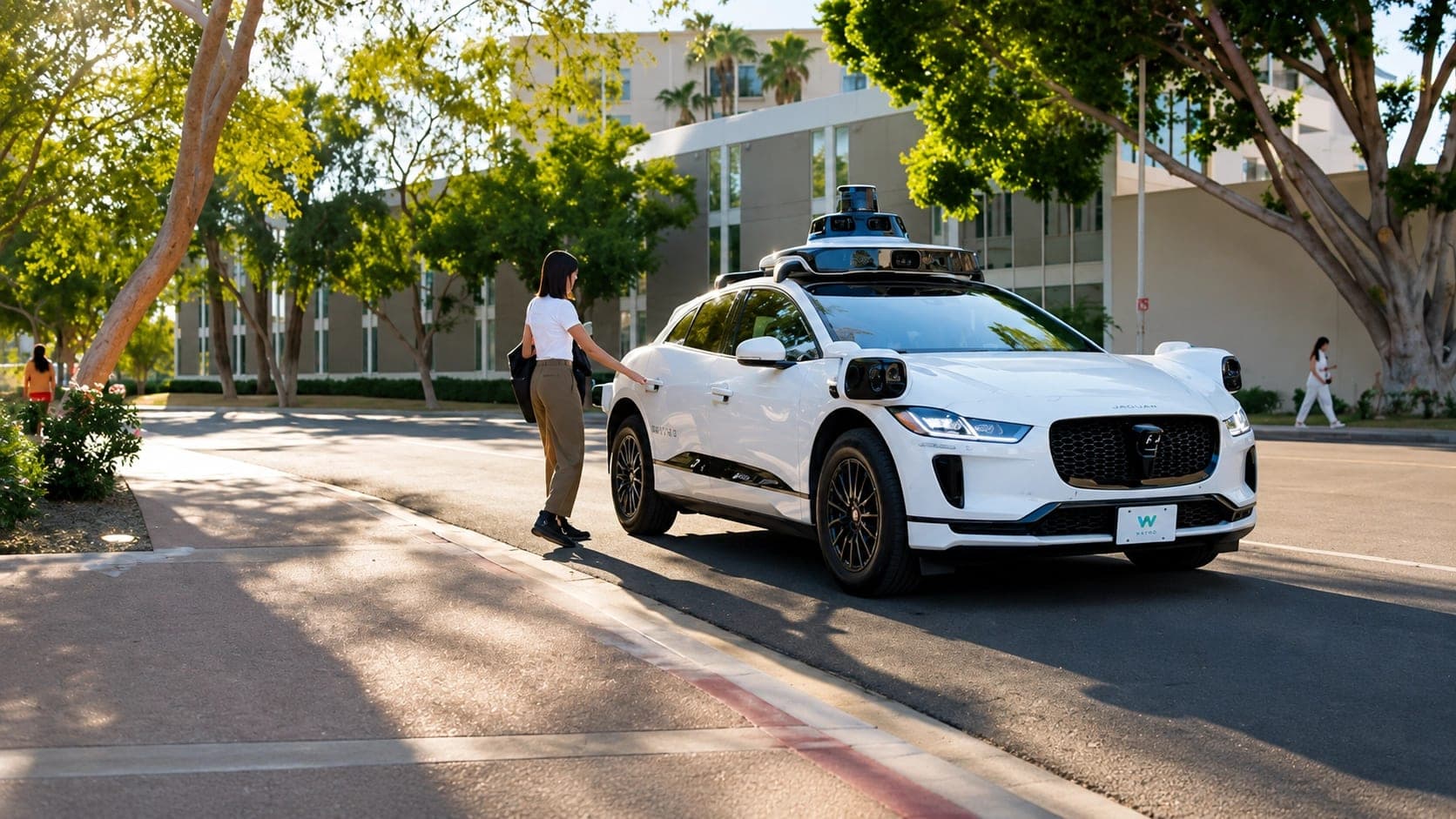
The legal route for a car without driver controls in the United States is a Part 555 exemption, which is capped at 2,500 vehicles a year. Amazon's Zoox applied in August 2025, received a two-year exemption on 31 July 2026 listing every standard it was excused from, and started charging for rides in Las Vegas ten days later. Tesla took the other door and self-certified that the Cybercab already meets the Federal Motor Vehicle Safety Standards. On 4 September the NHTSA opened an audit query into how far that certification rested on deciding certain standards simply do not apply.
Europe has no self-certification, and caps a driverless car at 1,500 a year
None of this is available in Europe, because the European Union does not let a manufacturer declare its own car legal. A designated technical service tests it and an approval authority signs it off before it reaches a public road. That is not a ban on driverless cars: Implementing Regulation (EU) 2022/1426 wrote the technical rules for automated driving systems in 2022, and the small-series annex to Regulation (EU) 2018/858 has permitted fully automated vehicles since December of that year. It permits 1,500 of them per type per year across the whole EU, which is part of why Waymo chose one city, Munich, for its 2027 European launch.
45 Cybercabs, a 47.6 kWh battery and a target of $0.20 per mile
The fleet is tiny. Texas registration data shows 45 Cybercabs in the state, against Waymo's roughly 4,000 cars across 14 American cities. The vehicle is modest by Tesla standards as well: 1,412 kg, a 47.6 kWh pack and a claimed 10.2 kWh per 100 km. The business case rests on cost falling to $0.20 per mile at scale, which Tesla puts at a tenth of the industry average, and scale is the one thing it does not yet have. The car goes on public display in Beijing and Shanghai from mid-September with no sales and no service attached, while Chinese operators expand into Europe and Tesla's driver-assistance software works through European approval one country at a time, as it did in the Netherlands.
AutoNext Take
Self-certification is the story, and it is the part Europeans should watch, precisely because we do not have it. Zoox took eleven months and accepted a published federal notice naming every rule it was excused from, down to the sun visor and the requirement that a service brake be worked by a foot pedal. Tesla decided those rules do not apply to a car with no driver and drove. If the NHTSA accepts that reading, the process Zoox followed becomes optional, and the annual cap that came attached to it disappears with it.
The cap is the number to watch, not the brakes. Tesla needs volume to reach $0.20 per mile, and both regulated routes put a ceiling on it: 2,500 a year in America, 1,500 per type a year in Europe. Self-certification is the only door with no number written on it. If the audit closes in Tesla's favour and the fleet is past a few thousand cars by the end of 2027, the American rulebook will have been rewritten by a signature rather than by a rulemaking. If Tesla quietly files a Part 555 application after all, Zoox took the slow road and still got there first.