Waymo picked Munich for Europe's first driverless taxi service
The first driverless taxi in the European Union will be an American one
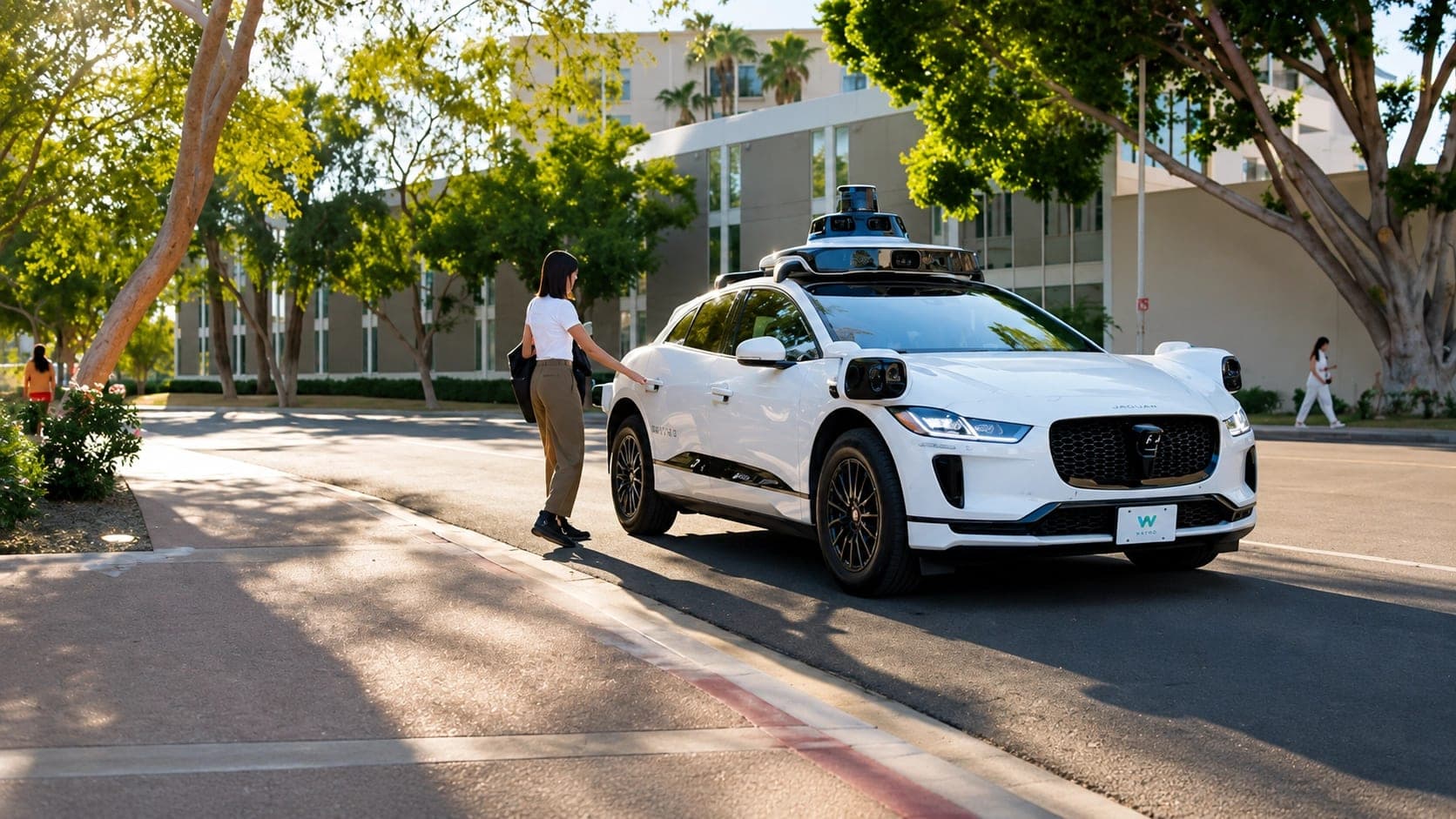
Waymo has confirmed that Munich will get Europe's first regular driverless taxi service, with a commercial launch targeted for the end of 2027. The first cars appear on Bavarian streets within weeks, though for now with trained specialists behind the wheel, mapping the city in high resolution long before the software is trusted to drive alone.
It is a pointed choice of city. Munich is where BMW is headquartered, where a large part of the German car industry does its thinking, and it is now where an Alphabet subsidiary will try to prove that the car of the near future does not need a driver at all.
Mapping first, passengers later
Waymo is not switching anything on overnight. The opening phase is deliberately unglamorous: vehicles driven manually around Munich to build the high-definition maps the system depends on, followed by autonomous testing with trained specialists ready to take over at any moment. Only once the Waymo Driver has proven it understands the local rhythm, the trams, the cyclists, the narrow inner-city streets, does the company plan to remove the human. Approvals and licensing steps are still pending, and Waymo says it is in discussions with authorities at city, state and federal level.
Why Munich, of all places
Germany has quietly built one of the more workable legal frameworks for autonomous vehicles in Europe, and Waymo has been explicit that legal certainty is a large part of the appeal. The groundwork has been going on for months. Waymo Germany GmbH was entered into the commercial register in June, and hiring in Munich started soon after.
The city itself suits the technology. Munich is Germany's third largest by population but also its most densely populated, which means a compact operating area with a lot of demand inside it. The political welcome has been warm too, with the Bavarian State Chancellery promising to reduce regulatory barriers and the federal transport ministry treating the launch as evidence that autonomous mobility can run in Germany as a normal service rather than a permanent pilot.
The numbers Waymo brings with it
Waymo does not arrive as a start-up. The company has completed more than 20 million autonomous rides and driven over 350 million kilometres fully driverless, and it now serves hundreds of thousands of paid trips every week in San Francisco, Los Angeles and Phoenix. Its own analysis of that mileage claims 16 times fewer crashes causing serious injury than human drivers, 14 times fewer pedestrian injury crashes and six times fewer involving cyclists.
Those are Waymo's figures, gathered on American roads, and Munich will test them properly. A German city centre is a harder environment than a Phoenix grid: trams sharing the carriageway, cyclists with priority, and pedestrians who cross with rather more confidence than caution. The fleet will be fully electric, with the Jaguar I-Pace expected to handle the early validation work.
Europe keeps starting and stopping
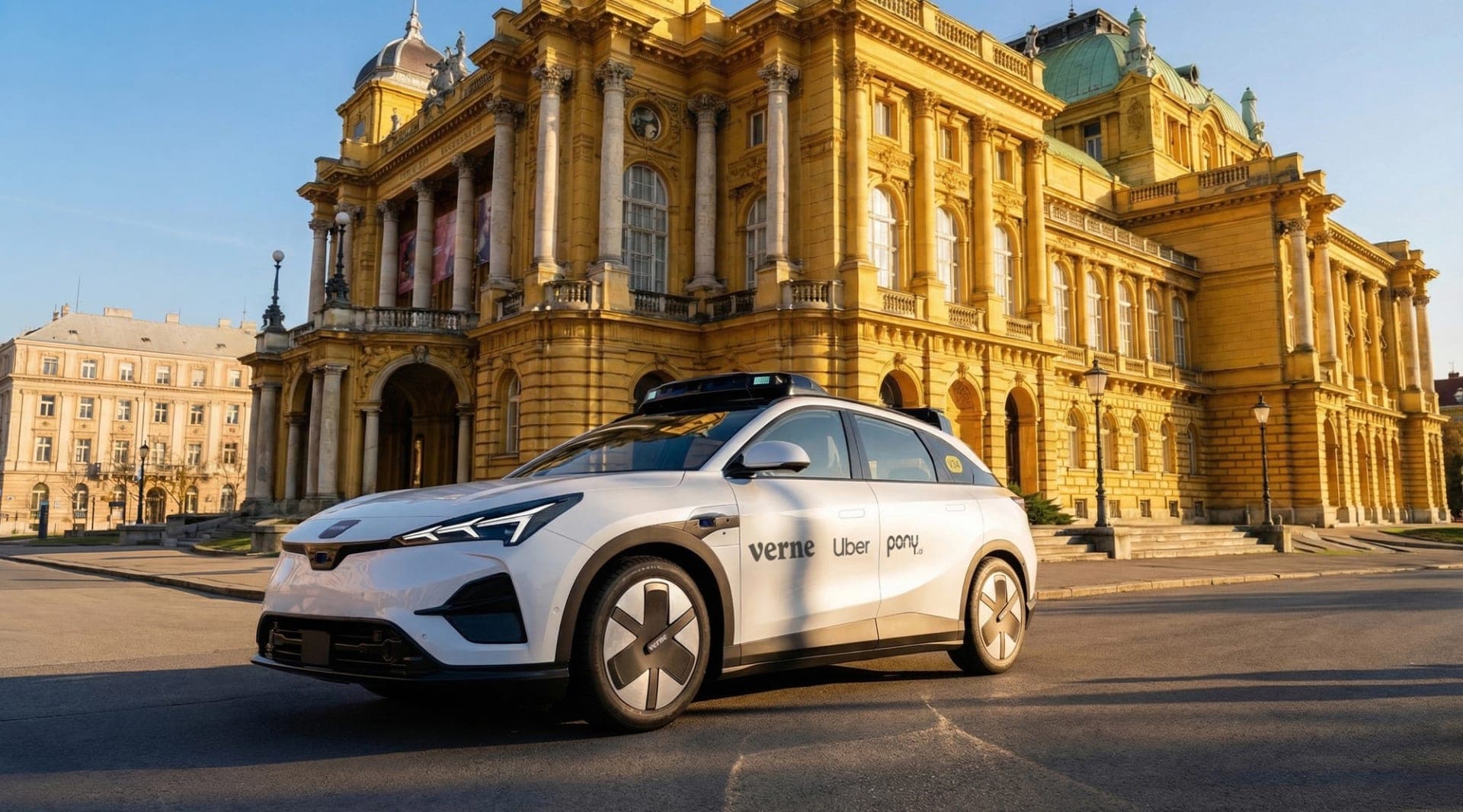
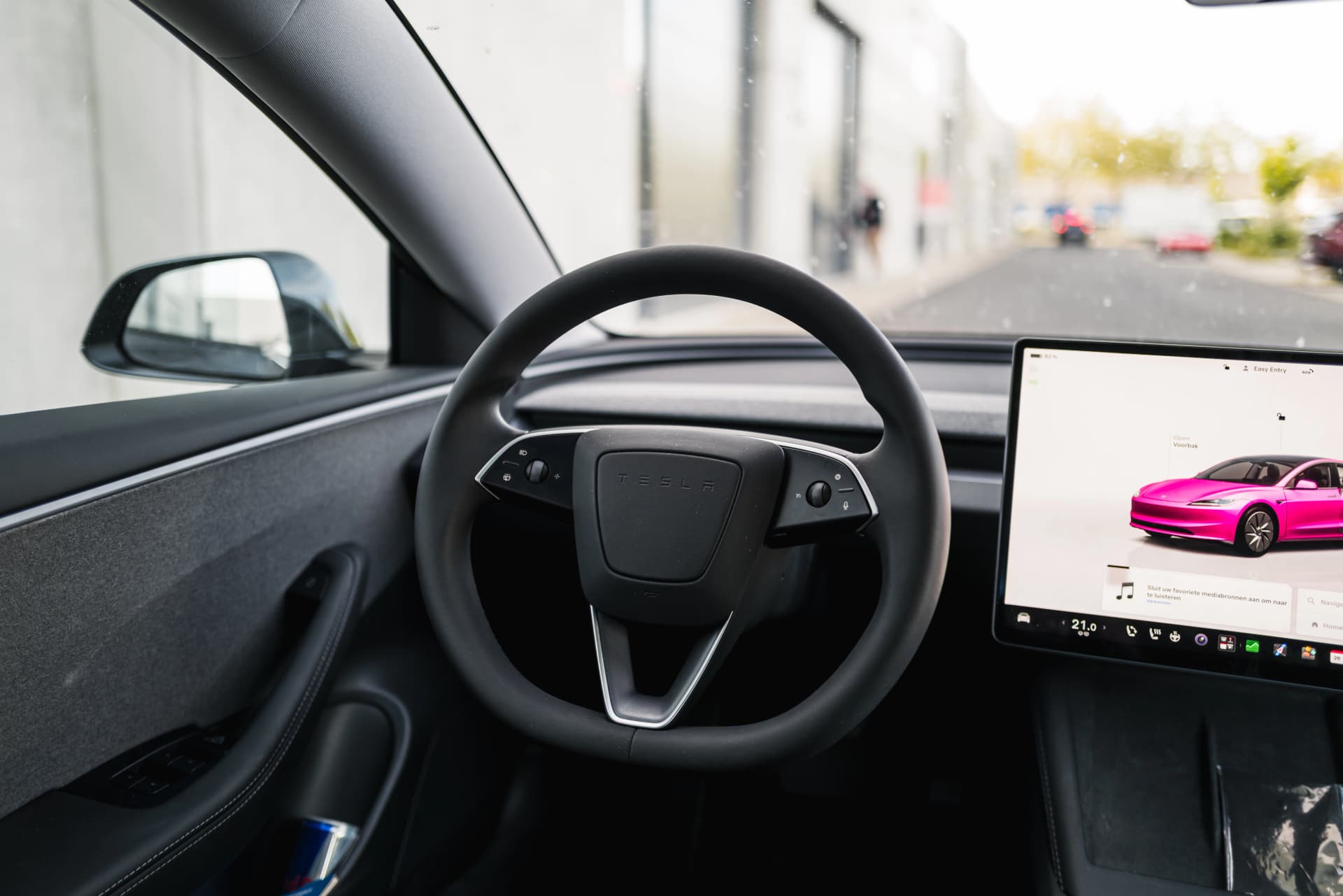
The uncomfortable part is what this says about the home team. Volkswagen reportedly pulled the plug on its €1.5 billion self-driving programme with Bosch, and while the group still talks about becoming Europe's robotaxi champion, nothing it operates comes close to Waymo's scale. Uber has gone shopping in China instead, lining up thousands of Pony.ai robotaxis for European cities. Tesla's route in has been regulatory rather than commercial, and the Dutch approval of its Full Self-Driving software came with the reasoning kept quiet.
The genuinely European efforts, meanwhile, are small and scrappy, like the Belgian firm testing a self-driving Maserati on the motorway. None of that is failure exactly. It is just slower than a company that has been driving without hands since before most European brands had a plan.
AutoNext Take
Europe did not lose the robotaxi race to regulation. It lost it because its carmakers kept treating autonomy as a feature to be added to a car, when it is really a service to be operated, and services need a decade of boring, expensive, unglamorous mileage before they work. Waymo did that mileage. Munich now gets to enjoy the result, on BMW's doorstep, in front of everybody.
The interesting question is not whether Waymo hits its 2027 date. It is what German carmakers do when their own customers get comfortable summoning a car instead of owning one. Munich may well be the friendliest city in Europe for this technology. It is also the most dangerous place to prove it works.