Tesla would rather make the Roadster fly than actually build it
A hovering stunt is easier to deliver than a car, apparently
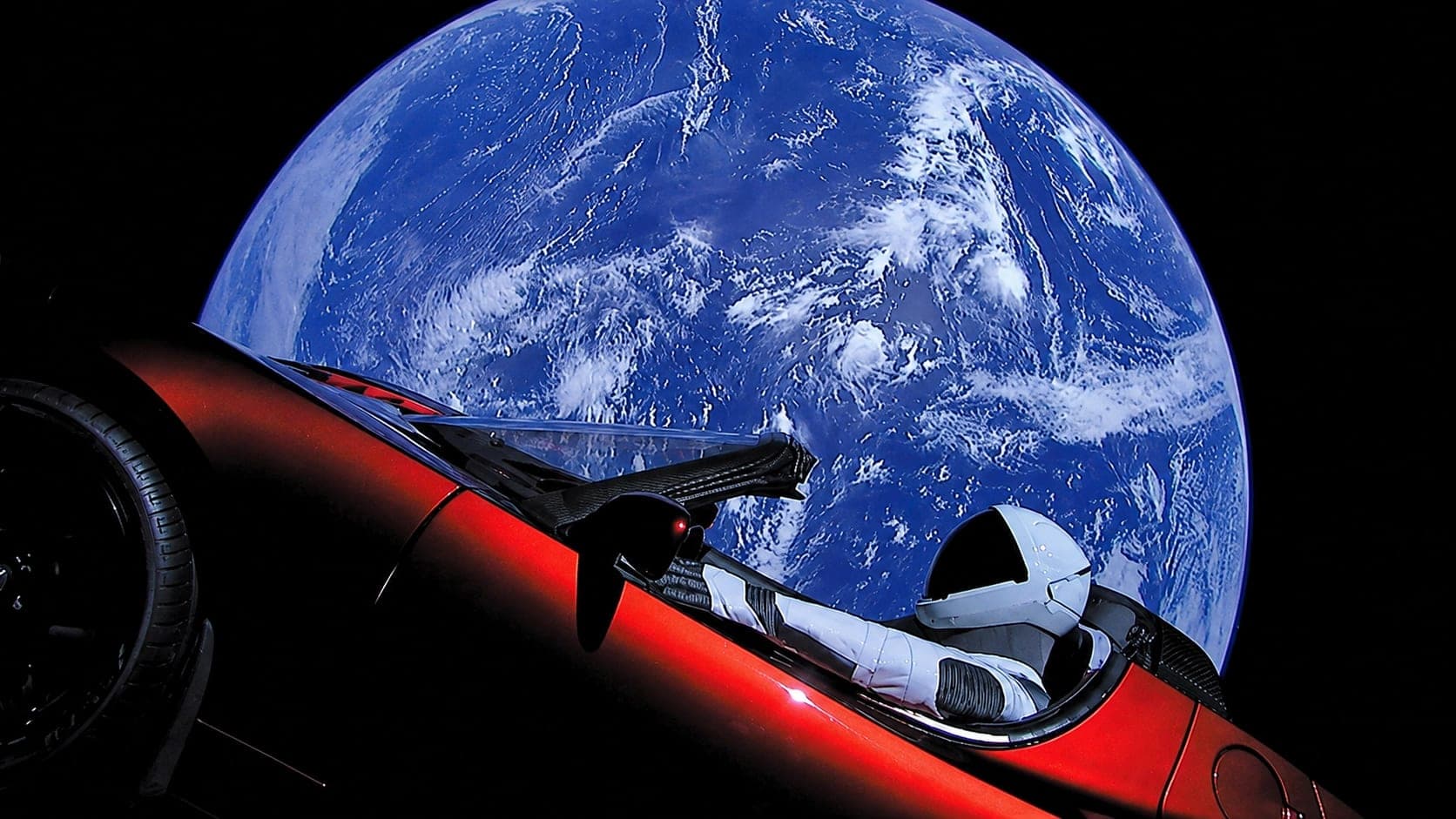
The Tesla Roadster was unveiled in 2017 as the quickest production car the world had ever seen, and it took 50,000 dollar deposits on that promise. Nearly a decade and at least eight missed deadlines later, it still does not exist as a car you can actually buy. So Tesla is doing the next best thing for attention: making one fly. This month, at SpaceX's rocket test site in McGregor, Texas, the company plans to lift a driverless Roadster off the ground and hover it in front of a crowd.
Rockets, not roads
The party trick comes courtesy of SpaceX. The demo car carries a package of SpaceX-developed cold gas thrusters, internally code-named A71, and the plan is to use them to lift the car clear of the ground and hold it there. Nobody will be inside, the Roadster will be operated remotely, and spectators are to be kept several hundred metres back, because the thrusters are reportedly loud enough to damage eardrums. Elon Musk has told staff the demo will be hard to pull off and could go wrong, but that it will be entertaining either way. That is not the language of a finished product.
The ambitions have already been trimmed. Earlier concepts had the Roadster racing up a magnetised ramp and even driving upside down before hovering. What survived is the hover alone, which tells you plenty about how tricky the SpaceX package has been to tame.
Not the car you reserved
Here is the important small print: the flying machine at McGregor is not the Roadster that reservation holders were promised. It rides on an ultralight carbon-fibre chassis rather than a normal Tesla platform, wears butterfly doors and styling that nods to the Lockheed SR-71 Blackbird, and is not street legal. It is described as a track-focused halo car, closer in spirit to Ferrari's XX programme, and likely to cost hundreds of thousands, if not millions. In other words, a spectacle car, not the mass-market hypercar buyers put money down on in 2017.
A decade of waiting
The patience of the faithful is wearing thin, and the numbers show it. Tesla collected 50,000 dollar deposits for the standard Roadster and 250,000 dollars for the Founders Series back in 2017, and has since blown past delivery deadline after delivery deadline, at least eight of them. High-profile reservation holders including tech reviewer Marques Brownlee and OpenAI chief Sam Altman have publicly cancelled and asked for their money back. When your most loyal early adopters start walking away, a hovering demo starts to look less like a flex and more like a distraction.
AutoNext Take
You have to admire the showmanship, and you have to question the priorities. A driverless car hovering on rocket thrusters at a SpaceX site is peak Musk, the kind of image that owns the internet for a day and reminds everyone that Tesla still does things nobody else dares. But it is also a car that will not carry a passenger, will not drive on a public road, and is not the product a single one of those deposit-holders was promised. The stunt answers a question nobody asked while the real one, where is the Roadster, goes unanswered for a ninth year.
That is the tension at the heart of Tesla right now. The spectacle is world-class and the follow-through keeps slipping, and eventually one starts to undermine the other. A hovering Roadster is genuinely cool. It would be a great deal cooler if you could also buy the thing and drive it home. Until then, this is a magic trick performed to distract from an empty stage, and the audience has started to notice.