Tesla's FSD read Brussels' 30 km/h signs, then showed drivers 50
In the streets Brussels slowed down for pedestrians, Tesla's FSD averaged 44 km/h
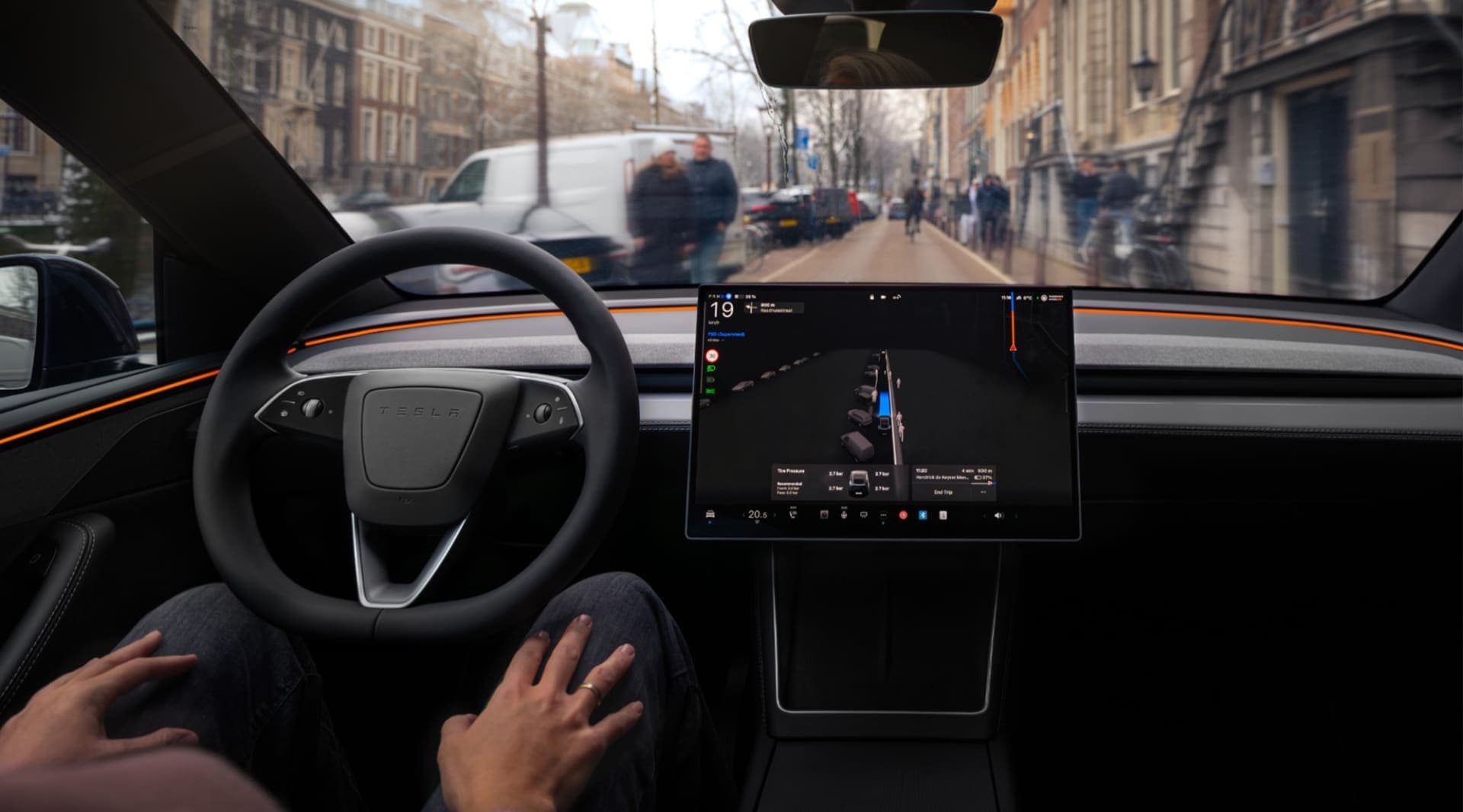
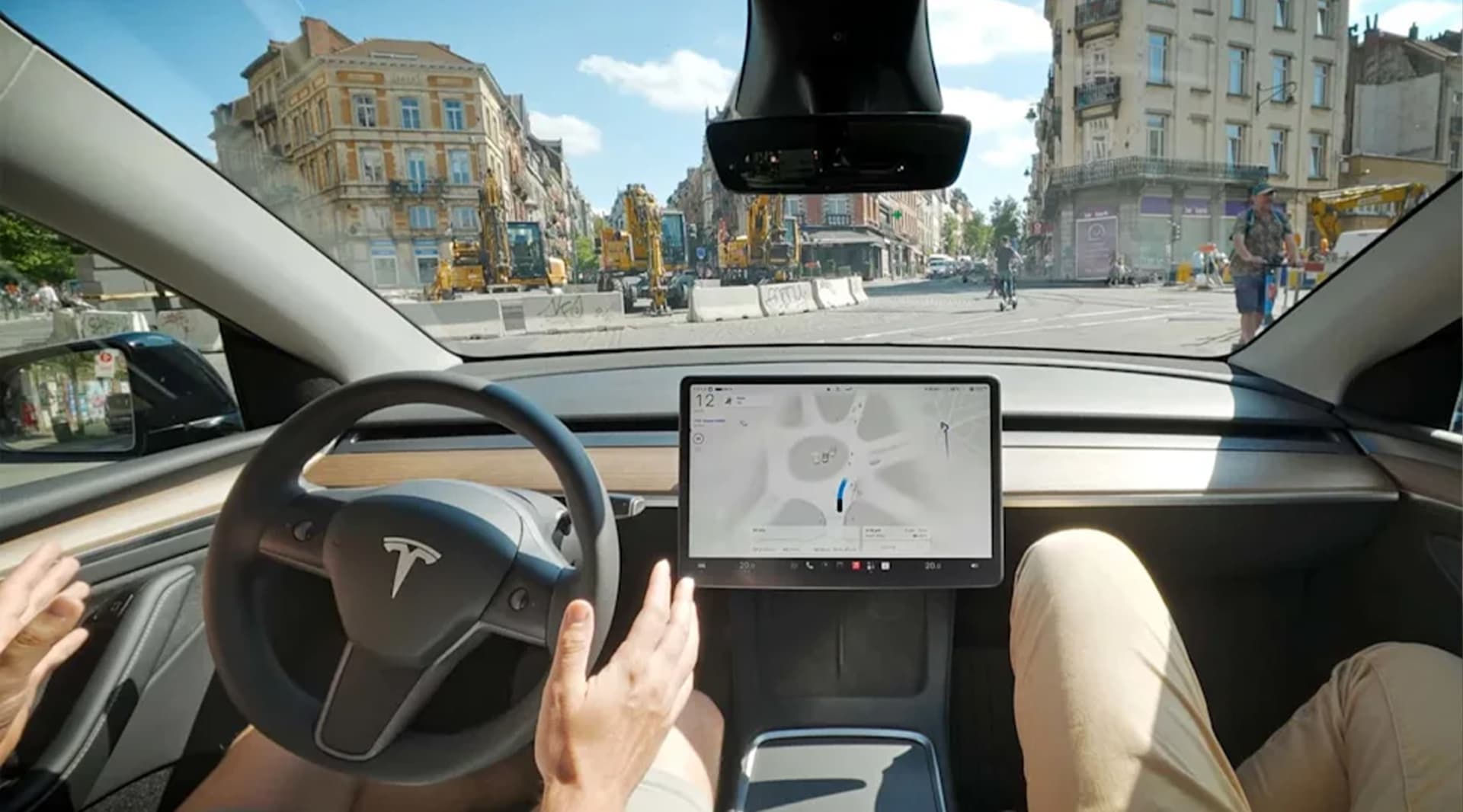
Tesla's Full Self-Driving (Supervised) exceeded the speed limit in 55% of the 30 km/h segments that Brussels road-safety group Johanna.be tested, averaging 44 km/h where the law allows 30. The nonprofit drove the system for about 400 km in July, mostly on streets where people walk and cycle. It published its FSD30 study on 24 September, twelve days before EU member states vote on approving FSD across the bloc.
Tesla's FSD showed a 50 km/h limit in most Brussels 30 zones
In the large majority of the 30 km/h zones tested, the car told its supervising driver that 50 km/h was allowed. Often it first recognised the 30 sign correctly and then switched the displayed limit to 50, according to the study. That matters twice over: the driver who is legally responsible is shown the wrong number, and the software appears to drive to it. In Belgian home zones, the woonerven, FSD broke the 20 km/h limit at 42% of the locations checked.
A pedestrian hit at 44 km/h is nearly six times likelier to die than at 30
Johanna.be cites World Health Organization figures showing that a pedestrian struck at 44 km/h is almost six times more likely to be killed than one struck at 30 km/h. That physics is why the whole Brussels-Capital Region became a 30 zone by default on 1 January 2021, with higher limits only where signs allow them. In free-flowing traffic, the testers measured averages higher still.
FSD tried to pass cyclists in fietsstraten, which Belgian law bans and Dutch law does not
In Belgian cycle streets, motorists may not overtake cyclists at all, a ban the Dutch highway code does not contain. FSD repeatedly tried to do exactly that. The detail explains more than one bad manoeuvre. Belgium did not run its own type approval: it recognised the provisional one the Dutch RDW granted in April, after Tesla drove 5,000 km of supervised tests on Flemish roads. A system approved against Dutch rules is being used in a country where the same kind of street carries a stricter one.
Czechia became the seventh EU country to approve FSD on 21 September
Czechia recognised the Dutch approval on 21 September, joining the Netherlands, Lithuania, Estonia, Denmark, Belgium and Slovenia. The seven hold roughly 53 million people, about 12% of the EU. The Technical Committee on Motor Vehicles votes on 6 October on extending the approval to all 27, which needs 15 countries holding 65% of the population. Sweden has demanded that Tesla remove the Speed Offset setting that lets FSD run above the posted limit, and France refused to recognise the Dutch approval in July, citing speeding in cities.
Flanders and Brussels split over Belgium's Tesla FSD approval
Flemish mobility minister Annick De Ridder signed off on FSD Supervised on 10 June, and Belgium's federal structure made that valid nationwide. Asked about the study, a Flemish government spokesperson told Reuters the system is learning and that drivers remain fully responsible. Brussels mobility minister Elke Van den Brandt told BRUZZ the approval was rushed through without consulting the other regions, and that the least such systems should do is read speed signs. Johanna.be sent its report to the RDW and the Flemish ministry on 7 September and asked both to reconsider.
AutoNext Take
Removing the Speed Offset would not have fixed what Johanna.be found. Sweden's condition targets a setting that lets the driver choose to run above the limit, while the Brussels cars ran above a limit the software had decided was 50. Every new car registered in the EU since July 2024 must carry Intelligent Speed Assistance that detects the posted limit and warns the driver, so reading a 30 sign is a legal baseline, not an autonomy problem. The same study credits FSD with yielding early and politely to pedestrians and cyclists, and that is the harder skill.
So this is fixable, and Tesla has eleven days to show it. Local limits are a map and recognition problem that over-the-air updates exist to solve, and a clear commitment on 30 zones and cycle streets before 6 October would answer the one question every holdout has raised. Without it, the vote will be postponed or lost, and the member states still undecided now have an independent Belgian dataset to point to rather than a Tesla one.