Tesla admits HW3 cars will never get the self-driving it promised
For years, Tesla told buyers that every car it built since 2019 already had the hardware to drive itself one day. On its Q1 2026 earnings call, the company admitted that was not true.
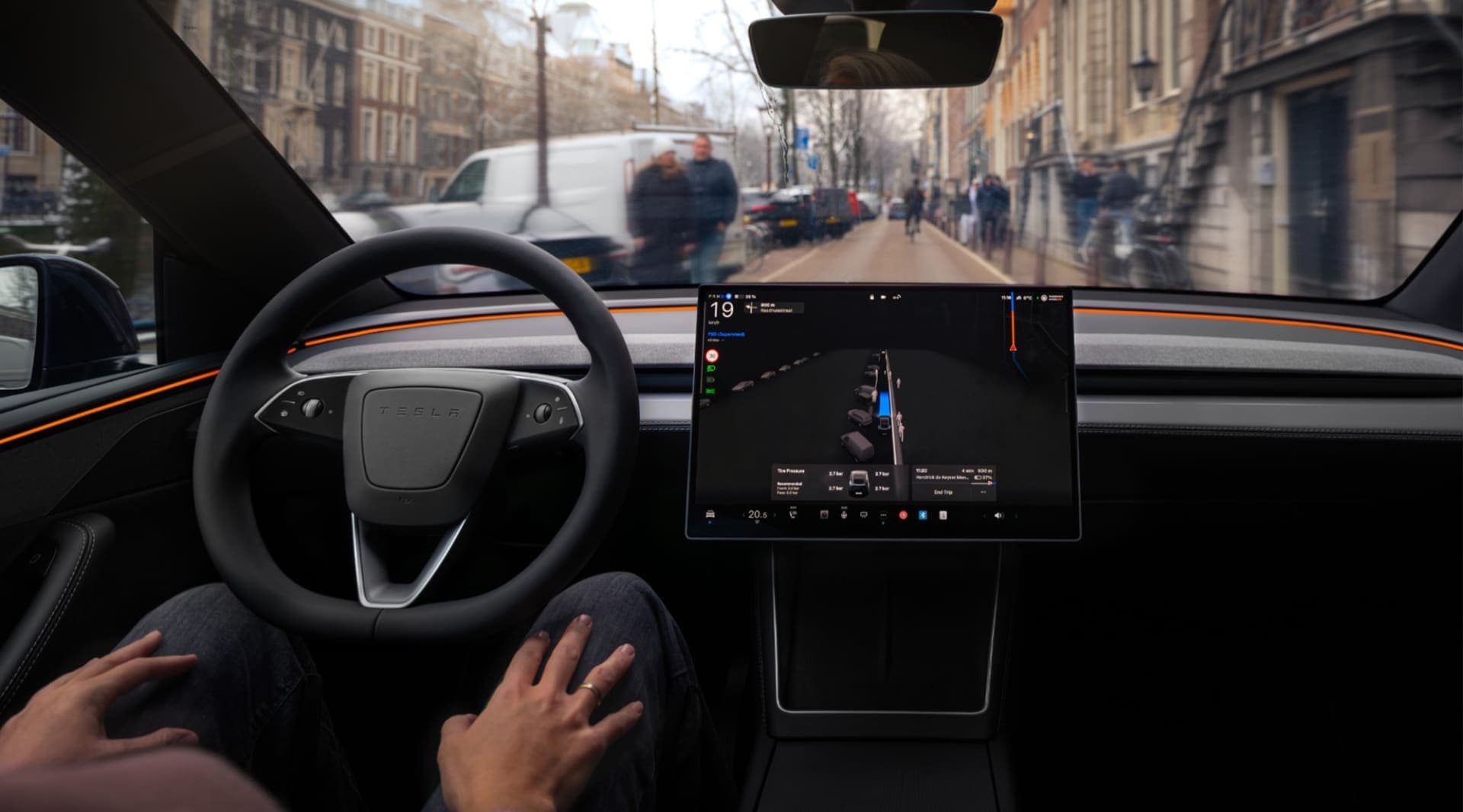
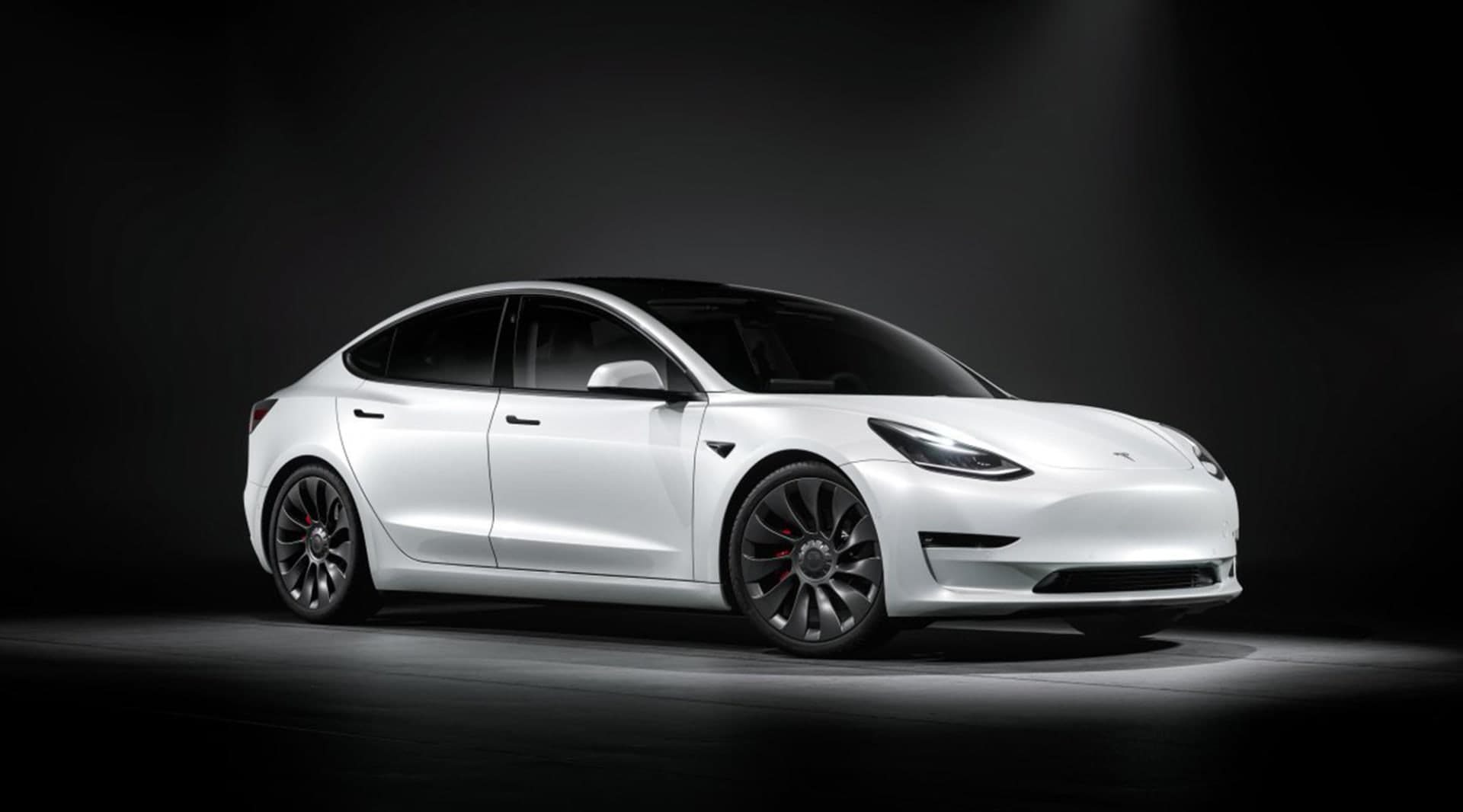
Tesla has walked back one of its oldest and boldest promises. During its first-quarter 2026 earnings call, it confirmed for the first time that Hardware 3 (HW3) cars, built from 2019 onward, are not capable of Unsupervised Full Self-Driving. They will keep receiving FSD updates, including features from the coming FSD V14 Lite, but the hardware cannot safely operate without a driver behind the wheel.
For the owners who paid thousands for the Full Self-Driving package on the strength of that promise, it is a significant climbdown. Tesla's answer is a mix of expensive retrofits and trade-in deals.
Why HW3 falls short
The problem is compute and cameras. HW3 lacks both the processing power and the camera resolution needed to run a car without human supervision. Plenty of HW4 features will still filter down to HW3, but full autonomy is off the table. Upgrading a HW3 car to the newer AI4 standard is not the simple computer swap Tesla has done before: it needs new higher-resolution cameras matching HW4, an updated vehicle computer and an extensive rewiring of the internal harnesses to carry the extra data. Tesla also revealed a new AI4+ computer with double the memory and more power, though it will not enter production until mid-2027 and may be what eventually goes into HW3 cars.
Special hubs, not your local service centre
This is a proper teardown, not a plug-and-play. Because the retrofit is so labour-intensive and involves partly dismantling the car, Tesla says it will not pile the work onto existing service centres. Instead it plans dedicated conversion facilities in major cities, built specifically to strip down and rebuild older cars.
Upgrade, or trade it in
Owners who bought FSD get two routes. They can accept the hardware upgrade at one of the conversion hubs, or take a special trade-in discount toward a new AI4-equipped Tesla, which Musk framed as the easier path for anyone uneasy about invasive surgery on their car. Tesla did not put a number on any of it. The figures circulating since are estimates, not official pricing: watchers expect a trade-in credit roughly in line with the upgrade cost, and a paid upgrade of somewhere around 3,000 to 5,000 dollars once Tesla moves beyond FSD buyers to the rest of the HW3 fleet, subscribers included. Treat those as informed guesses, not confirmed prices.
Will the free upgrade really be free?
Here is where a healthy dose of scepticism is warranted. Tesla says FSD buyers come first, but it has not committed to a firm date, a firm cost, or even confirmed which computer they will get, and the AI4+ that might do the job is not due until mid-2027 at the earliest. This is a company whose self-driving deadlines have slipped year after year, and which has every incentive to steer owners toward a new-car trade-in, because that sells another Tesla, rather than absorb the cost of a labour-heavy retrofit it gives away for nothing. It would be entirely in character for the genuinely free upgrade to arrive slowly, get hedged with conditions, or quietly become the less-promoted option next to the trade-in. Until an FSD owner actually has an AI4 car back on their driveway at no charge, the free upgrade is a promise, not a guarantee, which is exactly what HW3's autonomy once was.
It is really about robotaxis
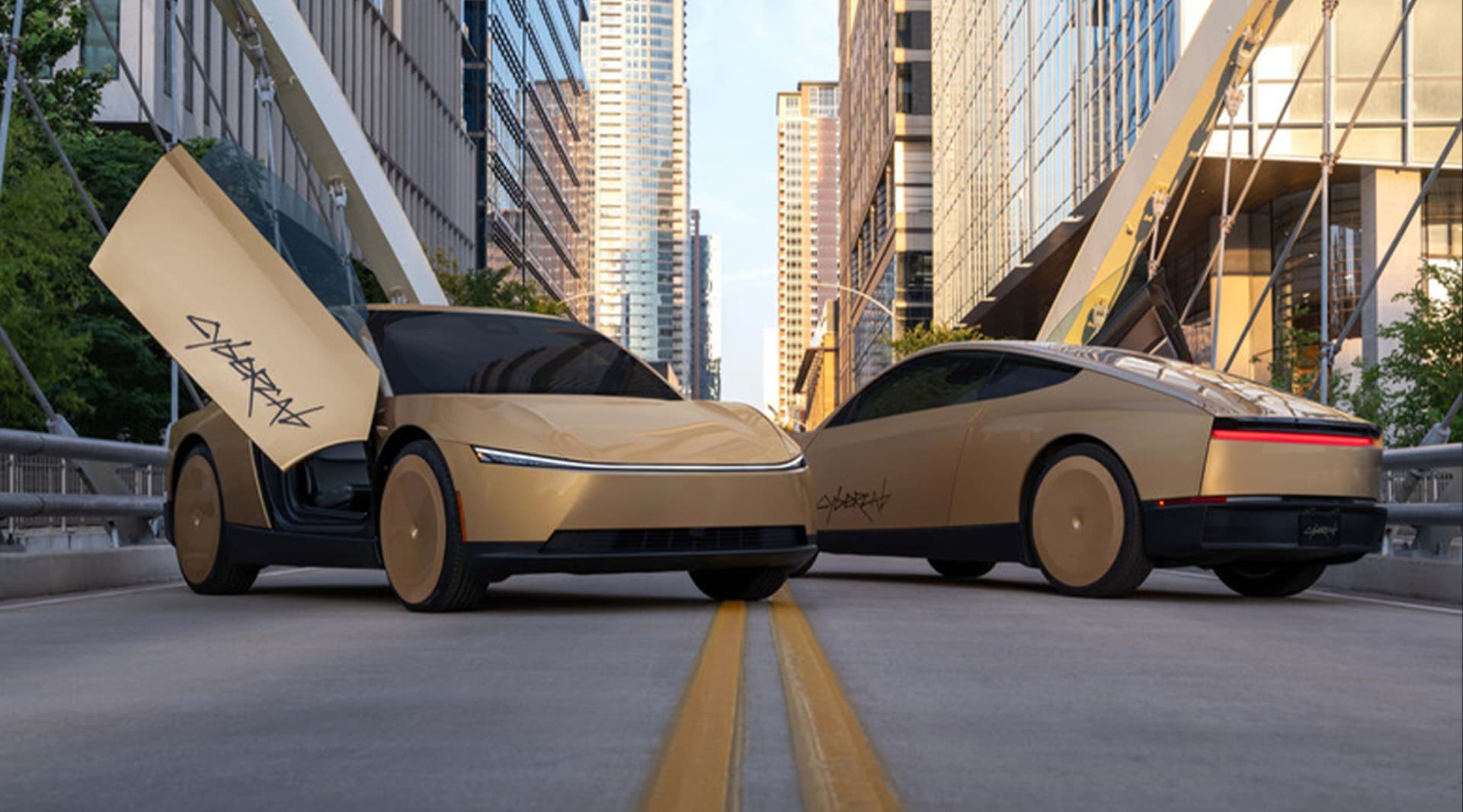
There is a bigger motive here than customer goodwill. Musk stressed that the upgrade effort matters for Tesla's long-term finances, because every HW3 car brought up to AI4 spec becomes another car that can join the planned Robotaxi network, the same Cybercab fleet Tesla is building out. In other words, Tesla wants to turn an ageing fleet into a revenue asset, the very fleet it once told owners would appreciate in value as self-driving robotaxis. For European buyers the timing stings, because FSD is only now winning its first approvals across the EU, and even where a regulator has quietly signed off, as in the Netherlands, the hardware that cannot fully use it was sold here years earlier.
AutoNext Take
This is the bill coming due for a promise Tesla should never have made. Selling a 2019 car as future-proof for an autonomy that did not exist yet was always a gamble, and HW3 owners are the ones who lost it. Offering upgrades and trade-ins sounds better than a shrug, but the real question is whether Tesla follows through, because with this company an announced free upgrade and a delivered one have historically been very different things.
Anyone who paid for Full Self-Driving on a HW3 car now faces a teardown, a trade-in or an open-ended wait to get something they were told they already owned. The lesson for buyers is old and unglamorous: pay for the car in front of you, not the software promise attached to it.