Tesla's Model 3 airbag recall is a download, not a workshop visit
A Best in Class Euro NCAP car, recalled over a pole test, repaired by Wi-Fi
Tesla is recalling left-hand-drive Model 3 Premiums built between 30 June 2024 and 8 May 2026 because, in the pole side-impact test written into UN Regulation 135, the force on a front occupant's shoulder can exceed the 3.0 kN the rule allows. The remedy is a firmware change to the far-side airbag, delivered over the air. The Netherlands has 10,787 cars on the list, Saudi Arabia 182, and Tesla told Dutch owners the total passes 100,000 worldwide.
Tesla Model 3 Premium: 10,787 cars in the Netherlands, 182 in Saudi Arabia
The recall is filed as EU submission 2026_103555 and covers the Model 3 Premium in left-hand drive, model years 2024 to 2026, built from 30 June 2024 to 8 May 2026. Premium is the name Tesla has given every Model 3 above the Standard since it renamed the range in late 2025, so the window opens a year before the badge existed. Dutch owners were e-mailed in the week of 7 September, and the Dutch count of 10,787 is the first national figure published. Saudi Arabia's Ministry of Commerce lists 182 cars on its Recalls.sa portal. Belgian, German and French owners sit under the same EU filing, and Tesla has not published a European total.
UN R135 drives a 254 mm pole into the door at 32 km/h
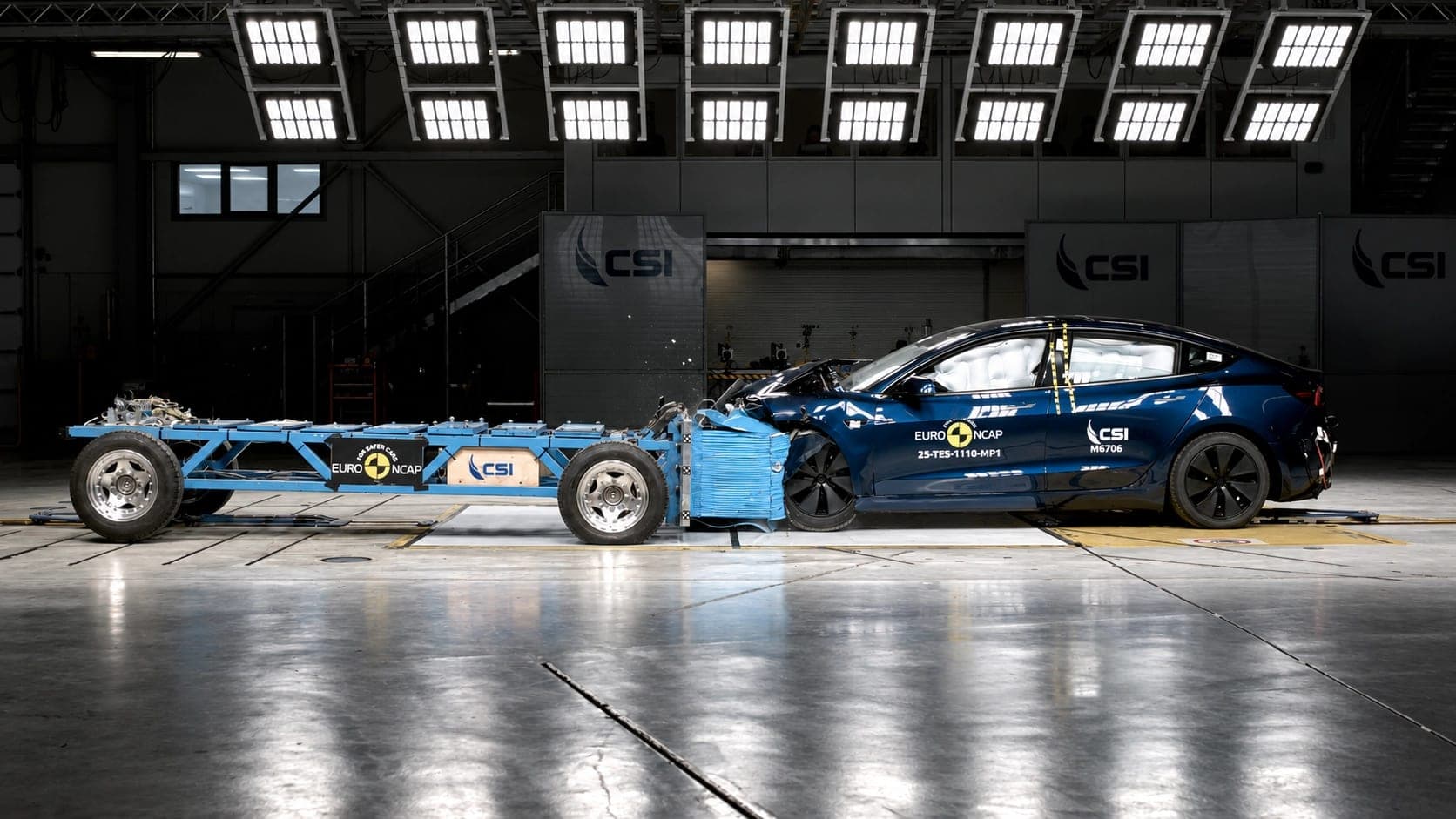
UN R135 is the pole side-impact regulation every new car type-approved in Europe has to pass: a 254 mm pole strikes the driver's door at 32 km/h with a WorldSID dummy in the seat, and the lateral force on the dummy's shoulder may not exceed 3.0 kN. Tesla traced the excess load to the calibration of the far-side airbag, the cushion that inflates between the front seats to stop the driver sliding across the cabin. Euro NCAP's equipment list has it as standard on every Model 3 Premium. The fault sits in the activation logic, which is why the cure is a file and not a part; the risk Tesla names is a heavier shoulder injury for the front occupants in exactly this kind of crash.
Software 2026.26.100.2 or 2026.32.3 closes the recall from the driveway
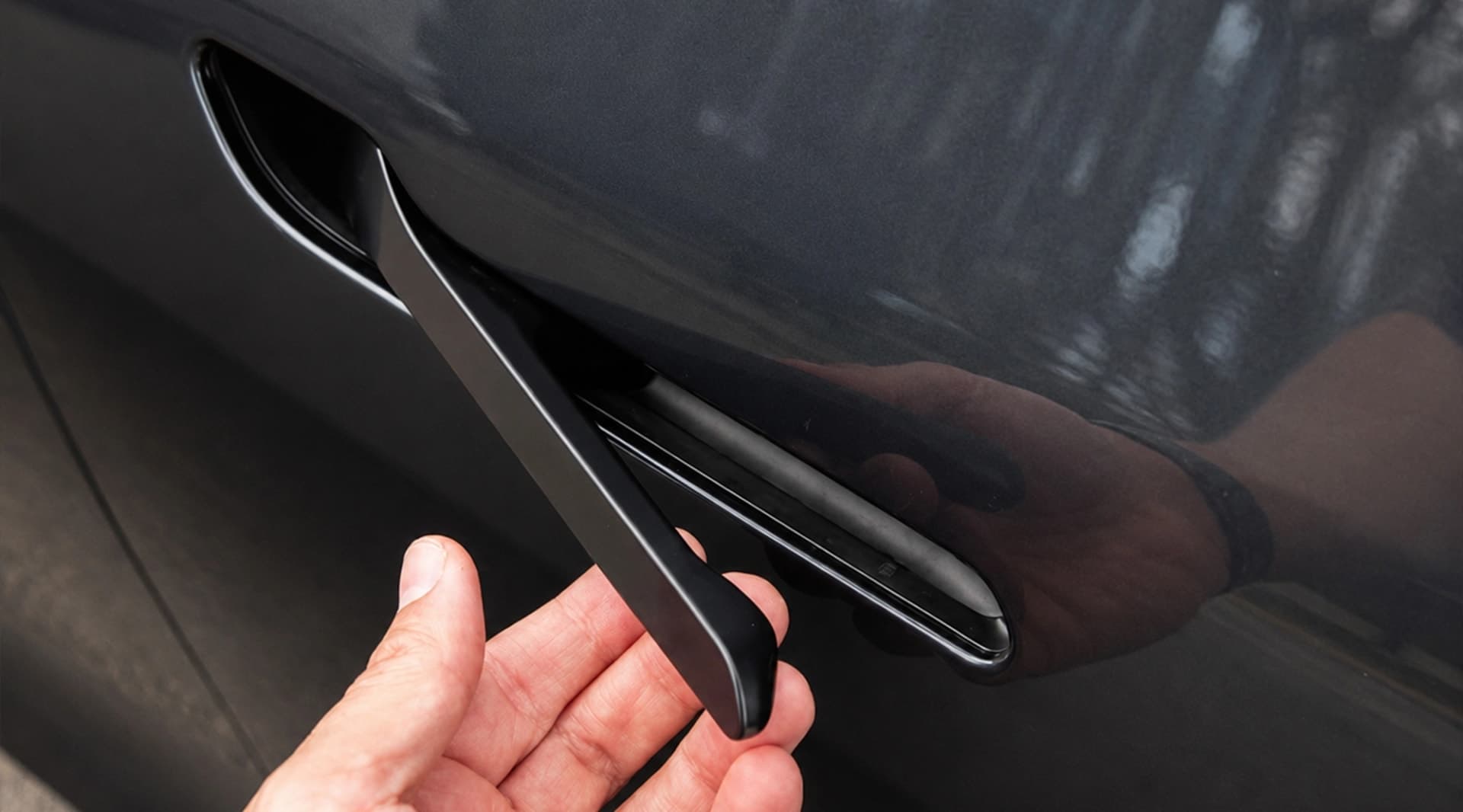
Cars on software 2026.26.100.2, 2026.32.3 or anything newer already carry the fix, and Tesla's release notes for 2026.32.3 state that no service visit is needed once the update is installed. The version is under Controls and then Software on the touchscreen, and 2026.32.3 has been rolling out since 9 September. That matters for anyone buying a used Model 3 Premium this autumn, because a car parked on a forecourt without Wi-Fi may still be on the old build. It is the mechanism Tesla used for the earlier flush door handle recall in China, and the reason its recall counts look alarming and its workshop queues do not.
Euro NCAP gave this Model 3 five stars and Best in Class in 2025
Euro NCAP published its rating for the Model 3 Premium RWD on 21 May 2025: five stars, 90 percent for adult occupant protection, 93 percent for children, 89 percent for vulnerable road users and 87 percent for safety assist, with the centre airbag listed as standard equipment. In January 2026 the same car was named Best in Class among small family cars for 2025. Euro NCAP's own oblique pole test uses the same 254 mm pole and the same 32 km/h, and it has scored far-side protection separately since 2020. The rating stands: a consumer rating and a type-approval limit are different tests with different dummies and pass marks, and the recall says the car missed the legal floor on one channel, not that it lost its stars.
The RDW still counts 126,892 Takata airbags waiting for a workshop
Tesla's software recalls are large but short: the RDW database shows its 2025 power-steering fix covered 552,780 cars worldwide and 7,763 in the Netherlands, closed by a download. The other kind of airbag recall is still open: an extract of RDW data on 8 September 2026 found 126,892 cars in the Netherlands driving with unreplaced Takata inflators, 77,996 of them on campaigns more than two years old, and 1,720 Citroën C3 and DS3 owners under a stop-drive order since 19 June 2025. Ford's Kuga PHEV fix shows the third way, a software remedy that costs the owner 12 percent of range. The Model 3's costs nothing and takes a coffee break, which is why software is now behind a growing share of all recalls.
AutoNext Take
This recall will be closed before most owners notice it existed. Tesla's count is 10,787 in the Netherlands, its remedy is a version number, and the cars install it on the driveway overnight. Set against the 126,892 Takata inflators still waiting for a Dutch workshop bay, some for more than two years, the striking part is that a shoulder-load failure on a Best in Class car is absorbed without a mechanic touching it. Euro NCAP praised the far-side airbag in May 2025; its timing failed a UN test a year later; nobody had to come in.
The next extract Autozoweg pulls from the RDW will settle how the two kinds of recall compare. Its Takata count will still be above 100,000 cars, because the repair needs a bay, a part and an owner who turns up. The Model 3 Premium figure will be down to the handful parked out of Wi-Fi range. The RDW records every plate as repaired once Tesla reports it; if more than 1,000 of the 10,787 are still open on 1 December, the over-the-air recall is a weaker instrument than this week suggests.