Van Haven's new VW Transporter conversions are built on a Ford
The camper is hand-built in Dorset. The van underneath is not German.
Van Haven has moved its entire Volkswagen Transporter conversion range onto the current T7, and showed the result at the Haynes Motor Museum near Yeovil over the weekend. Three vehicles, one of them still in development, all finished to a standard the company measures in hours rather than in option boxes. The van all three are built on is assembled by Ford.
Van Haven showed three T7 conversions at the Haynes Motor Museum
The range went to invited guests and media on 28 August before opening to customers and the public on 29 and 30 August, with motorsport engineering firm RML Group as headline sponsor and a £20 million display of Koenigsegg hypercars from exhibiting partner SuperVettura parked alongside it. The line-up is the Hambledon camper, the VH-PMV sports conversion making its debut, and the VH-X, an off-road version still in development for next year. Van Haven, which counts around forty years of combined experience across its team, designs and builds all of it in the UK.
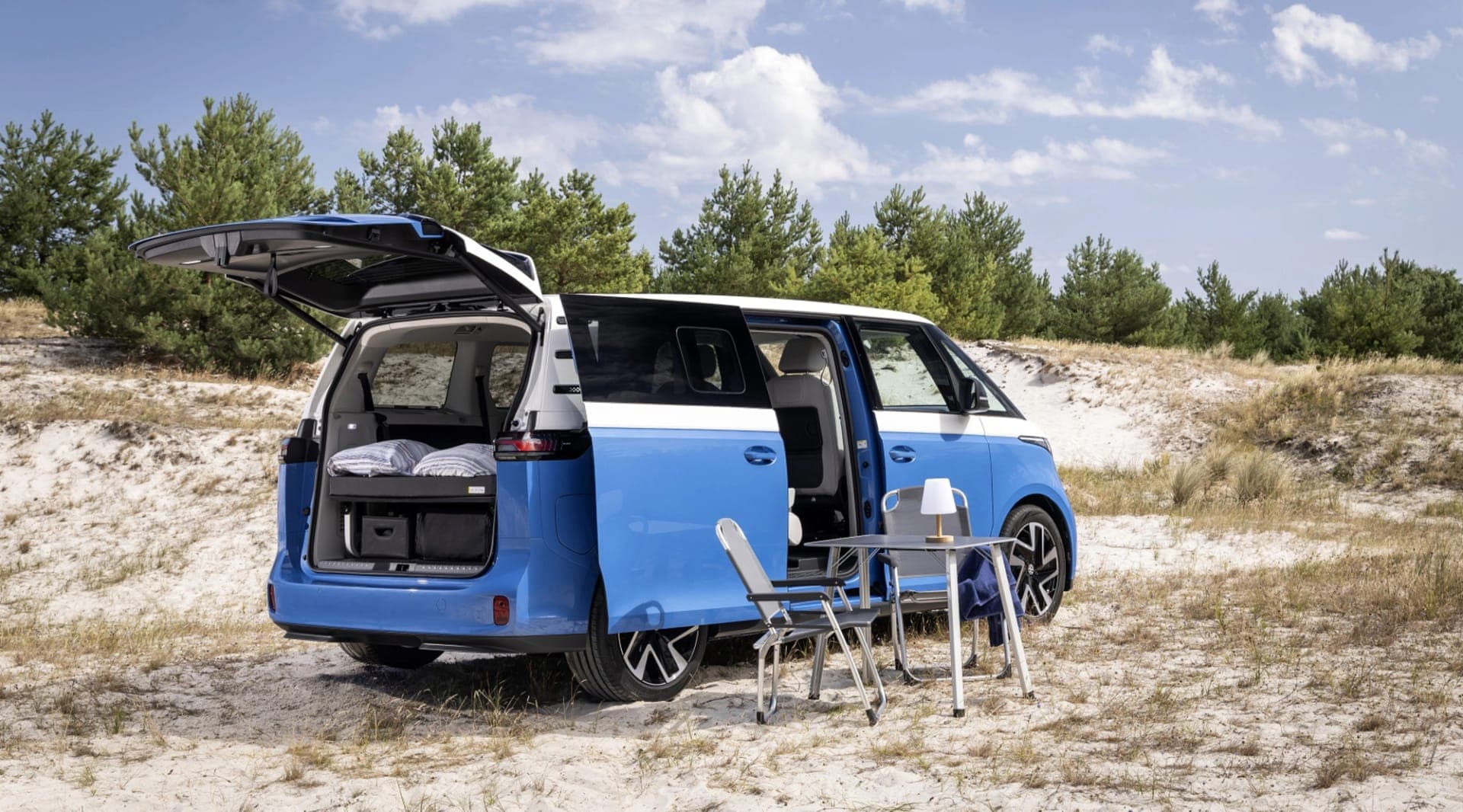
The Hambledon camper gets 62 mm of hand-fitted insulation and keeps the VW warranty
The Hambledon is the conversion Van Haven built its name on, now carried across to the new platform. It gets 62 mm of insulation fitted by hand, stitched leather and colour-matched panels, and the detail that matters most to anyone financing one of these: the manufacturer's warranty is left intact, with five years of Van Haven's own cover added on top. In a market where a careless conversion can void the base vehicle's warranty, that is most of the pitch. Volkswagen's own factory camper has gone the other way entirely and now arrives without a kitchen or a pop-up roof.
The VH-PMV takes about 120 hours a van and eight to twelve weeks
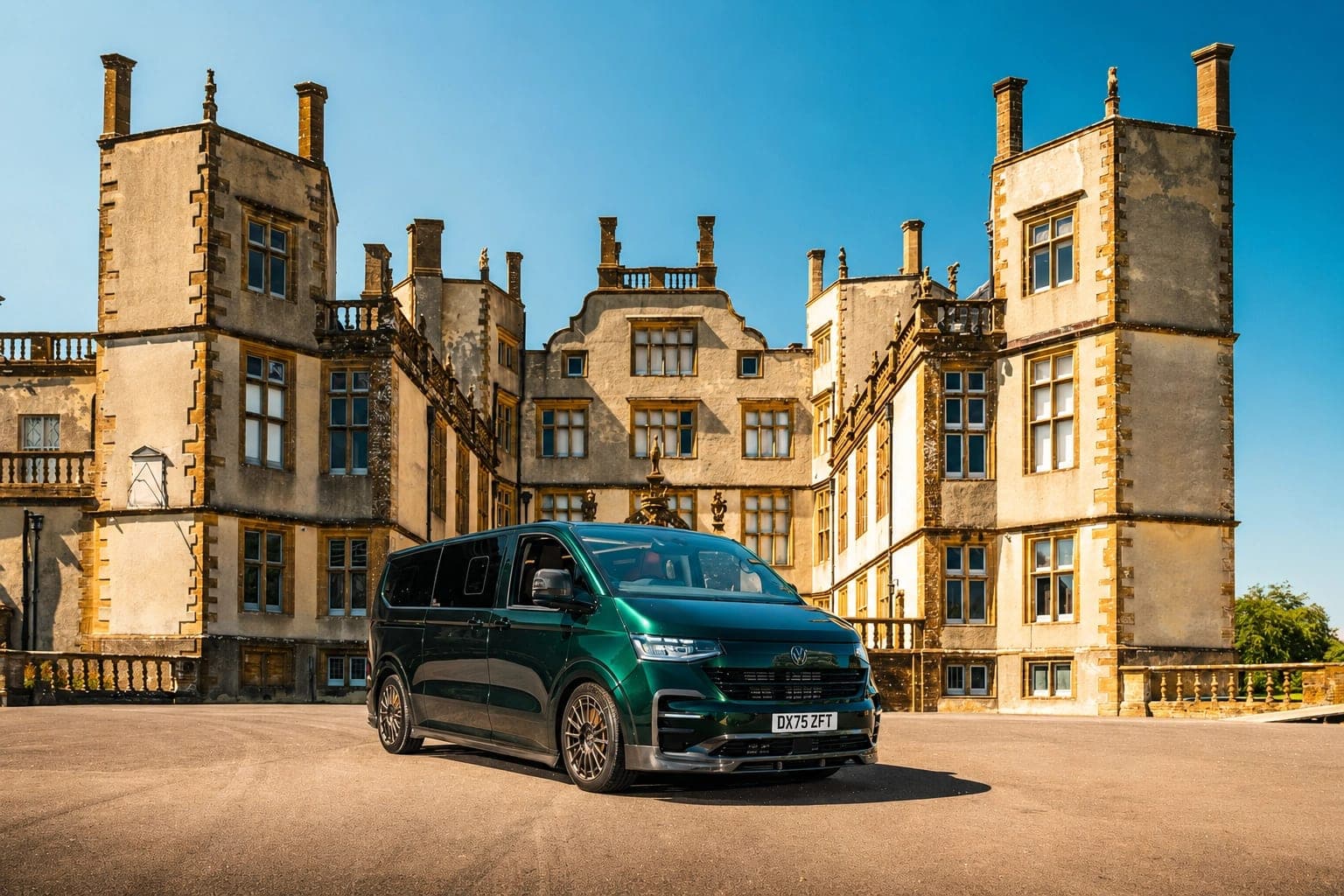
The VH-PMV is the performance version and the flagship of the three. It starts with the highest-spec T7 and adds hand-laid carbon fibre aero, carbon mirror caps and integrated headlights, air suspension, bigger brakes, front splitters and paint protection, with hand-stitched leather and rotating captain's seats inside. Van Haven puts around 120 hours of specialist work into each one at its Shillingstone workshop in Dorset, spread across fifteen pairs of hands, and quotes eight to twelve weeks from first cut to handover.
A VH-PMV in the current stock list runs to £104,995 plus VAT
The money is not incidental here. One VH-PMV in Van Haven's own stock list, a Commerce Pro long-wheelbase 170 hp 2.0 TDI DSG with the VH-R kit and the Signature Pro interior pack, is priced at £104,995 plus VAT, which is roughly £126,000 once tax is added. The older T6.1 conversions the company still sells alongside them start at £52,000 plus VAT. A converted panel van is now firmly a six-figure vehicle.
The T7 is assembled by Ford Otosan in Kocaeli, not by Volkswagen
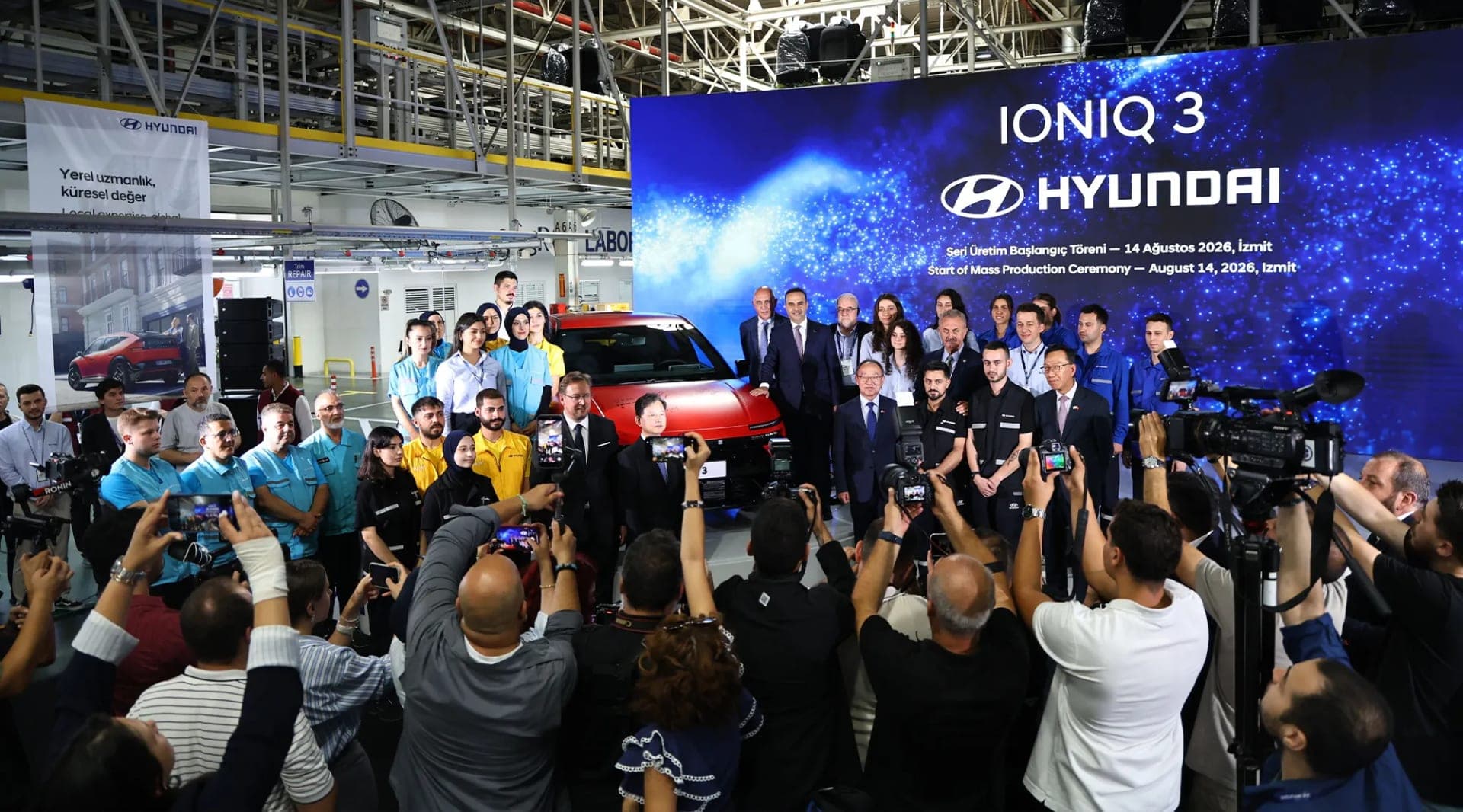
Here is the part the brochures skip. The Transporter all three conversions are built on is not a Volkswagen-engineered van. It shares its platform, chassis and much of its mechanical hardware with the Ford Transit Custom, it was developed under the Volkswagen and Ford alliance signed in 2020, and it is assembled by Ford Otosan in Kocaeli, in Turkey, where Hyundai also builds the Ioniq 3 for European buyers. Building vehicles alongside other companies has become Ford's European habit: it is also turning its Valencia plant into a joint venture with Geely. Volkswagen has never officially applied the T7 name to this van either, and production of the T6.1, the last Transporter Volkswagen engineered itself, ended in 2024.
AutoNext Take
Strip the badge off and Van Haven is selling 120 hours of labour, 62 mm of insulation and a warranty that survives the conversion. That is a good product and an honest one. What it is not is German engineering, and the pricing still behaves as though it were. The same van wearing a Ford oval sits in showrooms across Europe for less, and the conversion trade around the Transit Custom is younger, smaller and cheaper.
So the test is a simple one, and it is coming. If a Transit Custom converter matches the insulation, the carbon and the retained factory warranty at a meaningfully lower price, the Volkswagen premium has nothing mechanical left to defend, because there is no longer a mechanical difference to defend. Van Haven's real asset is the workshop in Shillingstone, not the roundel on the nose. The company would be in a stronger position arguing that openly than waiting for a customer to work it out on a forum.