Volvo opens Gent to other brands, and admits it builds too much
Two of Volvo's seven plants will build for other badges, and Gent is one
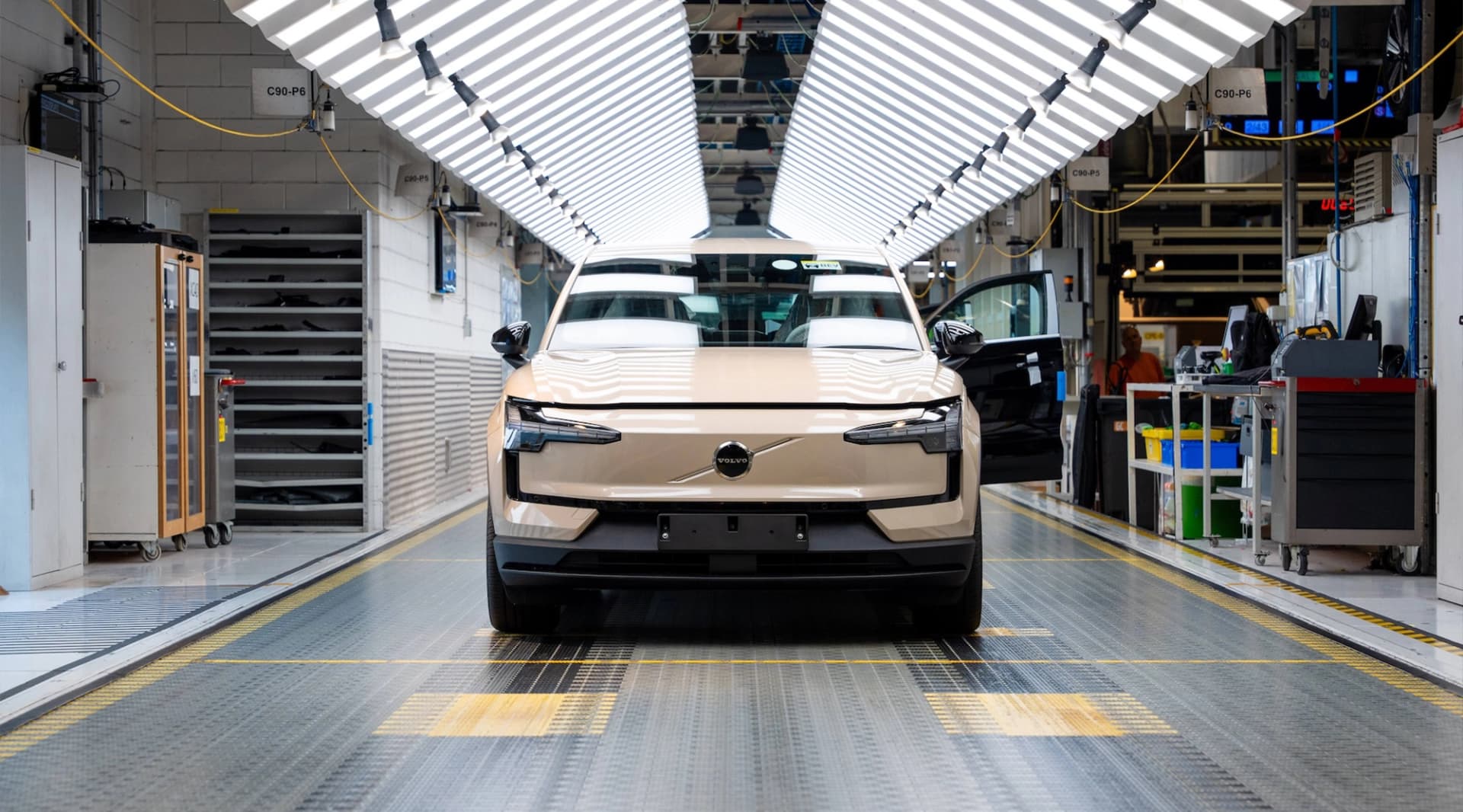
Volvo Cars used its strategy update in Stockholm on 17 September to confirm what Gent has waited for since spring: the Belgian plant becomes a contract manufacturer. Five of the company's seven factories stay Volvo-only. Gent and Chengdu do not, and procurement and supply chain chief Francesca Gamboni says brands are already queuing to build there, from inside the Geely group and beyond it.
Volvo can build more than twice what it sells in Europe once Košice opens
Volvo's European plants will soon be able to build far more than Volvo sells in Europe, and the company said so itself. Torslanda is rated at 300,000 cars a year, Gent built 212,177 in 2025, and the €1.2 billion plant at Košice in Slovakia adds 250,000 from 2027, for a company that retailed 710,000 cars worldwide last year. Gamboni's own phrasing was that once Košice is running, Volvo can build more than double what it sells in Europe. 'Yes, we have overcapacity,' she said. 'That is a challenge, and that is why we are making our Gent plant more cost-efficient.'
Gent and Chengdu are the two plants opened to contract manufacturing
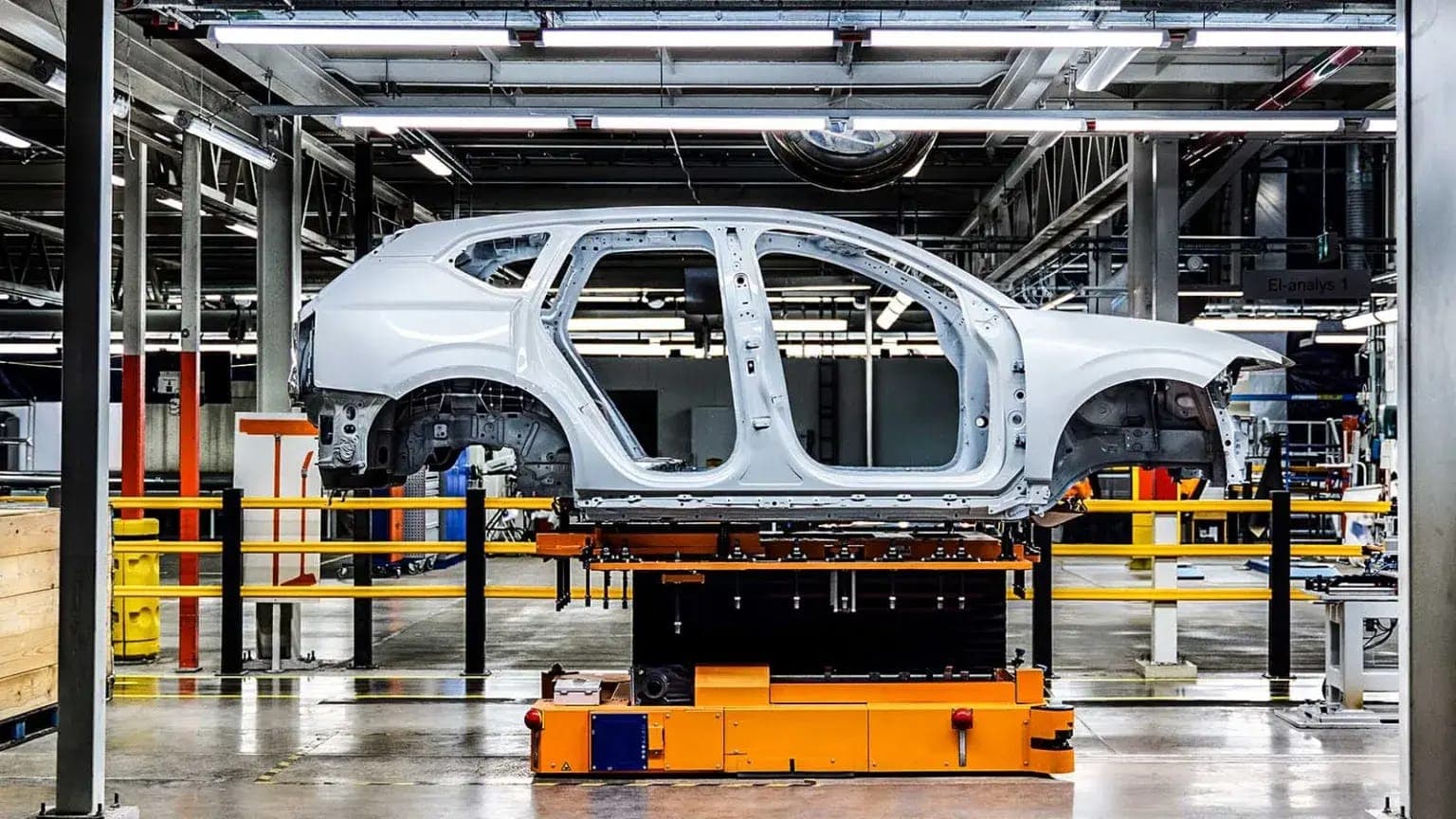
Gent employs around 6,000 people and is the last car factory in Belgium. Gamboni says the plant can now compete with Eastern European sites on cost, thanks to the taskforce Volvo set up early this year, more automation, joint parts buying with Geely and the €119 million support package the Flemish and federal governments signed in July. The interest is not limited to Geely's own badges: 'That can be brands from the Geely group, but also other producers.' Which Volvo models Gent builds after 2030 is still open, and for the first time the plant's future does not depend on the answer. The sour note came a day earlier, when axle-parts supplier Benteler said it will close its Gent site in April 2027, with 48 staff, after Volvo declined to renew its contract.
Thirteen new Volvos by 2030, seven for the West and six for China
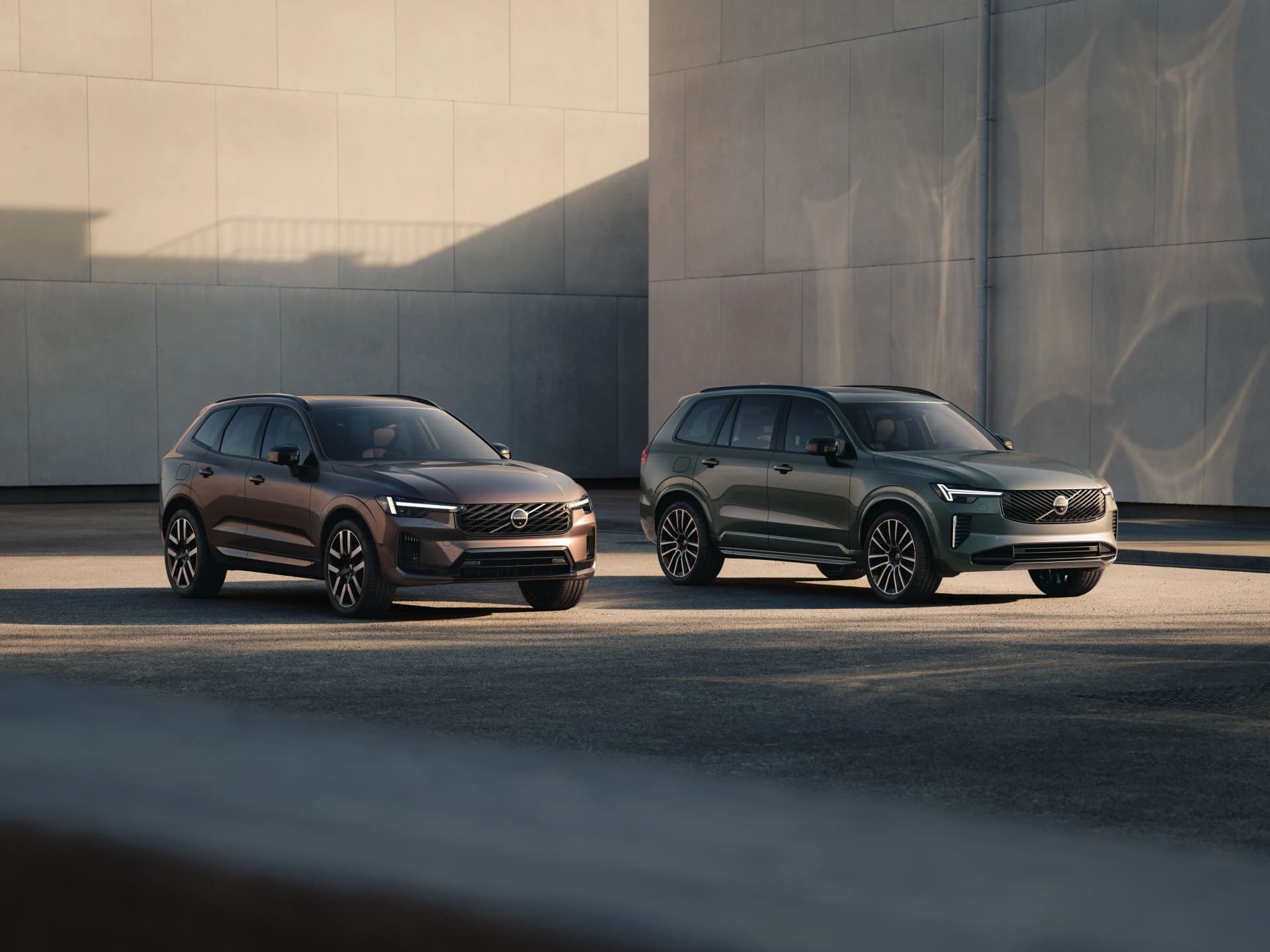
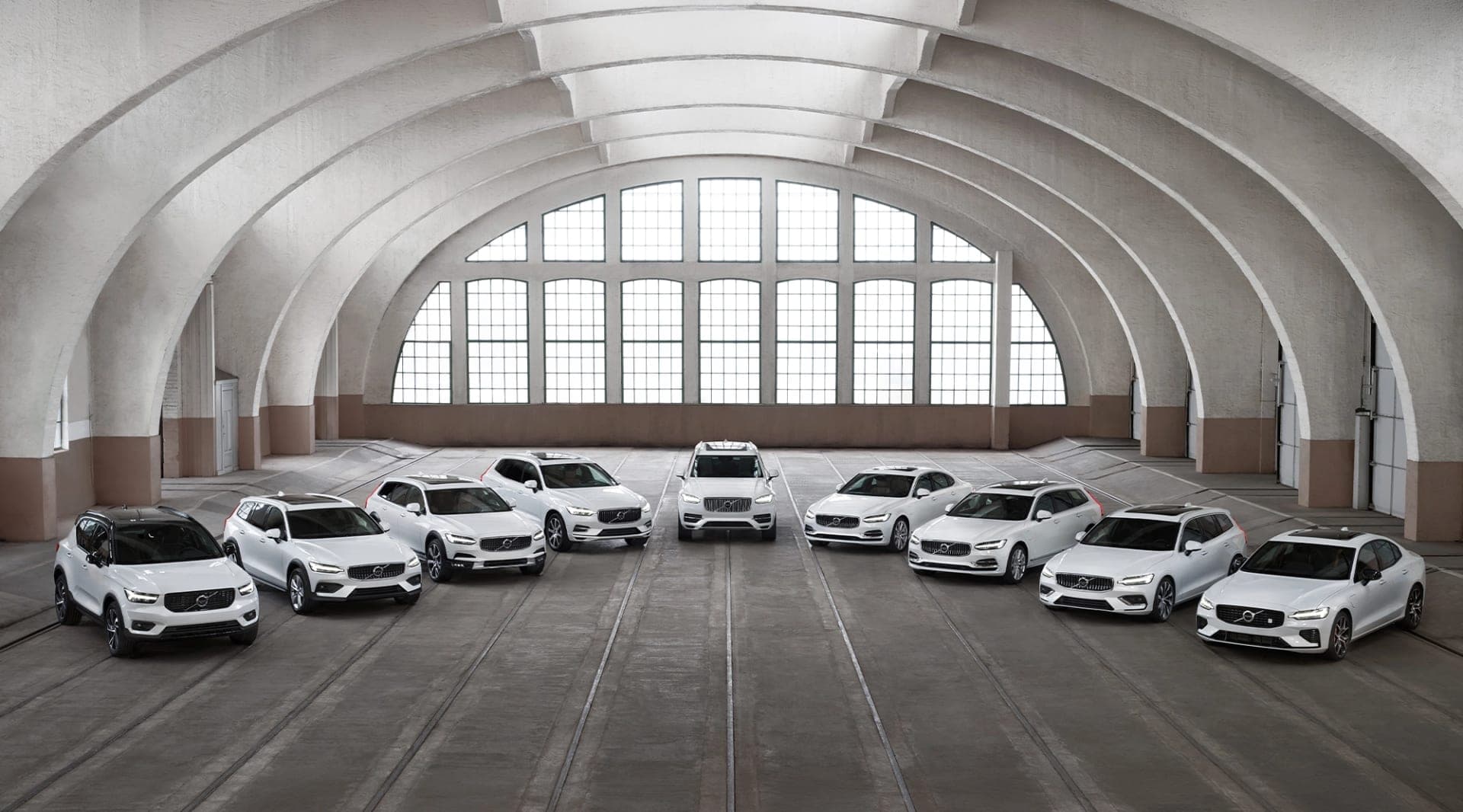
The product plan is the largest in Volvo's 99 years: 13 new cars by the end of 2030, seven for Europe and the US on the existing SPA2 and SPA3 platforms with the HuginCore computer, and six China-only models developed with Geely on shared platforms and a separate Chinese software stack. Europe gets a full electric range by 2030 plus what Volvo calls low-body types, its term for saloons and estates, and technology chief Alexander Petrofski says one model will be sold as a BEV, a plug-in hybrid and a plain hybrid because European countries electrify at different speeds. The third-generation hybrid has already shown its hand in the XC60, whose 37.9 kWh battery gives 200 km of electric range. The stated aim is to double market share, with Thomas Ingenlath, back from Polestar, leading the design.
Parts commonality with Geely rises from 10% to 30%, worth 5% on materials
The financial side of the update is a promise to spend less per car. Because the seven Western models sit on platforms Volvo has already paid for, investment in technology and manufacturing falls from today's level, and a typical new model will cost far less than a first-on-platform launch such as the EX60. Joint sourcing with Geely lifts full parts commonality from about 10 percent to around 30 percent by 2030, which Volvo values at roughly 5 percent of material cost. Geely has already said its own premium cars move onto Volvo's European lines from 2028. All of it serves one target: an EBIT margin beyond 8 percent, against an adjusted 3.5 percent in 2025 and 1.1 percent in the second quarter of this year.
Citi keeps its sell rating and asks what happens if volumes fall short
The market's first question was volume. Citi kept its sell recommendation on the shares and wrote that investors would discount a doubling of market share given the competition, asking how the margin targets hold if sales come in below plan. It is not an idle question: Volvo's rolling three-month sales to the end of August were 148,239 cars, down 7.4 percent on a year earlier, and the second quarter closed with free cash flow of minus 5.2 billion kronor as EX60 stock built up. Volvo's answer is that the second half improves, with Europe growing and the US recovering.
AutoNext Take
Gent has been presented as a Volvo success story for a year, with EX30 production moved in from China and output up 14 percent in 2025, and the strategy update is the first time Volvo itself has called the plant spare capacity. That is the honest reading of a factory offered to competitors: the owner does not need all of it. Volvo's fix is to make Gent cheap enough to win work that Košice, built on Slovak wages, would otherwise take by default. The 13-car plan is the headline, but the sentence that decides Gent's next decade is Gamboni's, that the plant can now compete with Eastern Europe on cost.
Gamboni's queue is checkable. Volvo starts distributing Lynk & Co in Europe in January 2027, Košice builds its first cars the same year, and Geely has put 2028 on its premium models arriving in Volvo's European plants. If Volvo has not named the first non-Volvo body for Gent, with a start date, by its full-year results next February, the queue was a metaphor and the €119 million bought time rather than work. We expect a name, and we expect a Geely group badge rather than an outside one, because a Zeekr or a Lynk & Co built in Gent clears the EU's duty on Chinese-built EVs in a way no outside customer needs as urgently.