VW ID. Polo GTI gains 15 km/h without losing any acceleration
Volkswagen's first electric GTI now outruns the 1976 original it was built to honour
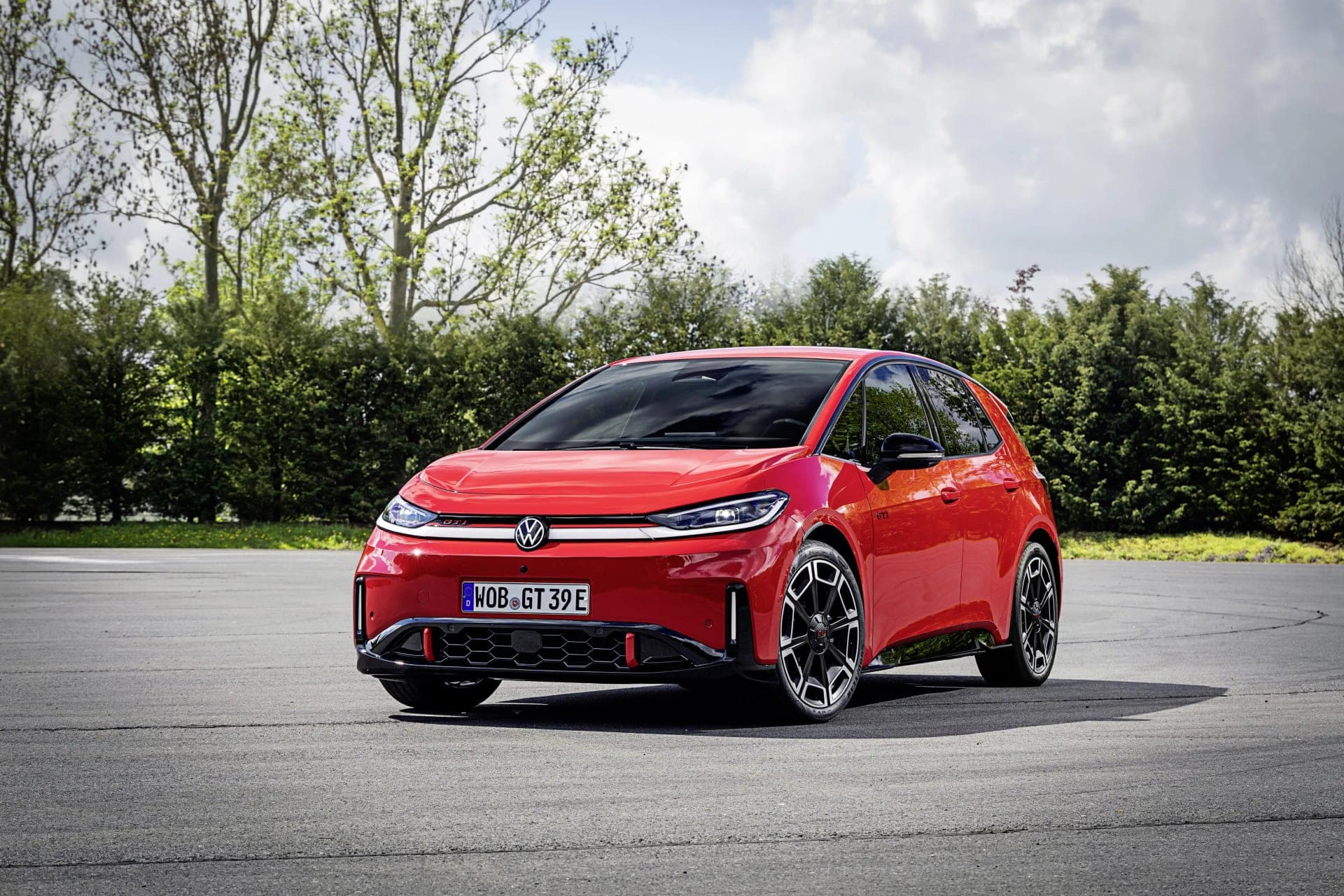
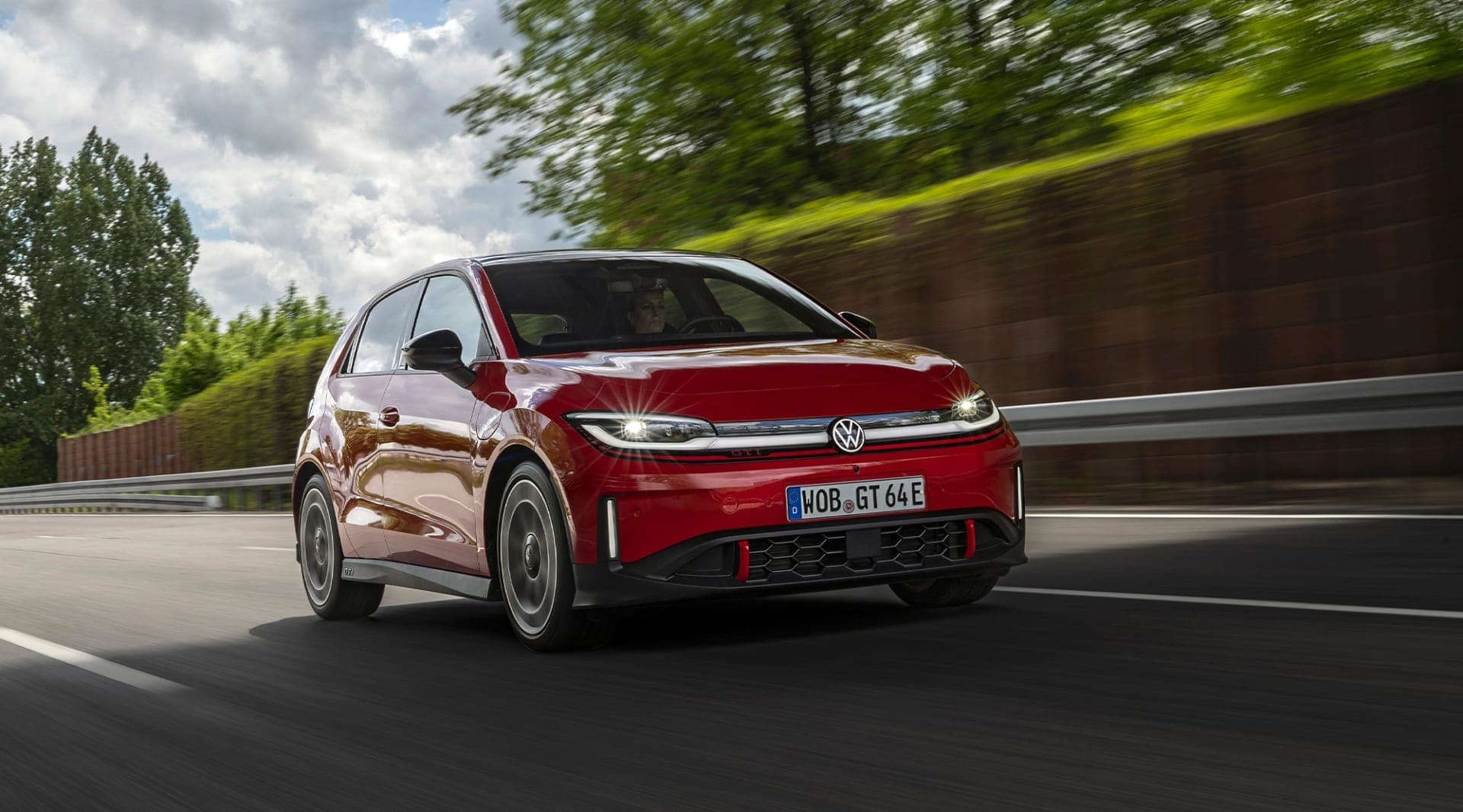
Volkswagen opens pre-sales of the ID. Polo GTI with a top speed of 190 km/h, 15 km/h more than it announced at the May reveal. The change follows complaints from German customers that 175 km/h was too low for a car wearing the GTI badge. The sprint to 100 km/h stays at 6.8 seconds, and the price starts at €39,995 in Germany.
The ID. Polo GTI gains 15 km/h and keeps its 6.8-second sprint
At 190 km/h instead of 175 km/h, the ID. Polo GTI is now 15 km/h faster, while 0 to 100 km/h still takes 6.8 seconds and the front motor still makes 226 hp and 290 Nm. Volkswagen says the new limit was set on the basis of customer feedback. In August, technical development chief Kai Grünitz admitted that German buyers found 175 km/h too low, and the obvious fix, a longer reduction ratio, would have cost acceleration. It did not. Unchanged power and an unchanged sprint time point to a recalibrated limiter rather than new hardware, so the 175 km/h was a setting Volkswagen chose, not a ceiling its single-speed drive imposed.
At 190 km/h the ID. Polo GTI beats the 1976 Golf GTI's 182 km/h
The 190 km/h figure puts the ID. Polo GTI 8 km/h above the original Golf GTI, which reached 182 km/h in 1976 on 110 hp. At 175 km/h, the electric car would have been the first GTI slower flat out than the one that started the line, in the badge's 50th year. It also moves clear of its direct rivals: the Opel Corsa GSE and Peugeot e-208 GTi stop at 180 km/h, and the Alpine A290 at 170 km/h. Volkswagen's own petrol Polo GTI, at 240 km/h, remains the faster car on an open autobahn.
At €39,995 the ID. Polo GTI costs €5 more than the Cupra Raval VZ
From €39,995 in Germany, the ID. Polo GTI costs about €1,000 more than the just-under-€39,000 Volkswagen quoted in May. The sharpest comparison sits inside the group. The Cupra Raval VZ comes off the same Martorell line with the same 226 hp and the same 6.8 seconds, costs €39,990 in Germany and is still limited to 175 km/h, so five euros now buys 15 km/h. Outside the group, the 281 hp Corsa GSE costs €39,900 in Germany and France, while Peugeot asks €42,900 for the e-208 GTi in France and €41,990 in the Netherlands.
A 52 kWh battery gives the ID. Polo GTI 424 km and 441 litres of boot
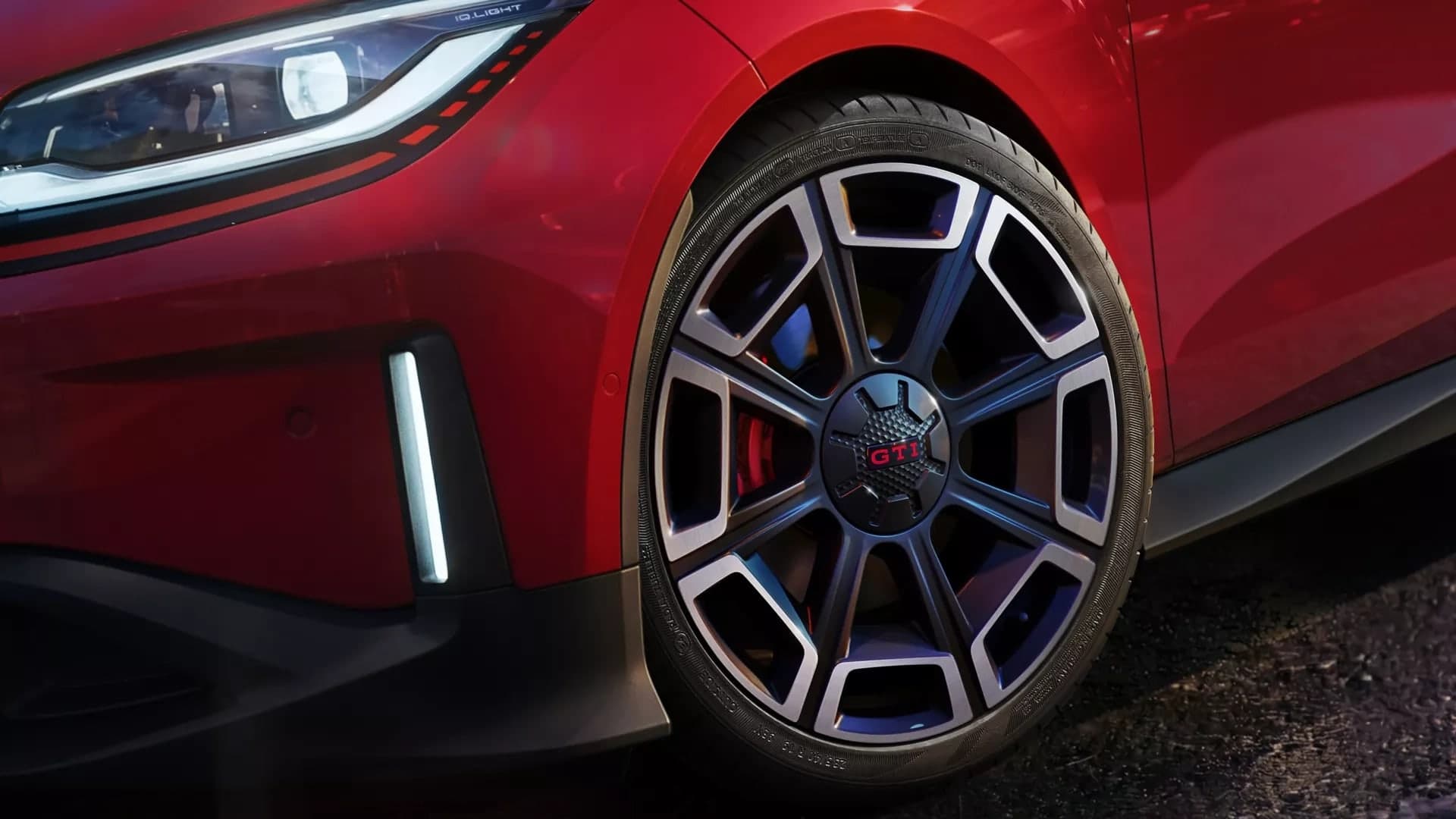
A 52 kWh net battery gives the ID. Polo GTI up to 424 km WLTP; it charges at up to 105 kW and goes from 10 to 80 percent in about 24 minutes. The packaging beats the petrol car it sits beside: the boot grows from 351 to 441 litres, or 1,240 litres with the rear seats folded, and an optional detachable tow bar takes a 75 kg nose load, enough for two e-bikes. Standard equipment includes 19-inch wheels, matrix LED headlights, adaptive DCC dampers, a locking front differential and sports seats in a modern version of the GTI check.
A GTI button and a Golf I retro display set the cabin apart
Pressing the GTI button on the sports steering wheel switches the drive, the progressive steering and the DCC dampers to their sharpest settings, starts a synthetic GTI sound and turns the cockpit graphics red. A retro mode redraws the 10.25-inch instrument display in the style of a late Golf I's dials, and the 12.9-inch media screen can show the current track as a turning cassette. Options include a panoramic roof, 12-way massage seats, a 425-watt Harman Kardon system and Connected Travel Assist, which recognises red traffic lights and brakes the car to a standstill.
AutoNext Take
Volkswagen found 15 km/h in a setting, and the 6.8-second sprint survived it. Our August piece assumed the extra top speed would have to come out of acceleration; it did not, so the 175 km/h was caution rather than physics, and Volkswagen corrected it before a single car reached a customer. The figure it left alone is the one rivals still win on: for €95 less in Germany, the Opel Corsa GSE brings 281 hp and reaches 100 km/h in 5.5 seconds.
Cupra will lift the Raval VZ to 190 km/h before the ID. Polo GTI reaches Dutch customers in spring 2027, because a sister car built on the same line with the same motor cannot stay 15 km/h slower for five euros less once German magazines park them side by side. For the badge itself the result is already in: fifty years after the first GTI, the electric one is faster flat out than the original and carries 90 litres more luggage than today's petrol Polo GTI.