Waymo's robotaxis had 82% fewer injury crashes over 436 million km
Waymo has now driven almost the distance RAND said a robotaxi needs to prove itself
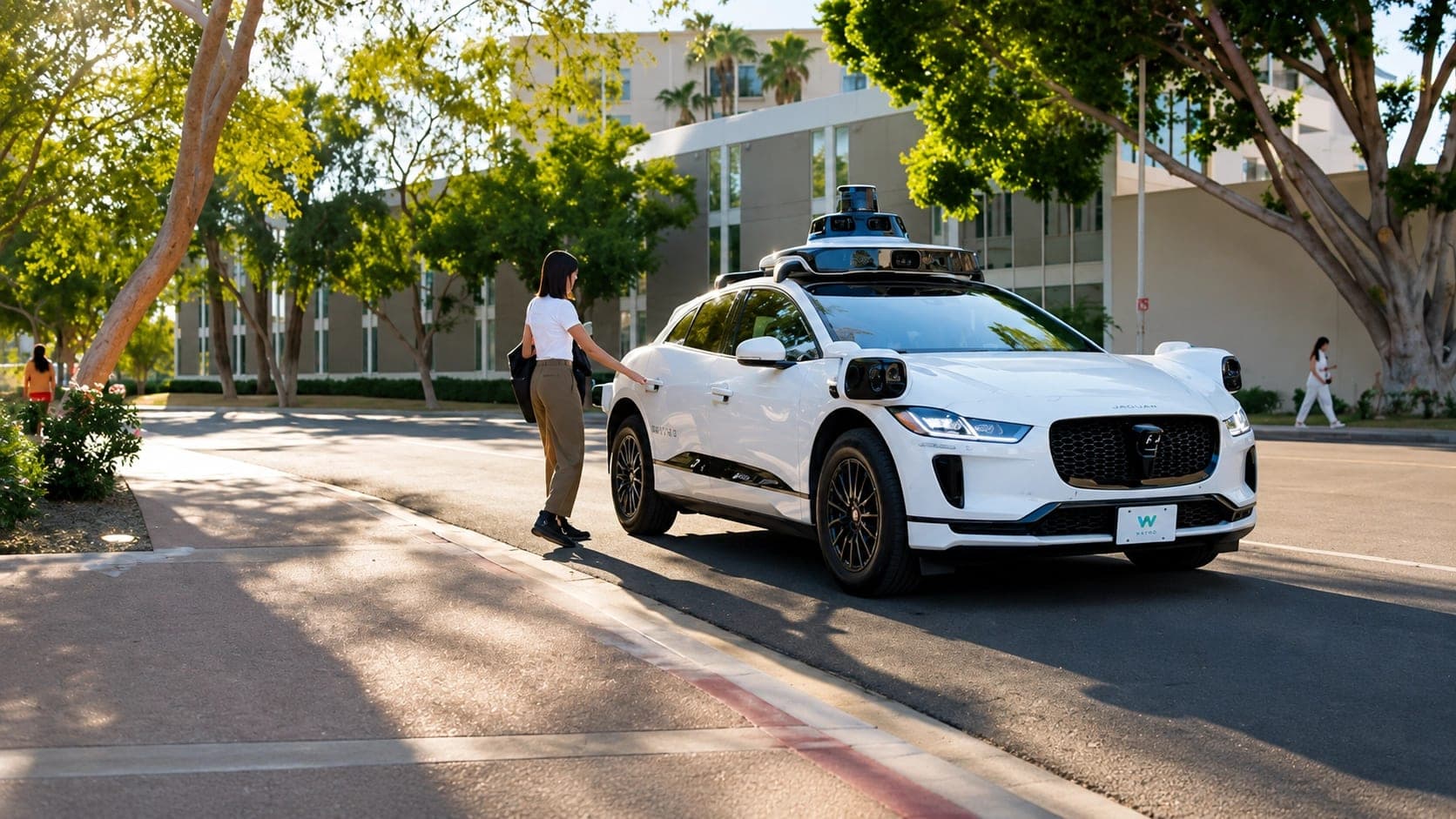
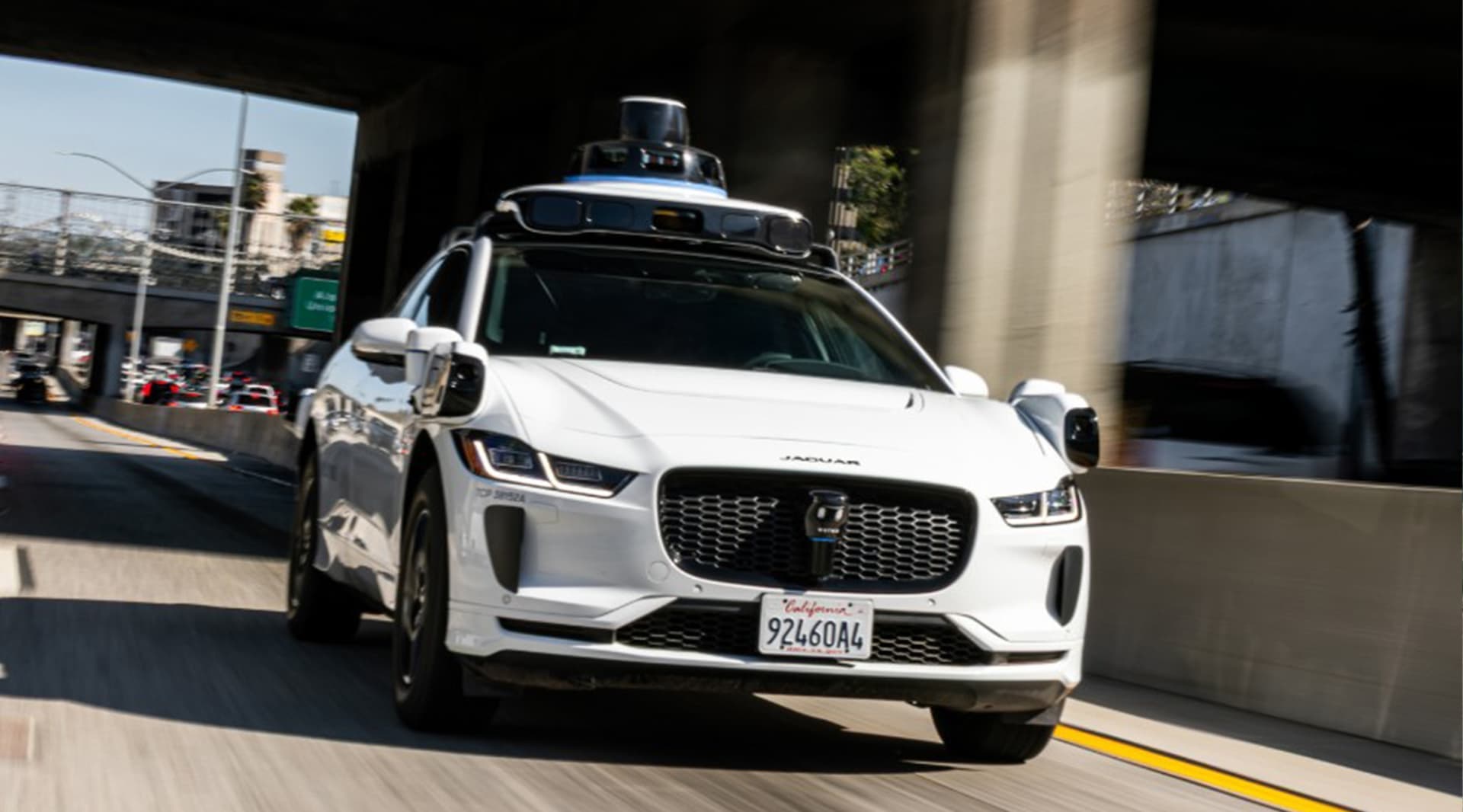
Waymo's driverless cars were involved in 82% fewer injury-causing crashes than human drivers covering the same distance, according to the safety data the Alphabet company has published for its fleet through June 2026. The sample is now 271.3 million miles, or 436.6 million km, with nobody behind the wheel. That is almost exactly the distance a 2016 RAND study set as the bar for statistical proof.
Waymo's 271.3 million miles show 841 fewer injury crashes than human drivers
Waymo's fleet recorded 841 fewer injury crashes than human drivers would have had over the same 271.3 million miles. The comparison uses a benchmark for people driving on the same kind of surface streets in the same cities, and every crash counts, whoever caused it. There were also 358 fewer crashes in which an airbag deployed in any vehicle involved, again 82% below the human rate. The figures are updated on the timetable of the crash reports Waymo must file with the US regulator NHTSA.
Serious injuries fell 95%: about 3 Waymo crashes where humans would have 58
Waymo's cars had 95% fewer crashes causing serious injury or worse than the human benchmark. Across all its cities, the rate was 0.011 such crashes per million miles against 0.213 for human drivers. Multiplied out over the fleet's mileage, that is roughly three serious crashes where average drivers would have had 58, a nineteen-fold difference. Pedestrian injury crashes were 93% lower, cyclist injury crashes 86% and motorcycle injury crashes 82%.
RAND set 275 million miles as the bar for proving robotaxi safety in 2016
The RAND Corporation calculated in 2016 that a driverless fleet would need 275 million miles without a fatality to show, with 95% confidence, that it kills no more often than American drivers, who average about one death per 100 million miles. RAND's point was that the distance made test driving an impractical proof: 100 cars running around the clock would need more than 12 years. Waymo reached 271.3 million by scaling a paid taxi service instead. Its dashboard groups deaths with serious injuries rather than reporting them on their own.
San Francisco's human benchmark is four times Phoenix's, and Europe needs its own
Waymo's human benchmark changes sharply from one city to the next. Average drivers in San Francisco have 0.39 serious-injury crashes per million miles, nearly four times Phoenix's 0.10, while Waymo's own San Francisco rate is 0.024. Phoenix supplies the most mileage at 92.1 million, ahead of the San Francisco Bay Area at 82.4 million, Los Angeles at 67.1 million, Austin at 21.1 million and Atlanta at 8.6 million. None of the five has trams in mixed traffic or cycle streets where overtaking is banned, which is what a European city centre adds.
Waymo targets driverless London rides in late 2026 and Munich in 2027
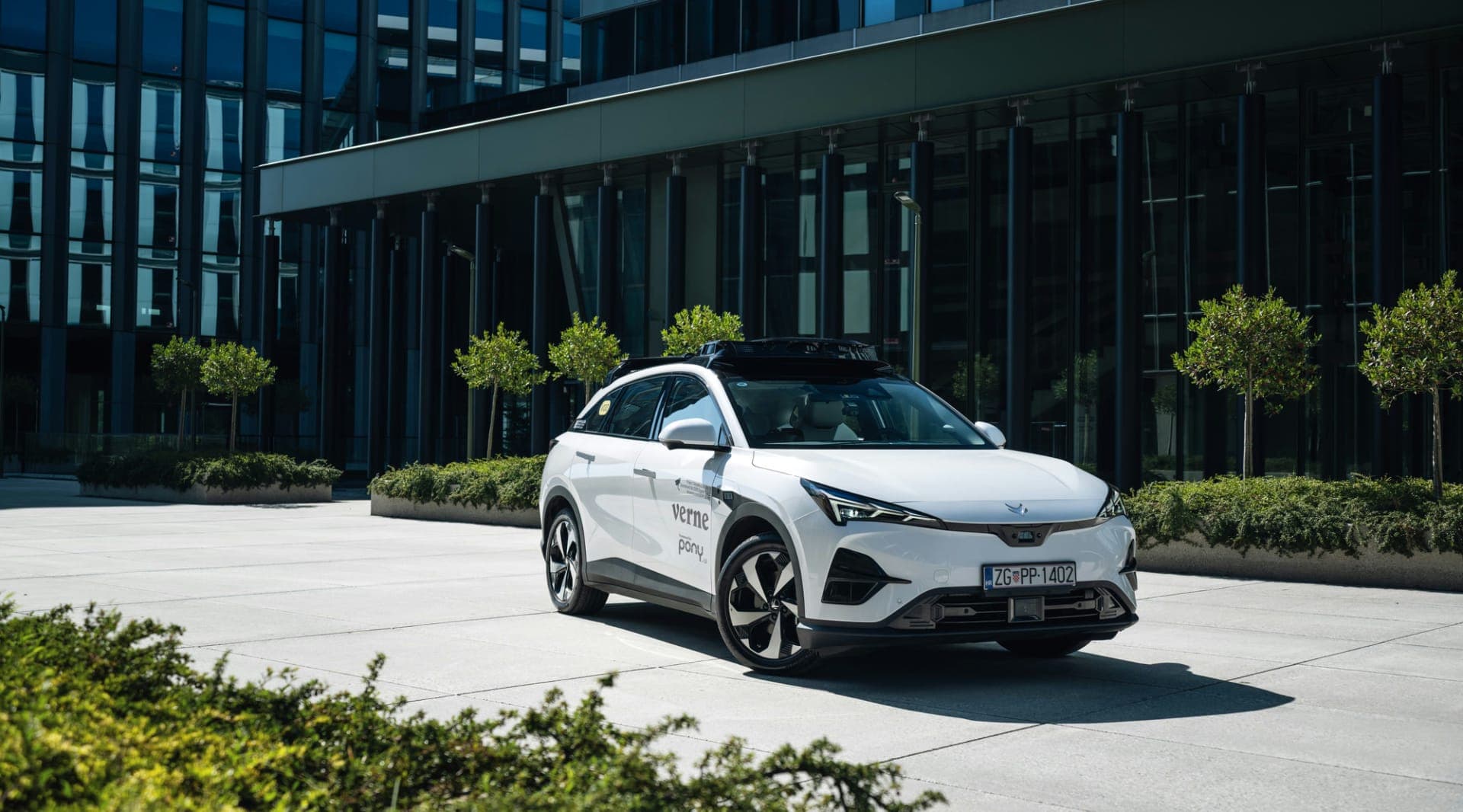
London is the first European city on Waymo's calendar. Testing with safety specialists behind the wheel began in April, Moove runs the fleet operations, and fully driverless rides are targeted for the fourth quarter of 2026, provided the UK government finalises its approval process in time. Munich follows, with a commercial launch planned for the end of 2027. Europe's only driverless rides on public roads so far run on a 22 km route in Zagreb, using Pony.ai's software rather than Waymo's.
AutoNext Take
No human driver has ever been able to publish a safety record like this one. Waymo's figures are self-reported and American, but they come with confidence intervals, city-by-city benchmarks and a crash count that ignores fault, and on serious injuries the gap is about nineteen to one. A margin that wide will not be erased by better statistics. Over 436 million km, it is the clearest evidence yet that software can drive more safely than people in the conditions it knows.
Europe is right to make Waymo prove it again on its own streets; 19,400 people died on EU roads in 2025. The London launch planned for the fourth quarter makes the claim checkable here for the first time, and our view is that Waymo's first London figures, once the fleet has driven enough to publish them, will still show injury crashes down by at least three-quarters. If they do, Germany will have little reason to keep Munich waiting until the end of 2027.