Xpeng's G9L heads to Paris from Graz, with its price already cut
A 5,120 mm Xpeng built in Austria, five weeks after its Chinese price fell
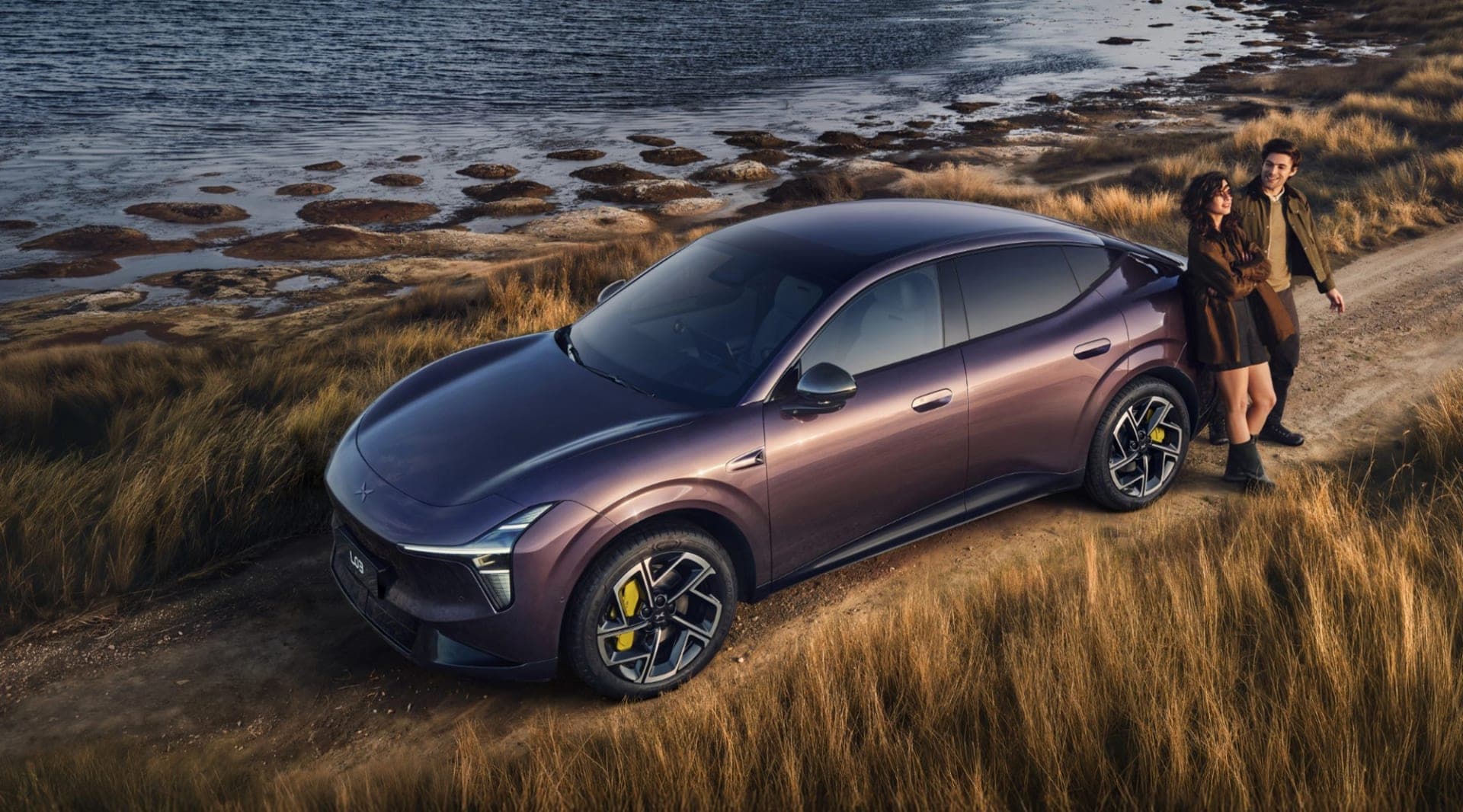
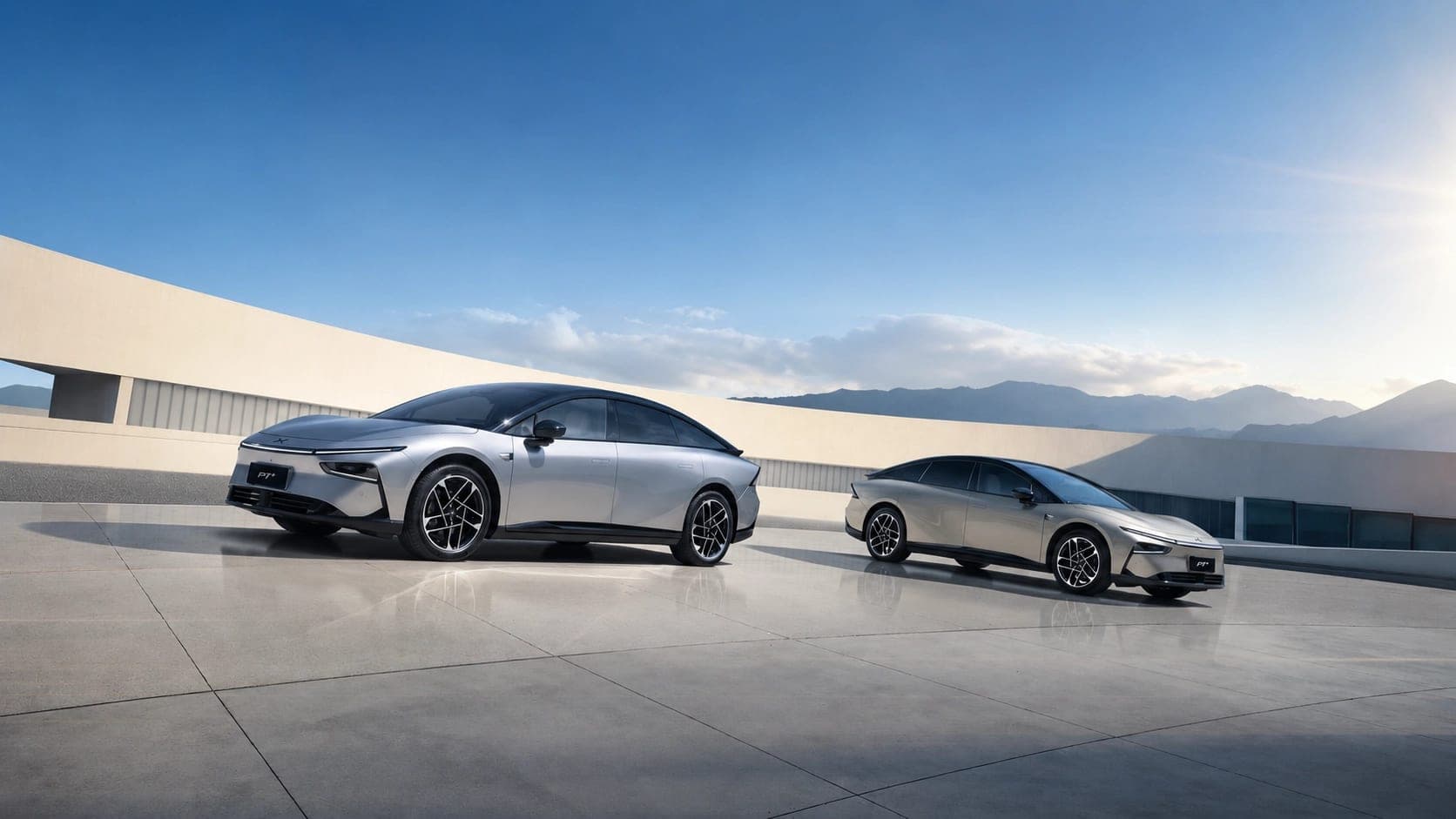
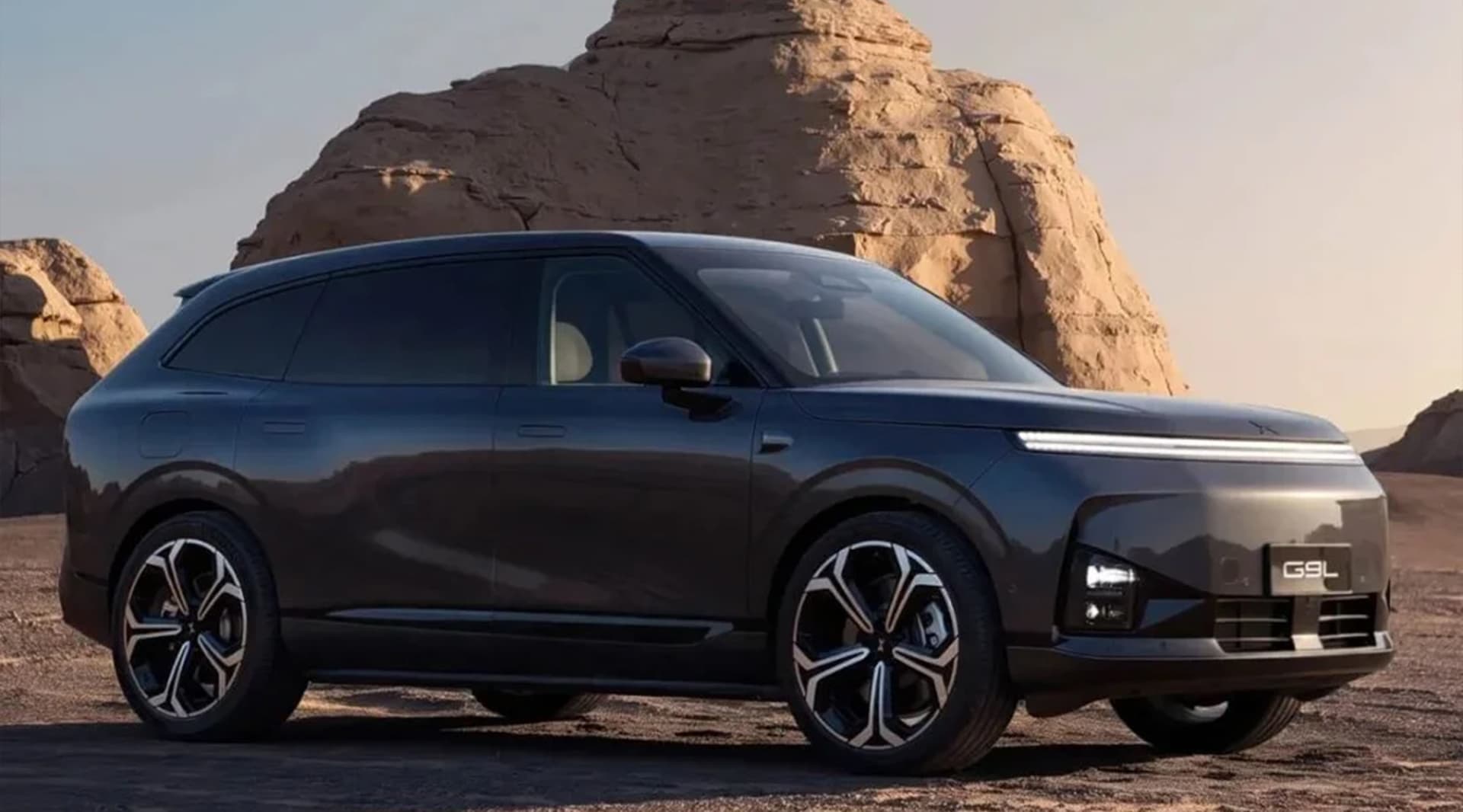
Xpeng launched the G9L in China on 17 September and will launch it for the rest of the world in Hall 6 of the Paris Motor Show on 12 October, in 64 markets. European cars will be assembled by Magna Steyr in Graz, the fourth Xpeng to go down that line after the G6, G9 and P7+. The 5,120 mm five-seater comes as a battery-electric car or a range-extender, and China already knows what it costs.
Graz builds its fourth Xpeng and skips the EU's 20.7% duty on Chinese EVs
Assembling the G9L in Graz keeps it outside the EU's countervailing duty on China-built electric cars, which for Xpeng is 20.7 percent on top of the standard 10 percent import tariff. Magna Steyr started building the G6 and G9 for Europe on 15 September 2025, added the P7+ saloon this spring with deliveries in 25 European markets from April, and called Xpeng its first Chinese partner in Europe. The Austrian plant needs the volume. Jaguar's I-Pace and E-Pace stopped in December 2024, Fisker's Ocean died with Fisker, the BMW Z4 ended in 2026 and the Toyota Supra goes with it, leaving the Mercedes G-Class as the only non-Xpeng car on the site and 500 jobs already cut.
5,120 mm long on a 3,100 mm wheelbase, 23 cm more than the G9 Europe already sells
The G9L is 5,120 mm long, 1,999 mm wide and 1,782 mm tall on a 3,100 mm wheelbase, and it seats five only. The G9 sold in Europe is 4.89 metres and starts at €59,600 in Germany, so the L adds 23 centimetres, most of it behind the front seats. Xpeng spends that length on comfort rather than a third row: front and rear seats recline together into a flat surface more than 1.8 metres long, a 21.4-inch screen folds down from the ceiling for the rear, and the rear centre console carries folding tables, wireless charging and a 12.5-litre fridge. Dual-chamber air suspension and rear-wheel steering are standard on every version. In China it sits alongside the six-seat GX launched in May, which shares its platform.
755 km CLTC, 10 to 80 percent in 11 minutes, and up to 585 hp on 800 volts
Four battery-electric versions use an 800-volt platform with 5C charging that Xpeng rates at 11 minutes from 10 to 80 percent. A 91.9 kWh LFP pack gives 702 km CLTC with the single 367 hp rear motor, or 660 km with a second motor on the front axle for 585 hp combined and 0 to 100 km/h in 4.45 seconds. A 110 kWh pack stretches the rear-drive car to 755 km. Those are Chinese CLTC figures, and WLTP will land lower. Driver assistance runs on Xpeng's own Turing chips, one in the Max, two in the Ultra SE and three in the Ultra for 2,250 TOPS, running the second generation of its vision-language-action model.
The 1,602 km range-extender is the version Europe should watch, after the L03 EREV
Two all-wheel-drive versions pair a 63.3 kWh battery with a 150 hp 1.5-litre turbo petrol engine that only generates electricity, for 435 km on the battery and 1,602 km with the 60-litre tank, again on CLTC. The 503 hp total takes it to 100 km/h in 4.95 seconds. Xpeng's press release lists both drivetrains for the global launch and does not say which Europe receives. It already sells a range-extender here: the L03 opened at €38,600 with a 37.25 kWh battery and roughly 1,000 km. The difference is where it is built. The European Commission extended its anti-subsidy case to Chinese plug-in hybrids in June, and a range-extender with an Austrian chassis number would sit outside that too.
Six versions from 231,800 yuan, 10.8 percent below the pre-sale price of 11 August
China gets six versions with guide prices of 241,800 to 319,800 yuan, about €31,500 to €41,700, and launch prices of 231,800 to 309,800 yuan. Pre-sales had opened on 11 August at 259,800 yuan, so the entry car lost 28,000 yuan, 10.8 percent, in five weeks. That is what the price war looks like at home: Xpeng delivered 39,107 cars in August and 243,111 in the first eight months, 10.49 percent fewer than a year earlier. Exports went the other way, 49,424 cars in eight months, up 99.94 percent and already past the whole of 2025, at an average overseas price He Xiaopeng put above €40,000. He wants 60,000 deliveries a month in the fourth quarter, 53 percent above August, and the G9L is one of the two cars meant to get there. The first right-hand-drive units left Guangzhou for Australia on 11 September.
AutoNext Take
Xpeng is not localising to please Brussels. It is localising because the arithmetic at home stopped working: deliveries down 10.49 percent over eight months, a flagship whose price fell 10.8 percent before the first customer took delivery, and overseas cars selling above €40,000 when the same G9L starts at the equivalent of €31,500 in China. Every G9L that leaves Graz carries a European price, avoids a 20.7 percent duty and keeps alive an Austrian plant that is otherwise down to one Mercedes. Paris is the shop window. Graz is the business.
Paris on 12 October has to answer two questions the press release skipped. The first is the price: a G9L within €5,000 of the G9's €59,600 would show that Graz assembly pays for itself through the duty it dodges. The second is the drivetrain: a range-extender on the Hall 6 stand would mean Xpeng read June's extension of the subsidy case to Chinese hybrids and answered it with an Austrian chassis number. If both are missing, the G9L is a Chinese car that came to Paris for a photograph.