XPeng is selling more cars than ever, and losing more money than ever
In China's electric-car war, winning more customers and losing more money have become the same thing
XPeng has just done something that should not be possible: it sold more cars than ever before and, at the same time, lost more money than it did a year ago. The Chinese electric-car maker delivered a record number of vehicles last quarter and grew its revenue, yet its net loss ballooned. It is the clearest picture yet of how brutal China's electric price war has become, and why it matters well beyond China.
Record sales, deeper losses
In the second quarter of 2026 XPeng handed over 103,295 cars, a record, and booked revenue of 17.1 billion yuan, roughly 2.1 billion euros, with more than 204,000 cars delivered so far this year. And yet it lost 1.34 billion yuan, around 165 million euros, in the quarter, nearly three times the 0.48 billion it lost in the same period last year. The one crumb of comfort is that the loss was smaller than the previous quarter, and the company still sits on a cash pile of about 6 billion dollars, so this is bleeding, not an emergency.
The price war is eating the profit
The contradiction is explained by margins. XPeng's overall gross margin actually improved to 20.7 percent, but the margin on the cars themselves fell to 12.1 percent from 14.3 percent a year earlier, because everyone in China is slashing prices to move metal. The result is that selling more cars can now cost you more money. It is an industry-wide bloodbath: only three Chinese EV brands managed to turn a profit in the first half of 2026. On top of that, XPeng is pouring cash into its XNGP self-driving system and even humanoid robots, betting heavily on technology it has not yet cashed in.
Growth is the whole strategy
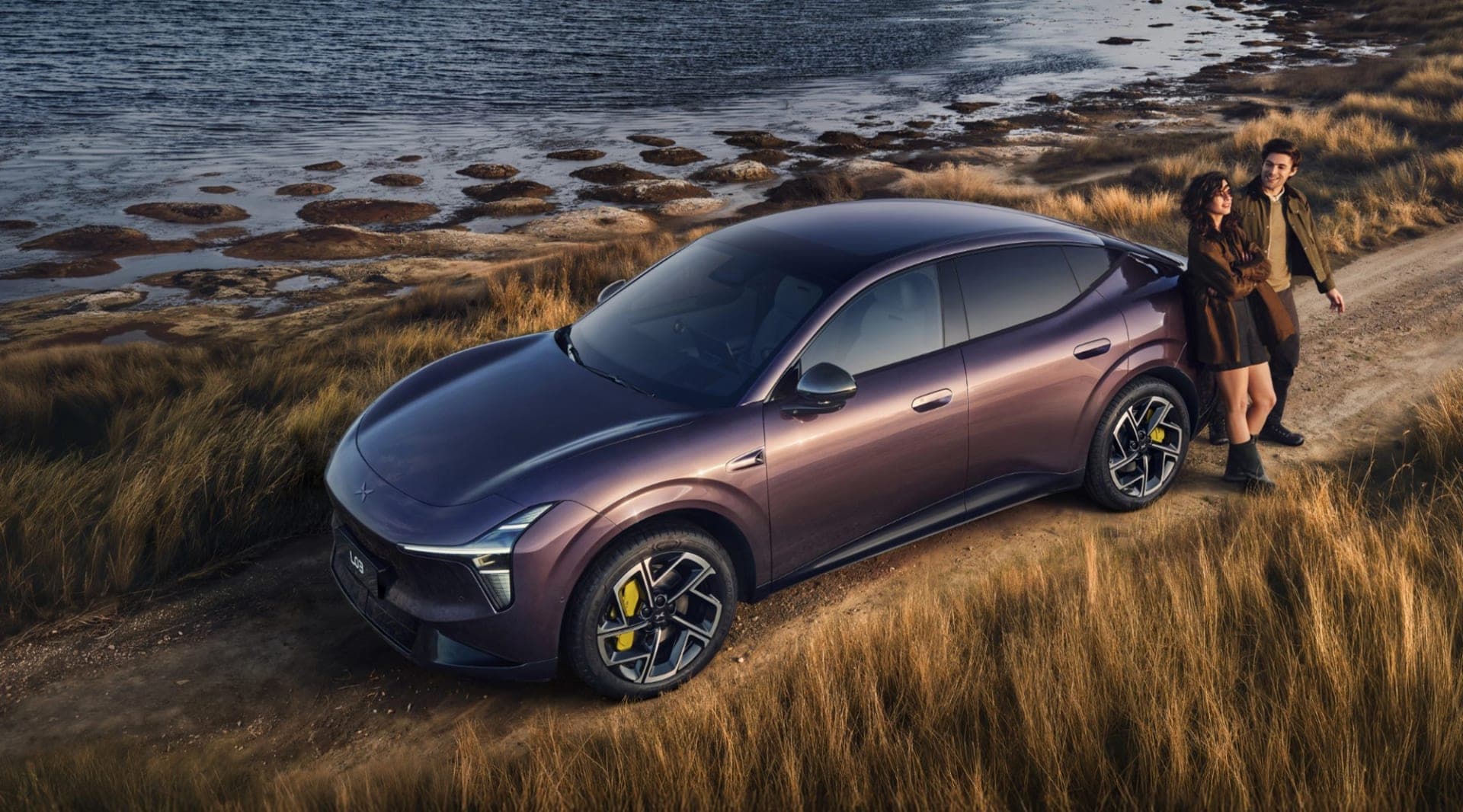
Management's answer is to keep going faster. XPeng expects to deliver between 115,000 and 121,000 cars in the third quarter, and CEO He Xiaopeng points to the success of new models like the GX and Mona M03 as proof the momentum is real, casting the firm as a "physical AI" company as much as a carmaker. Crucially, a lot of that growth is meant to come from abroad. Since entering Europe in 2024 XPeng has delivered more than 60,000 cars across 65 countries, and it keeps pushing keenly priced models like the L03 onto the continent. International sales are now central to any path to profit.
Why Europe should care
This is the uncomfortable subtext beneath the flood of affordable Chinese EVs arriving here: many of the cars are cheap partly because their makers are losing money to build market share. That cannot last forever, and a shakeout is coming that will leave fewer, stronger brands standing. For buyers it is a reason to think about which manufacturers will still be around, and well supported, in five years. For Europe's own carmakers it is a warning, because the survivors of this brutal contest, still launching ever more ambitious models, will emerge leaner and more advanced than almost anything built here.
AutoNext Take
It would be easy to read these numbers as a company in trouble, but that misses what is happening. XPeng is not failing, it is making an enormous, deliberate bet: that it can grow fast enough, and build clever enough cars, to outrun its own losses before the cash gets uncomfortable. With 6 billion dollars in the bank and deliveries still climbing, it has the runway to keep trying for a while yet.
The catch is that not everyone in this race has that luxury, and the price war is a machine designed to bankrupt the weak. Plenty of today's Chinese EV brands will not see the other side of it. The handful that do, XPeng likely among them, will arrive in Europe cheaper, sharper and more technologically confident than the numbers today suggest. That is the real reason a quarter of red ink in Guangzhou should have Europe's boardrooms paying close attention.