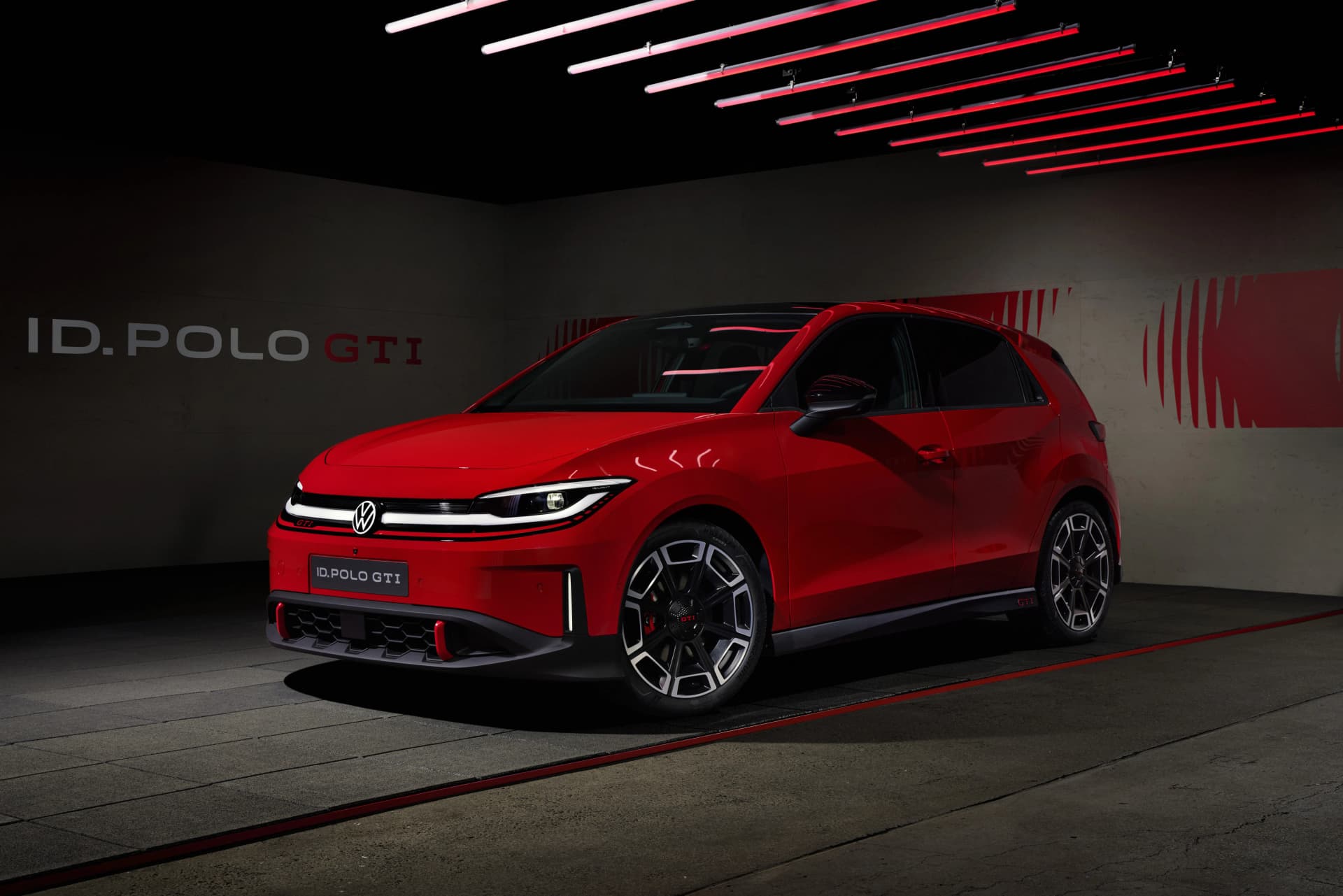
VW's ID. Polo GTI tops out at 175 km/h, and Germany noticed
Volkswagen's electric GTI is quick to 100 km/h and slow after it
Volkswagen's board member for technical development has now confirmed what German owners have been saying since the specification sheet went out: 175 km/h is not enough. That is a fair complaint on a road network built around sustained high speed. It is also the one number where the first electric GTI loses to a car Volkswagen built half a century ago.
Kai Grünitz says German customers want more than 175 km/h
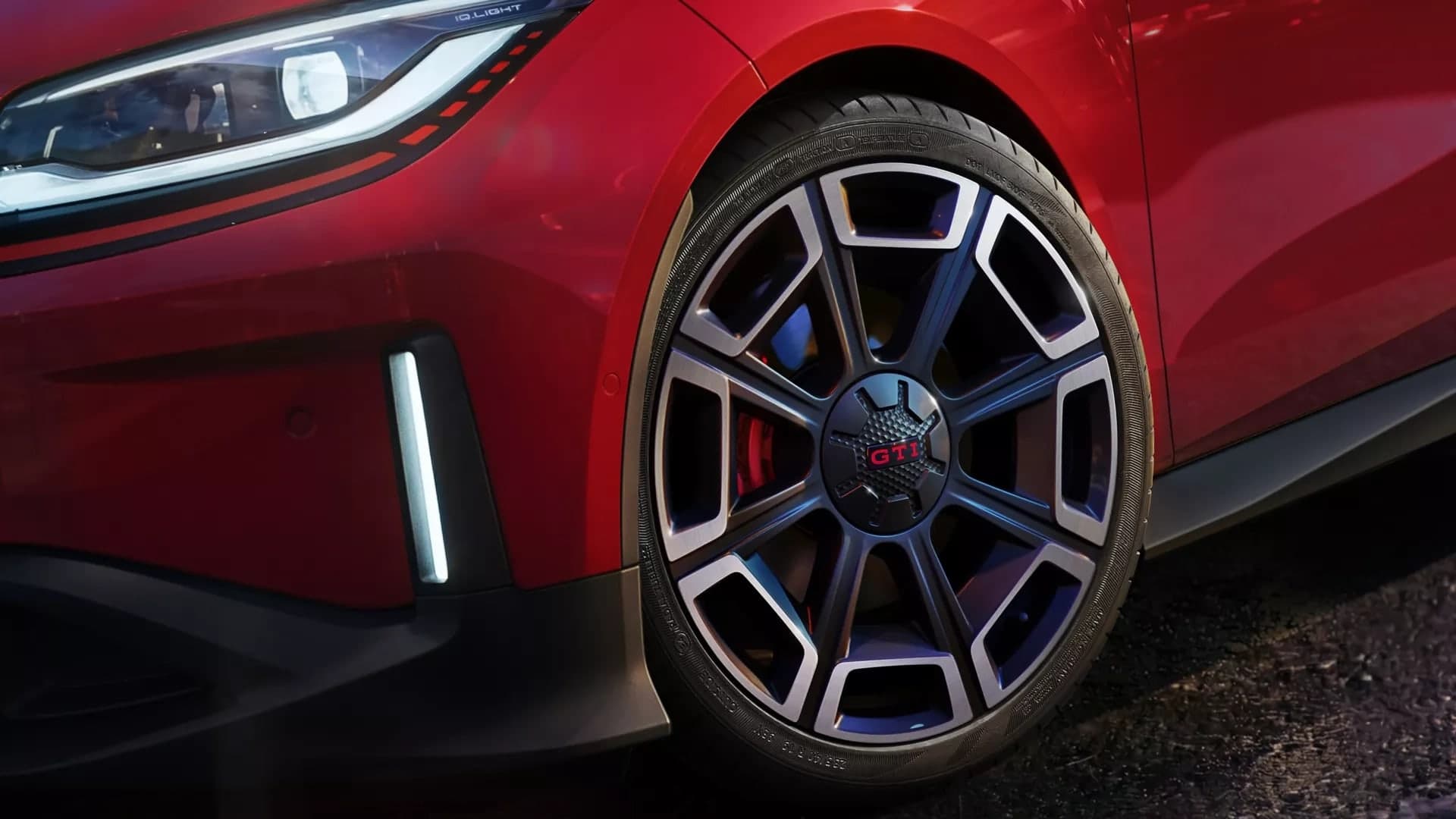
Kai Grünitz, Volkswagen's board member for technical development, told AutoGids that German customers consider the ID. Polo GTI's top speed too low, and that the brand is listening even though raising it is harder than it looks. Power is not the constraint. The car makes 226 hp, was revealed in May with a locking front differential and adaptive dampers, and reaches 100 km/h in 6.8 seconds. The trouble starts once it gets there.
The 1976 Golf GTI did 182 km/h on 110 hp and 810 kg
The original Golf GTI reached 182 km/h in 1976 with 110 hp and a kerb weight of 810 kg. The ID. Polo GTI has 226 hp, a minimum kerb weight of 1,540 kg and tops out 7 km/h lower. Power-to-weight does not explain the gap either, because the electric car carries roughly 147 hp per tonne against the Mk1's 136. On the one ratio that used to decide these arguments, the new car wins and is still slower flat out.
The petrol Polo GTI reaches 240 km/h with 19 hp less
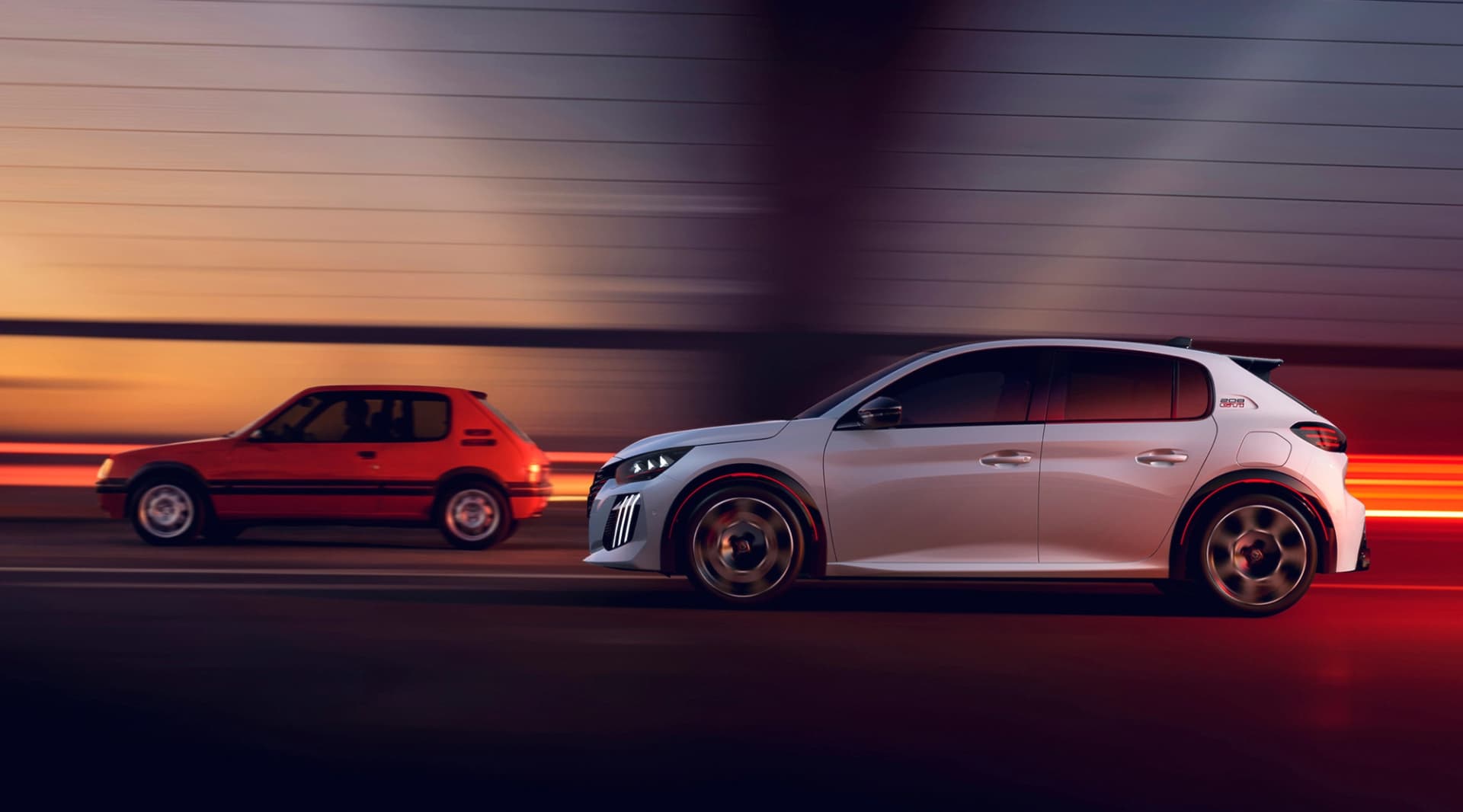
The comparison that stings is not historical. Volkswagen still sells a petrol Polo GTI with 207 hp that does 240 km/h and 0 to 100 km/h in 6.5 seconds. That is 65 km/h more top speed and three tenths quicker to 100, from 19 hp less, in a car parked in the same showroom under the same three letters. Anyone cross-shopping the two will find the electric one better equipped, far quieter and slower everywhere above 175 km/h.
A single-speed gearbox, not the 226 hp, sets the ceiling
Grünitz pointed at the battery and above all the transmission, and that is the honest answer. Almost every mainstream EV, the ID. Polo GTI included, drives through one fixed reduction ratio, so top speed is whatever the motor's maximum revs allow. Stretching that ratio for more top end costs acceleration and low-speed response. Holding 175 km/h also draws enormous continuous power from a 52 kWh battery, which is why two-speed gearboxes turn up on cars like the Porsche Taycan and almost nowhere below them.
The Corsa GSE stops at 180 km/h, the Alpine A290 at 170
Measured against its actual rivals, the ID. Polo GTI is no outlier. The Stellantis electric hot hatches, meaning the Opel Corsa GSE, the Lancia Ypsilon HF and Peugeot's e-208 GTi, all stop at 180 km/h, and the Alpine A290 gives up at 170. The awkward detail sits elsewhere in the table. The 281 hp Corsa GSE reaches 100 km/h in 5.5 seconds and the 220 hp Alpine needs 6.4, both quicker than the 226 hp Volkswagen. On the numbers electric hot hatches are supposed to own, this one is mid-field.
AutoNext Take
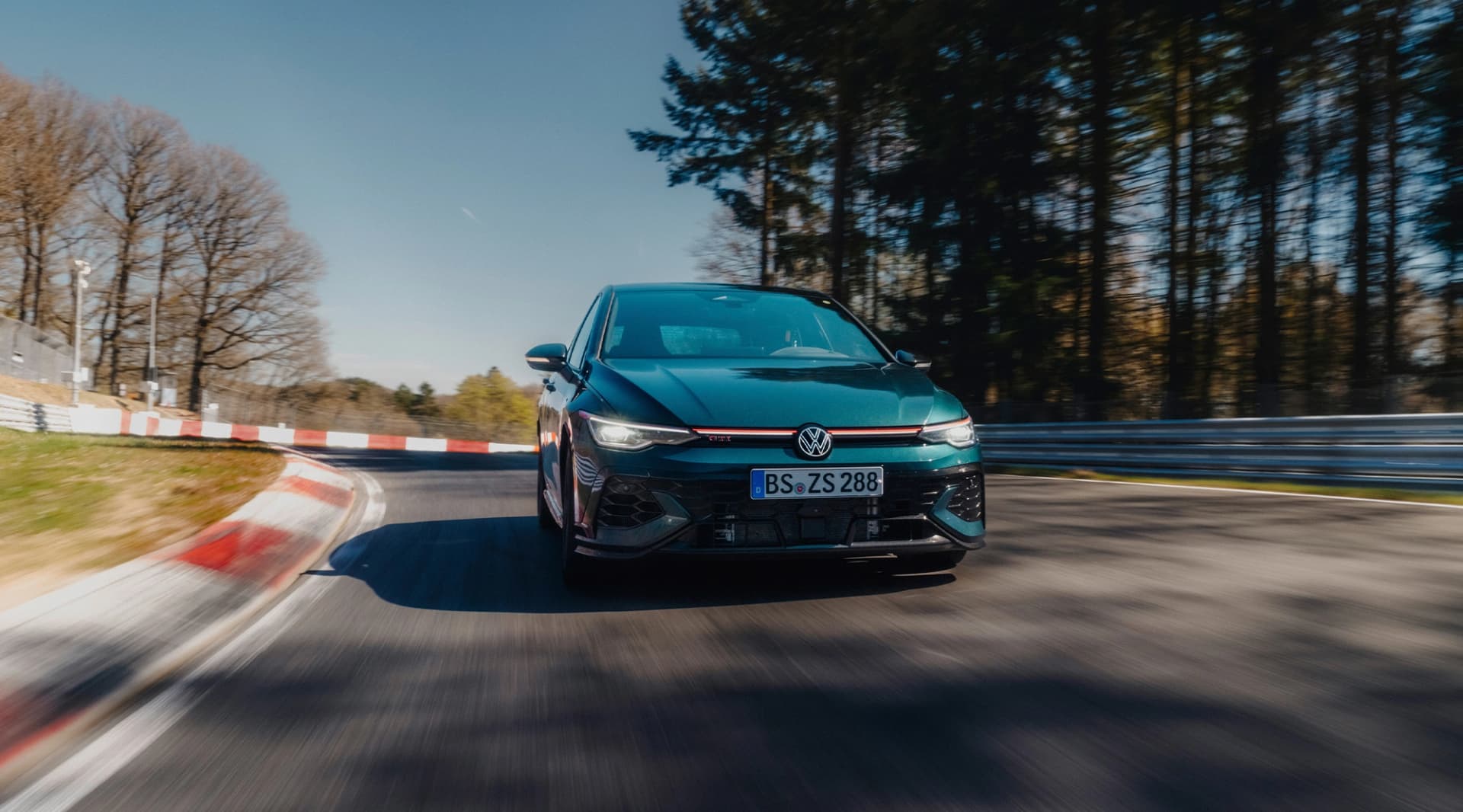
Top speed is the least useful figure on this car's spec sheet, and Volkswagen has only itself to blame for the fact that people are reading it. Put GTI on a badge that has spent fifty years standing for a car you could drive flat out to a German holiday and back, most recently on the Golf GTI Edition 50, and buyers will scroll to the last line in the column. With 175 km/h, that line has gone backwards for the first time.
The number to watch is not the top speed, it is the 6.8 seconds. Volkswagen can buy more top end with a longer reduction ratio and a recalibration, and both are paid for out of acceleration. If a revised ID. Polo GTI lands at 180 km/h and 7.0 seconds, it will have traded the figure that matters to almost nobody for the one that actually sells hot hatches, in a class where a 220 hp Alpine already does 6.4. Leave it at 175 and build the software that makes the first 100 km/h feel like a GTI instead.