Genesis Magma GT Concept reappears at Le Mans with a stunning new interior
Genesis is no longer just testing the idea of performance. It is starting to build a world around it.
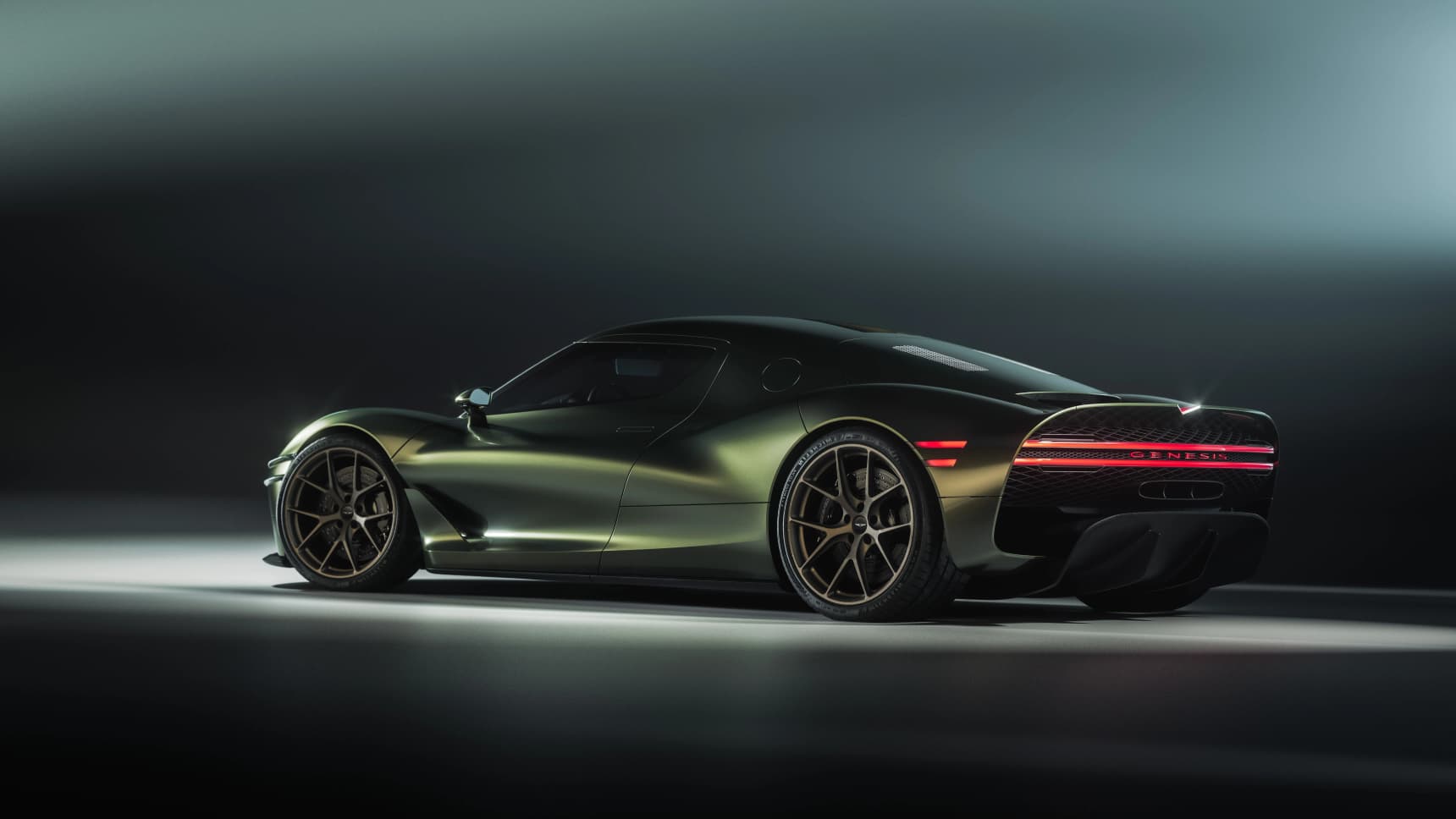
At the 24 Hours of Le Mans, Genesis has reintroduced the Magma GT Concept with an all-new interior, giving its dramatic two-seat grand tourer a more complete and convincing identity. An earlier version of the concept was already shown in November 2025, but this Le Mans appearance feels more important. Not because the exterior suddenly changed the rules of sports car design, but because the cabin now tells us much more about what Genesis wants Magma to become.
A luxury GT with proper performance proportions
The Genesis Magma GT Concept immediately looks more serious than most brand-building concept cars. Its low-slung nose, wide fenders and dynamic mid-engine proportions give it the stance of a proper performance GT. This is not a stretched luxury coupe pretending to be sporty. It has the visual tension of a car designed around weight distribution, presence and speed.
Genesis describes the design through its Athletic Elegance philosophy, and on this car that idea finally feels very natural. The surfaces are sculptural without becoming overdesigned, while the aerodynamic details give the concept a technical edge. It looks elegant, but not soft. Dramatic, but not desperate.
The new interior changes the story
For its Le Mans appearance, the Magma GT Concept receives an all-new interior built around a twin-cockpit layout and a clear driver-focused architecture. Instead of filling the cabin with oversized screens, Genesis has gone in a more interesting direction: analog inspiration, tactile controls and a stronger sense of mechanical engagement.
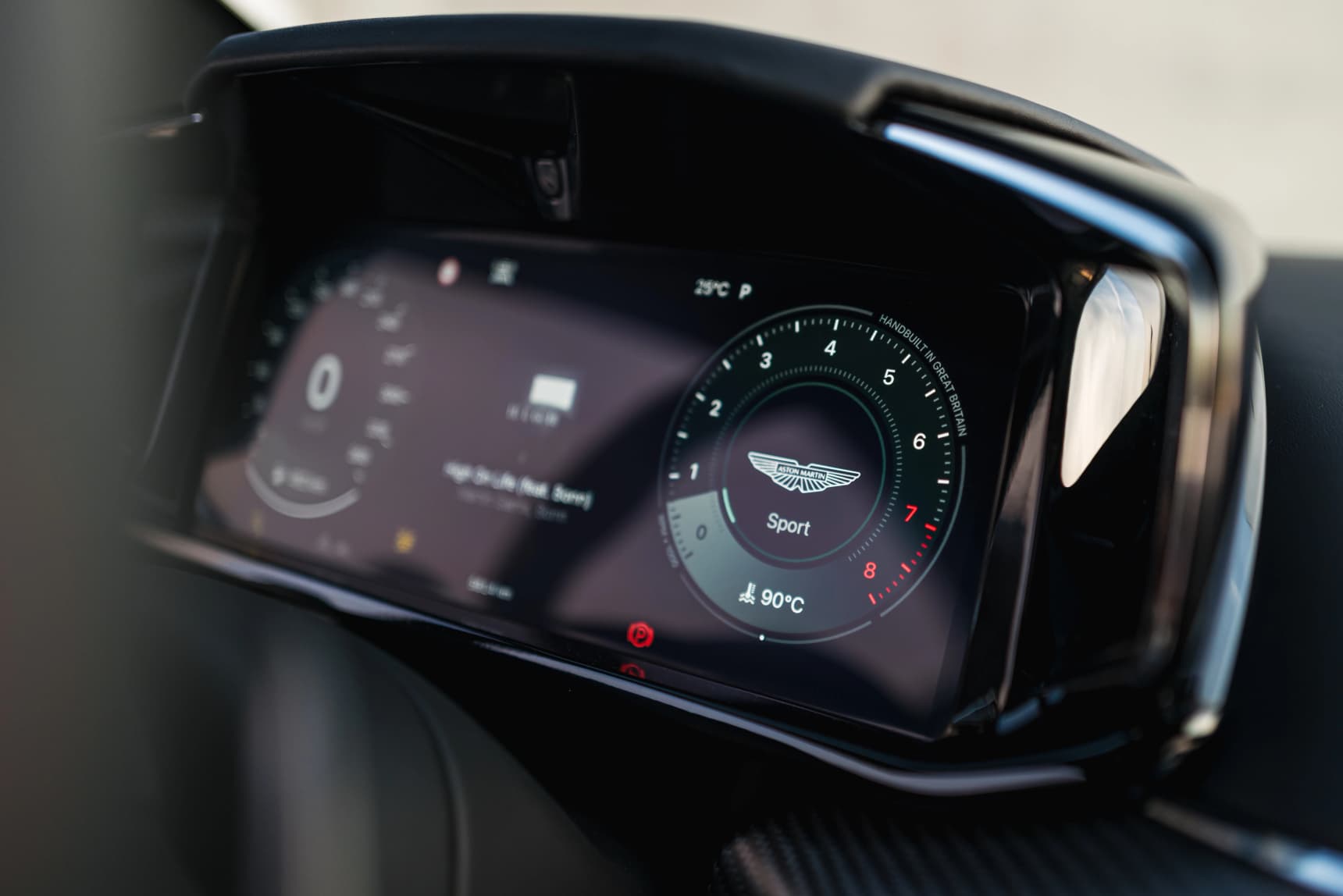
At the centre of the experience is an analog instrument cluster inspired by motor racing timekeeping instruments. That is a beautiful detail, because it connects the cabin to endurance racing without turning it into a fake race car.
The rest of the interior follows the same philosophy. Physical controls emphasise precision, while the layout creates a separation between driver and passenger without making the cabin feel cold. It is still a luxury GT, but one that understands that performance is also about interaction.
Genesis wants a seat at the performance table
Genesis is entering a space dominated by brands with decades of emotional capital. BMW M has the M3. Mercedes-AMG has the GT and Black Series. Porsche has the 911. Aston Martin has grand touring in its blood. Ferrari and McLaren live almost entirely inside the performance dream.
Genesis does not have that history yet. So it has to build it. That is why the timing is clever. We have just seen BMW M use Le Mans to show the Concept Neue Klasse as a preview of its electric performance future. Mercedes-AMG, meanwhile, is preparing the next GT3 and a new Black Series as a reminder that hardcore combustion performance is not done yet.
AutoNext Take
The Magma GT Concept has the proportions, the restraint and the visual drama to make people look twice. More importantly, the new interior gives it an identity beyond the exterior.
The analog-inspired cockpit, tactile controls and driver-focused layout suggest that Genesis understands something many luxury brands are currently forgetting: performance is not only about speed. It is about feel. For now, the Magma GT Concept is still a promise. But at Le Mans, that promise suddenly became a lot more believable.